
status: Complete
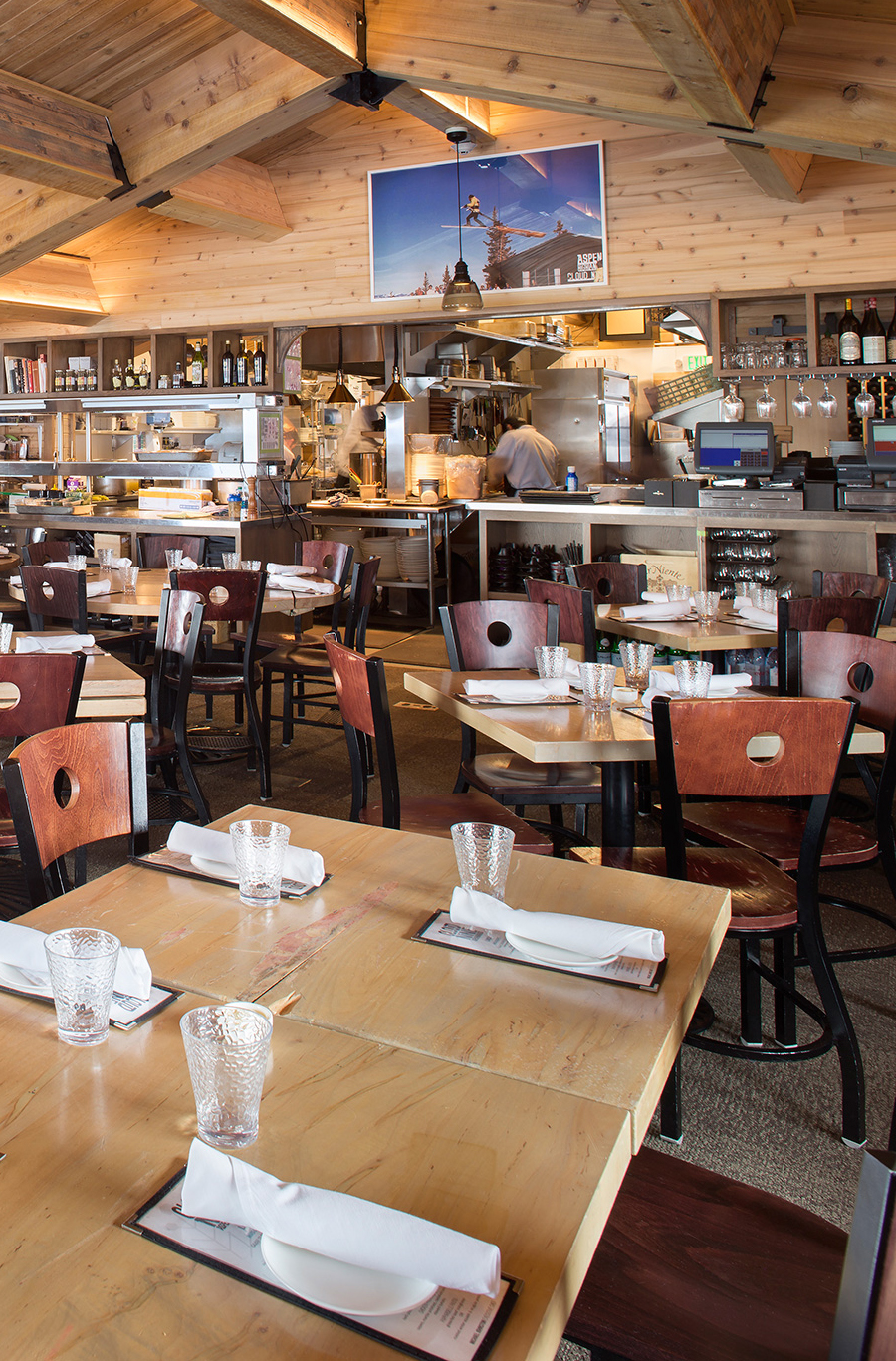
Cloud Nine Alpine Bistro
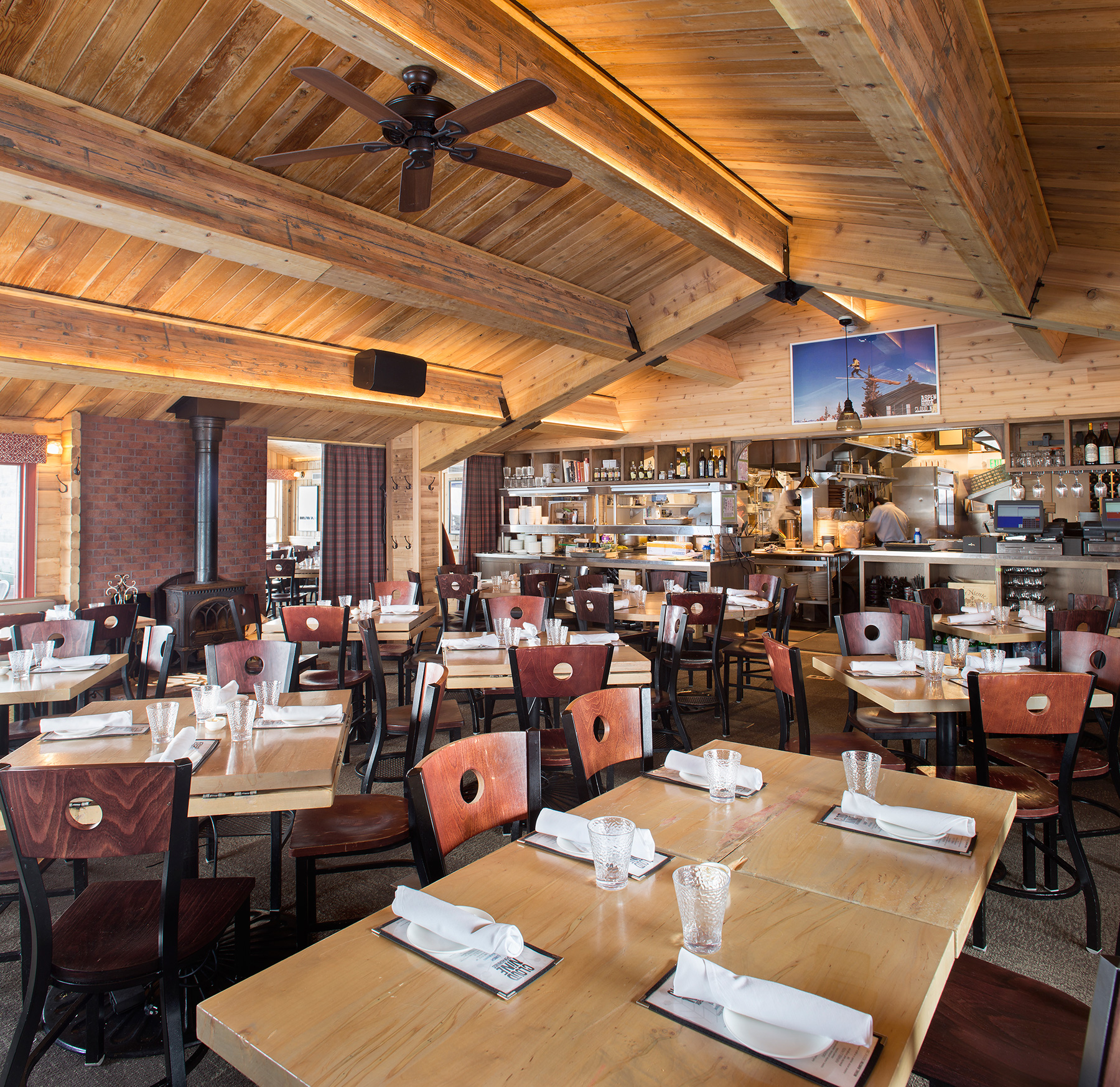
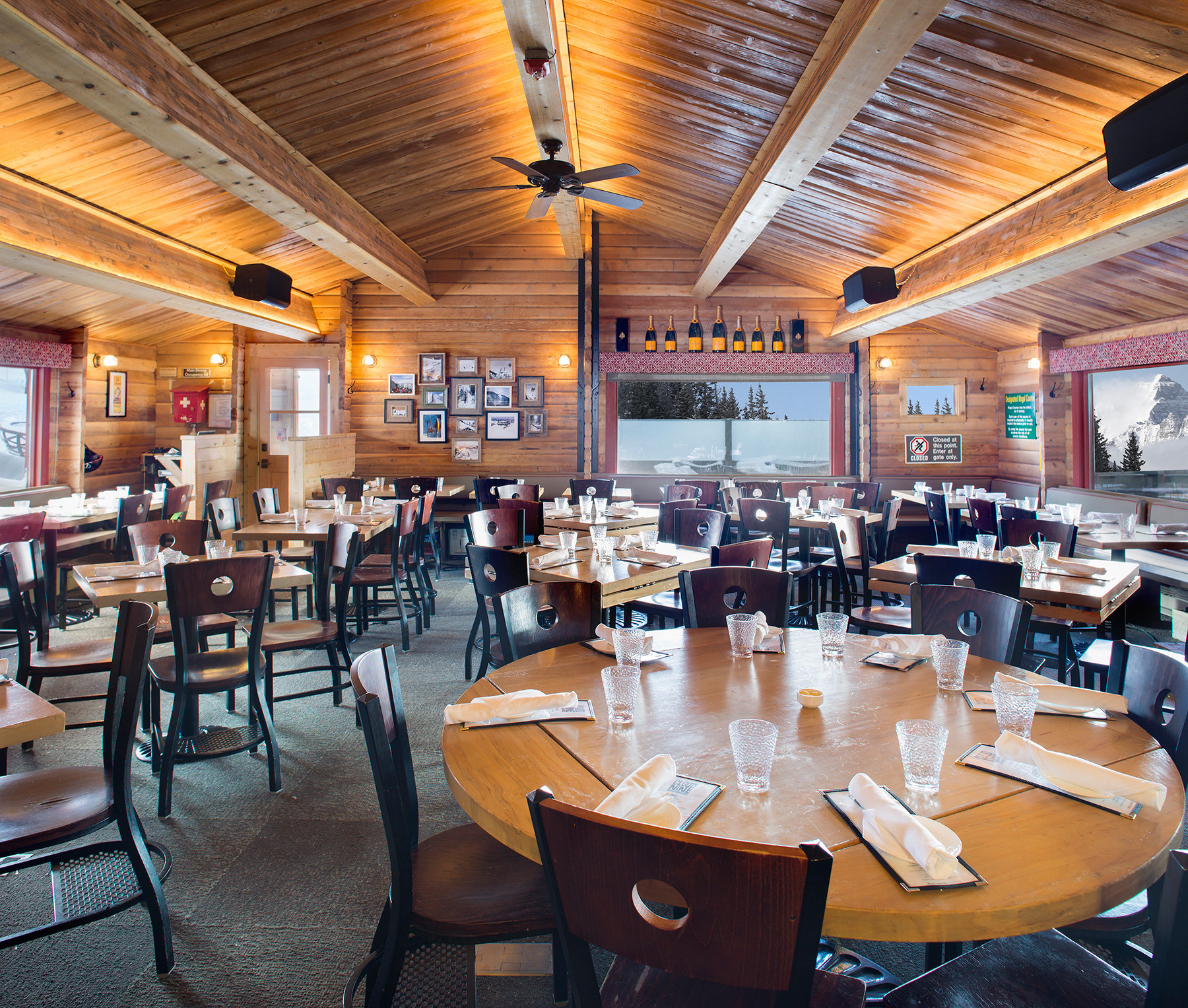
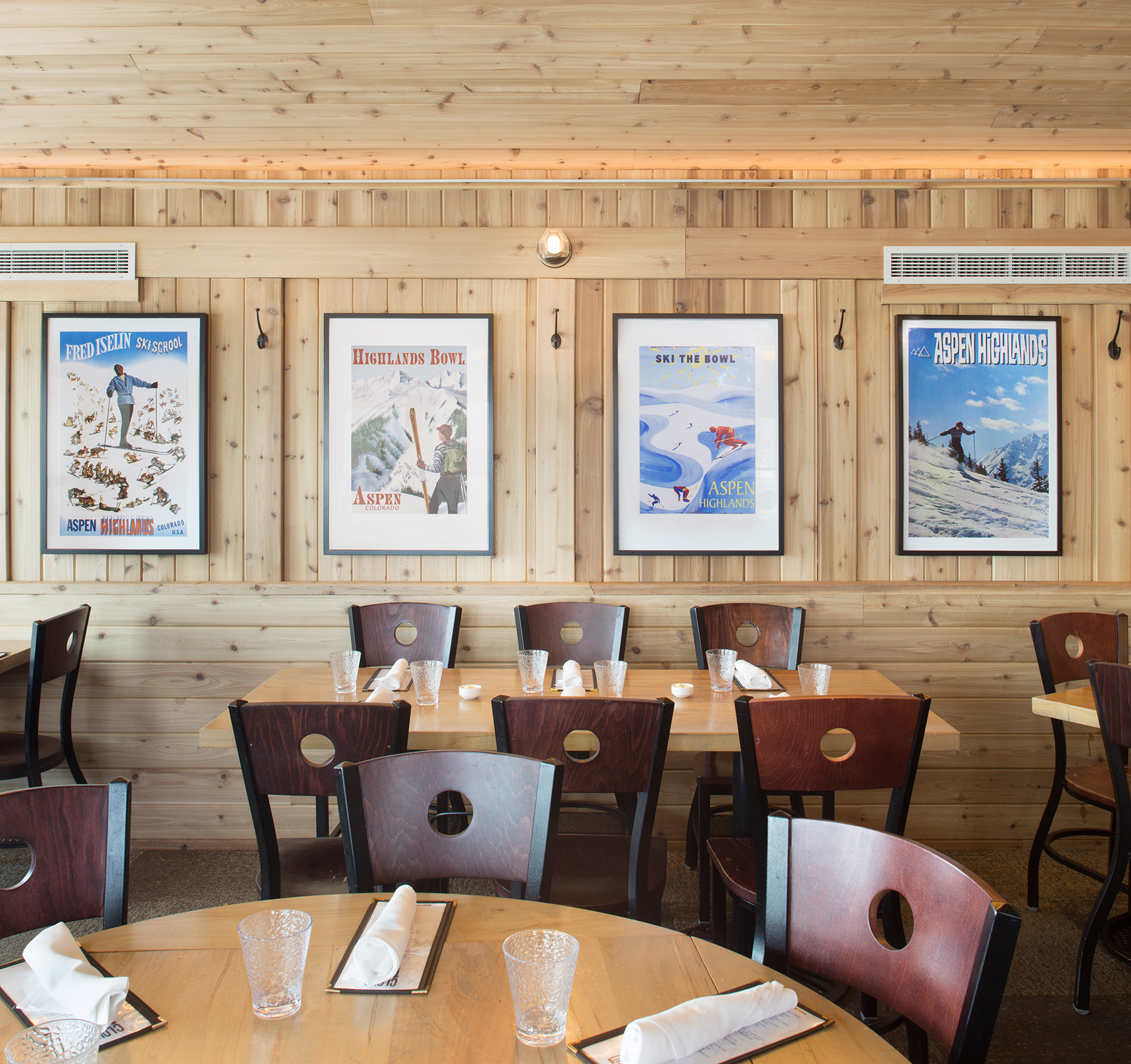
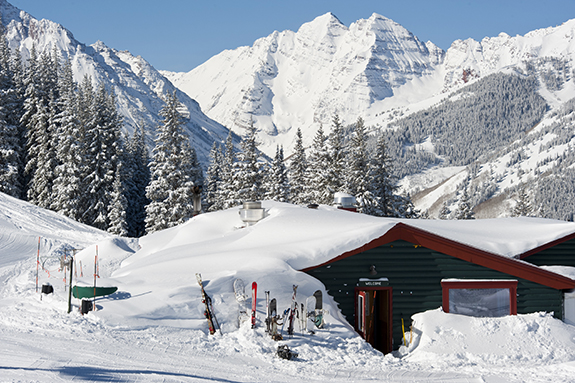
Nestled on Aspen Highlands, Cloud Nine welcomes all mid-mountain visitors to an intimate European inspired dining experience. The historic pan abode cabin milieu invites guests for lunch, dinner and après ski experiences. Interior renovations include, all new finishes and seating, expanding the dining room seating capacity, creating a private dining experience with sweeping views of the Maroon Bells and improving back-of-the house environment. Paying homage to Aspen’s rich alpine history, interiors are warm and welcoming with wood paneling, robust alpine furniture and unique mountain memorabilia.
Project Size
2,474 SF
Publications
R+B Services
-
Architecture
-
Interior Design
Project Team
-
Structural Engineer: Oddo
-
Mechanical Engineer: AEC
-
Photographer: Brent Moss
-
Contractor: Aspen Skiing
Overture House
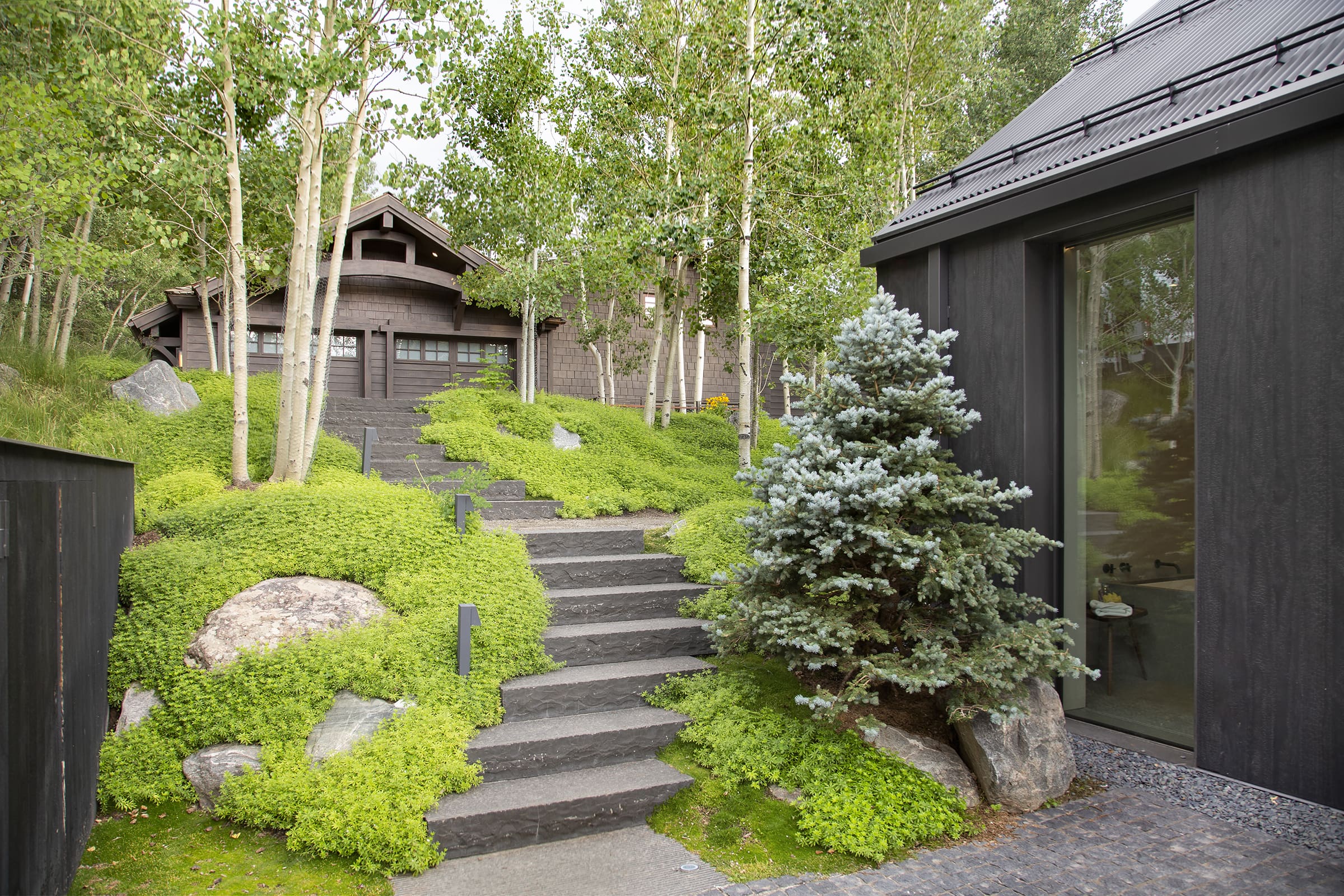
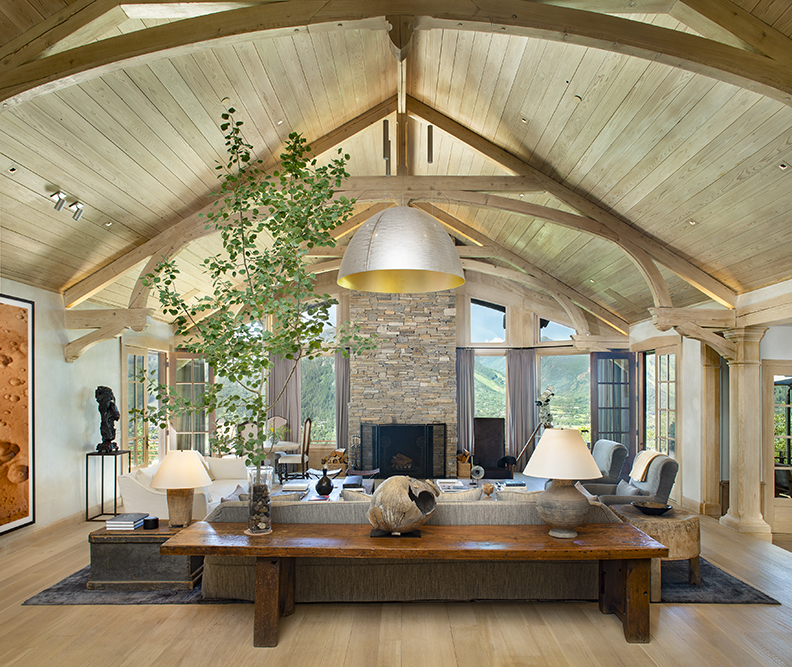
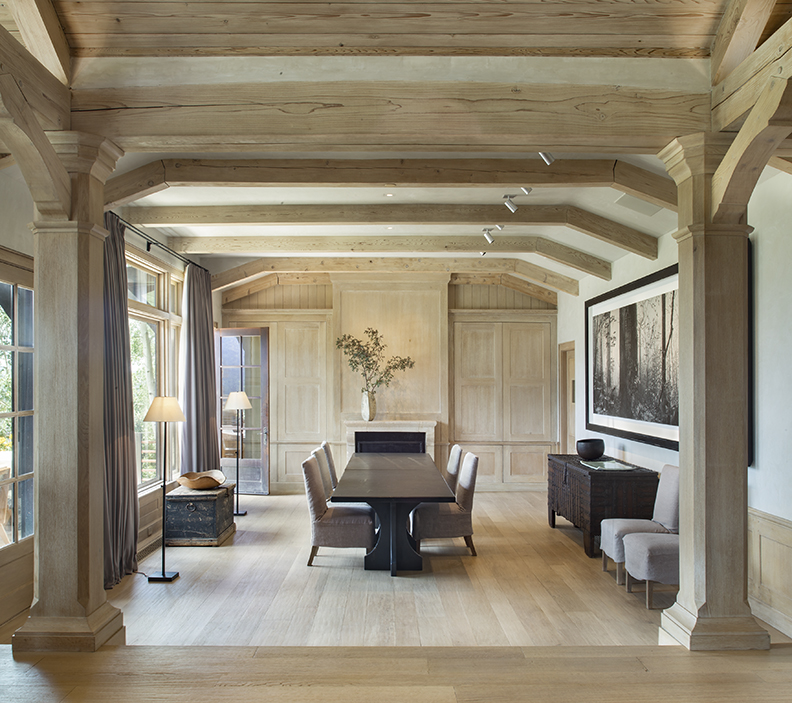
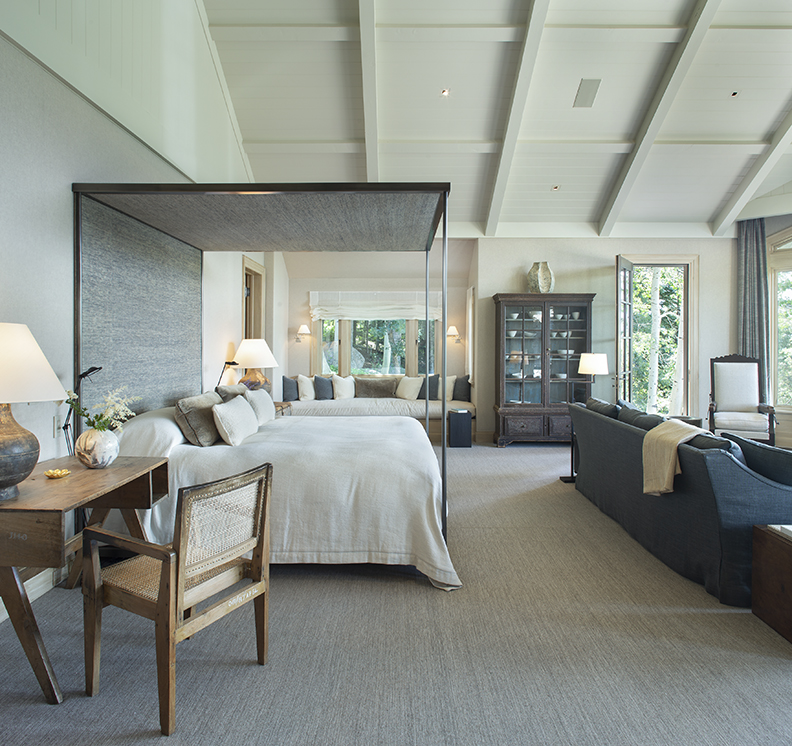
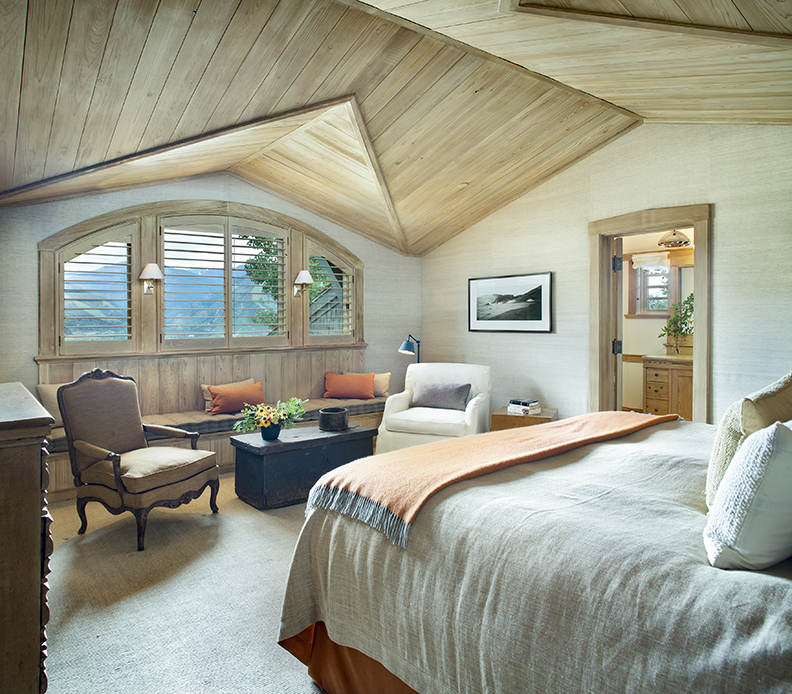
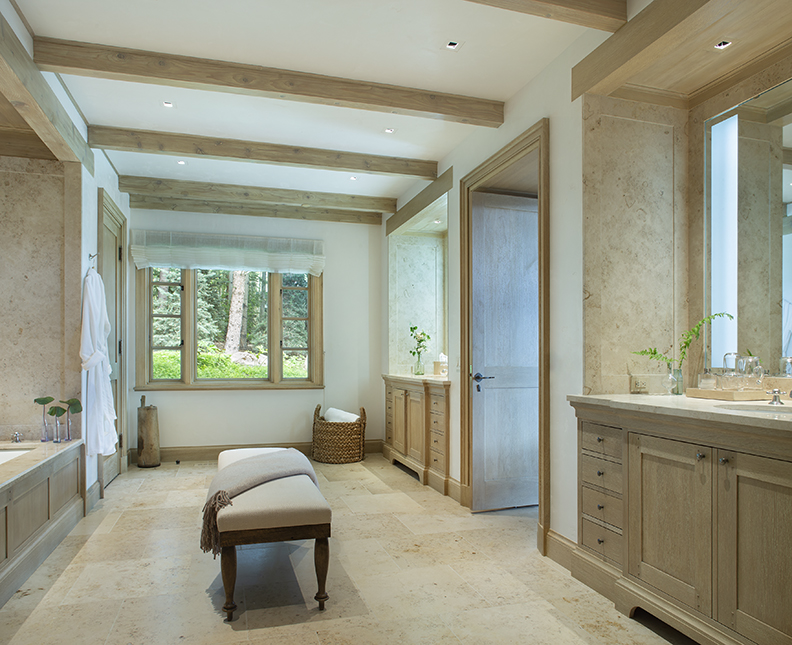
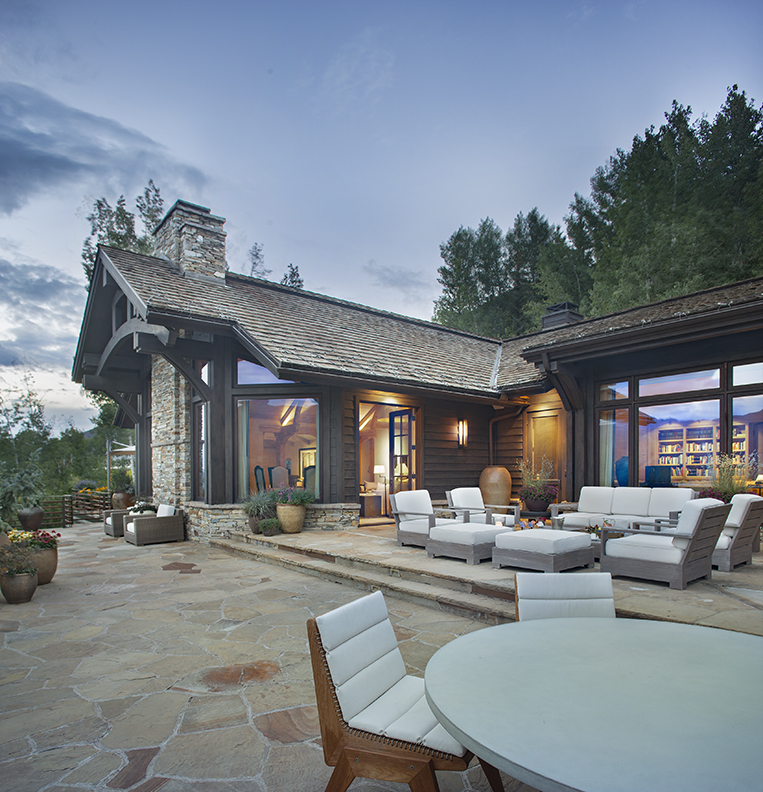
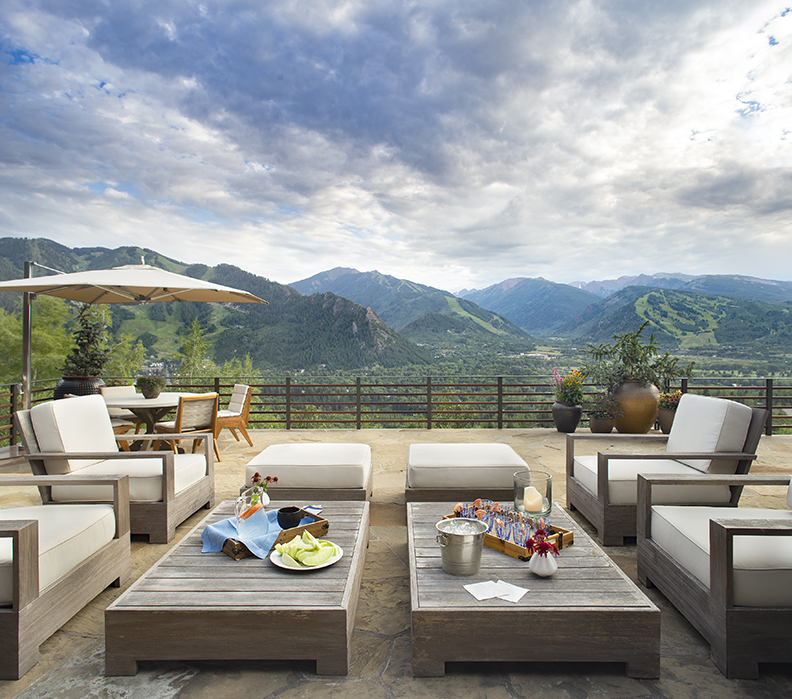
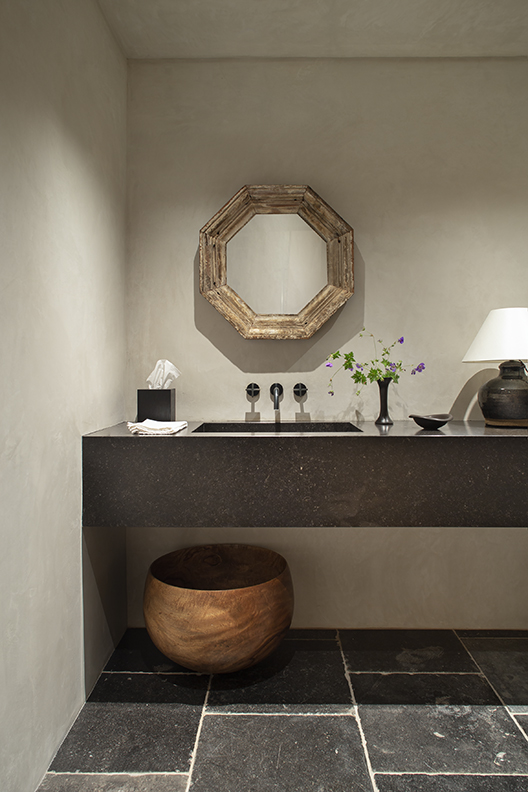
Perfectly sited to capture dramatic Aspen Mountain views, the interior renovation of this five–bedroom, 7,874 square foot Red Mountain home involved a close collaboration between the R+B team and the New York City based owners – a curator of modern and contemporary Asian art with a Guggenheim Museum affiliation and a financier-philanthropist, respectively.
Appreciating the scale and flow of the home, the project team worked to contemporize the older French Chateau-style structure and re-imagine aspects of the interior space.
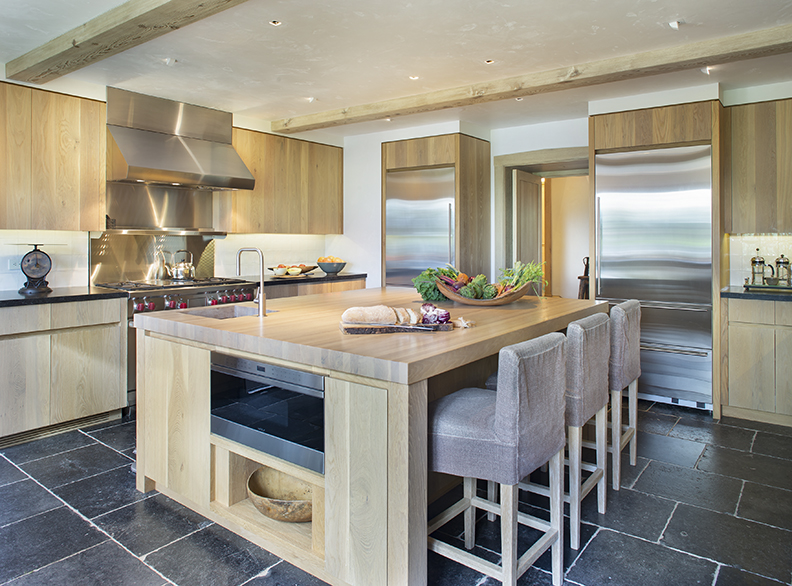
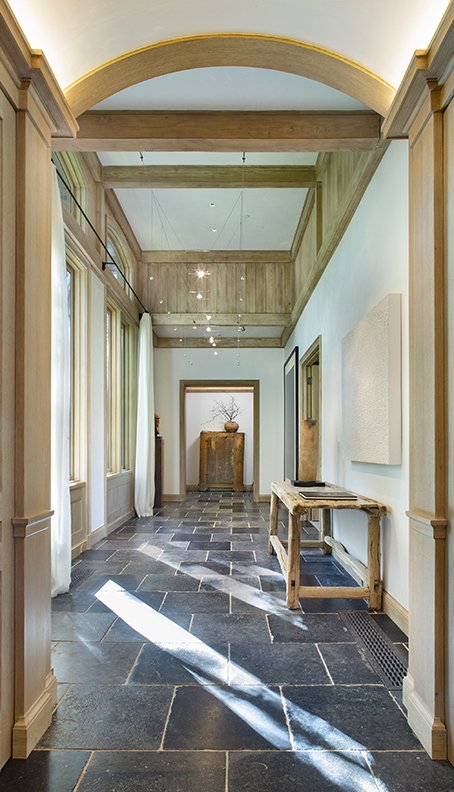
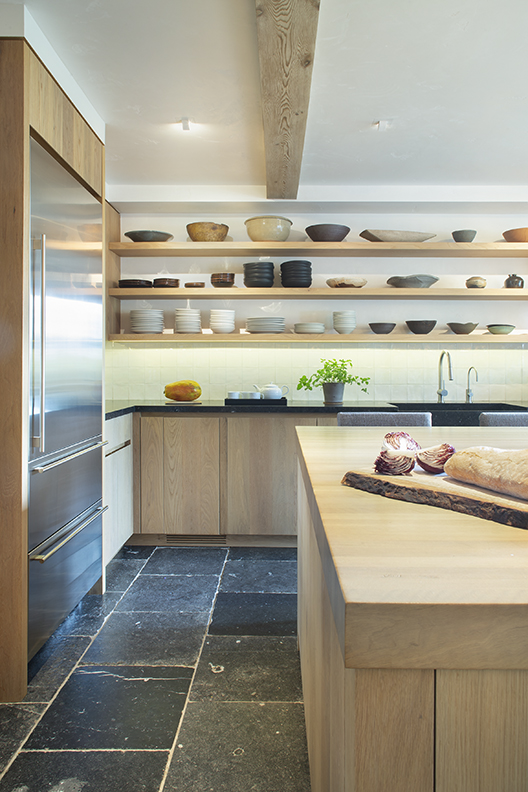
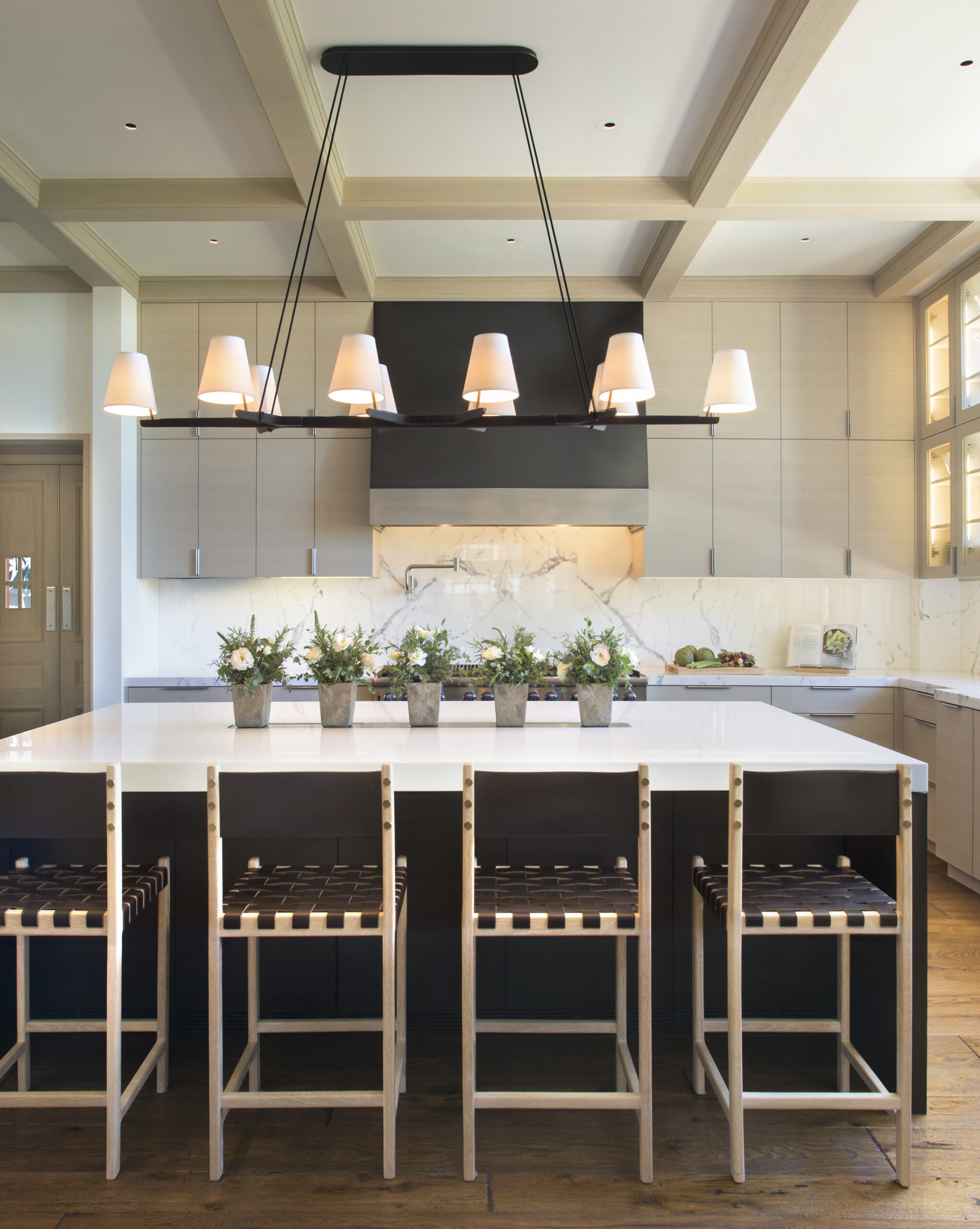
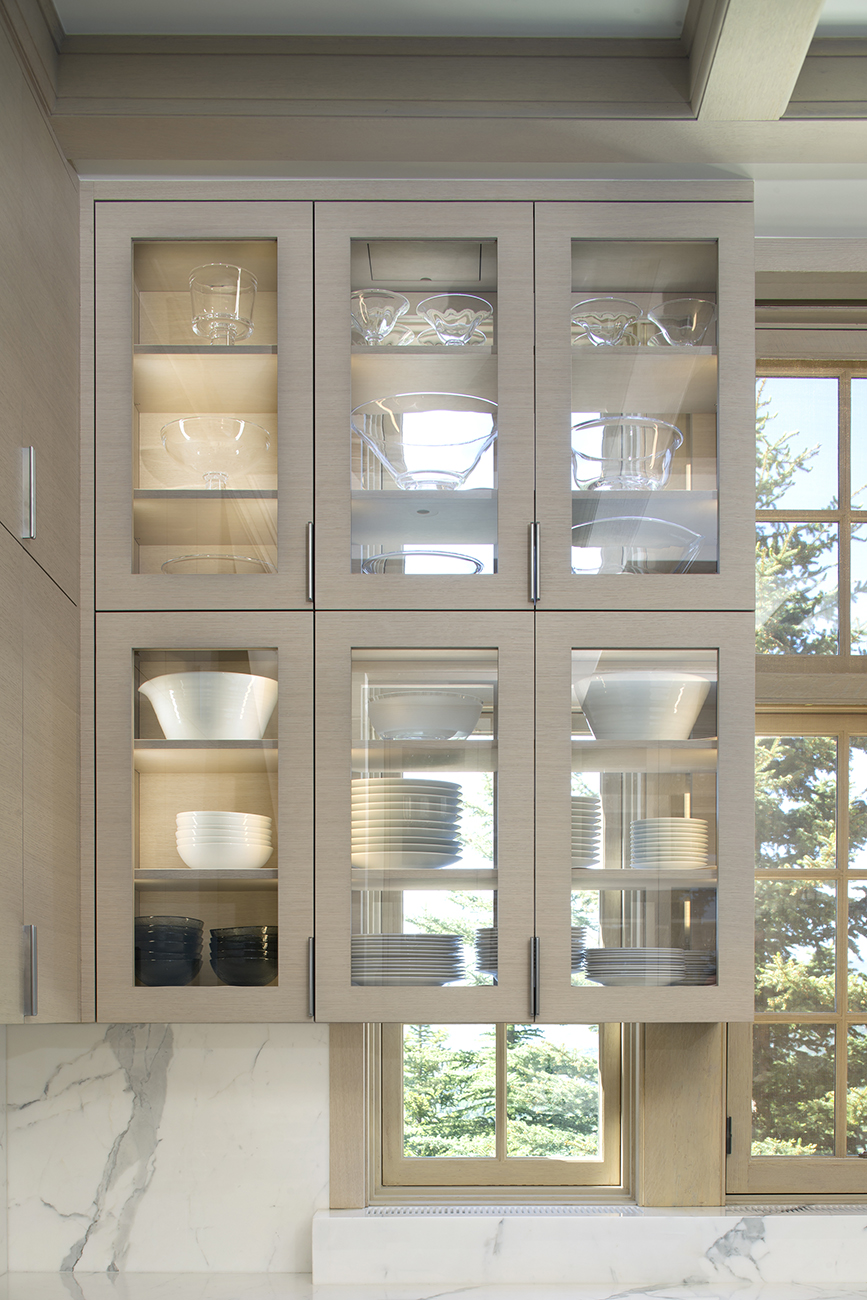
The ample kitchen was modernized and reworked to accommodate the personal needs of the owners, as well as for catering and entertaining purposes. Ceiling beams were added to enhance to the formal dining room. The hall to the primary bedroom was dramatically opened and a new bedroom seating area specified to take advantage of mountain views. Furniture selection was in collaboration with Atelier AM.
Upon completion, a tranquil, sophisticated setting reflects the sensibilities of the owners and embraces the serenity of the surrounding environment.
Project Size
7,874 SF (0.9 AC)
R+B Services
-
Architecture
-
Interior Architecture
Design Team
-
Interior Designer: Atelier AM
-
Contractor: Aspen Property Management
-
Photographer: Brent Moss

Mountain Sequel
The remodel of this significant mountainside home in Aspen, CO, which featured a formal layout and traditional detailing, successfully blends elements of old and new in every aspect with a clean material palette. In addition to updating finishes, the R+B team improved flow and storage areas throughout and created opportunities to display the owners’ extensive modern art collection.
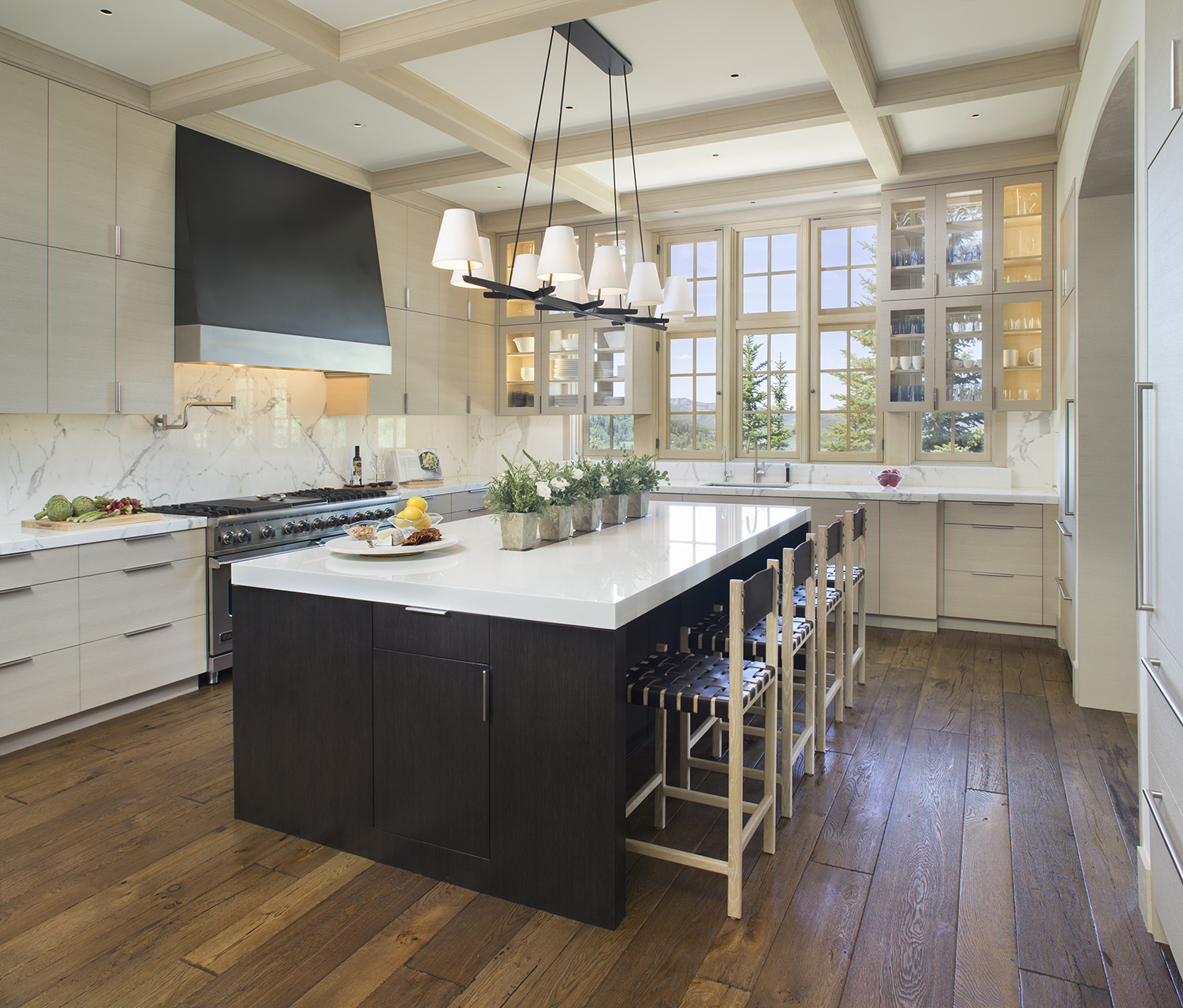
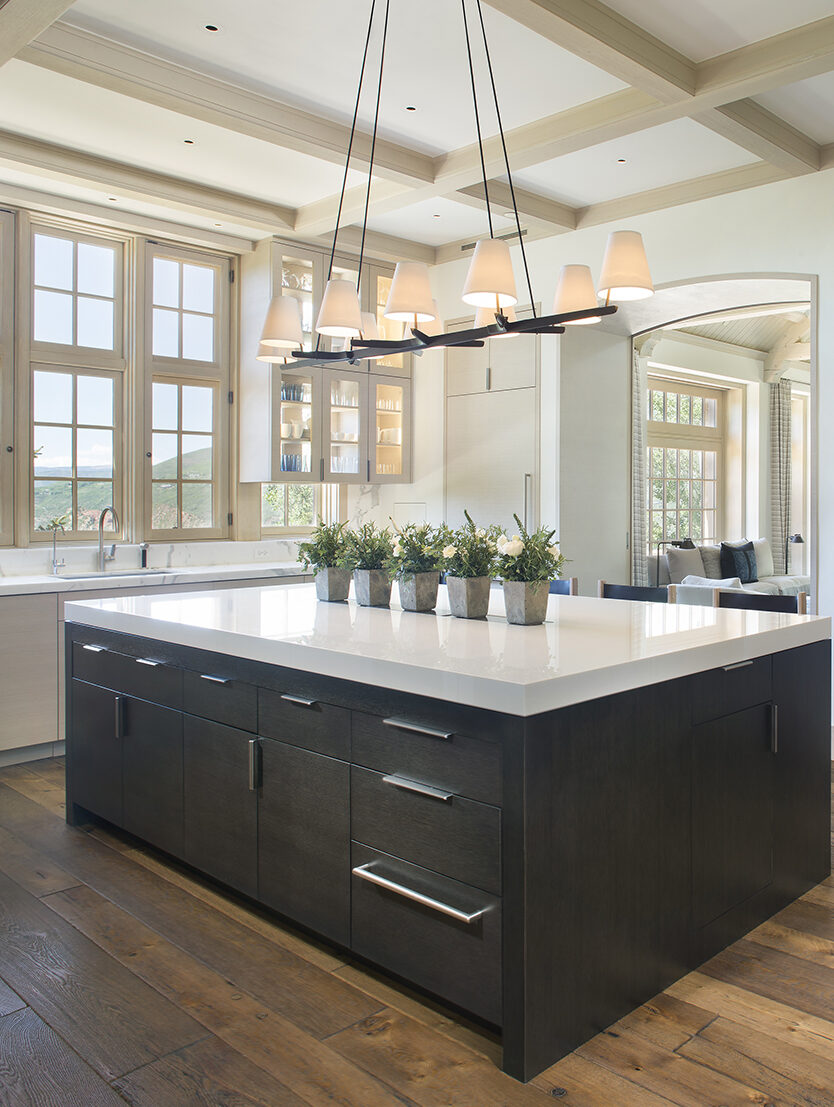
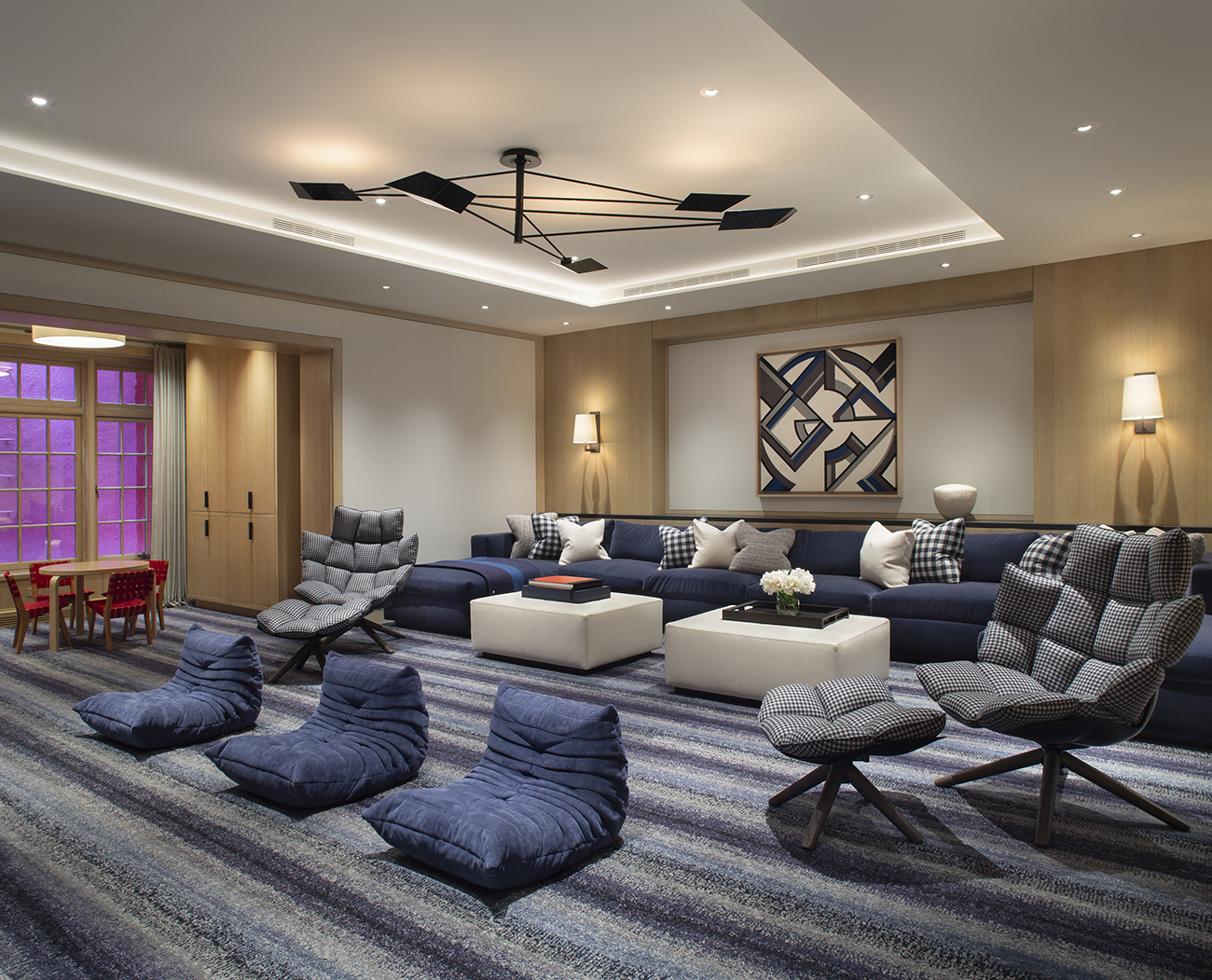
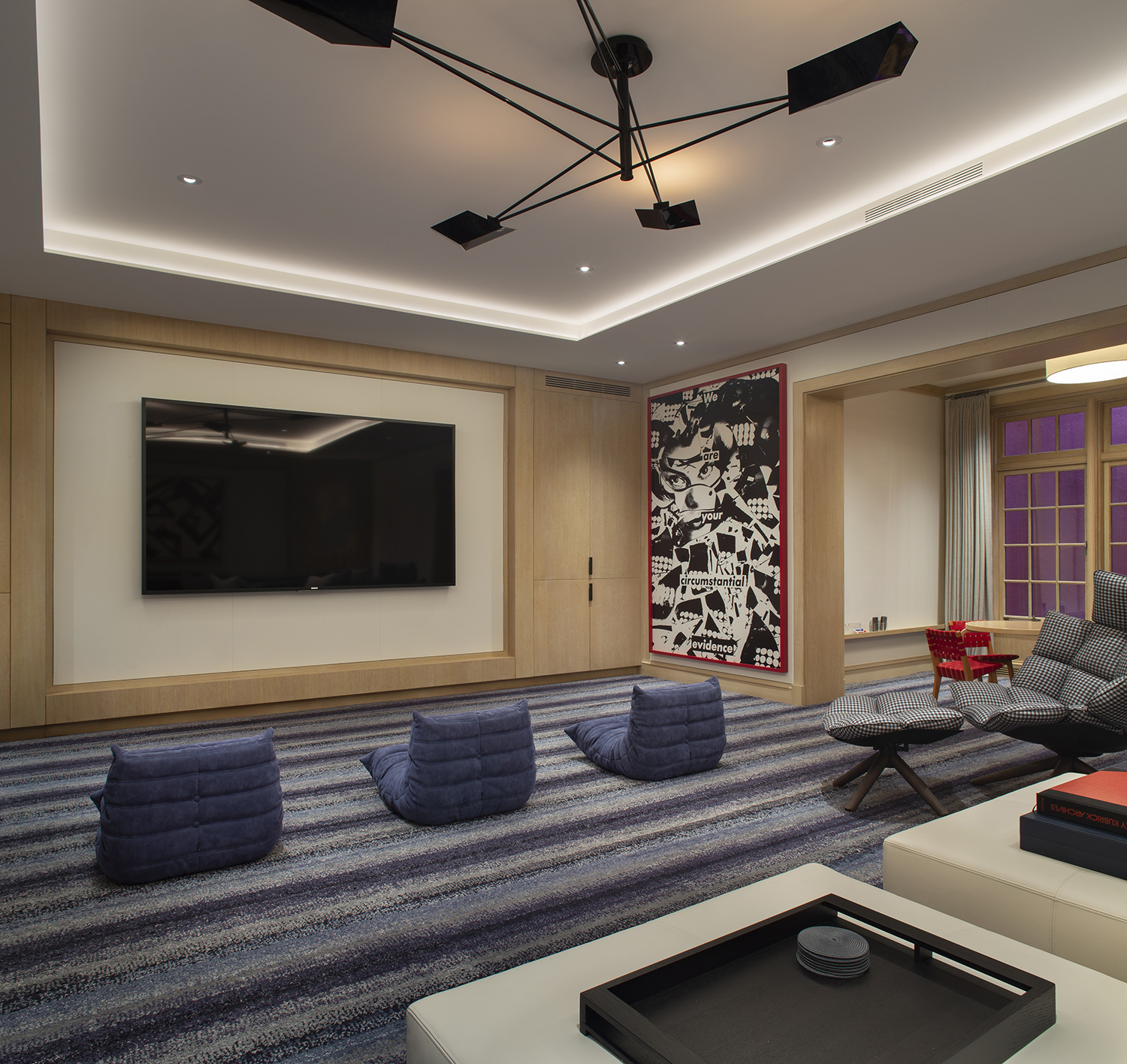
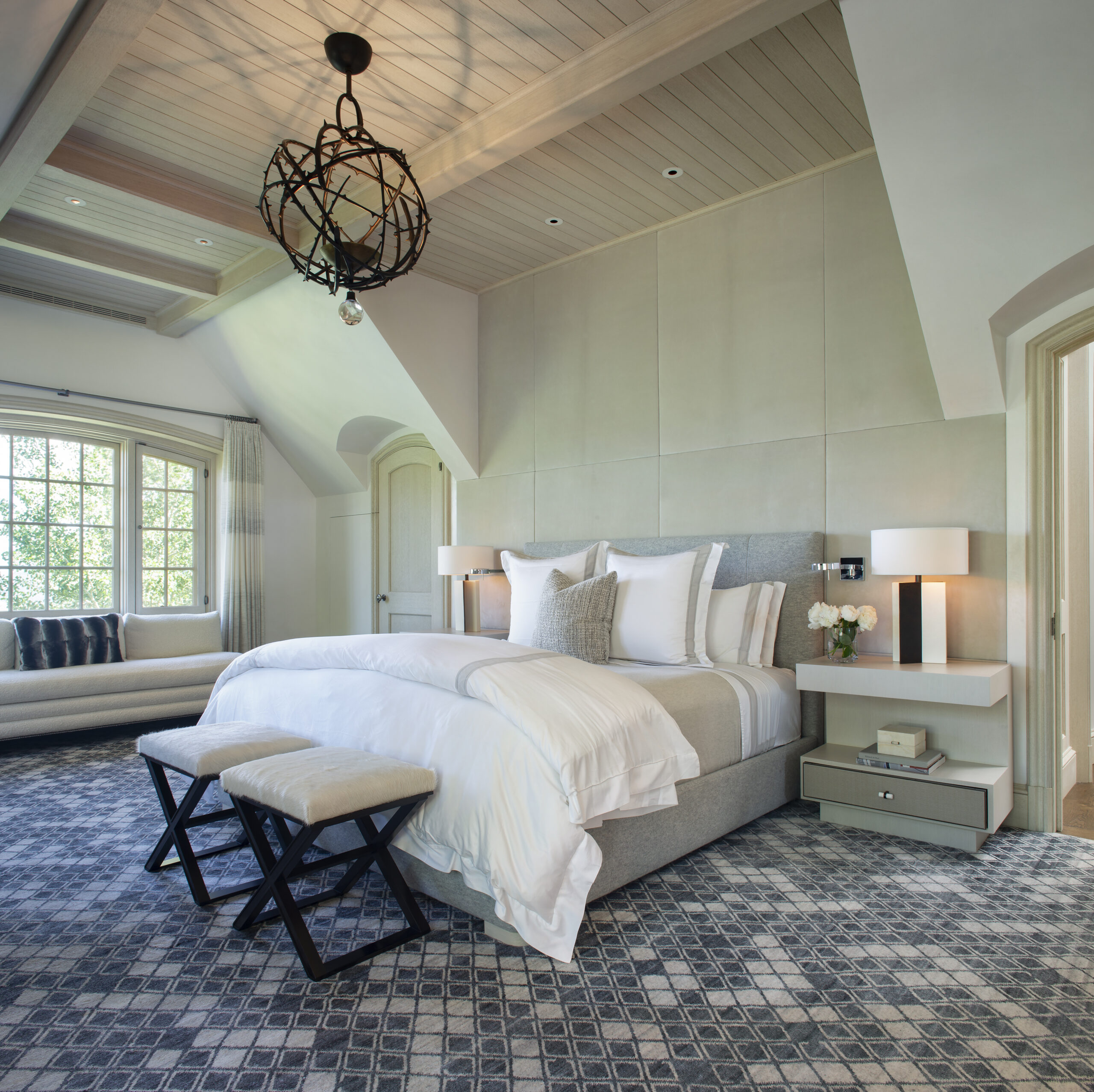
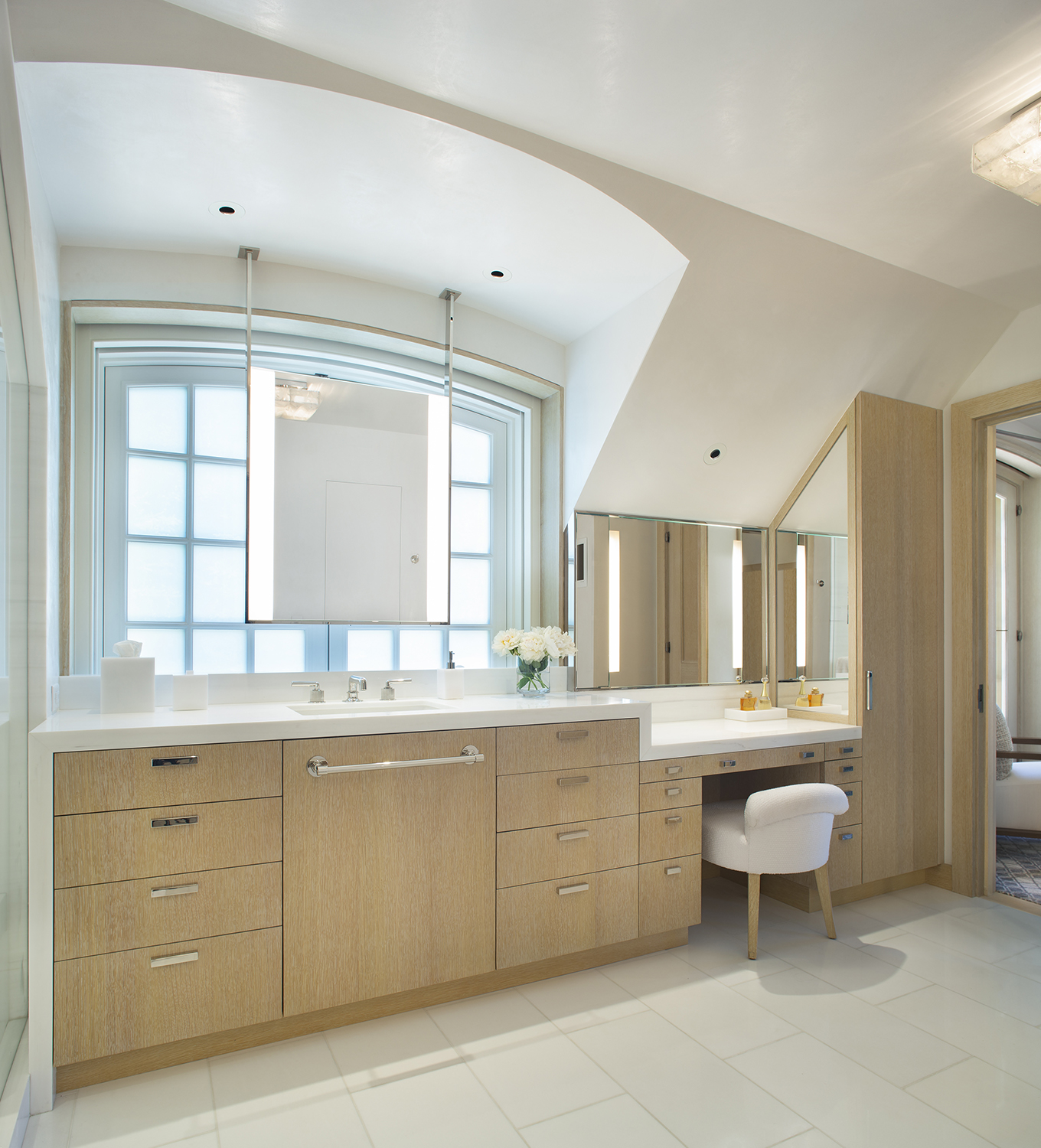
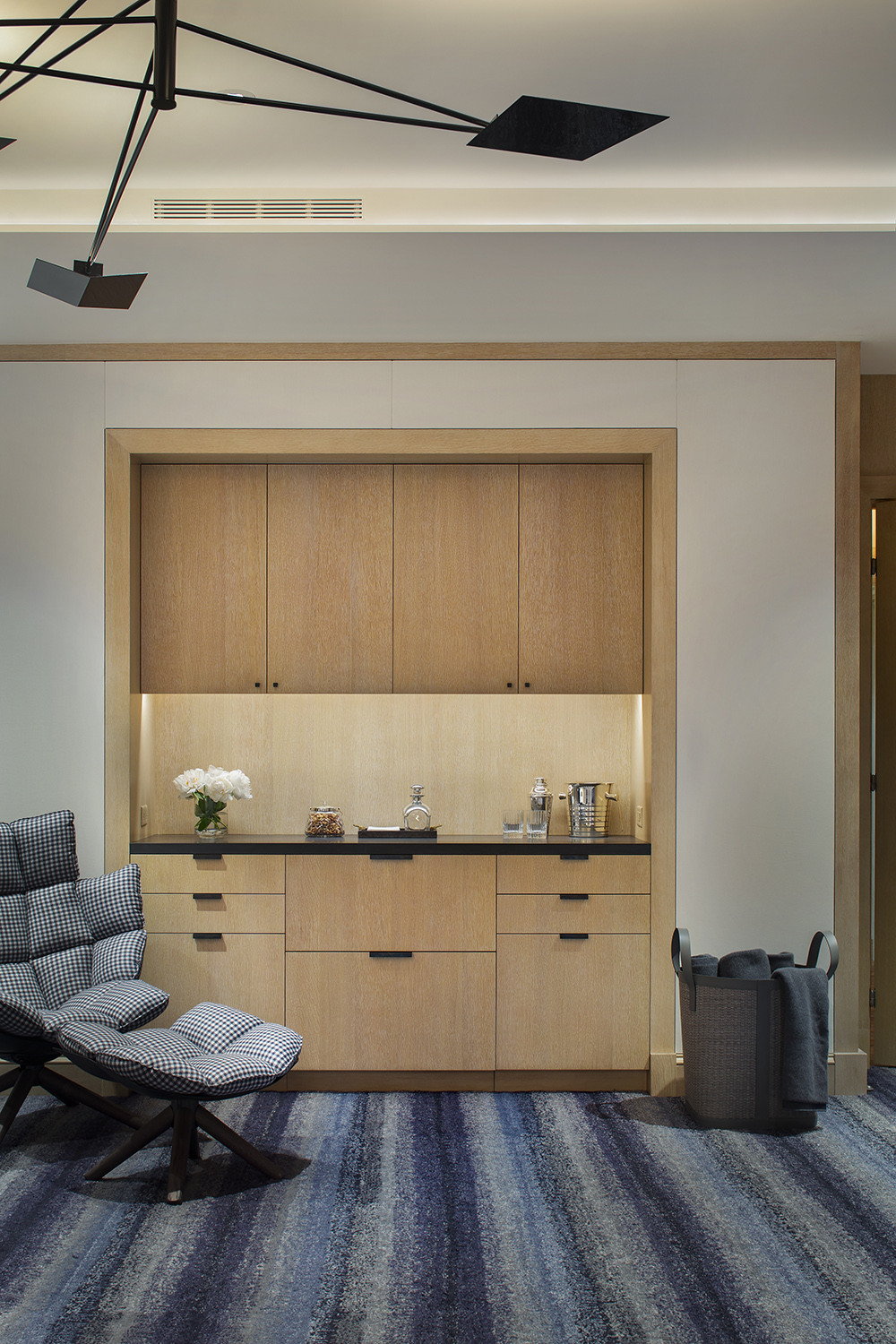
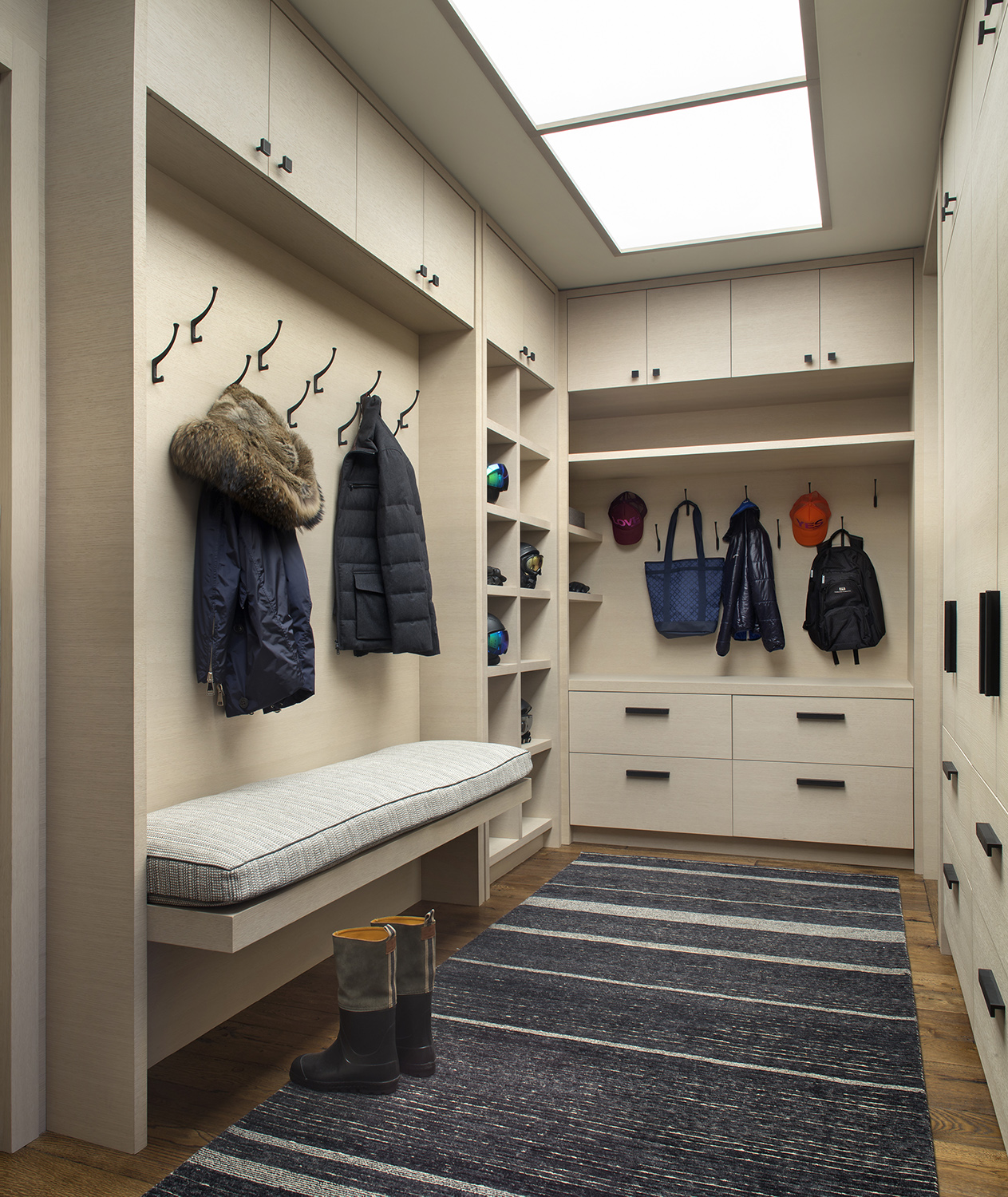
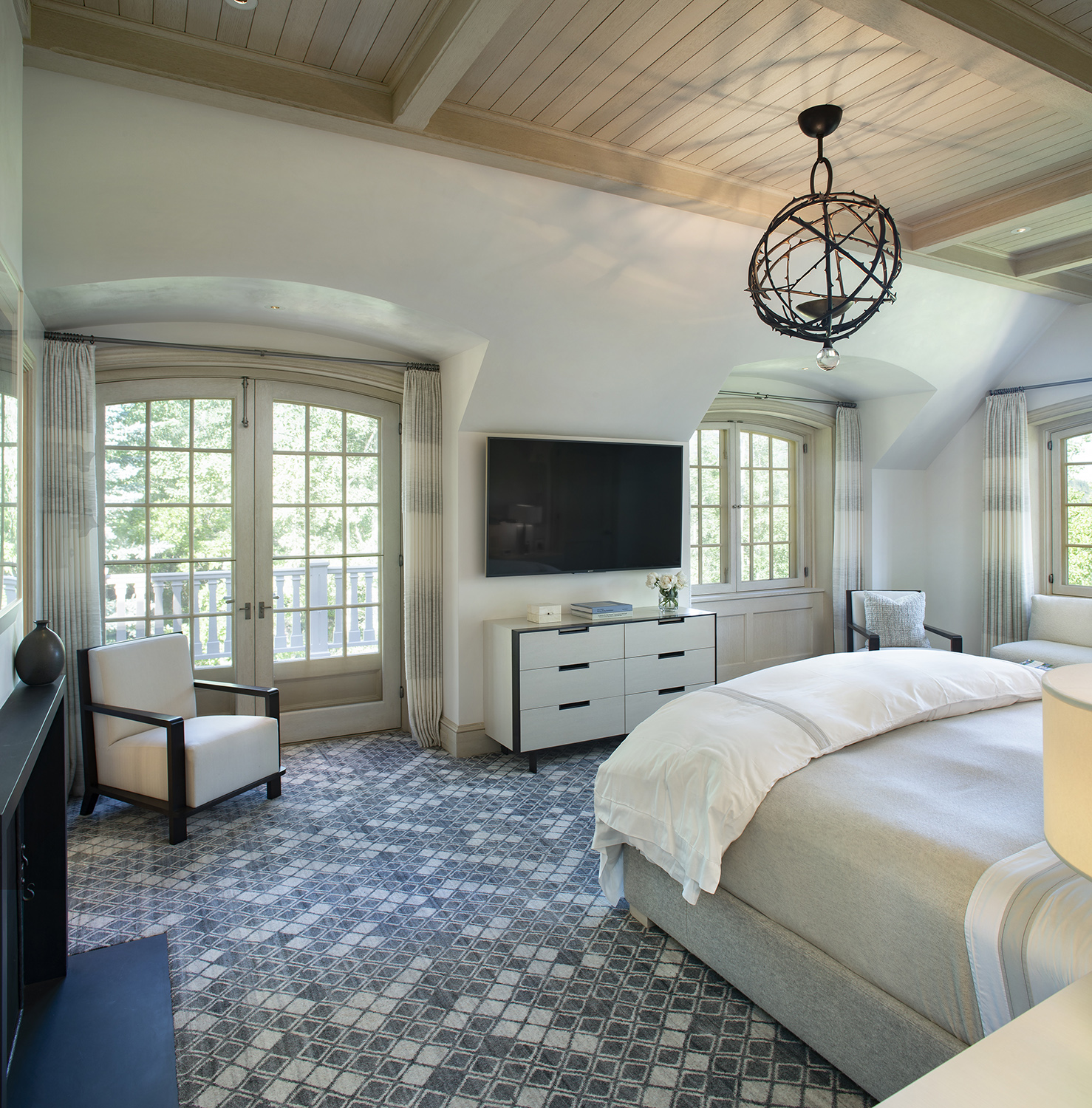
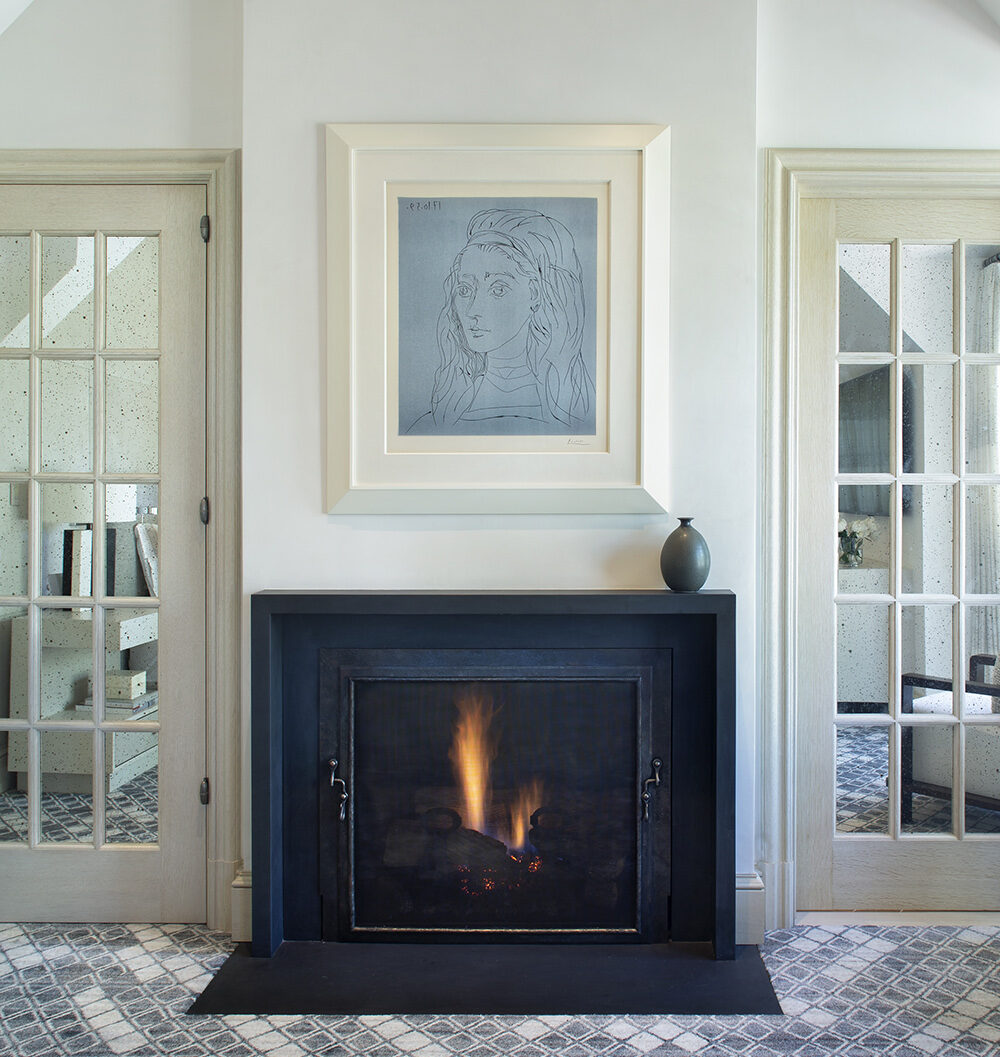
In the kitchen, spaces were rearranged to open up the floor plan by replacing a butler’s pantry with a wet bar and clever storage compartments. Saltillo tile flooring was replaced with white oak to match the existing public spaces, and the original cabinets were redone with updated white oak cabinets topped with Calacatta marble at the room’s perimeter. The kitchen island is equipped with warming drawers and outlets for catering larger gatherings and utilizes a Glassos slab top. In order to accommodate a large family, an adjoining mudroom was reorganized and outfitted with storage solutions for multiple family members. The media room features updated millwork, including a new bar area and storage for games and toys, as well as a new lighting system. Design elements in the master bedroom and bathroom include maximizing storage within the roof and dormer spaces of the upper floor, while incorporating clean detailing that update these spaces such as wool and silk carpet, white plaster walls, and black slate fireplace surround.
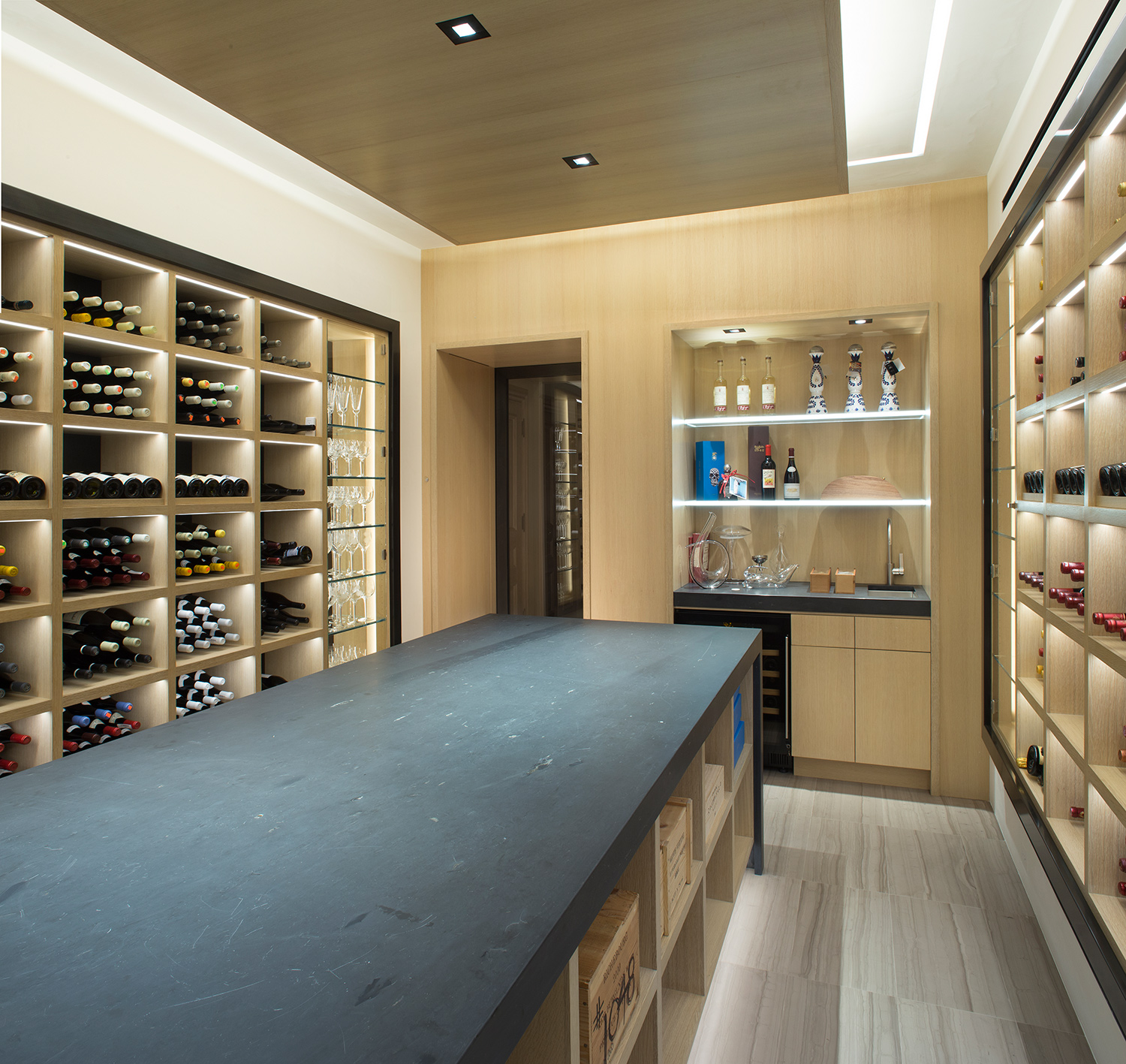
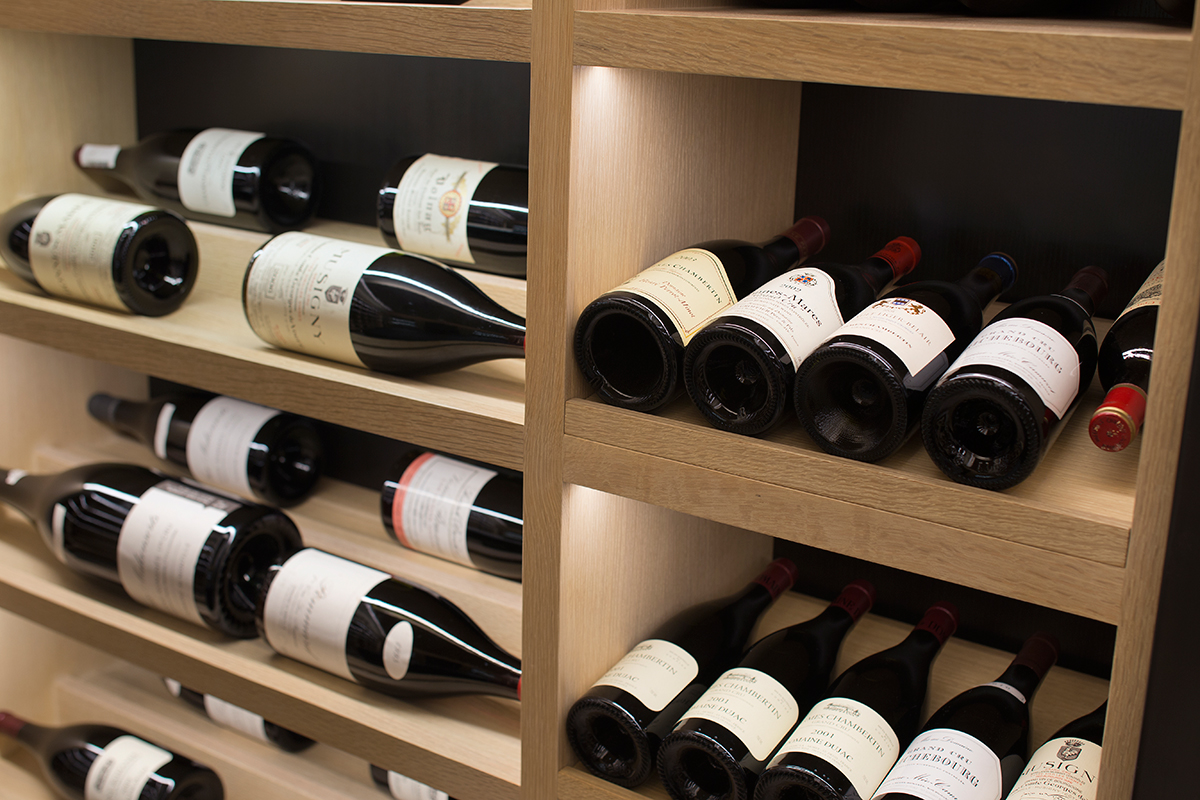
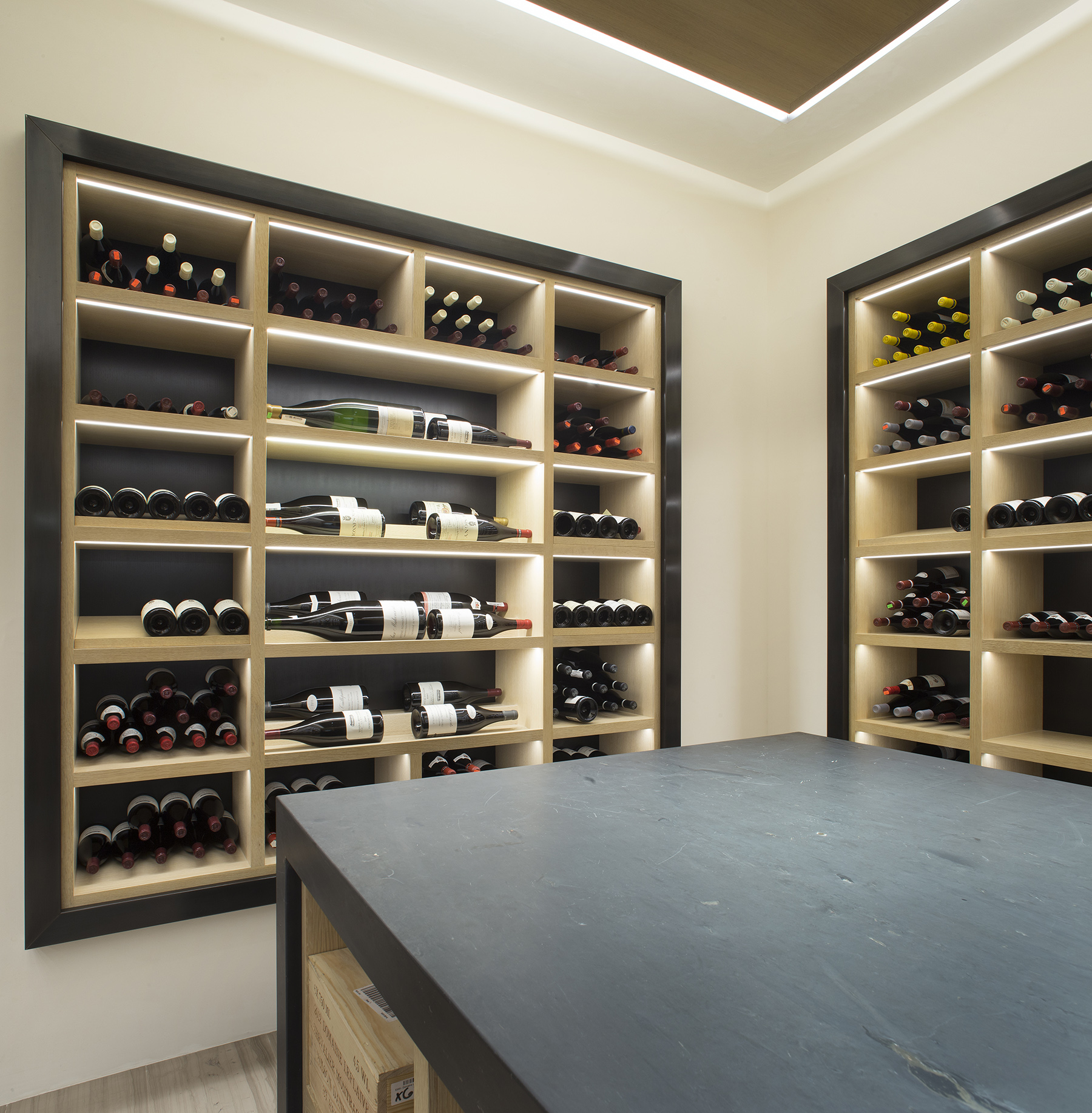
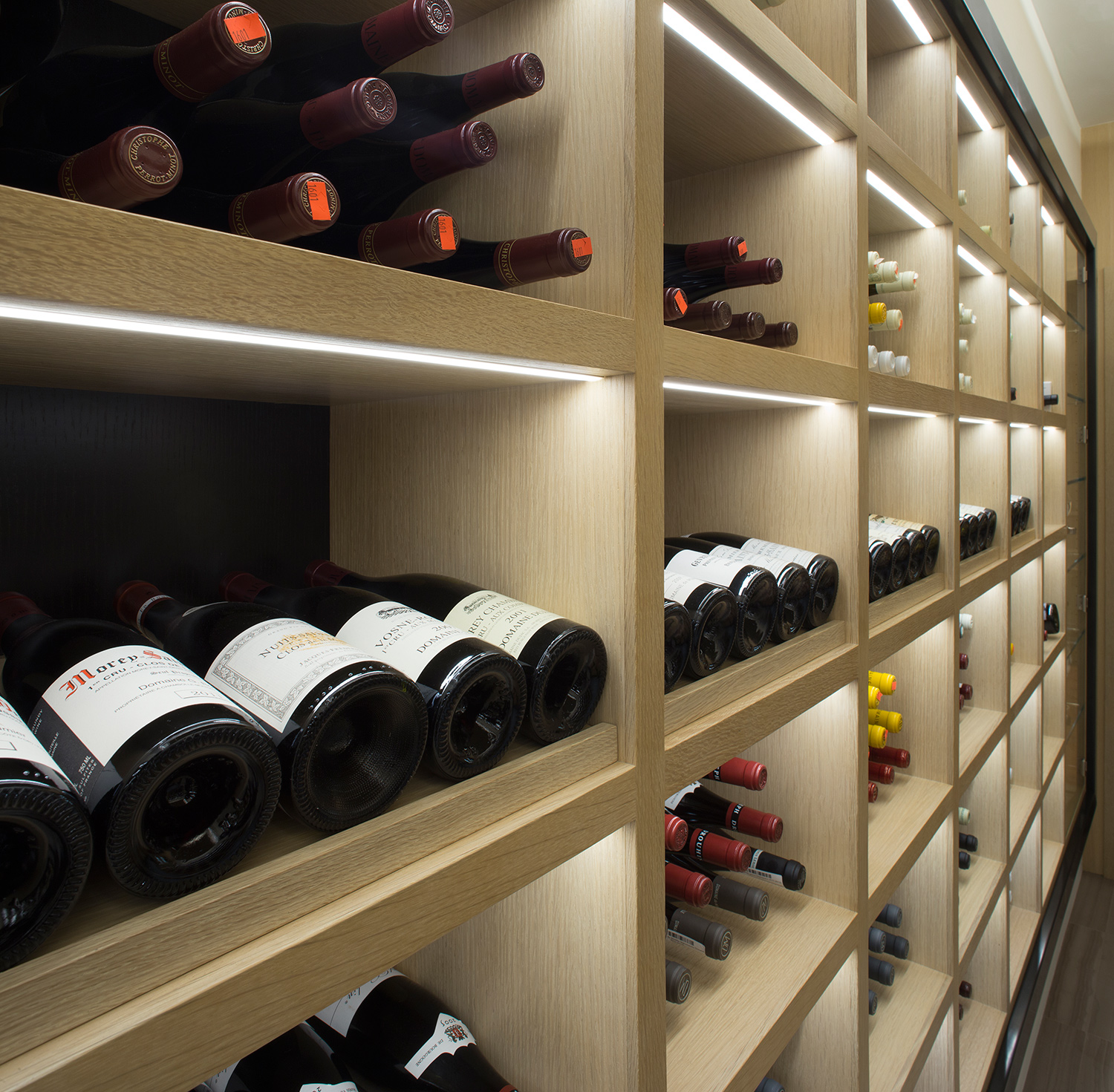
R+B also transformed an existing Old World style home wine cellar into a refined, functional space for storing and showcasing a significant wine collection. Uniform grids of white oak bins are recessed into the wall and framed in blackened steel. The centerpiece is a substantial display table made of honed black slate with a waterfall edge countertop and additional built-in storage. A white oak ceiling cloud centered over the display table and featuring hidden light coves provides additional depth to the space. New humidity and temperature control systems, and a fingerprint scanner linked to the home’s security system, are state-of-the-art.
Project Size
10,734 SF (2.3 AC)
Publications
R+B Services
-
Architecture
-
Interior Design
-
Renderings
Project Team
-
Interior Designer: Victoria Hagan Interiors
-
Lighting Designer: Robert Singer & Associates
-
Structural Engineer: Jobe Systems
-
Mechanical Engineer: BG Designworks
-
Civil Engineer: S.K. Peightal Engineers
-
Photographer: Brent Moss
-
Contractor: Harriman Construction
-
Contractor: Schlumberger Scherer Construction


Mossywoods
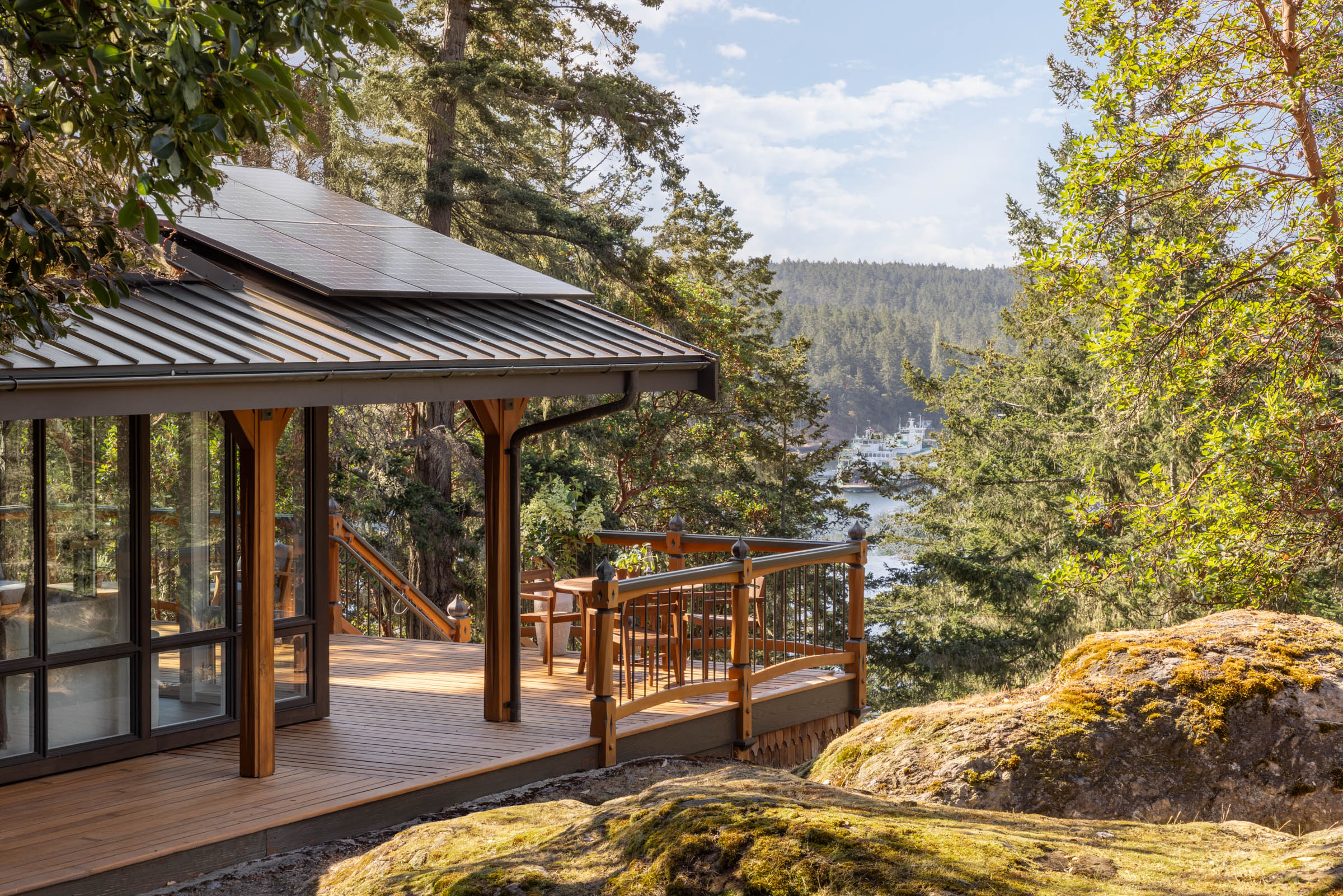
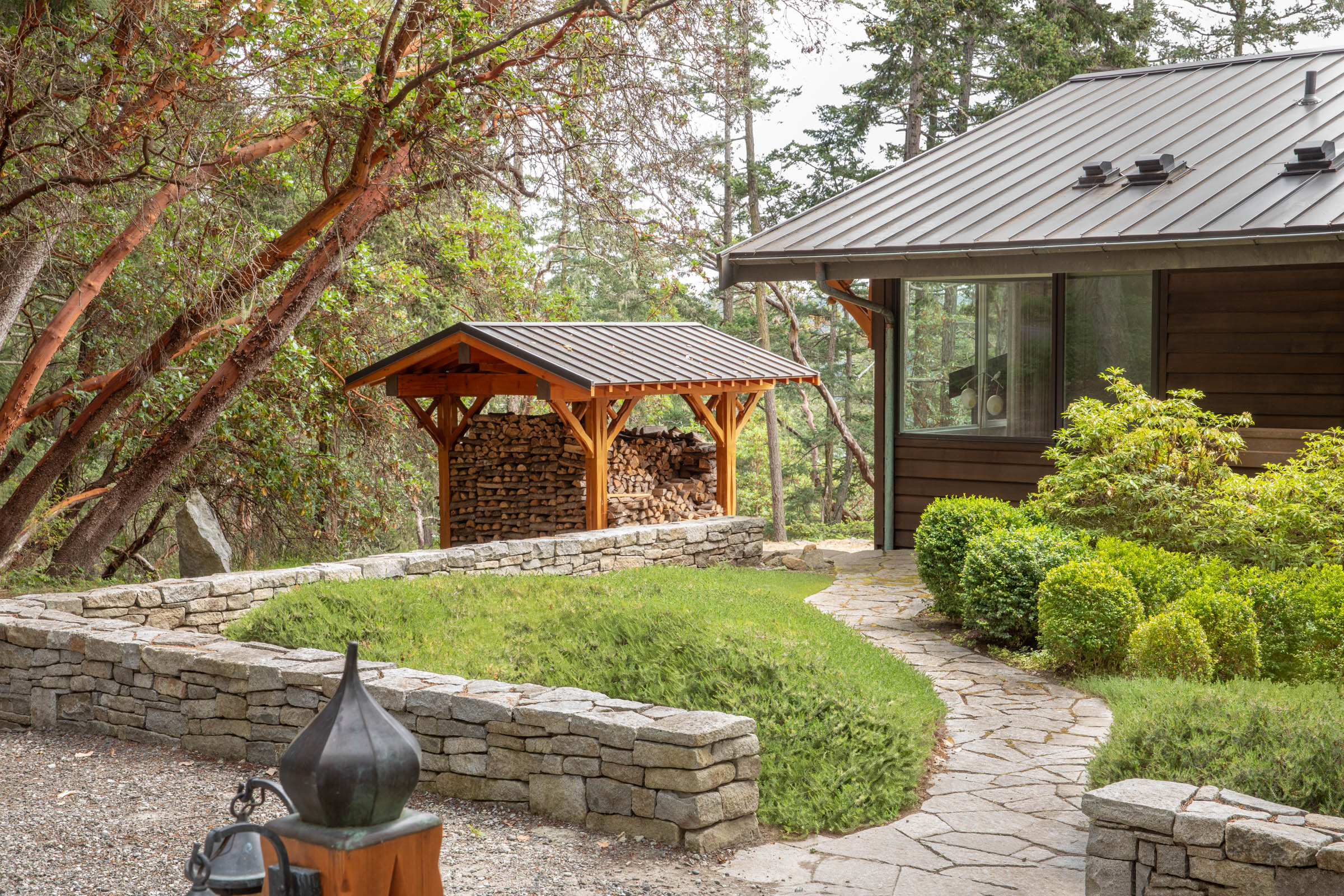
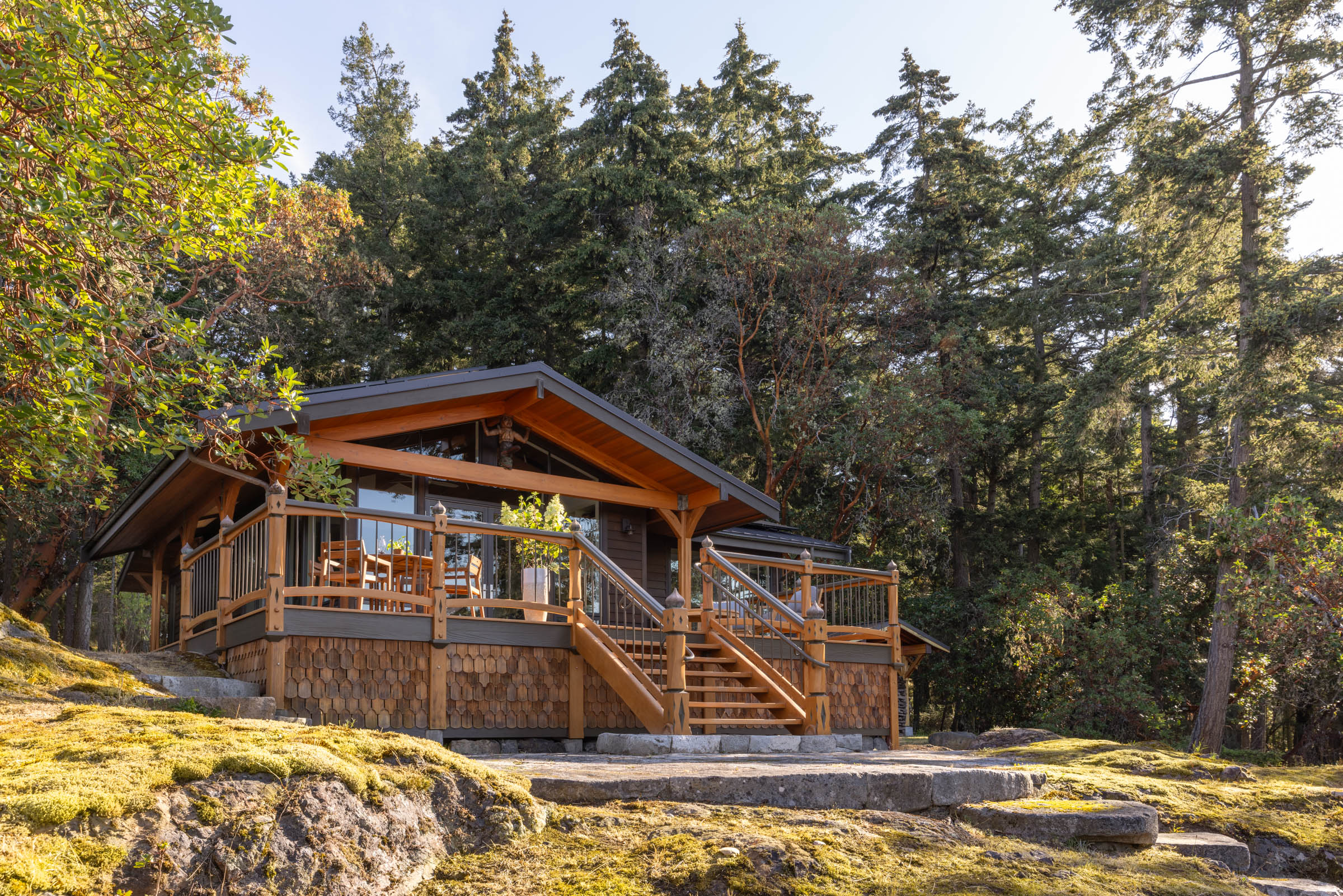
On Orcas Island, the largest of the San Juan Islands of the Pacific Northwest and colloquially known as “the gem of the San Juans,” this intimate 1,200 square foot “getaway” cottage is set on a forested site within a long-time family farm.
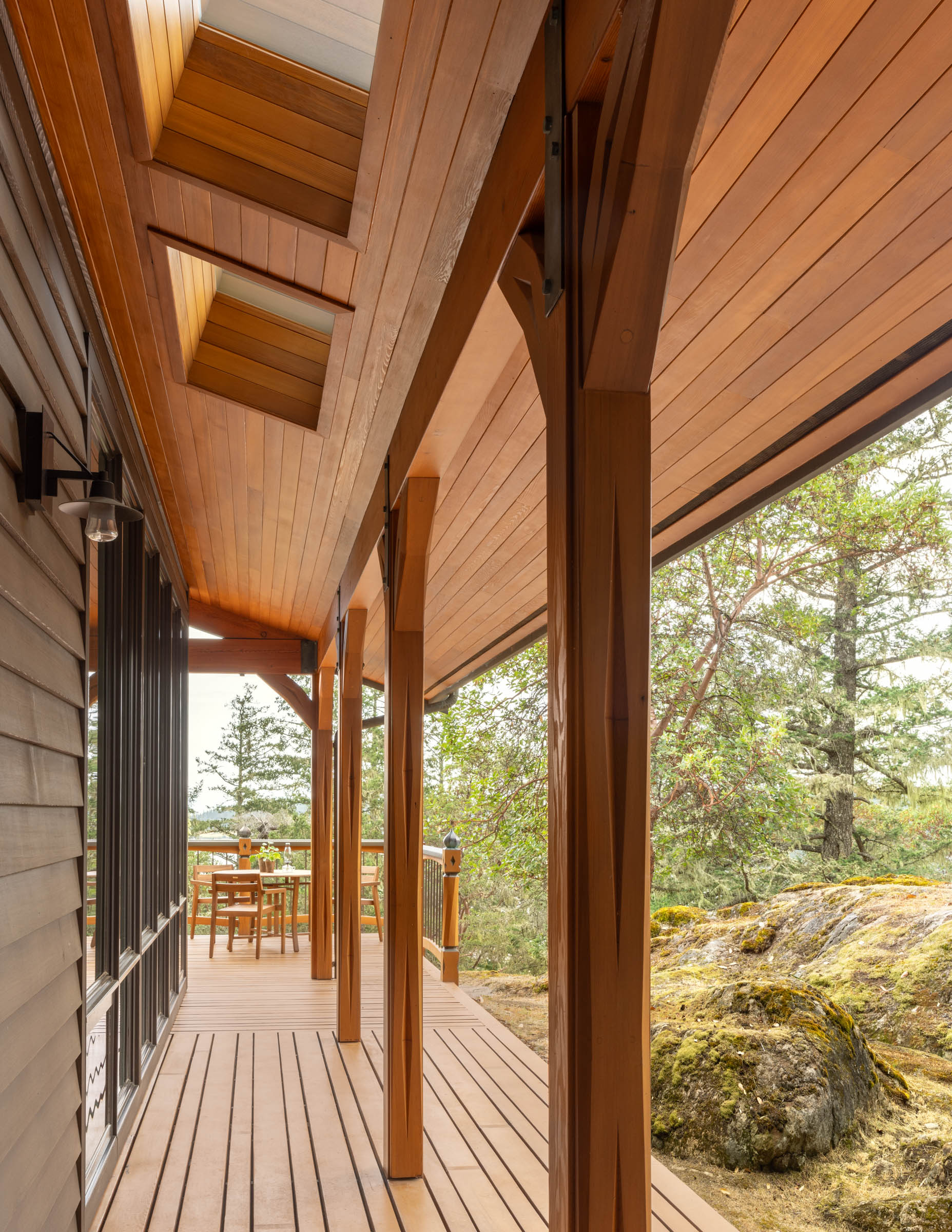
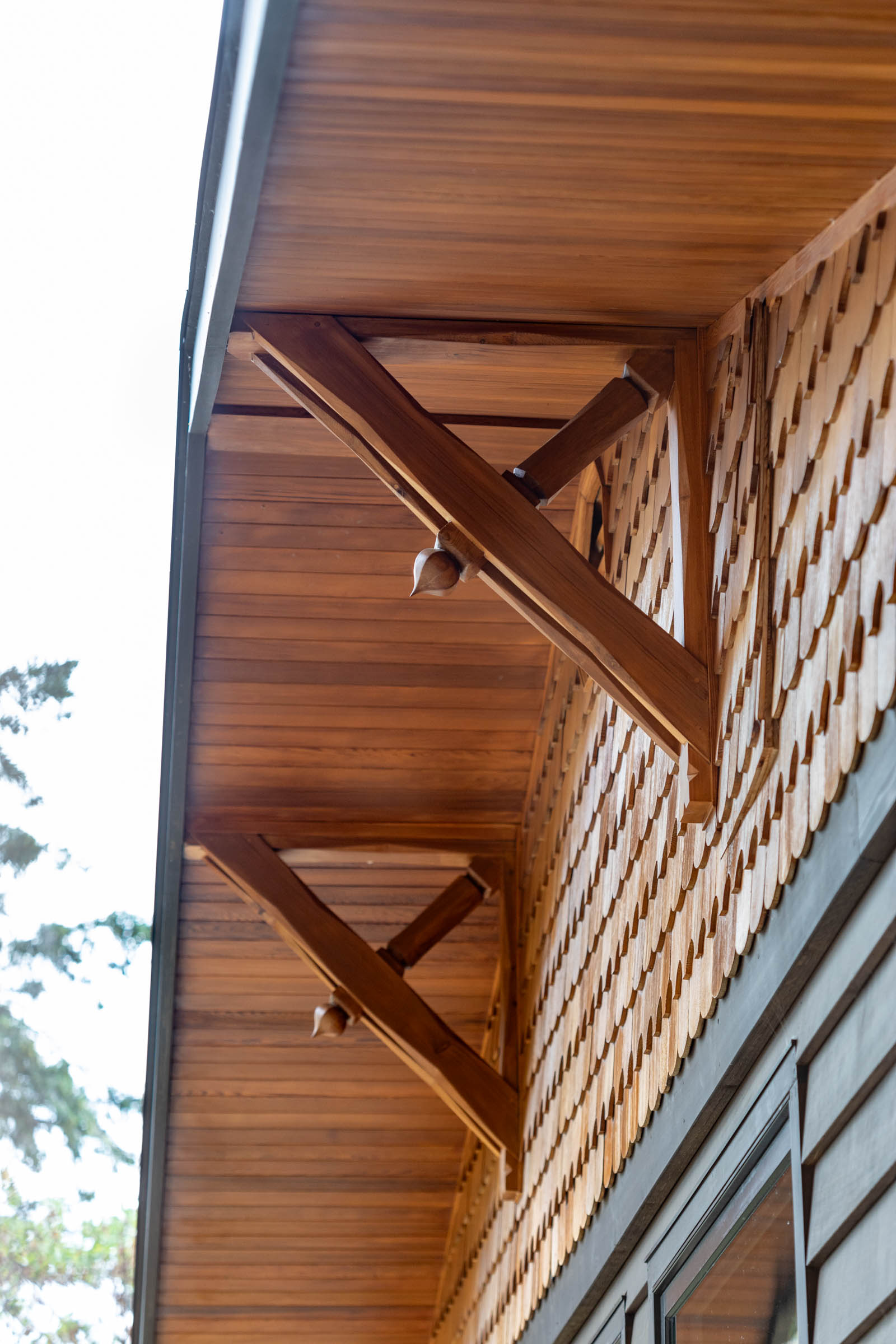
With the challenge of restoring and contemporizing the original structure while preserving its innate charm, the design team repurposed scalloped wood shingles and other exterior wood working details handcrafted by the owner-couple’s family. Multi-color siding was replaced for a more monochromatic aesthetic to draw focus to the natural surroundings.
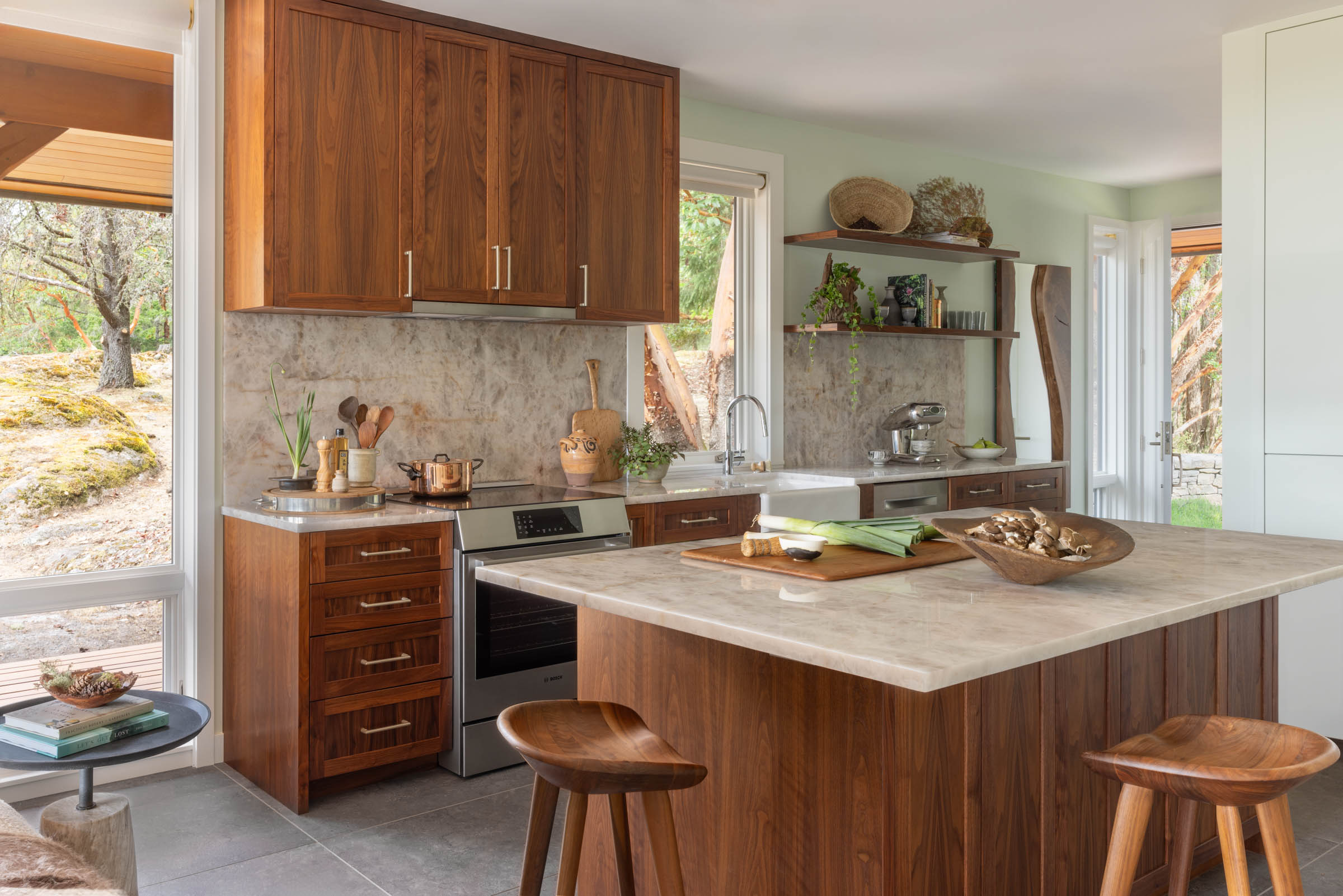
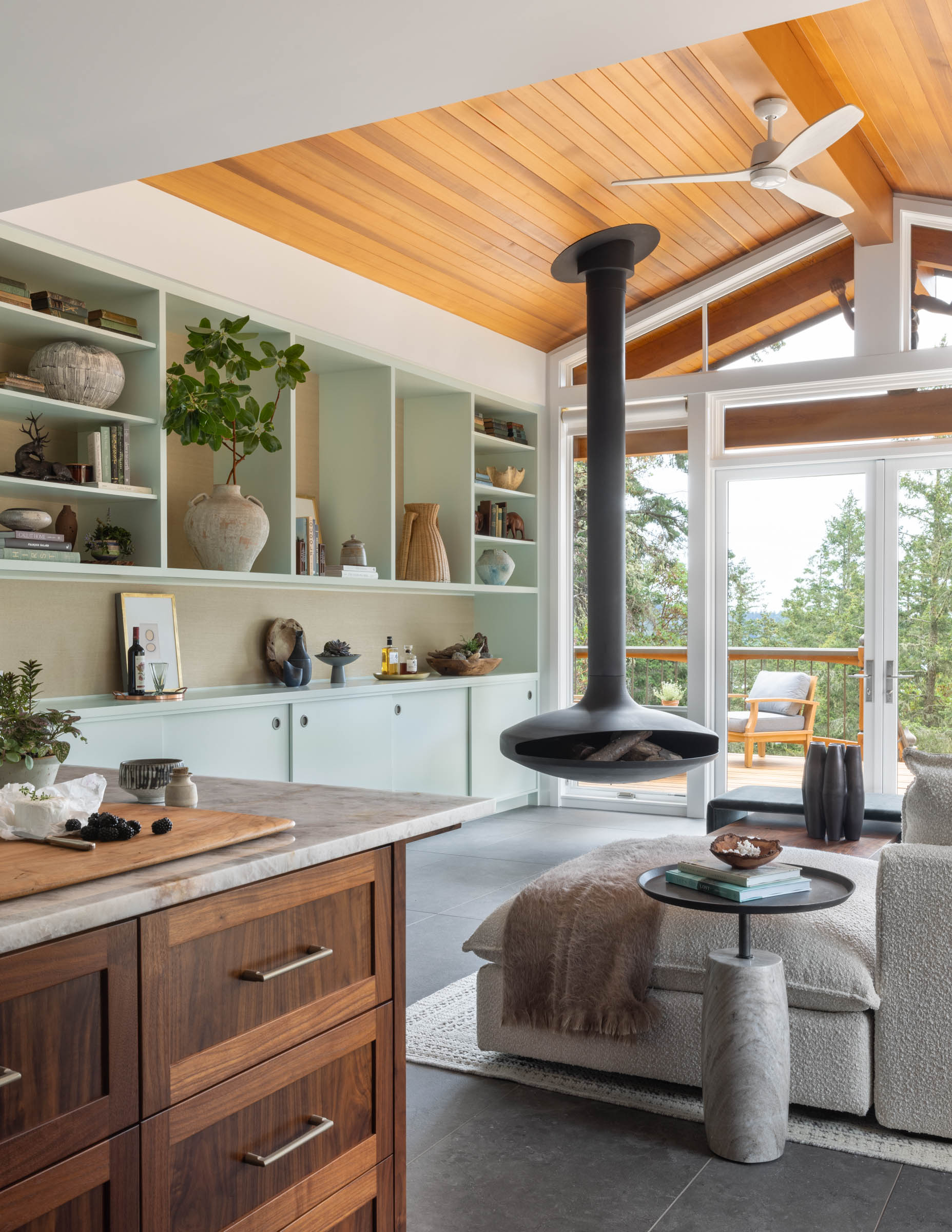
Inside, a complete remodel is marked by the addition of sidelights flanking the new, repositioned wood front door, a custom live-edge walnut mirror, and a built-in bench with open cubbies. Beyond the centrally located open kitchen, complete with a quartzite topped walnut cabinet system and island, the main living area features extensive storage and library space. Ample seating offers plenty of room for settling in with a book and warming by the modern suspended fireplace.
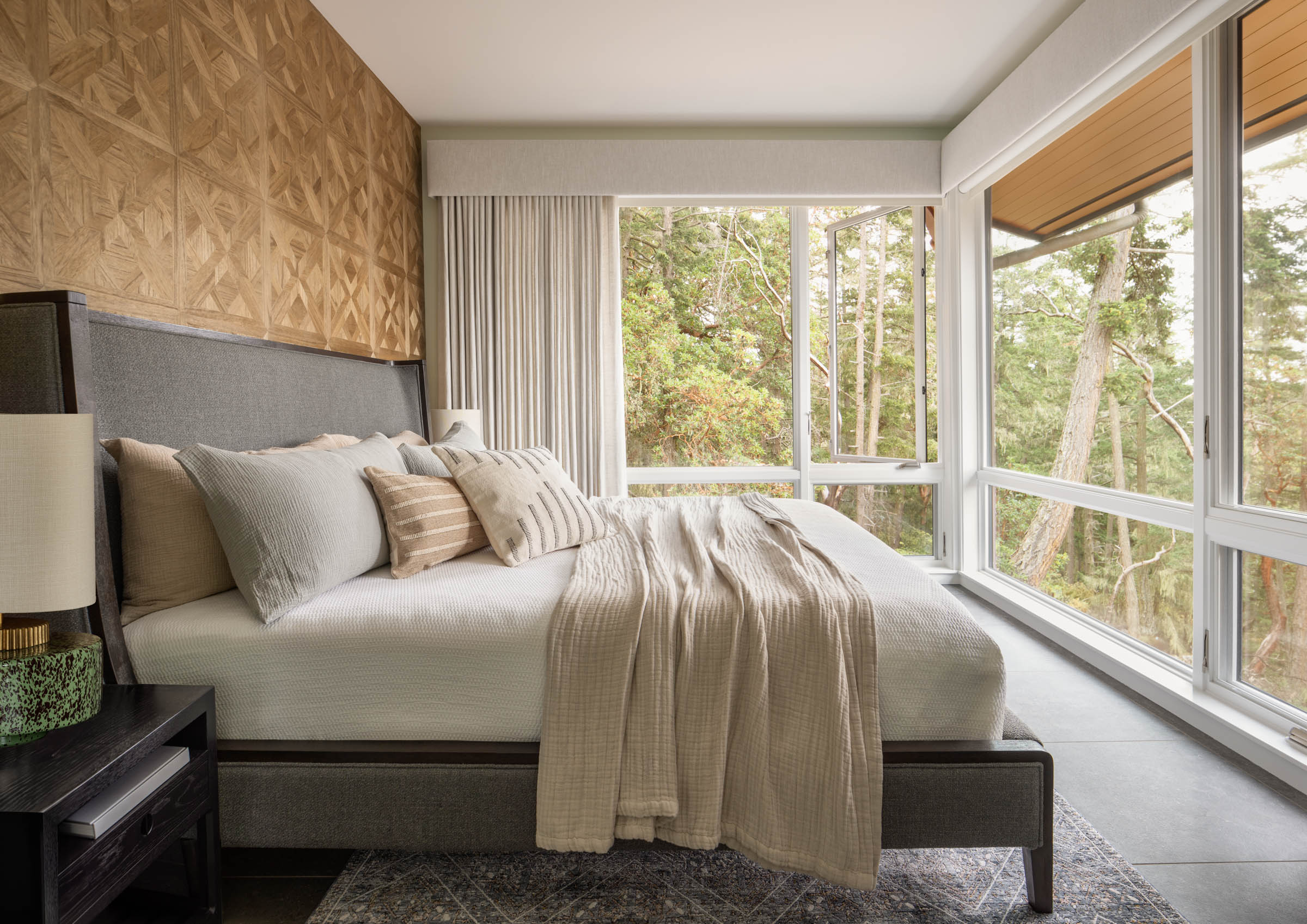
Flooring throughout is durable large format porcelain tile, selected to withstand muddy Pacific Northwest dog paws and the area’s variable weather. Existing exterior cedar was repurposed/refinished and new matching cedar was specified for the living area ceiling and exterior soffits. Additional rooms include the main bedroom suite and a flexible guest suite.
Project Size
2,200 SF (4.3 AC)
Project Awards
-
LUXE Magazine – RED Awards
Publications
R+B Services
-
Architecture
-
Interior Design
-
Furnishings / Procurement
Project Team
-
Structural Engineer: Eclipse
-
Electrical Engineer: Friday Harbor
-
Photographer: Lisa Romerein
-
Contractor: Lorne Paulson
-
Contractor: Dovetail


Victorian Square
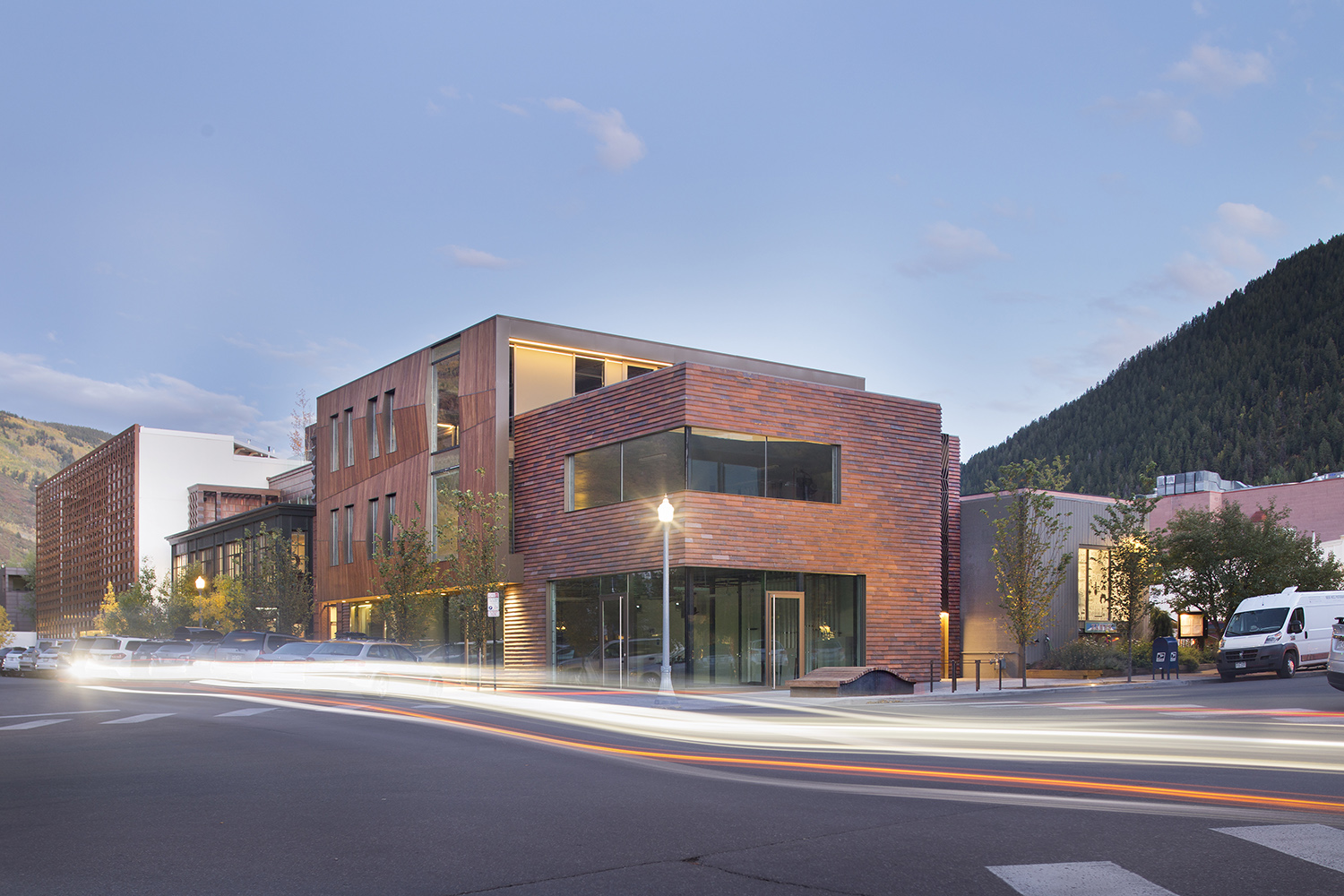
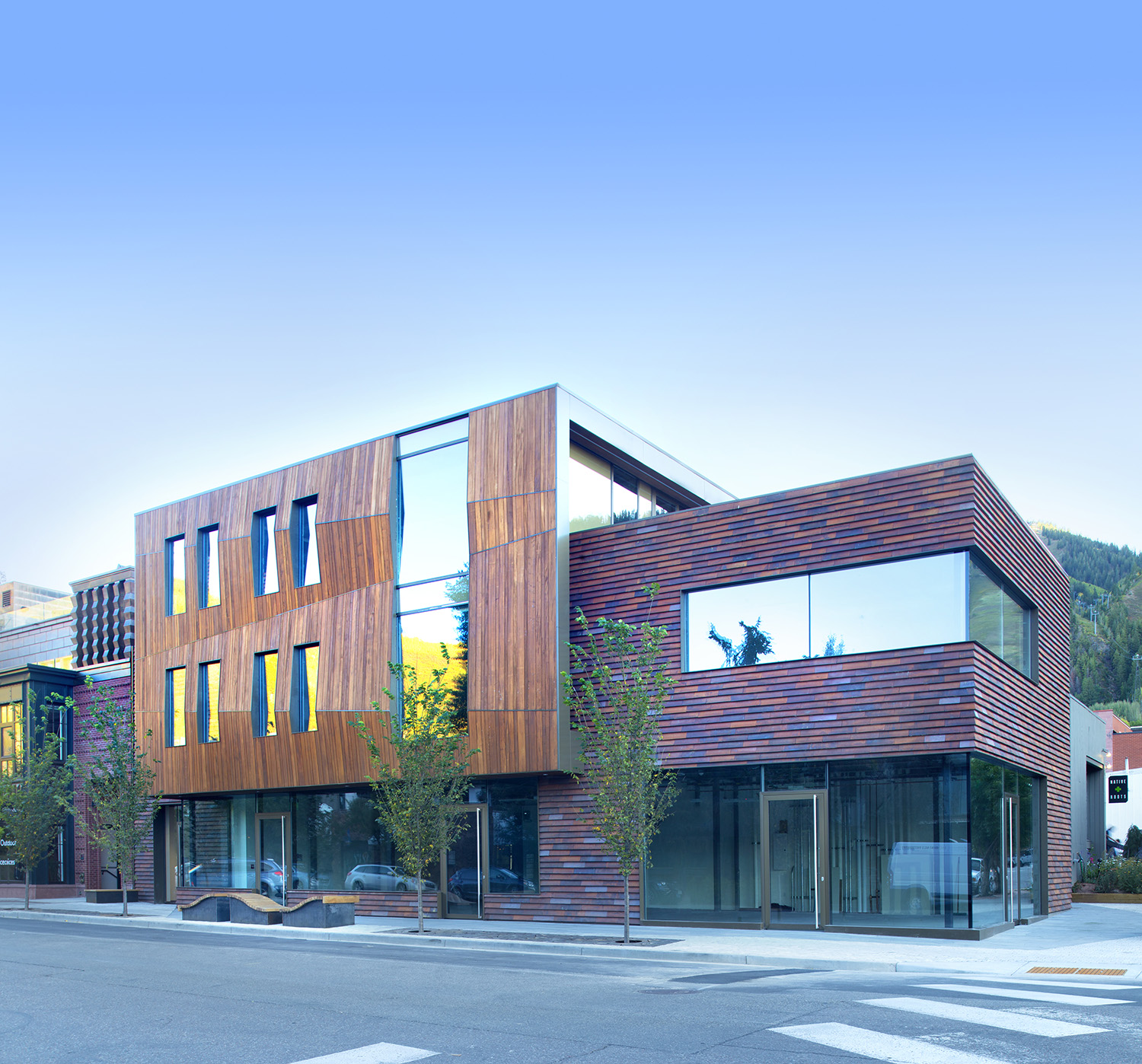
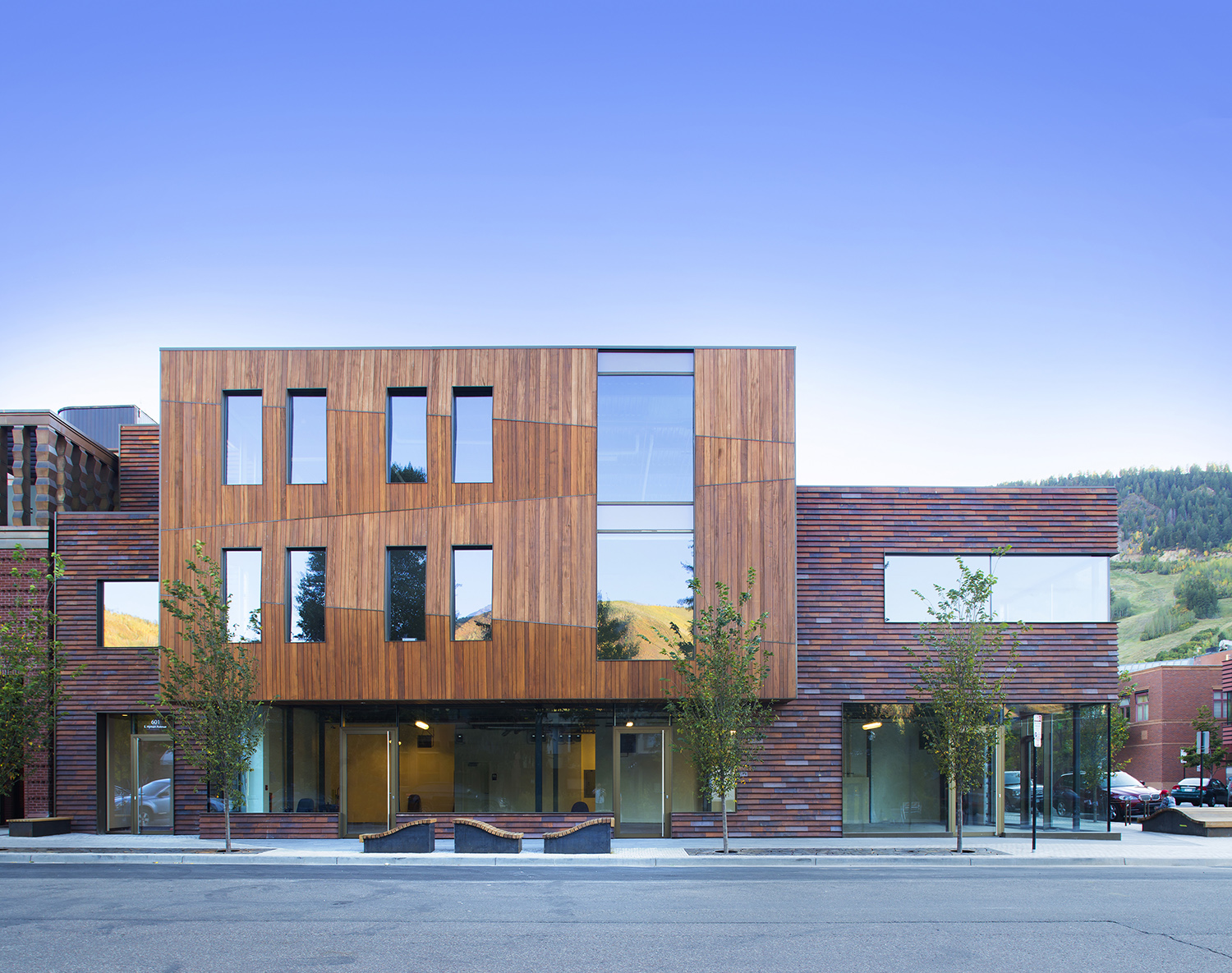
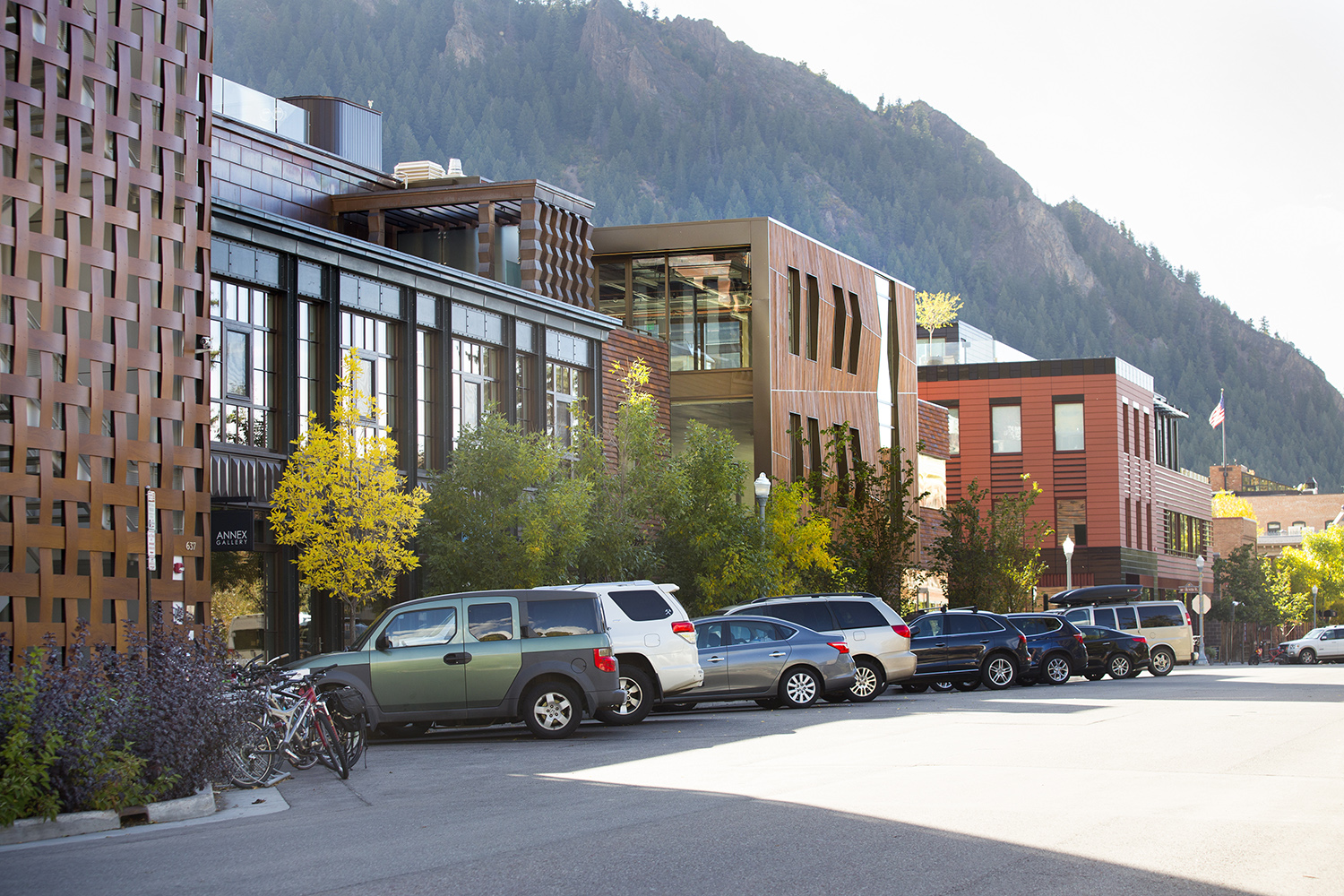
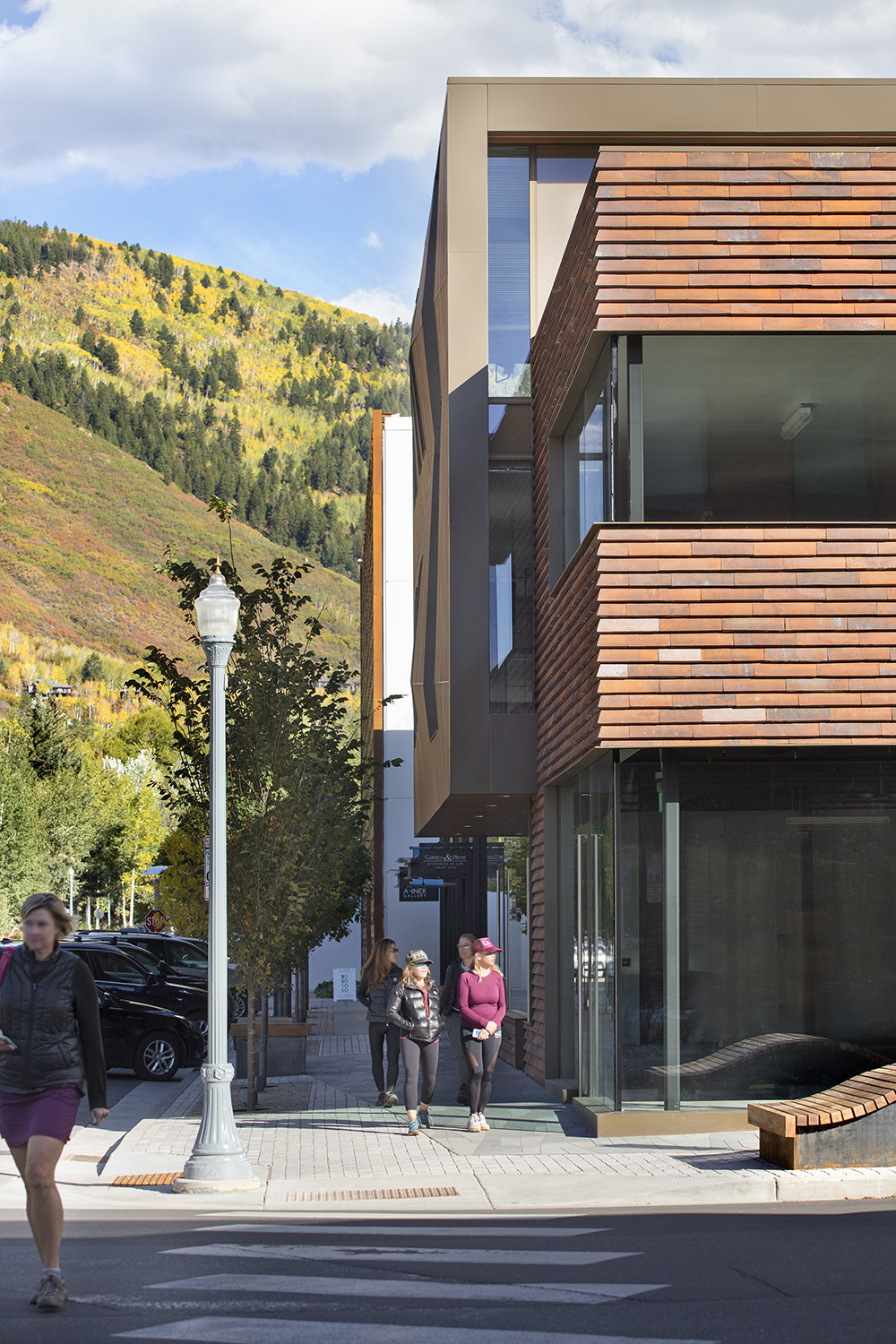
The concept for Victorian Square is inspired by a nearby backcountry skiing haunt referred to by locals as “The Pillow Factory”. The highlight of this area is the countless snow-covered rock outcroppings (pillows) that gently step down the slope with skiers playfully bouncing down the terrain from one pillow to the next. We sought to abstract the inherent qualities of a typical pillow where the snow is softly suspended over the mass of the rock, revealing the stratified lines of past snow falls.
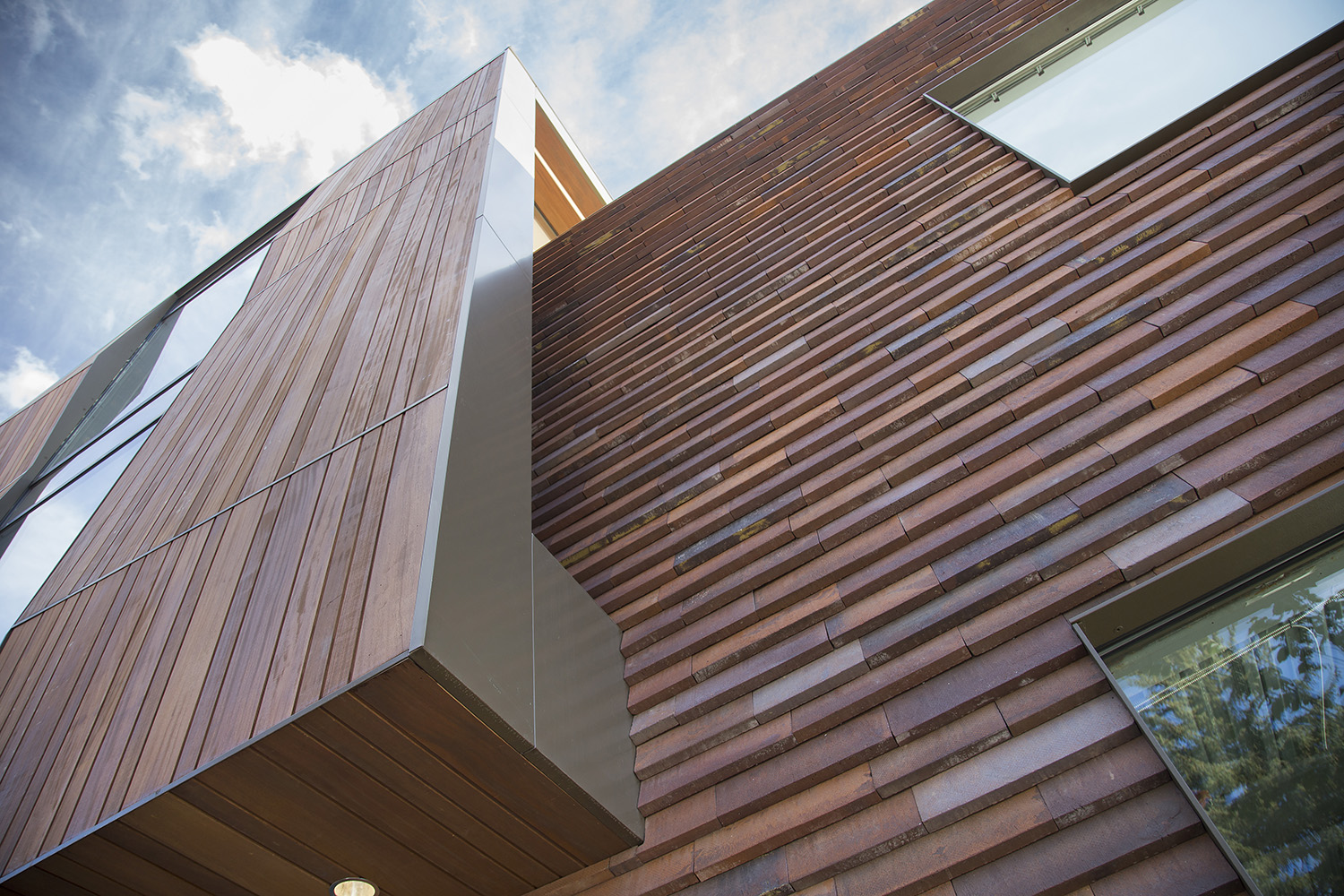
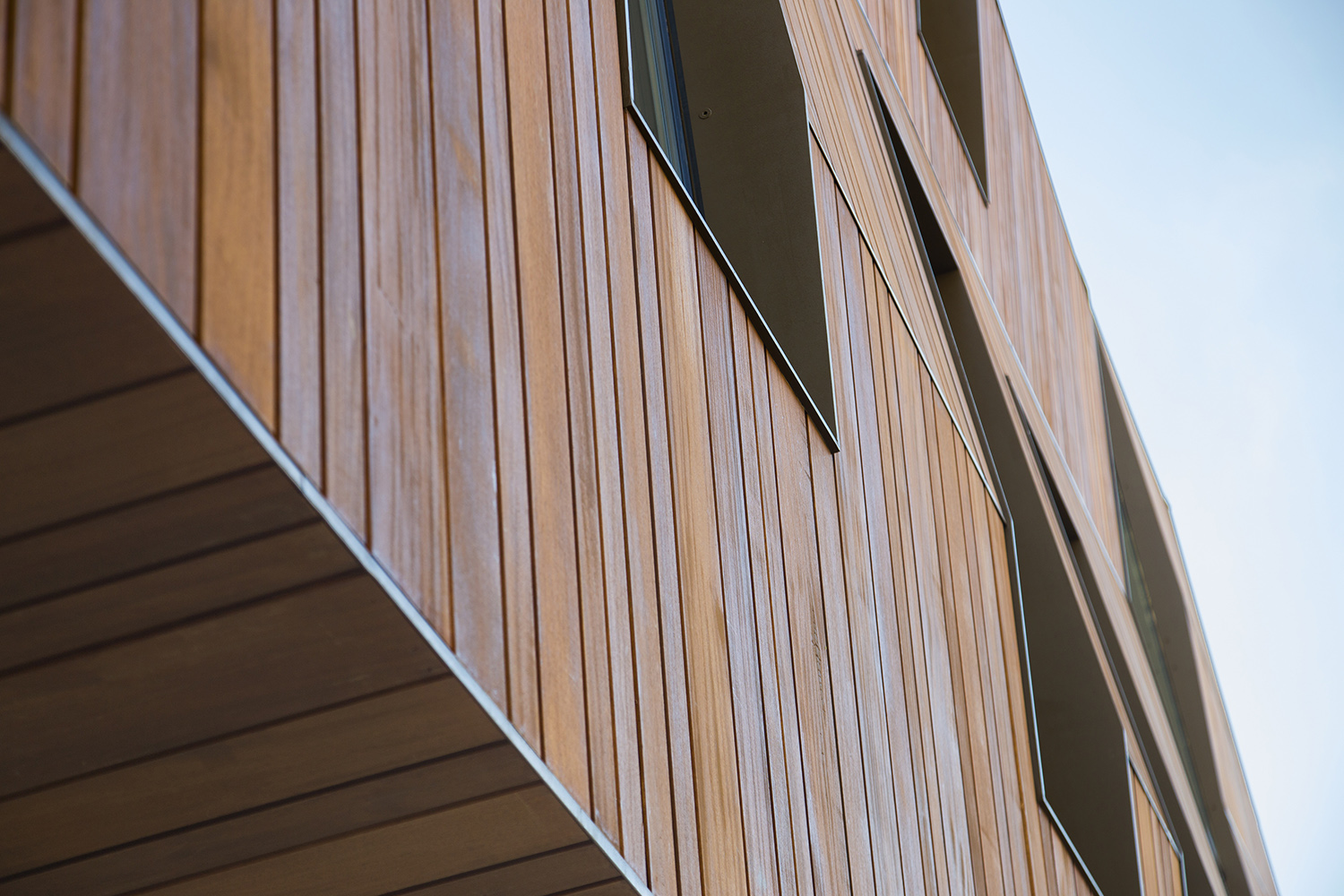
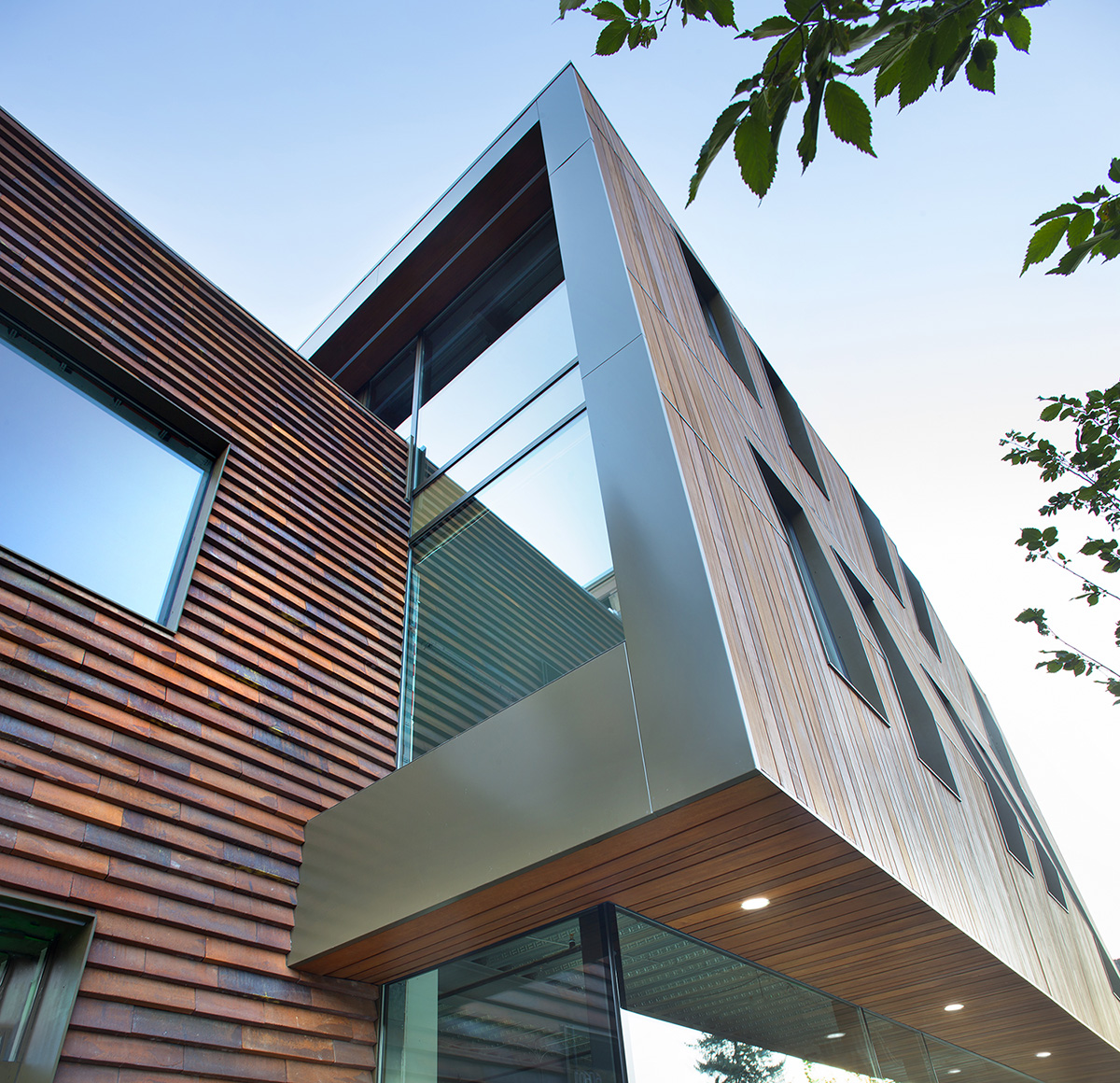
Peterson Cover Brick from Denmark represents the stationary mass of the rock outcropping. These handmade bricks are detailed using a lapped siding technique with hidden fasteners, which recalls the many wood sided buildings that once were prevalent throughout downtown Aspen during the early mining years. African Mahogany represents the snow pillow and is detailed with an undulating façade to indicate the stratified lines of past snowstorms and is cantilevered over the masonry façade. This wood pillow also has another layer of significance in that of the old false storefront façades prevalent in mining towns during the turn of the century. However, unlike those historical applications where billboard and signage indicated the use or merchandise of those buildings, the snow pillow’s silent message is that Aspen is now an international destination for skiing and sells dreams of abundant snow fall.
The design by Rowland+Broughton Architecture will speak the architectural language of Aspen for decades to come. It is rich in form and detail that builds on what went on before in Aspen architecture to extend the trajectory of the vocabulary of the town’s streetscapes into the future. – Client, Victorian Square
Project Size
12,275 SF
Project Awards
-
2018 AIA Colorado – Best Commercial
Publications
-
Modern in Denver, Summer 2018
-
Petersen Magazine, Spring 2018
-
Building Dialogue, December 2016
R+B Services
-
Architecture
-
Public Approvals Process
-
Master Planning
Project Team
-
Landscape Architect: Connect One Design
-
Structural Engineer: KL&A
-
Mechanical Engineer: BG Buildingworks
-
Civil Engineer: Sopris
-
Photographer: Brent Moss
-
Contractor: GF Woods
Resnick Center
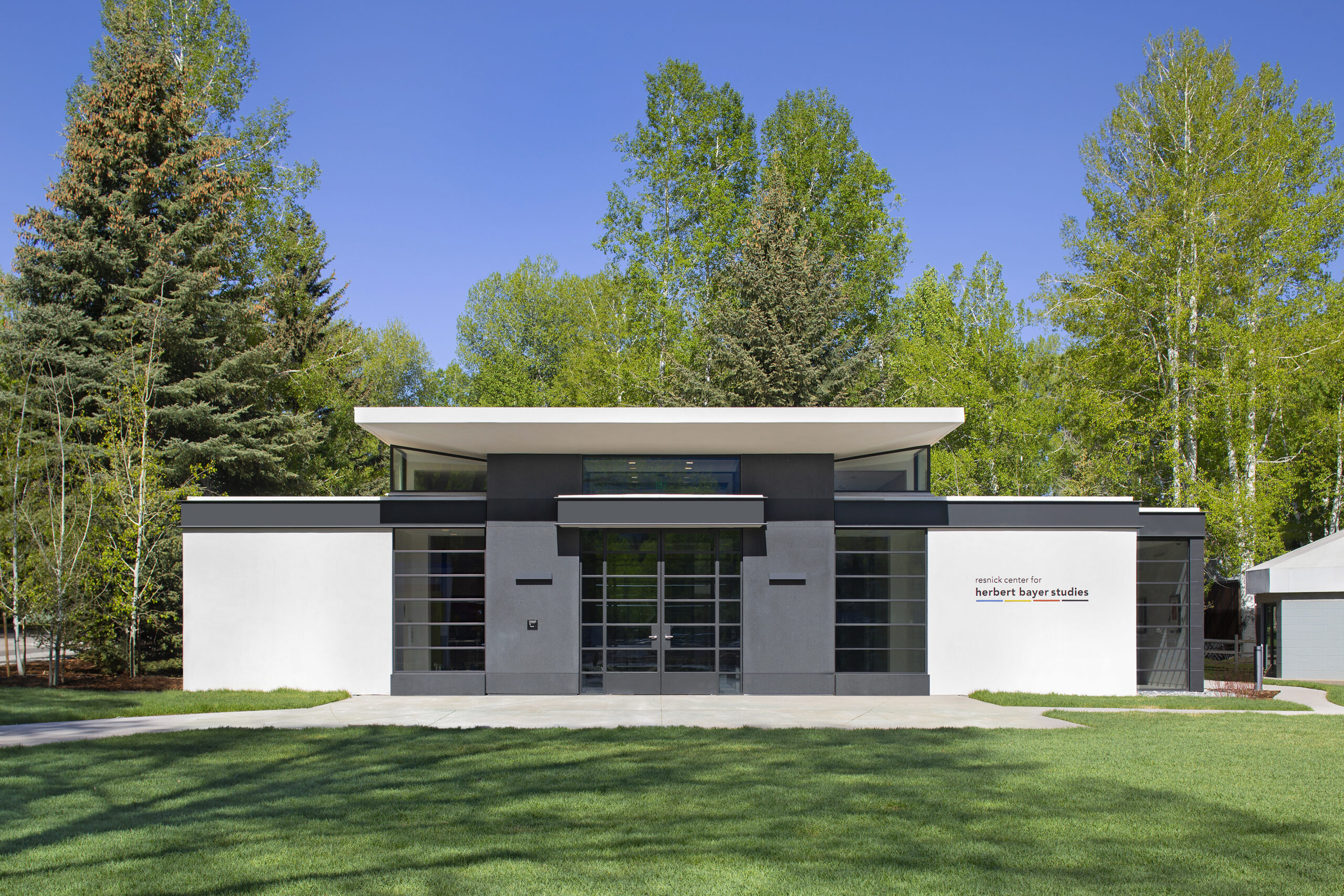
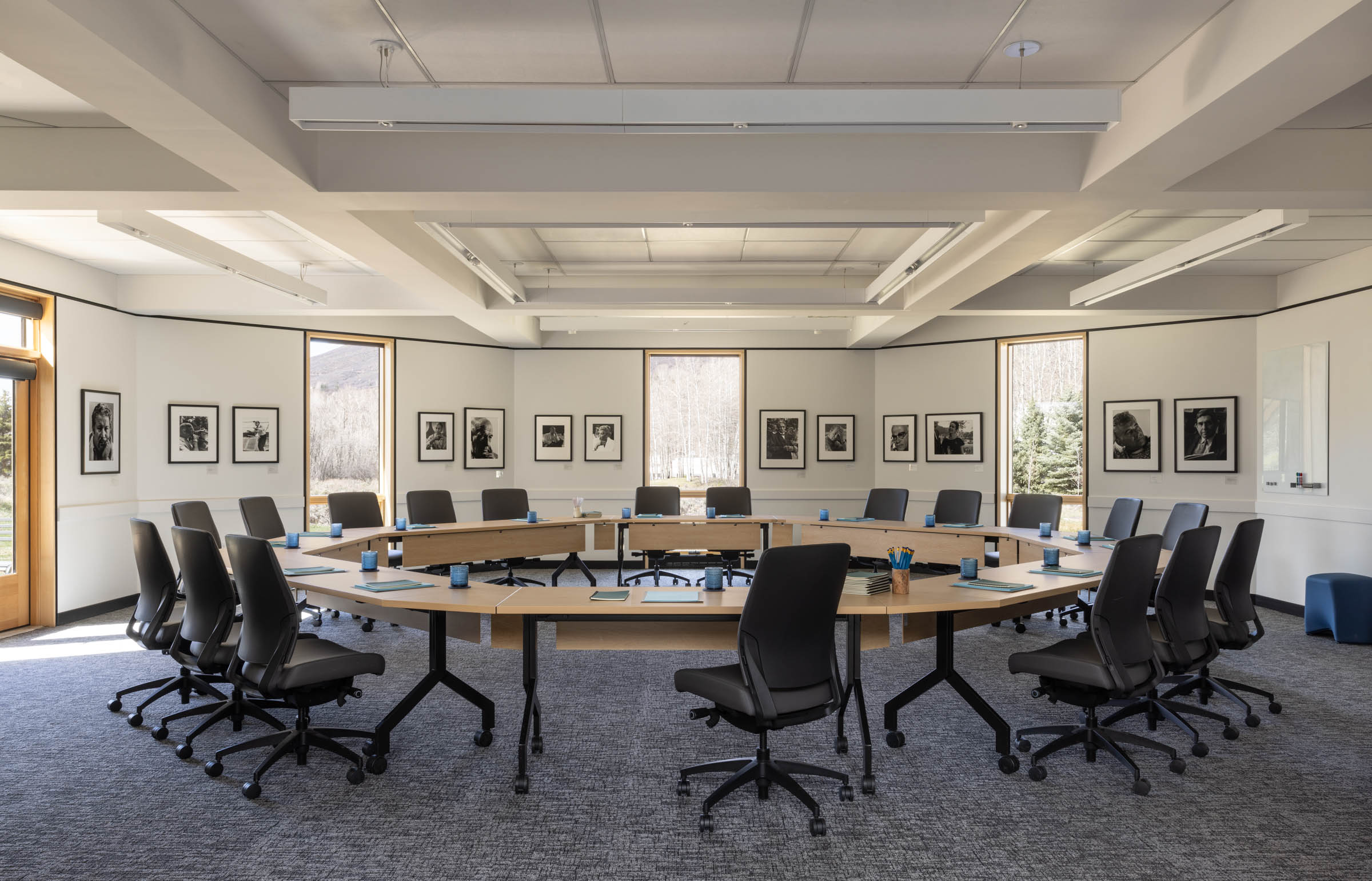
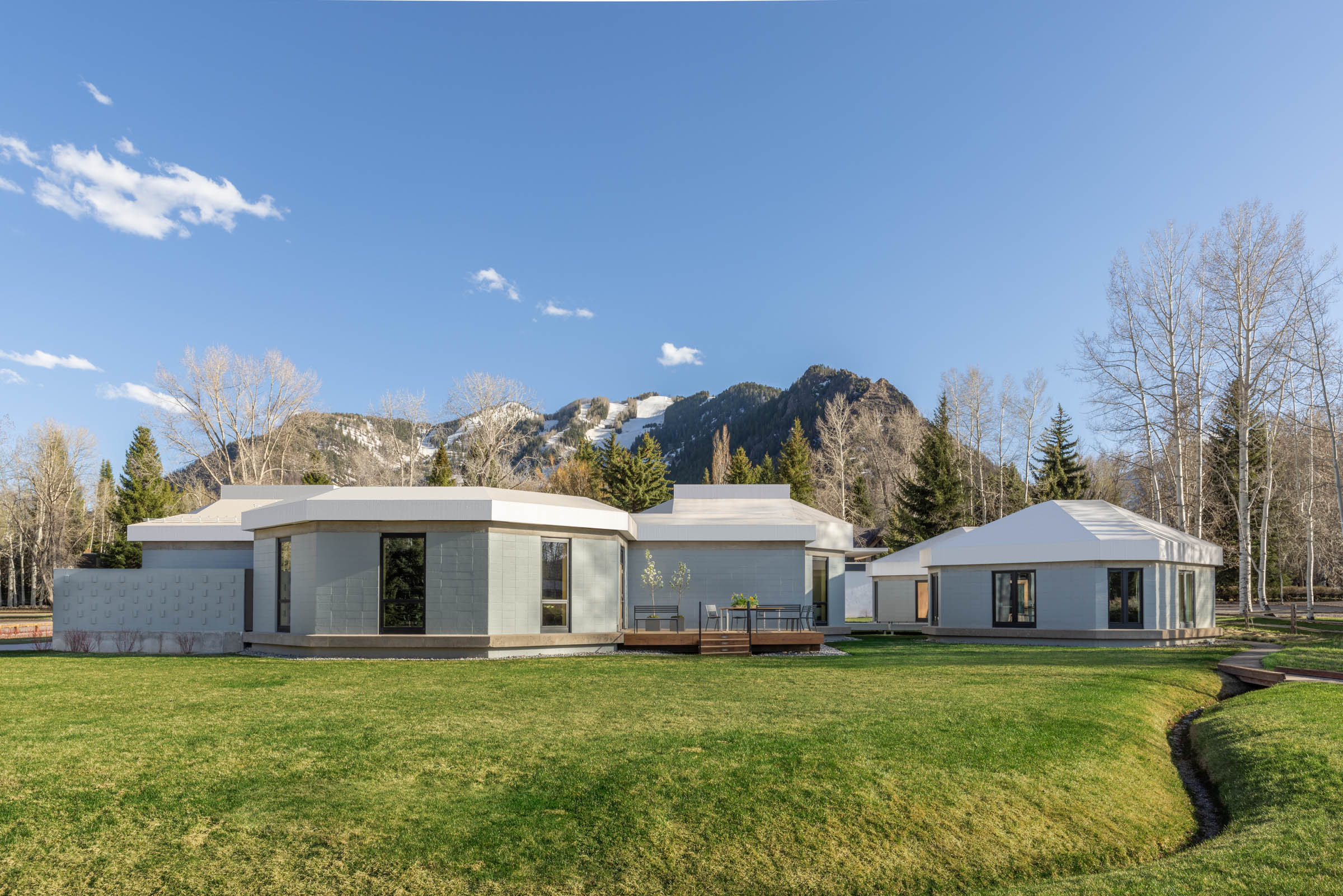
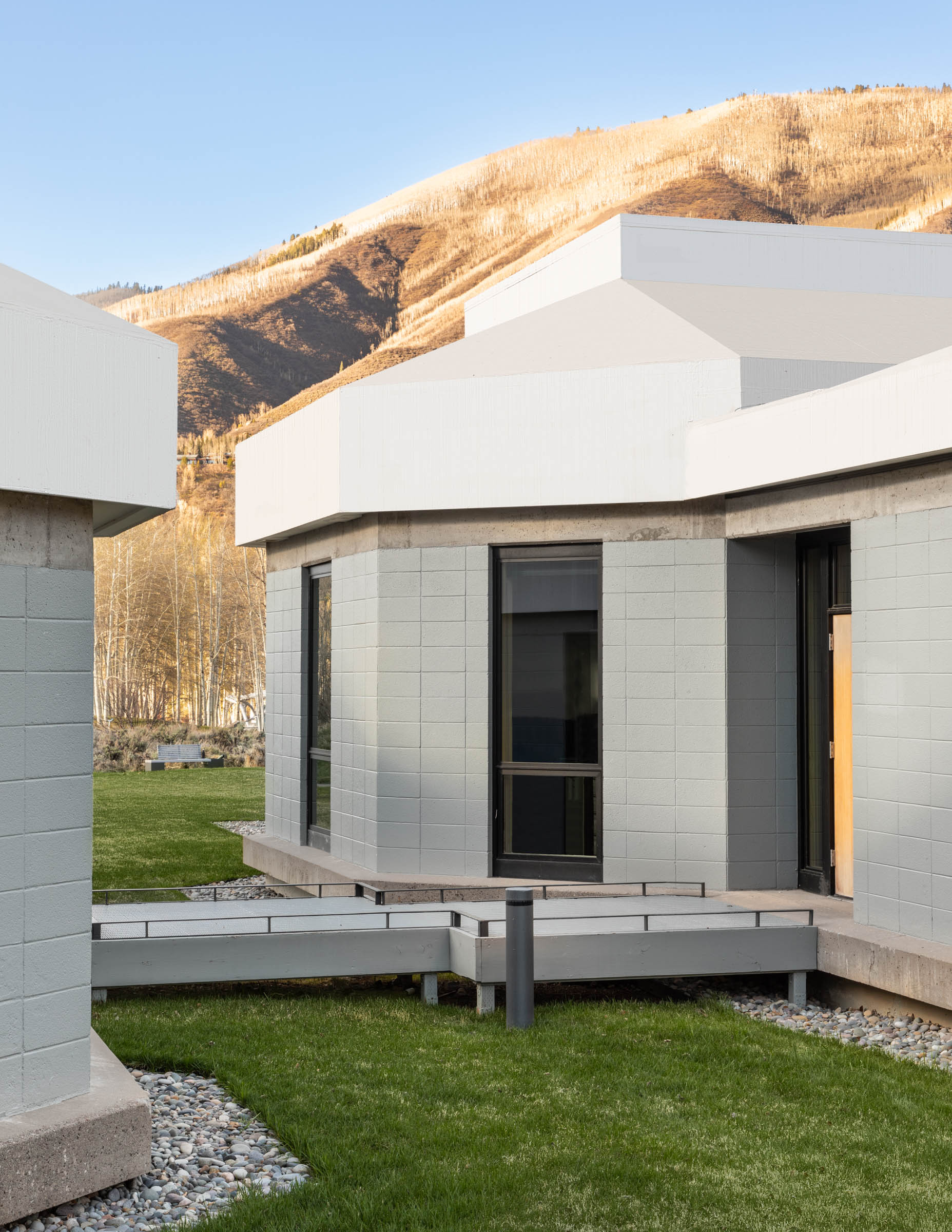
Located adjacent to Herbert Bayer’s historic Boettcher Seminar Building in Aspen, Colorado, the Bayer Center is designed to house the collection of his works for public view, the only of its kind. The museum is the newest addition to Aspen Institute’s campus, with grounds featuring Bayer’s sculptures and landscape along its pathways. The Center is smaller and lower than the Boettcher Building, paying homage to Bayer’s 1975 work.
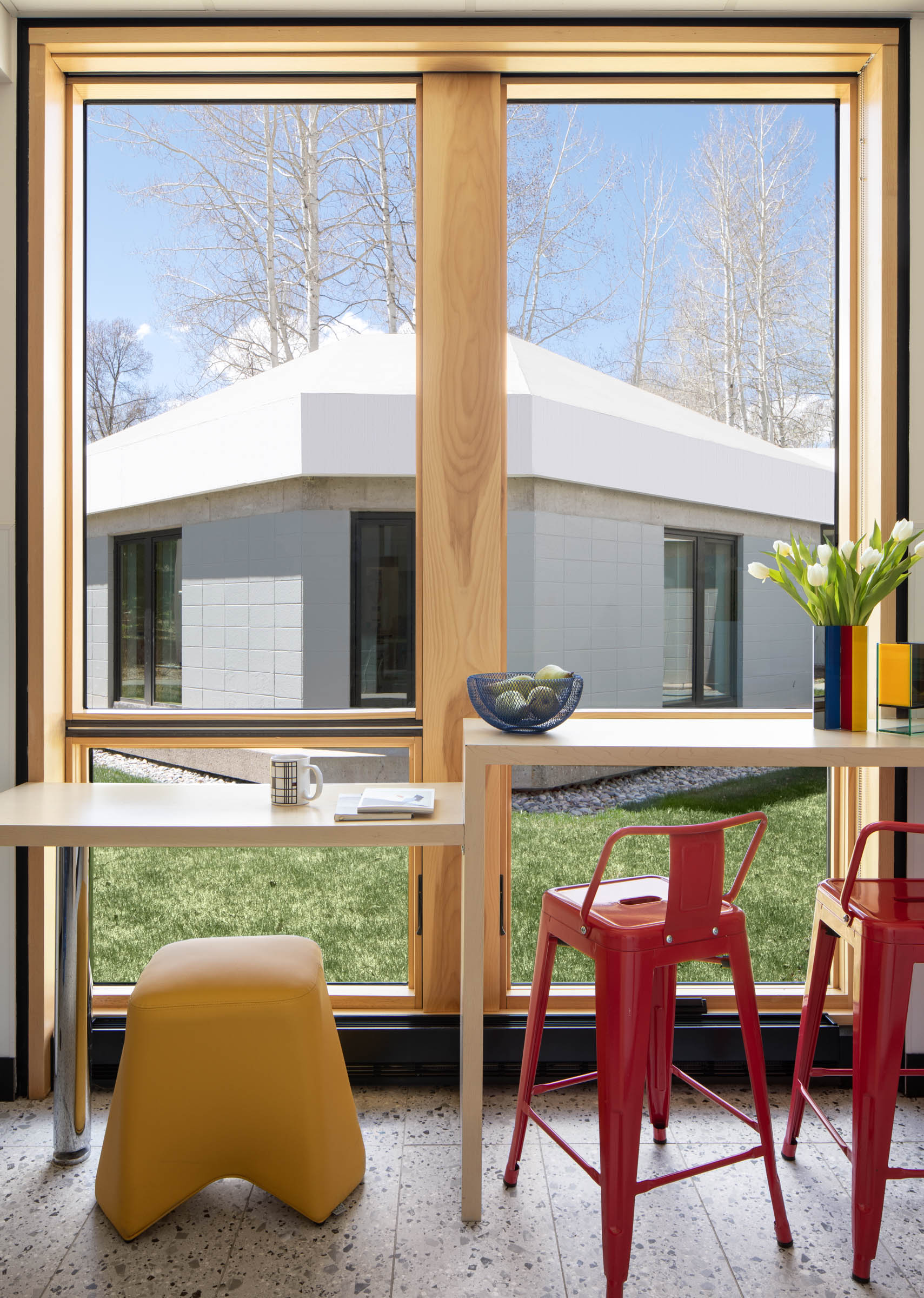
The compact design accommodates ample gallery, archival, and support space for works of art that span Herbert Bayer’s illustrious career. Rigorous geometries and alignments were critical to the team and vision of a Bauhaus-inspired aesthetic. These parameters wrap the building and govern the dialog between elements which are repeated, mirrored, and proportioned by a greater set of rules.
To uphold the aesthetic goals, the Bayer Center must be an efficient and well-organized system of logic. This ripples through the infrastructure supporting the building. Structure and utilities must work in concert with the spaces without breaking the design purity or interrupting the open flow of the plan. The steel fascia set to the top of the glazing determines the ceiling space, containing the building mechanical, lighting, and thermal envelope suited to Aspen’s climate extremes. The upper roof is similarly thin, tapering to an 8” tall cantilevered eave where structure and insulation are stretched to the extent of their performance. As the geometries meet, construction sequencing must account for streamline form and tight tolerances.
The museum will be a cultural merger between the Aspen Institute and Aspen’s community. Anchoring the campus corner where it touches the city fabric, it welcomes the public to view Bayer’s works and to explore the paths connecting his sculptures to the landscape. The comprehensive body of this Bauhaus master’s works will be culminated in this museum and throughout the grounds, a true tribute to his contribution to one of the most famous art movements in history.
Advanced building technology elevates the Bayer Center beyond current day performance requirements. To balance interior and exterior conditions, the design team and envelope consultant developed a strategy through meticulous product research and detail strategies to support the design, its durability, and its sustainability. Using vacuum-sealed insulation and an aerogel coating on the steel, the building will reduce HVAC demands for a more passively stable environment. Envelope continuity wraps the exterior cladding and insulation within openings. This seamless design requires careful detailing to tie to structure and maintain thermal quality without breaking plane. The museum’s glazing and glass floors draw natural light into the galleries. The team refined the assembly produced by the same steel glazing manufacturer of the Bauhaus building in Dessau to provide a combination of excellent color rendering, solar protection, thermal retention, and slim detailing.
Project Size
7,387 SF
Publications
R+B Services
-
Architecture
Project Team
-
Design Architect: Jeffrey Berkus Architects
-
Photographer: Brent Moss

Boettcher Center
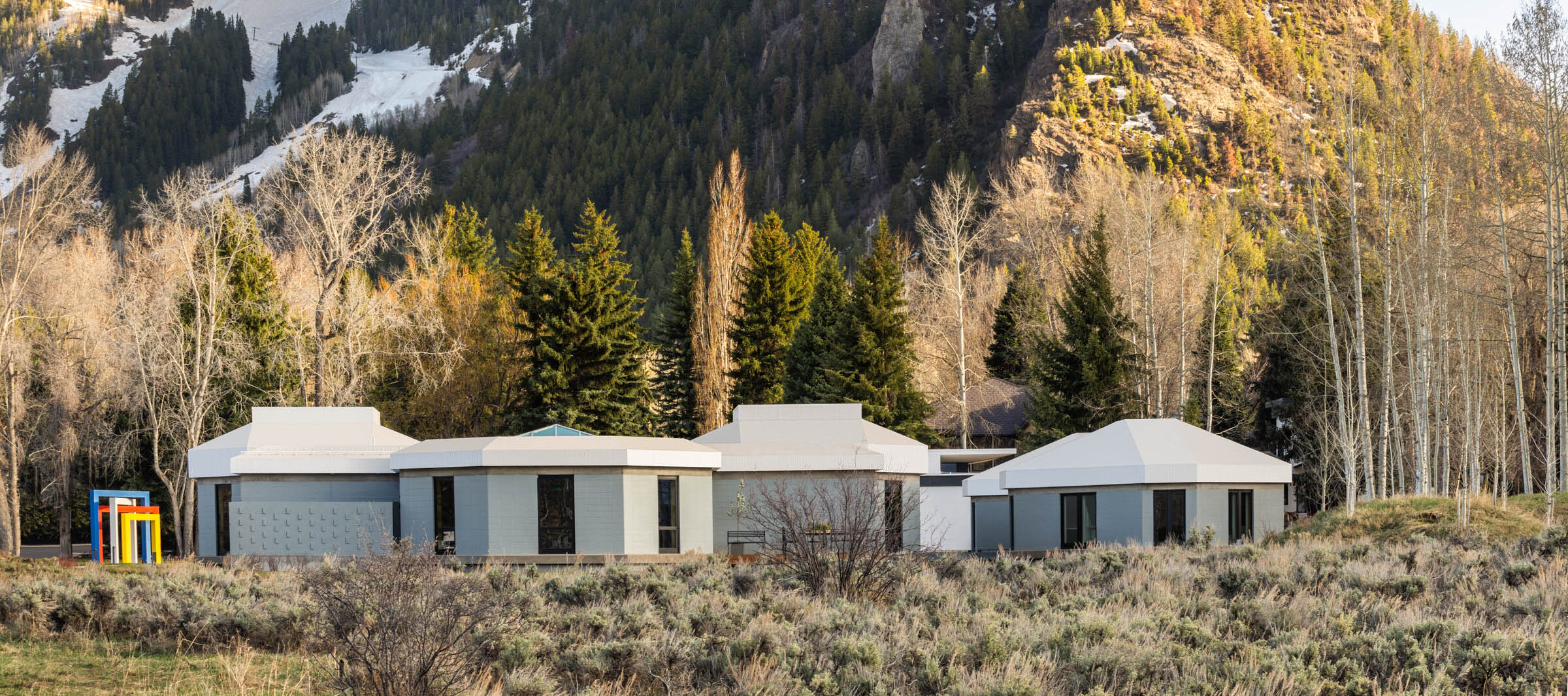
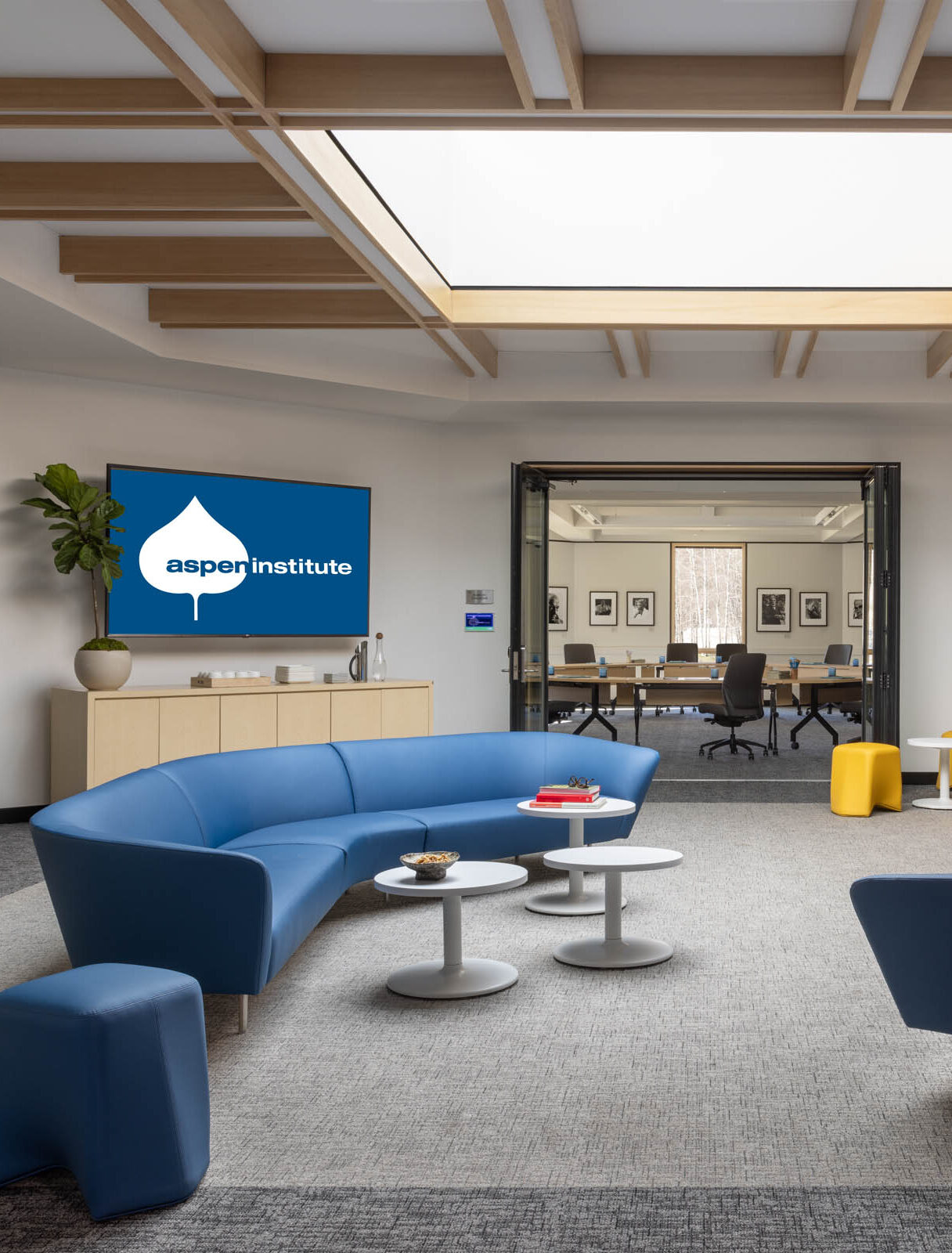
1973 saw the construction of the final building in Aspen, Colorado by Bauhaus architect and designer Herbert Bayer. This building, known as the Boettcher Seminar Building, drew on an architectural language Bayer had been developing on the Aspen Institute grounds for over two decades, and was a culmination of the logic and democratic organization of spaces and experiences central to Bauhaus thought. Sadly, four decades of use took its toll on the interior and exterior and the building no longer lived up to its potential as a space to foster and facilitate ideas and relationships that could change the world.
The rehabilitation design goals began with seeking Landmark Designation to the Aspen Modern Inventory of historic structures. With this designation in mind, the team developed the primary design goal: to honor and respect the legacy of Herbert Bayer with a thoughtful restoration of the exterior and creative renovation of the interior to guide the building through the next four decades, with an emphasis on flexibility and innovation. Crucial to the entire work, the existing open-air central courtyard would need to be enclosed to provide greater year-round functionality and comfort.
Beyond the many technical challenges of preserving and rehabilitating the structure for modern use, the R+B Team faced the challenge of honoring the original design. To do this, new elements needed to share the existing building’s underlying principles and concepts but be distinct from them and of their own time. By carefully studying the existing building, R+B identified these features and tailored the new architecture to emphasize, contribute to, and enhance the existing building.
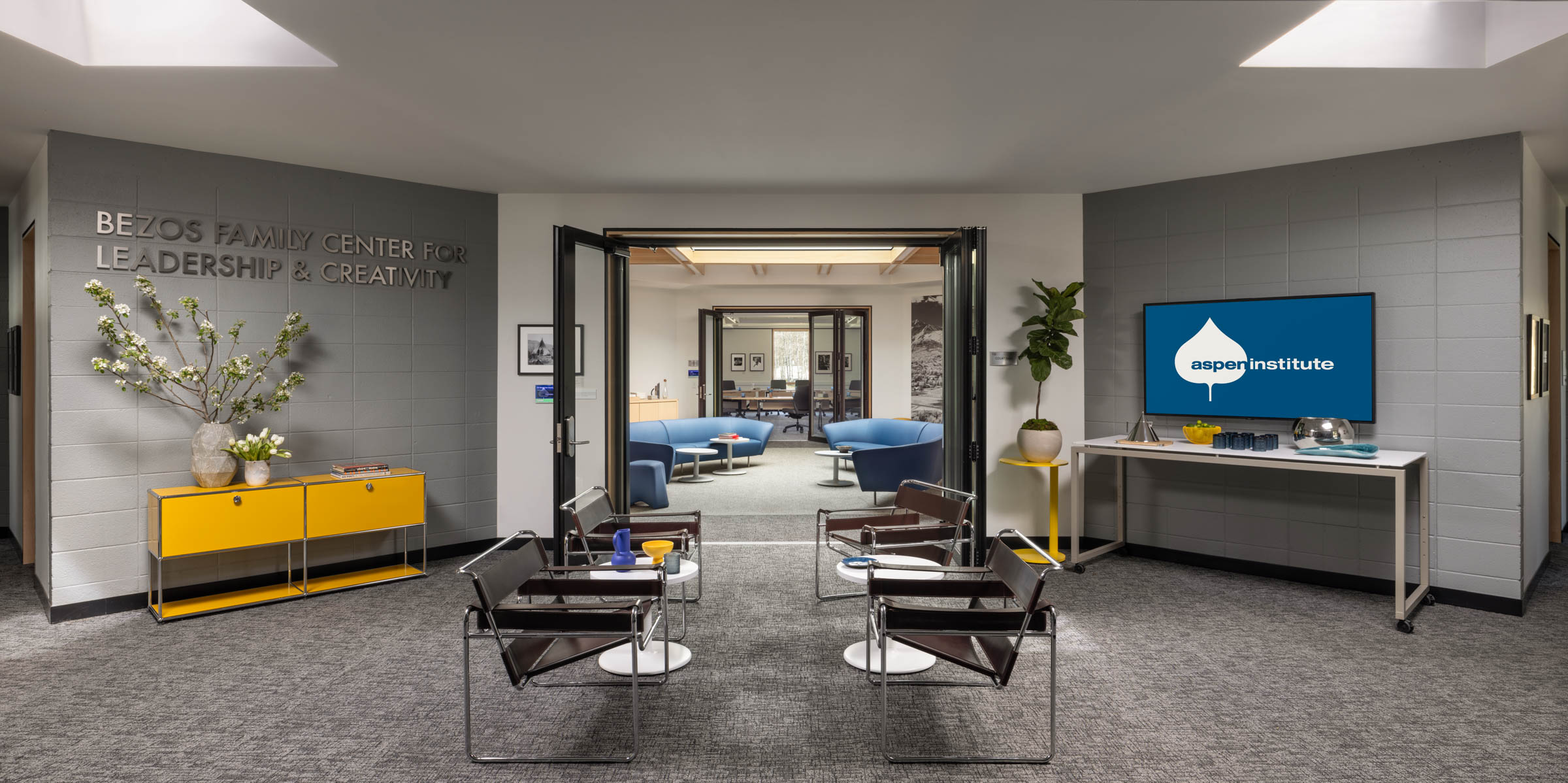
As a case study of this process, to enclose the central courtyard the team first studied the basic layout of the building. Organized on an 3×3 grid, the key spaces are arranged on two axes, oriented north-south and east-west, with the central courtyard at the intersection. The new roof structure, ceiling design, and pyramidal skylight align and emphasis these axes, creating a volumetric space in the center of the building where the visitor is naturally directed for a creative exchange of ideas. Large doors between the rooms along the north-south axis slide aside to unite the spaces into one, with a new “Creative Lab” anchoring the southern end of the axis, and break-out spaces arranged to the east and west, creating a dynamic flow of people and ideas.
The building received an extensive upgrade to all building systems. Thermal efficiency is increased by 300% through the addition of high-performance continuous insulation and new windows and doors. Mechanical system efficiency is approximately 70% better than the existing HVAC system. All interior light and plumbing fixtures are high efficiency and finishes are low-VOC and recyclable.
It is an honor to participate in the renovation of this important building and to increase its potential for collaboration, creativity and generation of ideas, all concepts that are fundamental to R+B as well. Moving forward, we anticipate a great working relationship with the Aspen Institute team to bring our mutual vision for the Boettcher Building to life. – Principal Sarah Broughton, AIA, NCIDQ
Project Size
7,609 SF
Publications
-
Interior Design Magazine, 2022
R+B Services
-
Architecture
-
Interior Design
-
Furniture Selection
-
Renderings
Project Team
-
Landscape Architect: AHBE / MIG
-
Lighting Designer: Element Architectural
-
Structural Engineer: KL&A
-
Mechanical Engineer: BG Buildingworks
-
Civil Engineer: SGM
-
IT/AV/LV/Security: BG Buildingworks
-
Photographer: Lisa Romerein
-
Contractor: TIS

Blake
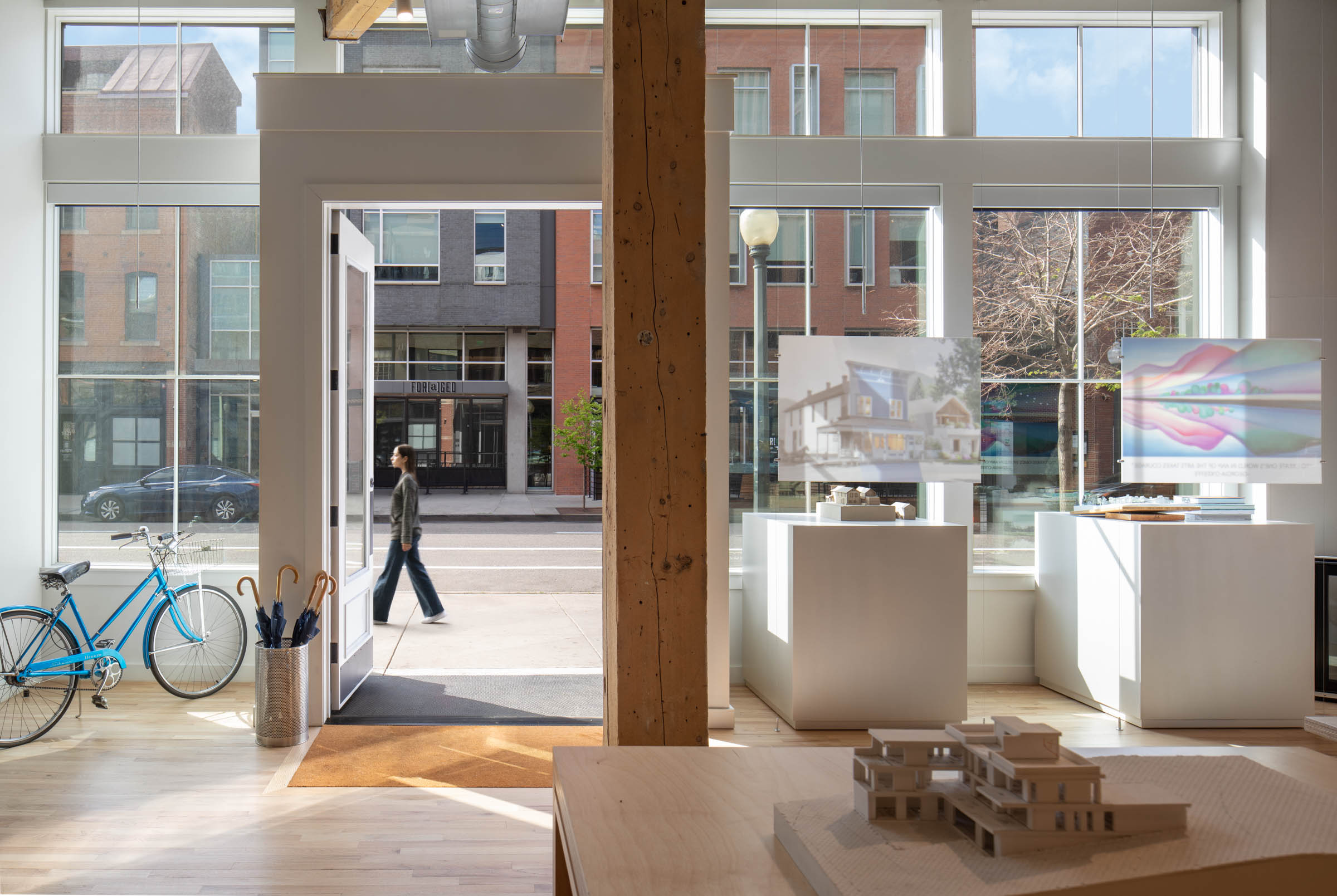
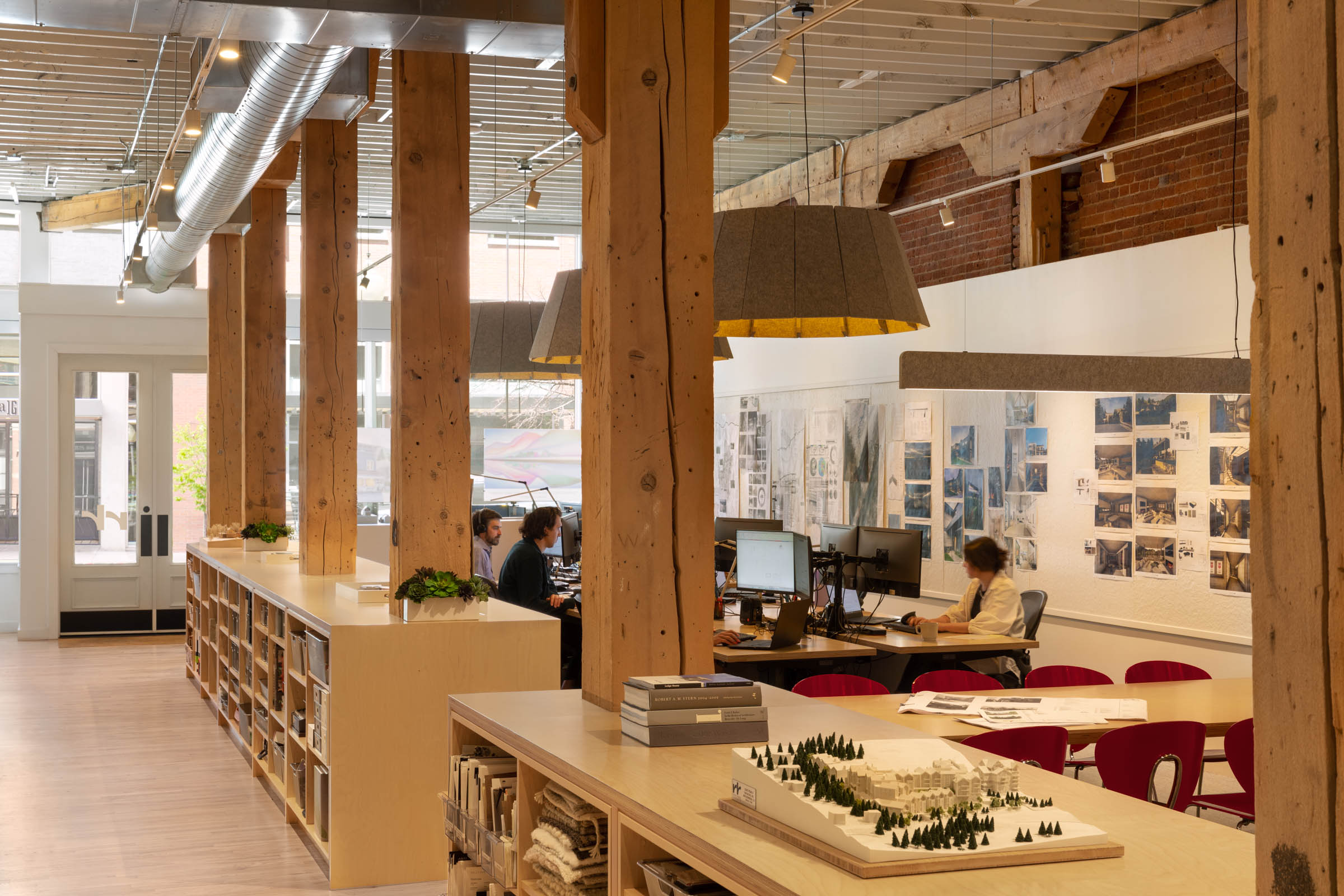
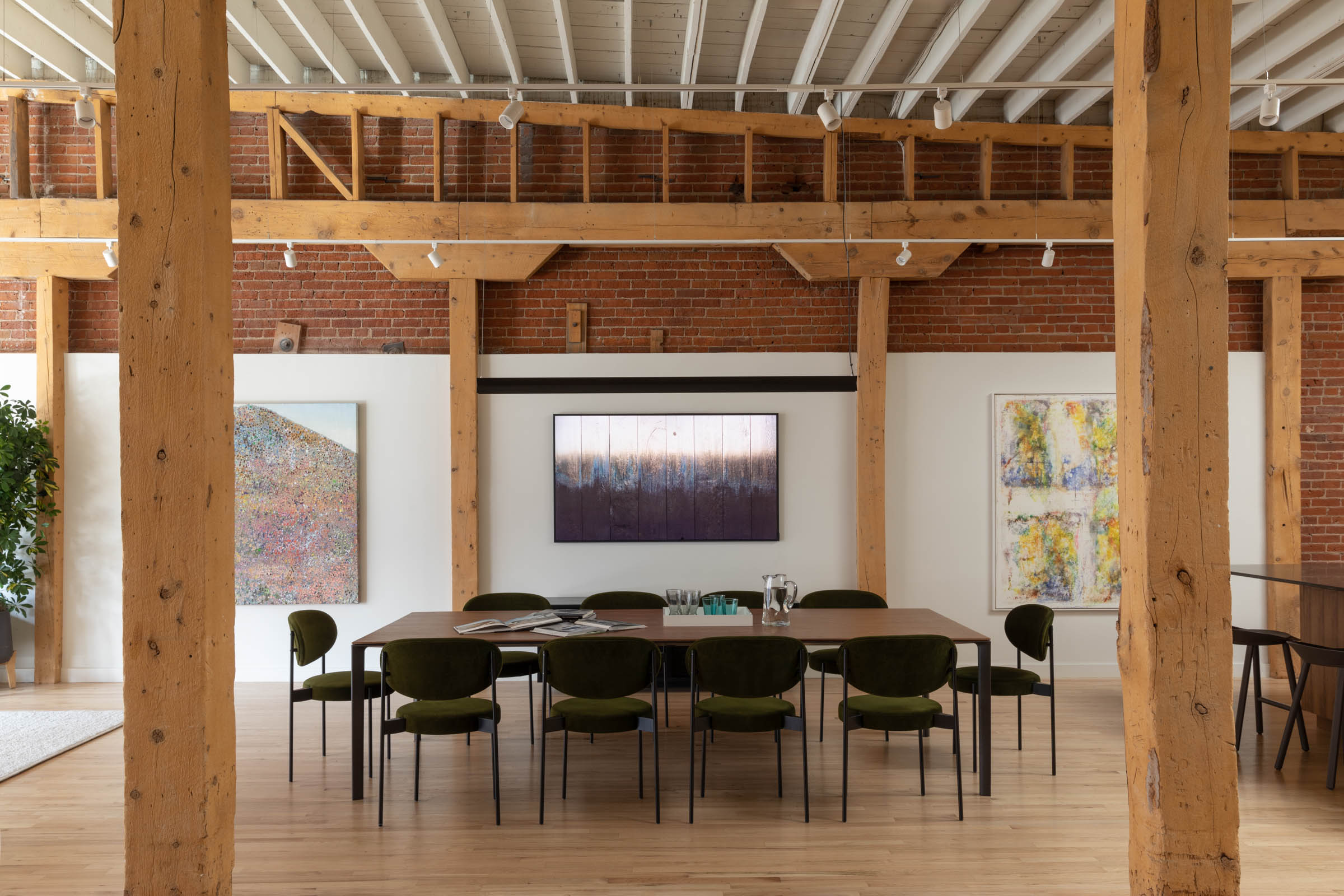
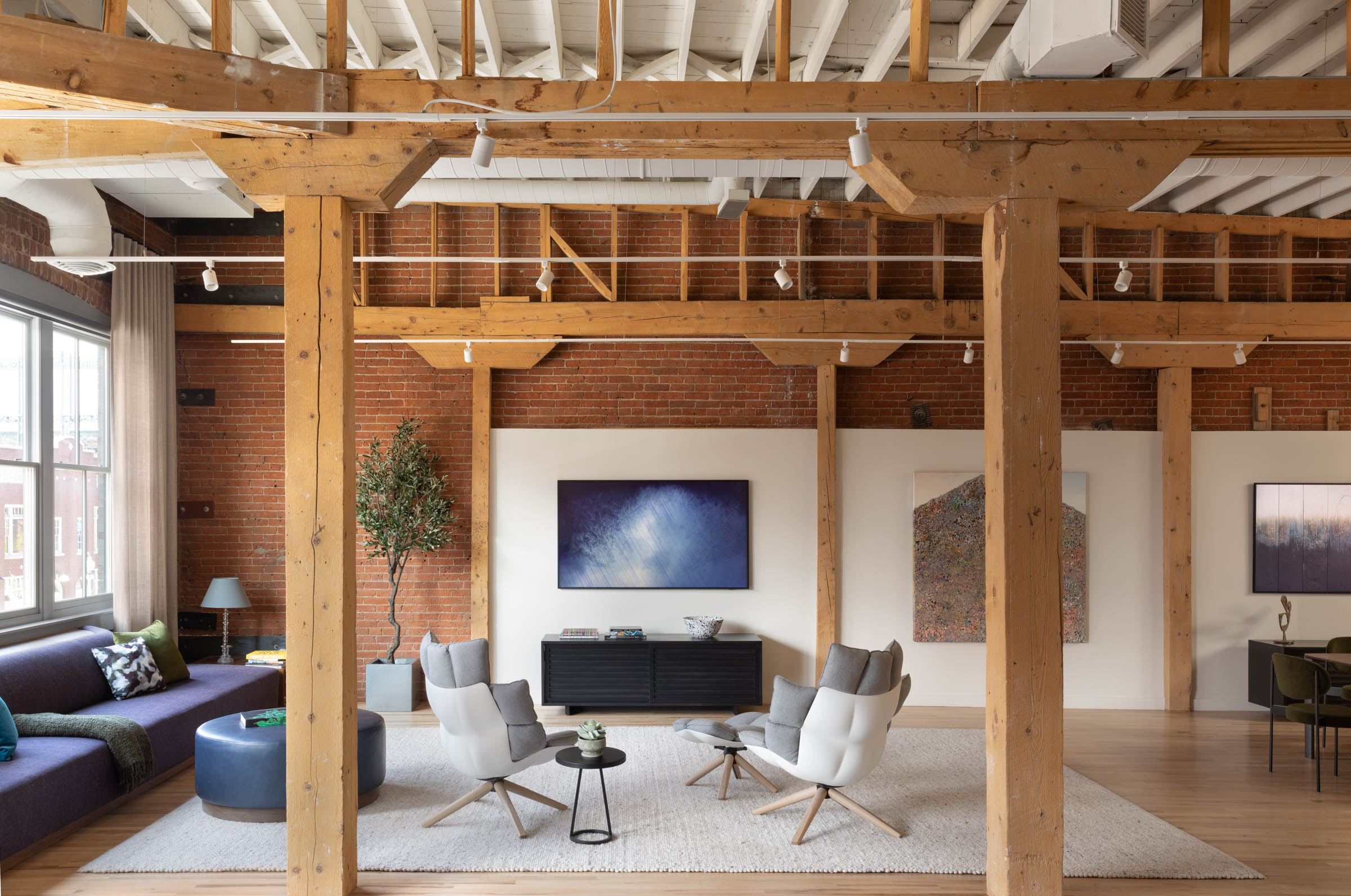
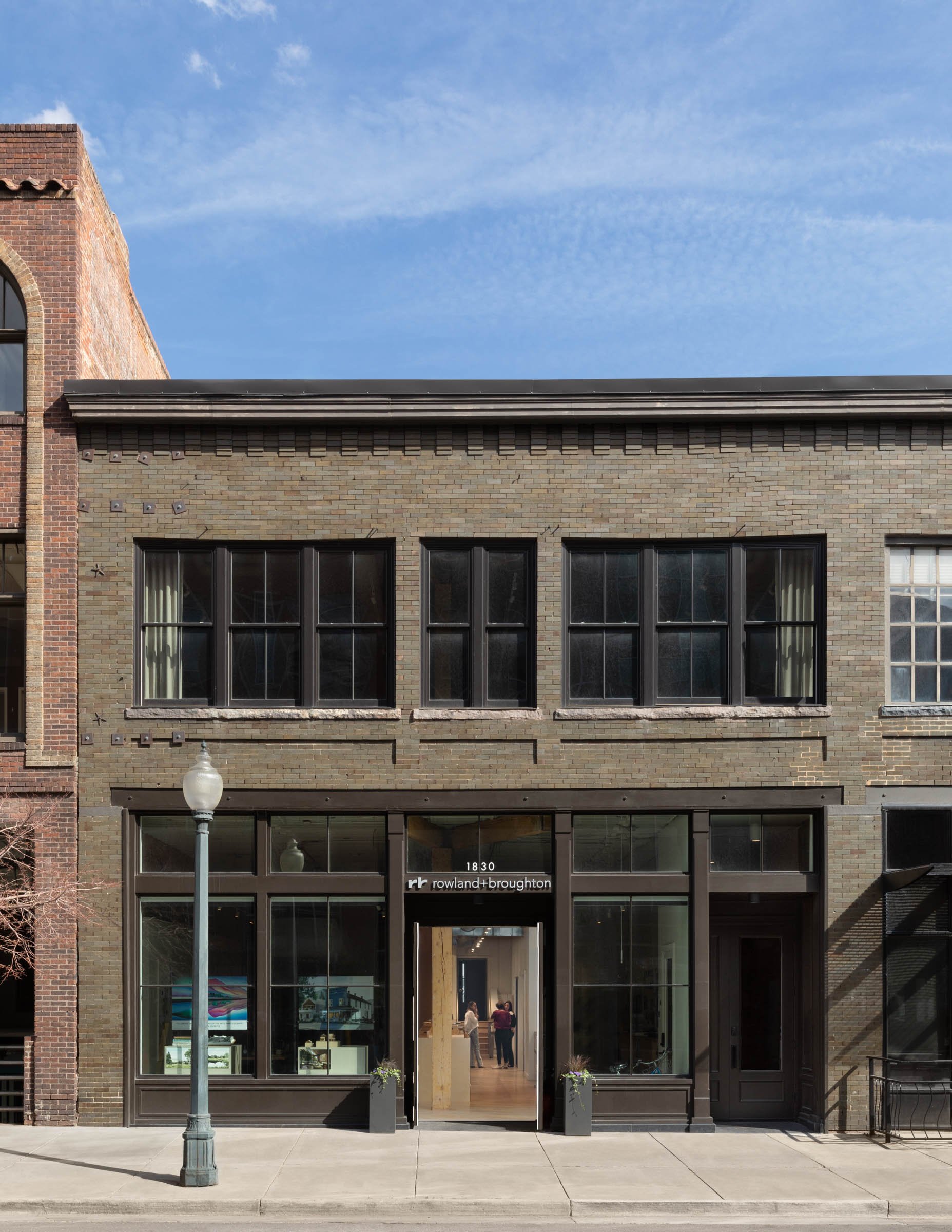
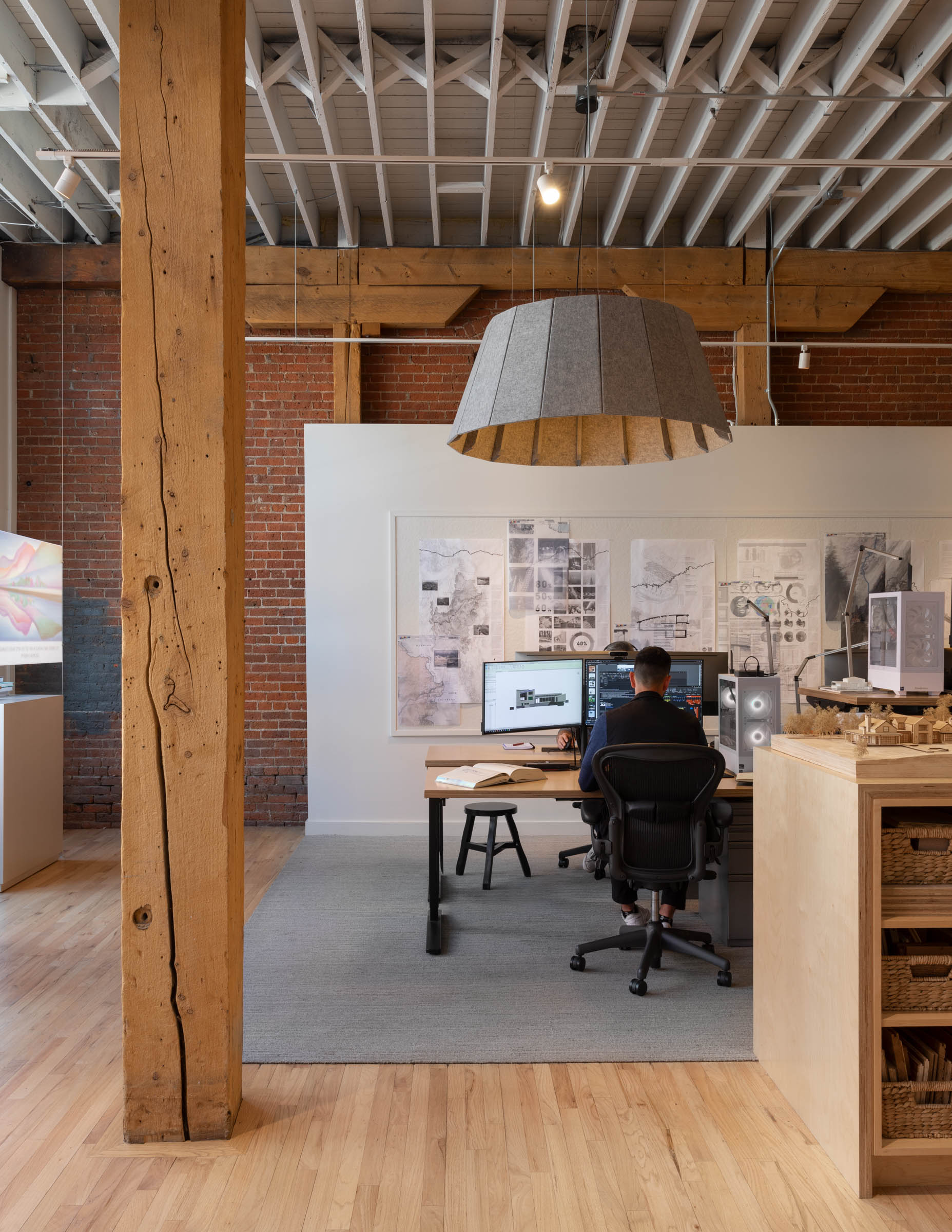
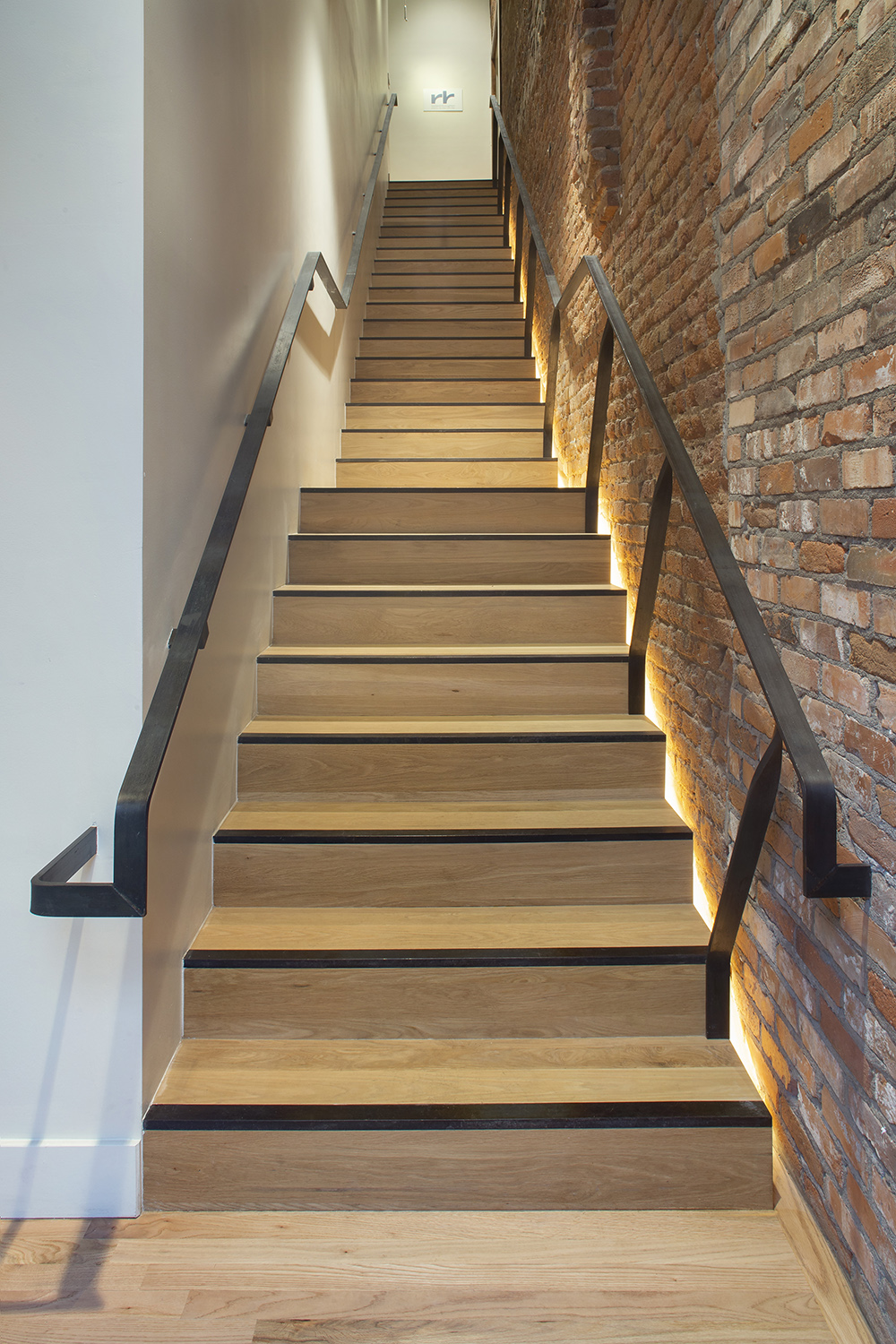
At the corner of Blake and 19th, R+B’s Denver studio occupies a building that has housed ambition since 1892. Originally home to the E.B. Millar Coffee Company, the century-old brick and timber warehouse has been meticulously restored and reimagined as a full-service architecture and interior design studio, one that honors the building’s industrial heritage while reflecting the precision, creativity, and craft that define R+B’s practice today.
The exterior restoration, completed in fall 2018, required careful sensitivity to the original character of the structure. Following the guidelines of the Lower Downtown Historic District, the project introduced a more contemporary aesthetic and neutral material palette while preserving the building’s historic integrity. A new wood and glass storefront replaced non-historic windows and doors, and the entry returned to its original centered position, improving accessibility, increasing visibility into the interior, and restoring a sense of symmetry to the facade.
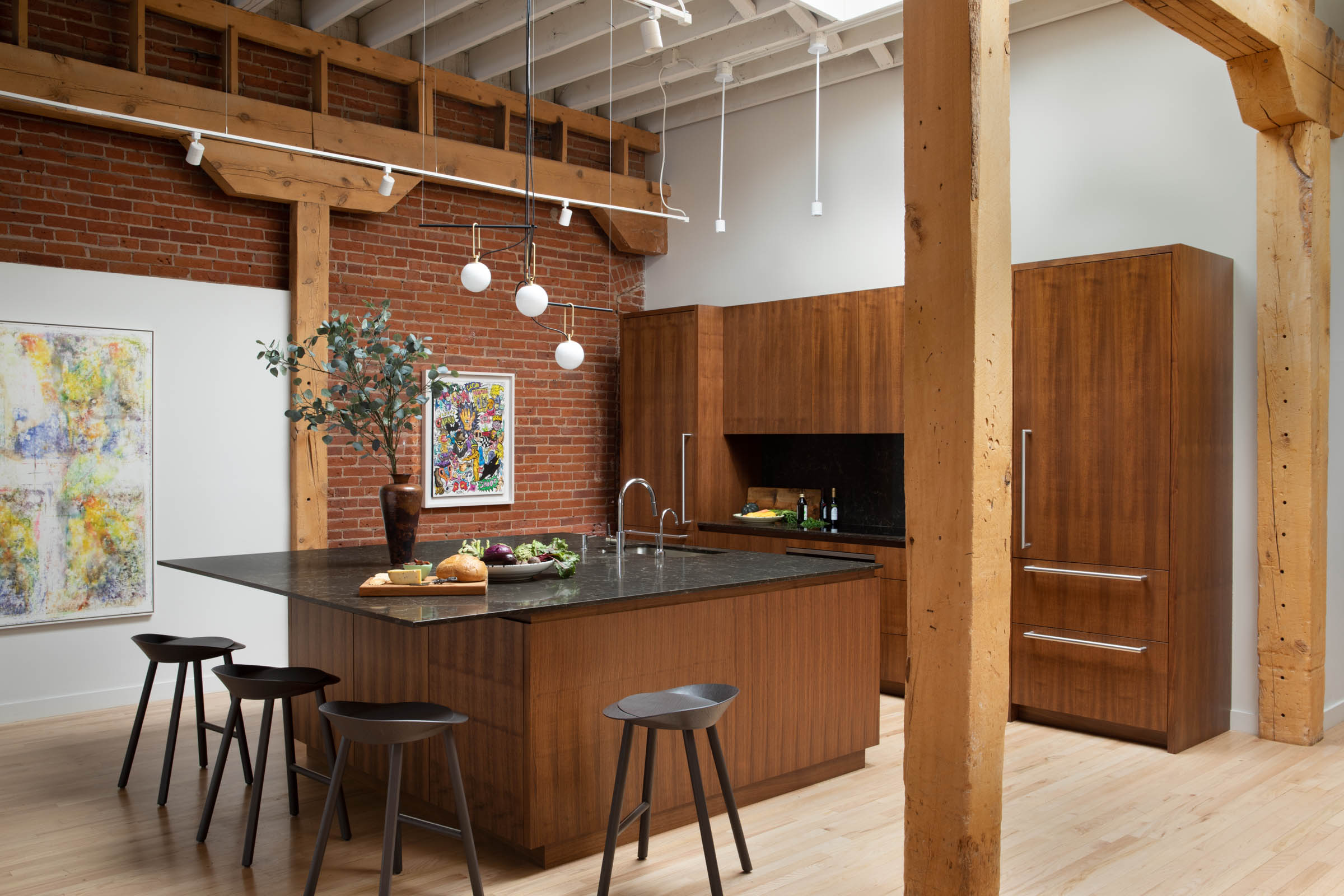
The interior followed in spring 2019, with a reconfiguration and energy-efficiency upgrade that stripped away non-historic partition walls and outdated restrooms. Open, accessible spaces equipped with occupancy and daylight sensors and LED lighting took their place. Consistent with the building’s origins as a functional warehouse operation, the open plan celebrates the original columns, exposed structure, and the honest materiality of a building that has earned its age.
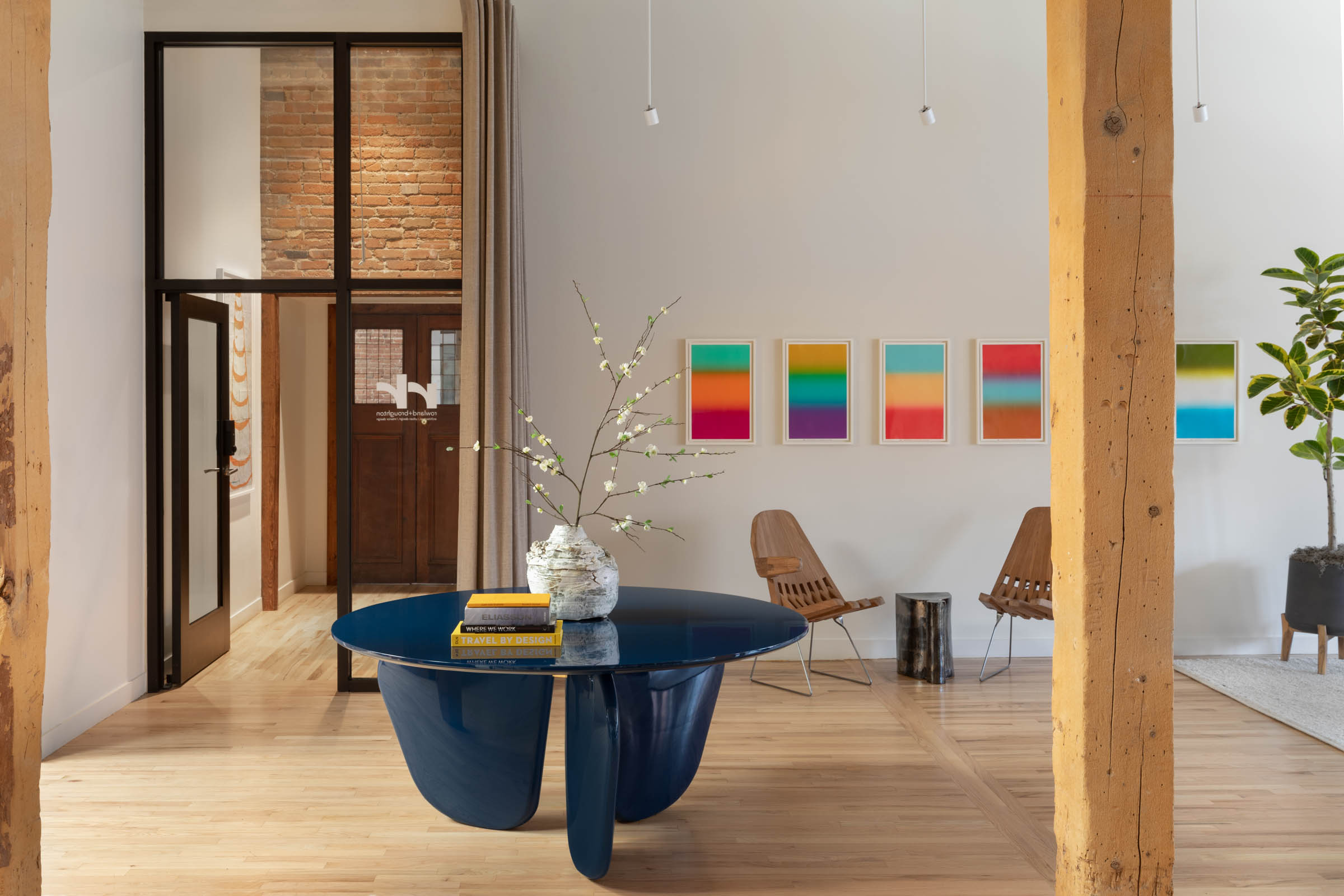
The upper level was subsequently reimagined as a 2,798 square foot salon-style space that is part creative lounge, part gallery, part meeting ground. Multiple gathering areas encourage collaboration and conversation among team members, clients, and colleagues, while clean white walls serve as a flexible canvas for rotating exhibitions of emerging national, international, and Colorado-based artists. Within the historic exposed brick shell, featuring original post-and-beam construction and refinished oak flooring, dual seating groups anchor the room alongside a 30-foot custom sofa by Denver-based Rooster Socks, set against a window wall overlooking the streetscape below. Additional furnishings were sourced from designers discovered during visits to Los Angeles and travels to Milan and Mexico City, bringing a global sensibility to a distinctly Denver address.
The ground-floor Creative Lab gives R+B’s team direct access to in-house visualization, 3D printing, and laser cutting capabilities, enabling design concepts to be tested, refined, and physically realized at every stage of a project. Together with open studio space, private offices, and biophilic and ergonomic features throughout, 1830 Blake is a place built for the way R+B works: rigorous, collaborative, and always engaged with the craft of making.
The 1830 Blake Street restoration strengthens R+B’s presence in Denver as our studio continues to evolve. In addition to accommodating the needs of our team and clients, our newly renovated space will allow us to more easily engage with the surrounding Lower Downtown neighborhood and the Denver community at large. We are proud to have consistently maintained our team for the last couple of years and are excited to be a part of the exciting possibilities the future holds. – John Rowland, AIA, Principal
Project Size
6,000 SF
Project Awards
-
2023 AIA Colorado – Design + Honor Awards
-
>2022 American Society of Interior Design
Publications
R+B Services
-
Architecture
-
Interior Design
-
Space Planning
-
FF+E Selections
Project Team
-
Structural Engineer: KL&A
-
Mechanical Engineer: IMEG
-
Electrical Engineer: RG Engineering
-
IT/AV/LV/Security: Harrison Home
-
Photographer: Lisa Romerein
-
Photographer: Brent Moss
-
Photographer: Maggie McEntee
-
Contractor: Bristlecone
Mesa
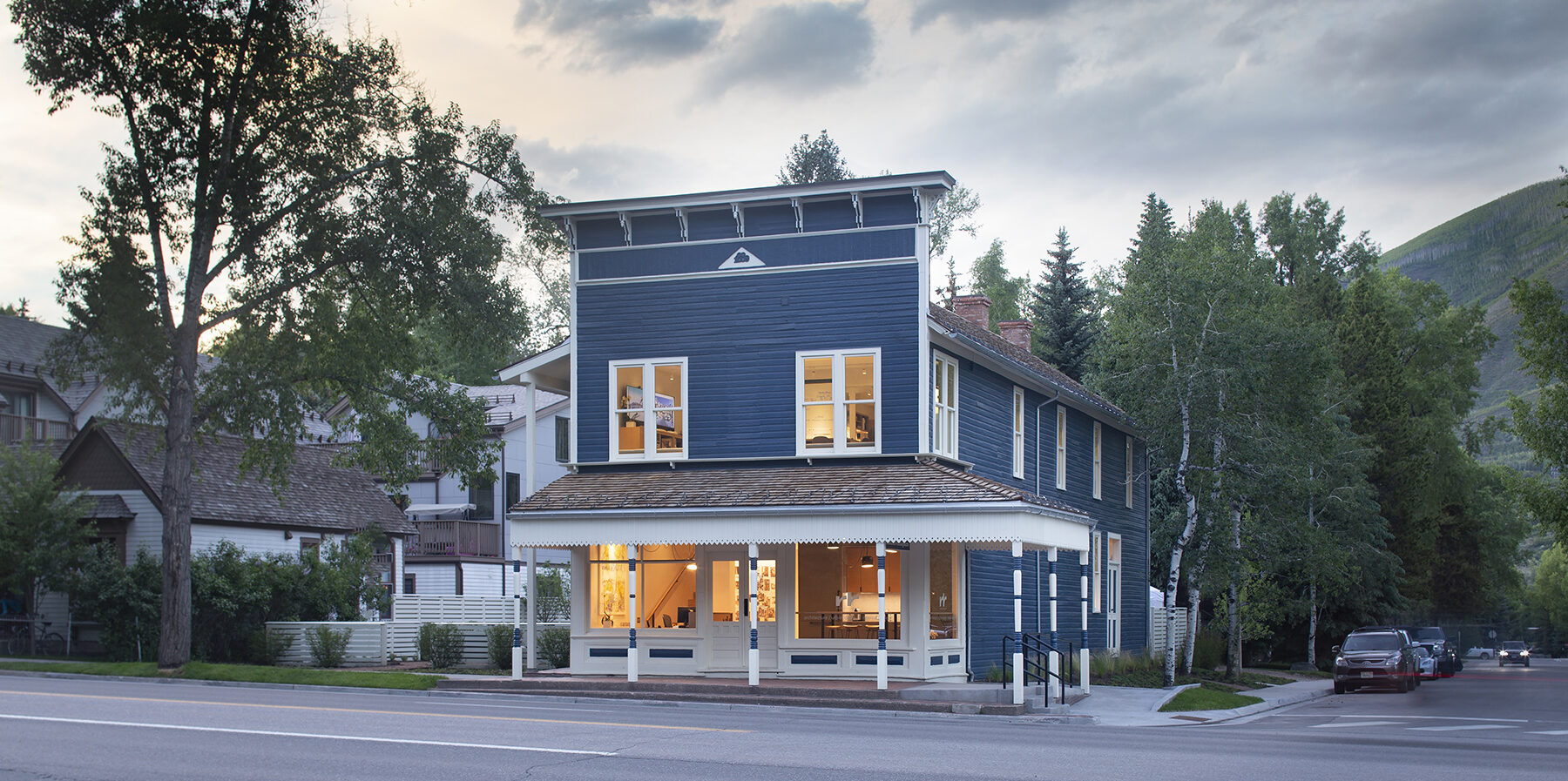
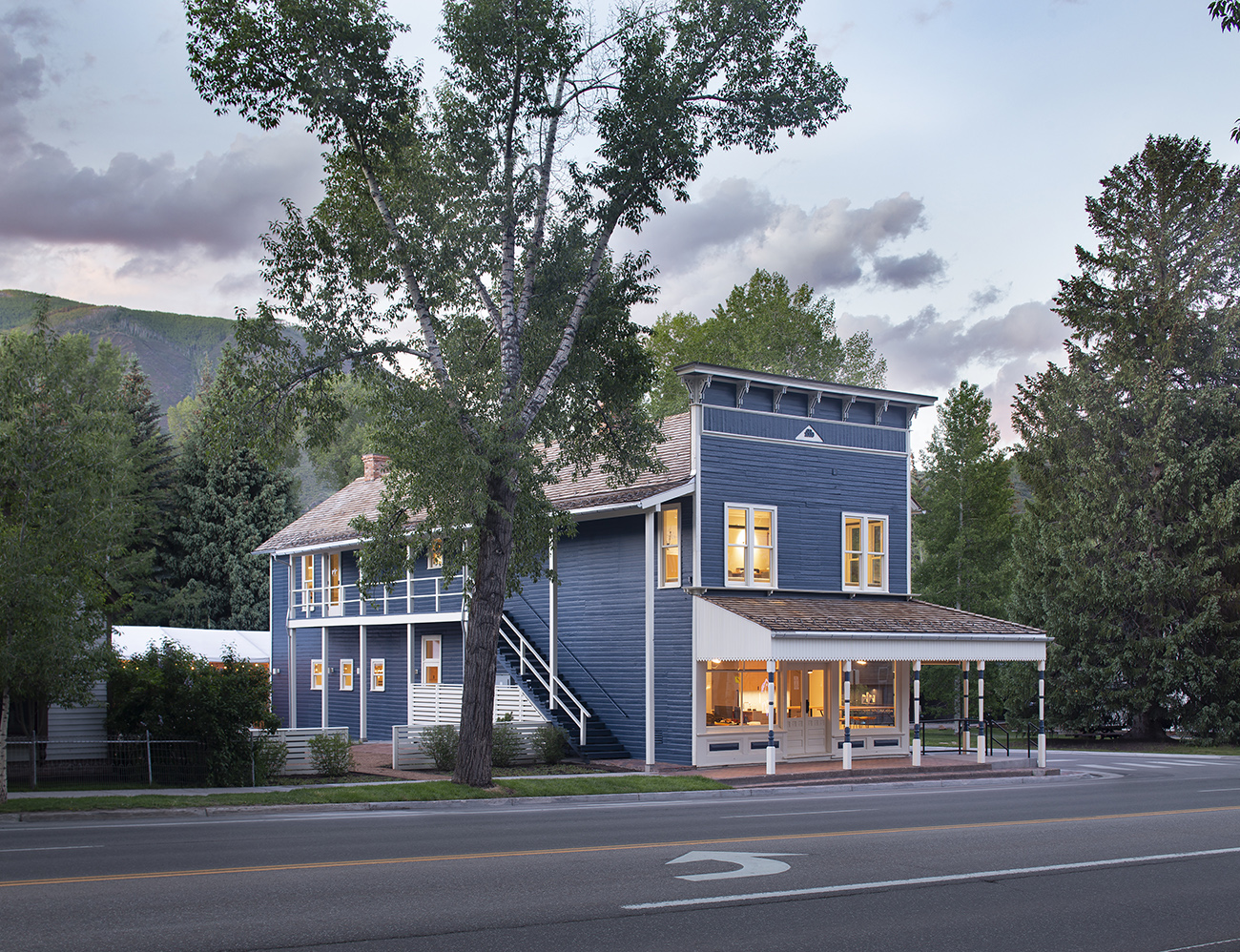
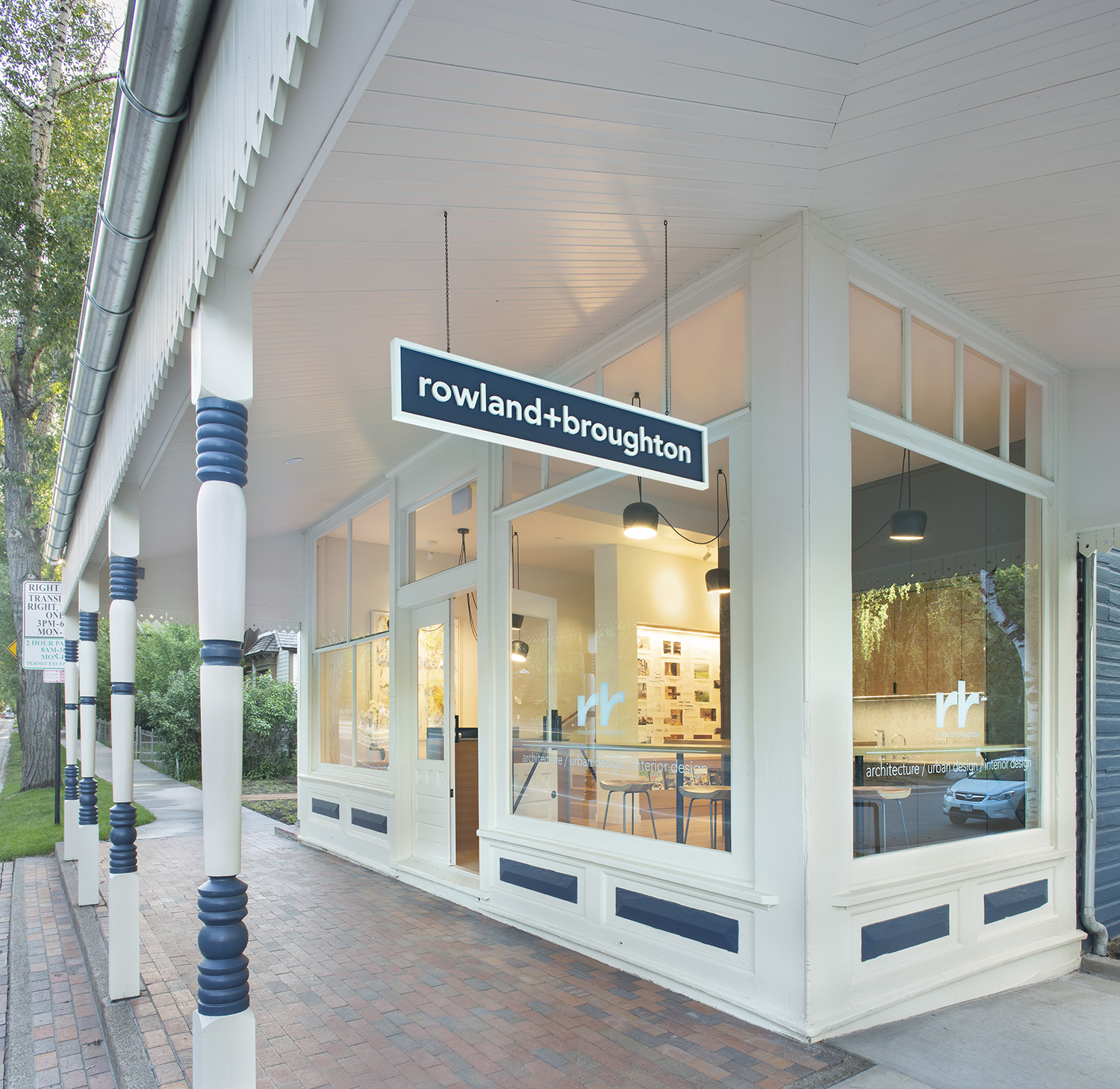
The historic Mesa Store, located on Main Street at the entrance to Aspen, is the home of R+B’s Aspen studio and our national headquarters. Designated and registered with the City of Aspen Historic Preservation Commission, the 1888 Mesa Store has long enjoyed a distinct vantage point at the top of Aspen’s Main Street, the mesa. The street dips down into the commercial core, leaving the building prominent on the site.
Restoration efforts included removing all non-historic proportioned windows and replacing them with replicas as researched in historic photos. The non-historic, covered entry roof fascia was removed and the historic detailing that had been covered up was restored and preserved. The non-historic exterior covered stair and deck was restored per the historic photos. All new plumbing, electrical, data, security, and fire protection prepared the property for the next century, further preserving Aspen’s authenticity and historical heritage. Accessibility was enhanced by adding an elevator that connects all three levels, as well as accessible park and entry. New landscaping and gardens complement the historic patterns of Main Street, while providing a modern aesthetic and accommodating a storm water infrastructure.
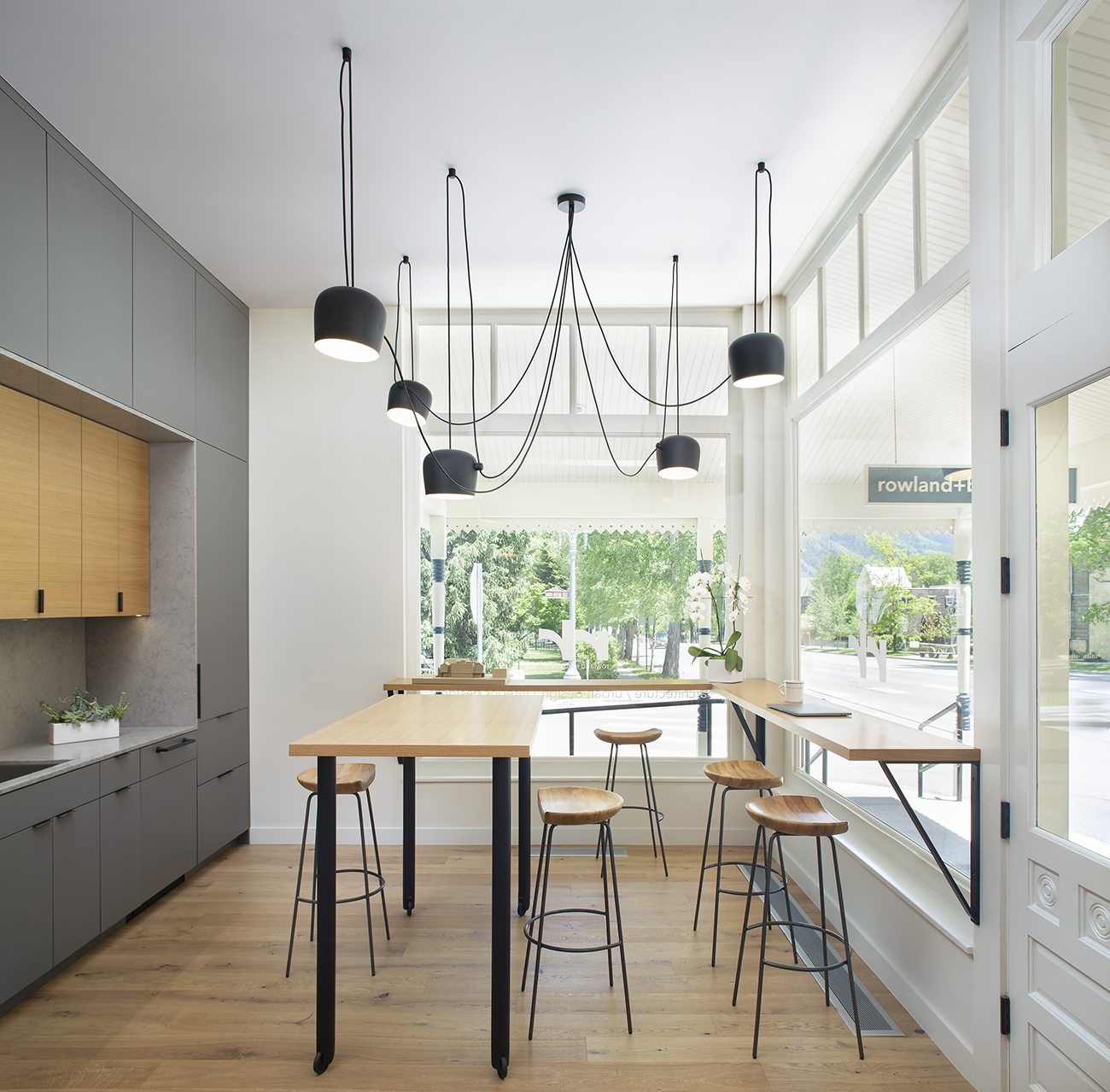
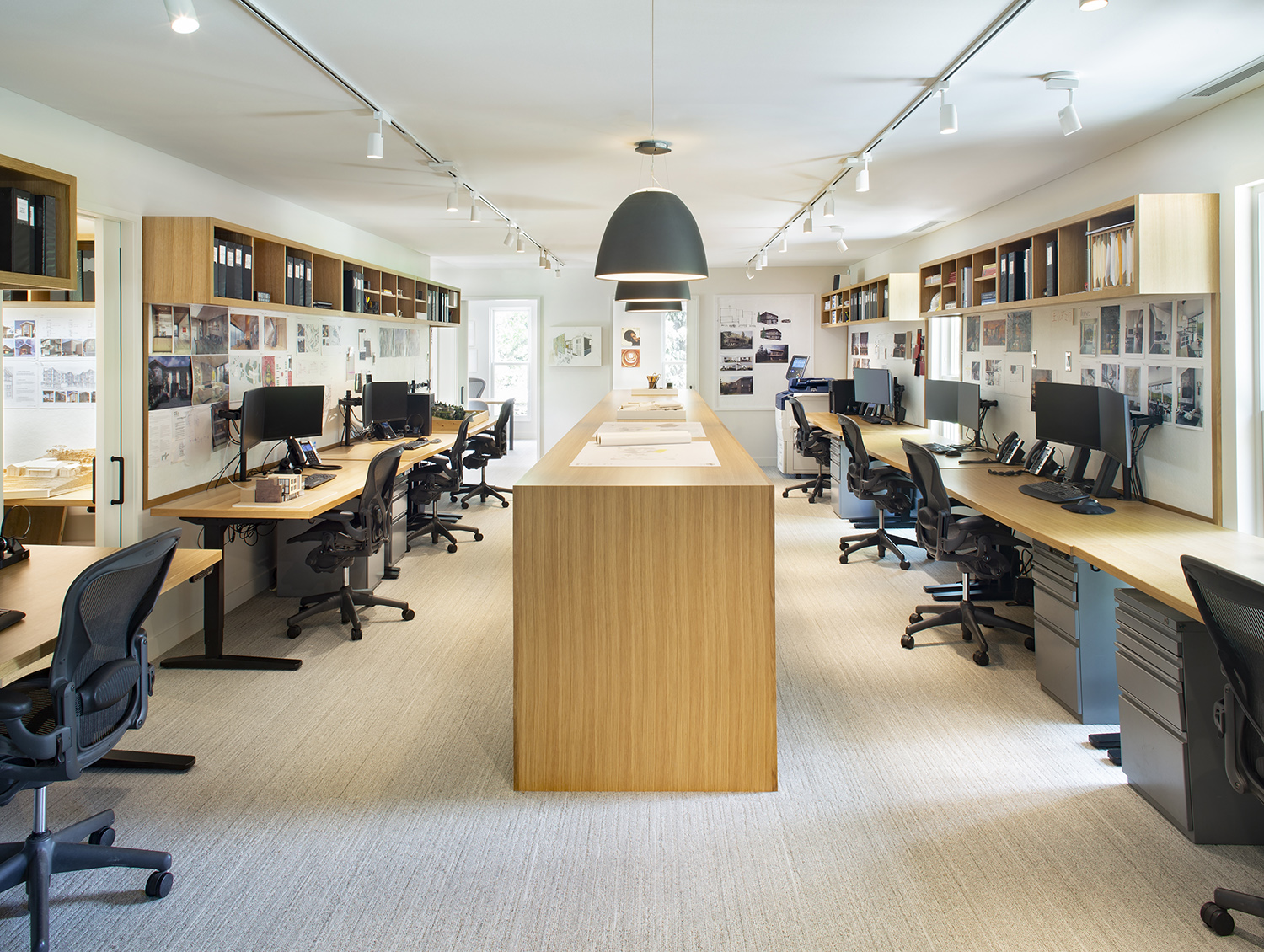
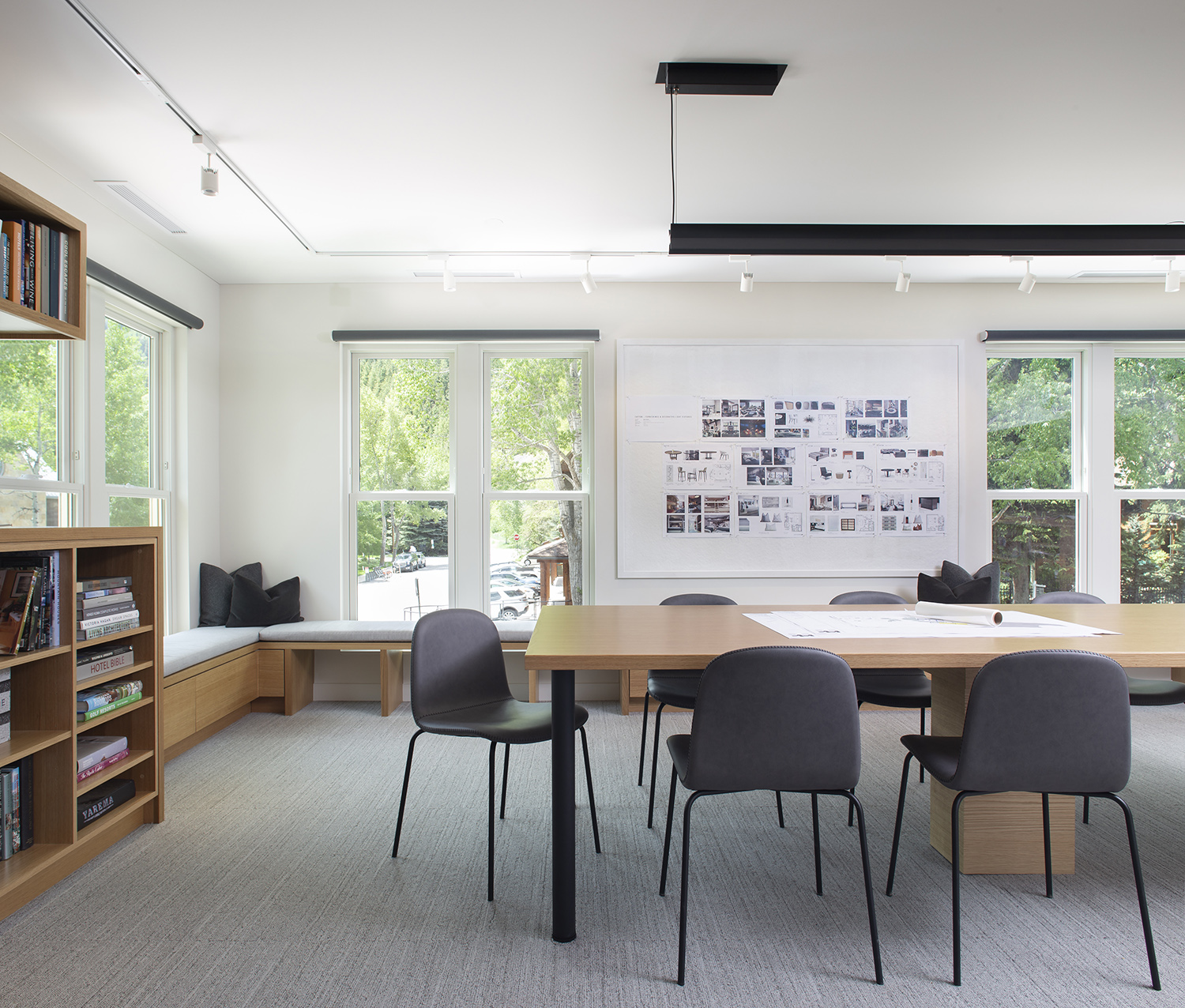
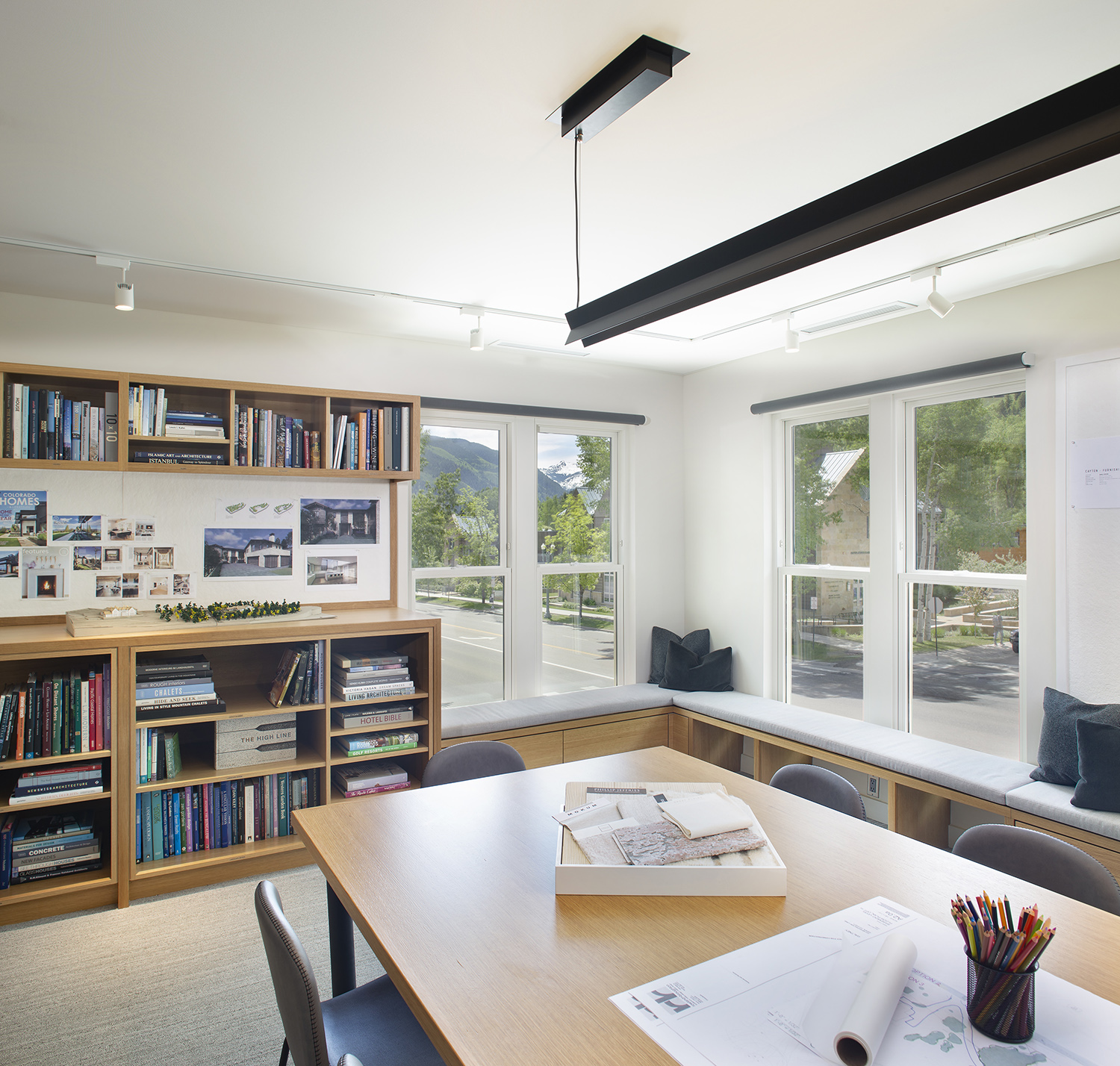
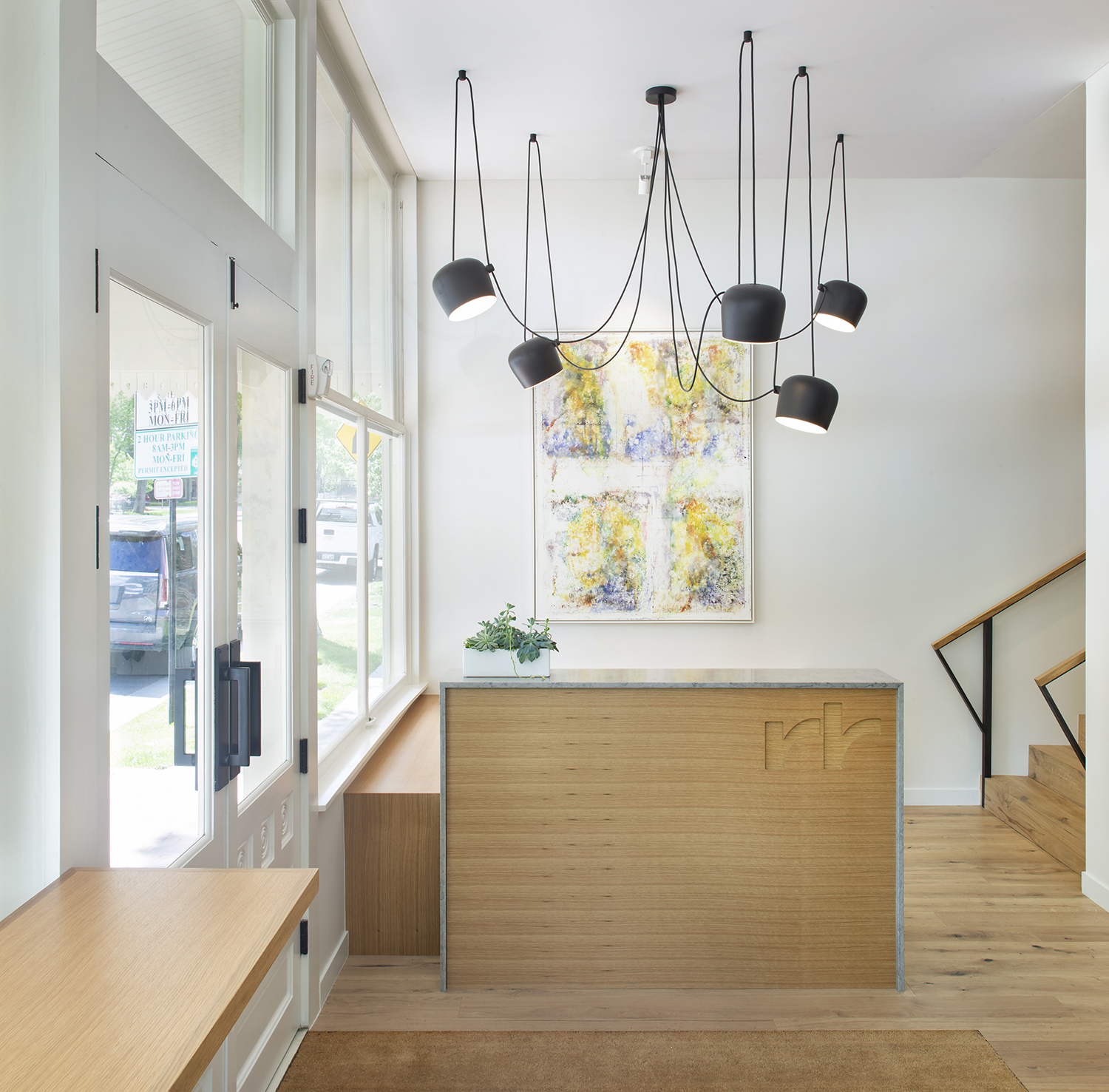
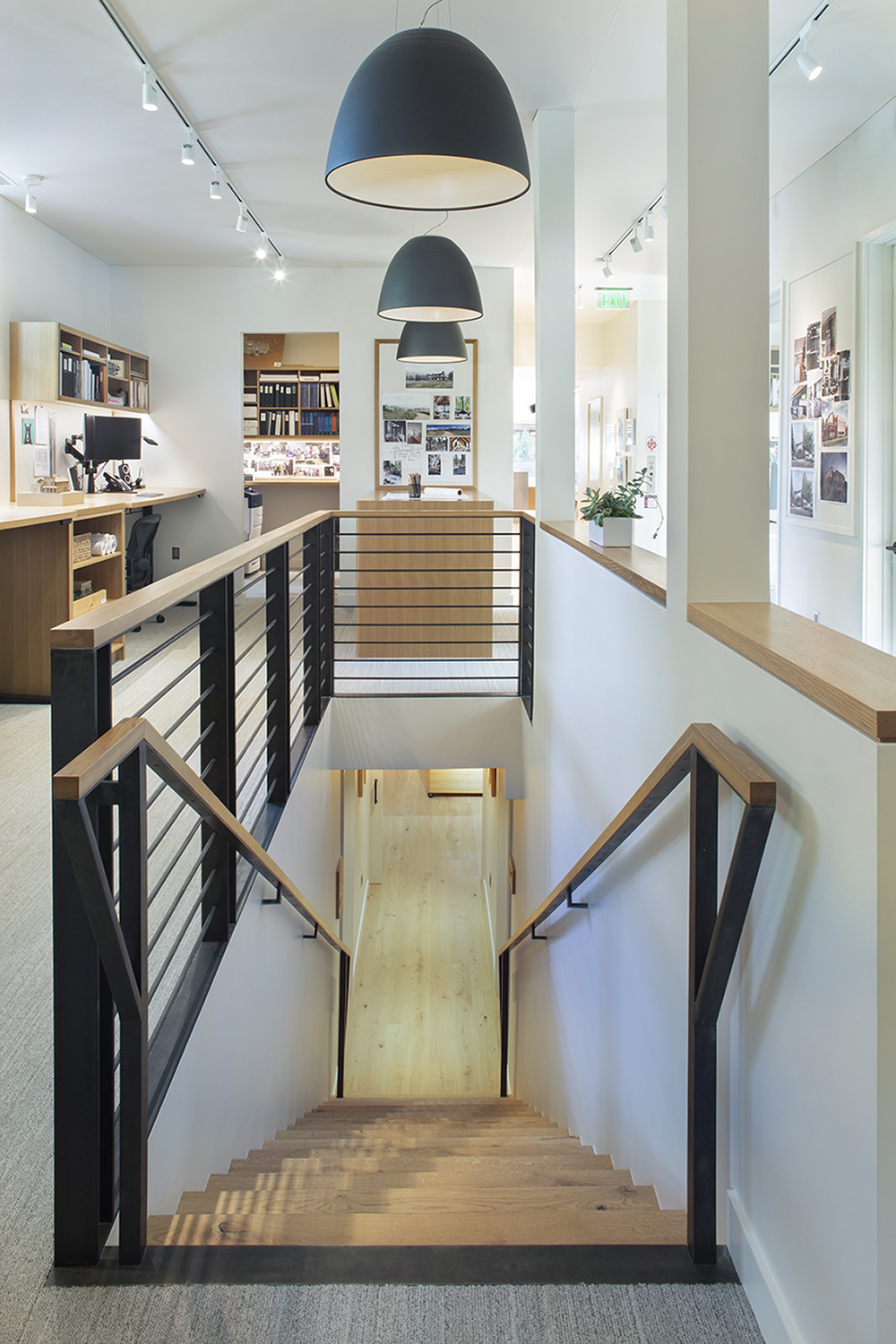
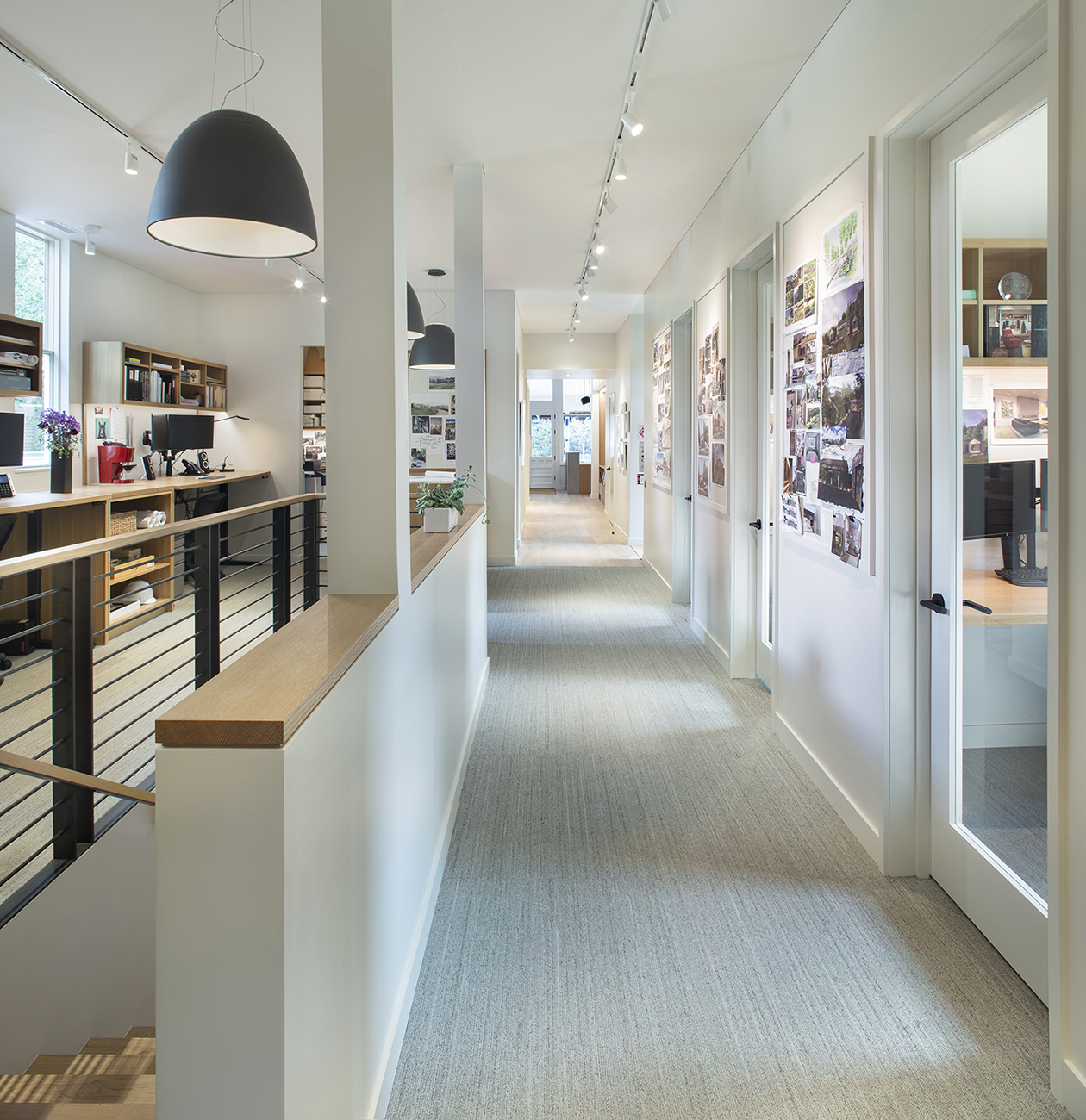
The sustainably designed tri-level interior is modern and bright, featuring white painted walls, white oak millwork and character grade oak flooring accented with black hardware and guardrails. In addition, all ceilings are white acoustic fabric by WhisperSpan.
The entry is surrounded by an enormous historic glass storefront that once saw uses as a bakery, general store, yoga studio, and retail. This inspired the design team to respectfully place a welcome desk and kitchen that encourages the spirit of the hospitality of the past.
The driving concept was to create highly collaborative work and circulation spaces that are surrounded by individual work zones at the perimeter. Uplift desktops and built-ins were custom designed to maximize comfort and efficiency.
The Mesa Store has been our favorite Main Street building since the day Sarah Broughton and I first came into town, and shepherding it into the future is something we don’t take lightly. Building on the legacy of our firm while acting as the faithful stewards of this important property is humbling. As we embrace the opportunity to control our own destiny, it’s an honor and a privilege to call the Mesa Store our studio and R+B home! – Principal, John Rowland, AIA
Project Size
4,578 SF
Project Awards
-
2023 AIA Colorado – Design + Honor Awards
-
2019 Colorado Custom and Remodeling Excellence (CARE) – Custom Home Award
Publications
-
Aspen Times Weekly, July 2019
-
InspireDesign, March 2019
-
Colorado Construction & Design, 2019
-
Aspen Peak, Winter 2018
-
5280.com, August 2017
R+B Services
-
Architecture
-
Interior Design
-
Entitlements
-
Renderings
Project Team
-
Landscape Consultant: Busy Beavers
-
Landscape Architect: Stan Clauson
-
Structural Engineer: KL&A
-
Mechanical Engineer: RTM
-
Civil Engineer: High Country
-
Audio/Visual: Paragon
-
Photographer: Lisa Romerein
-
Photographer: Brent Moss
-
Contractor: Schlumberger Scherer
Rusty Parrot Lodge and Spa
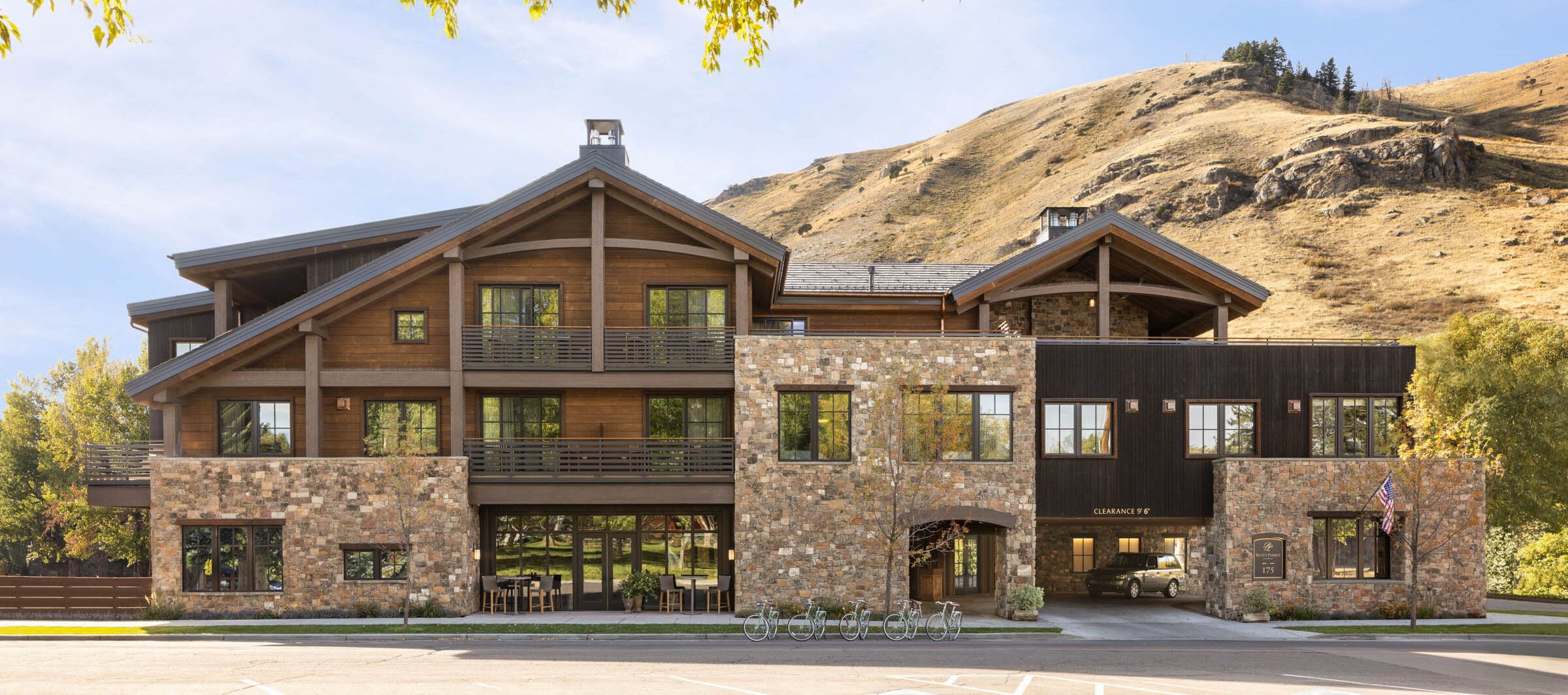
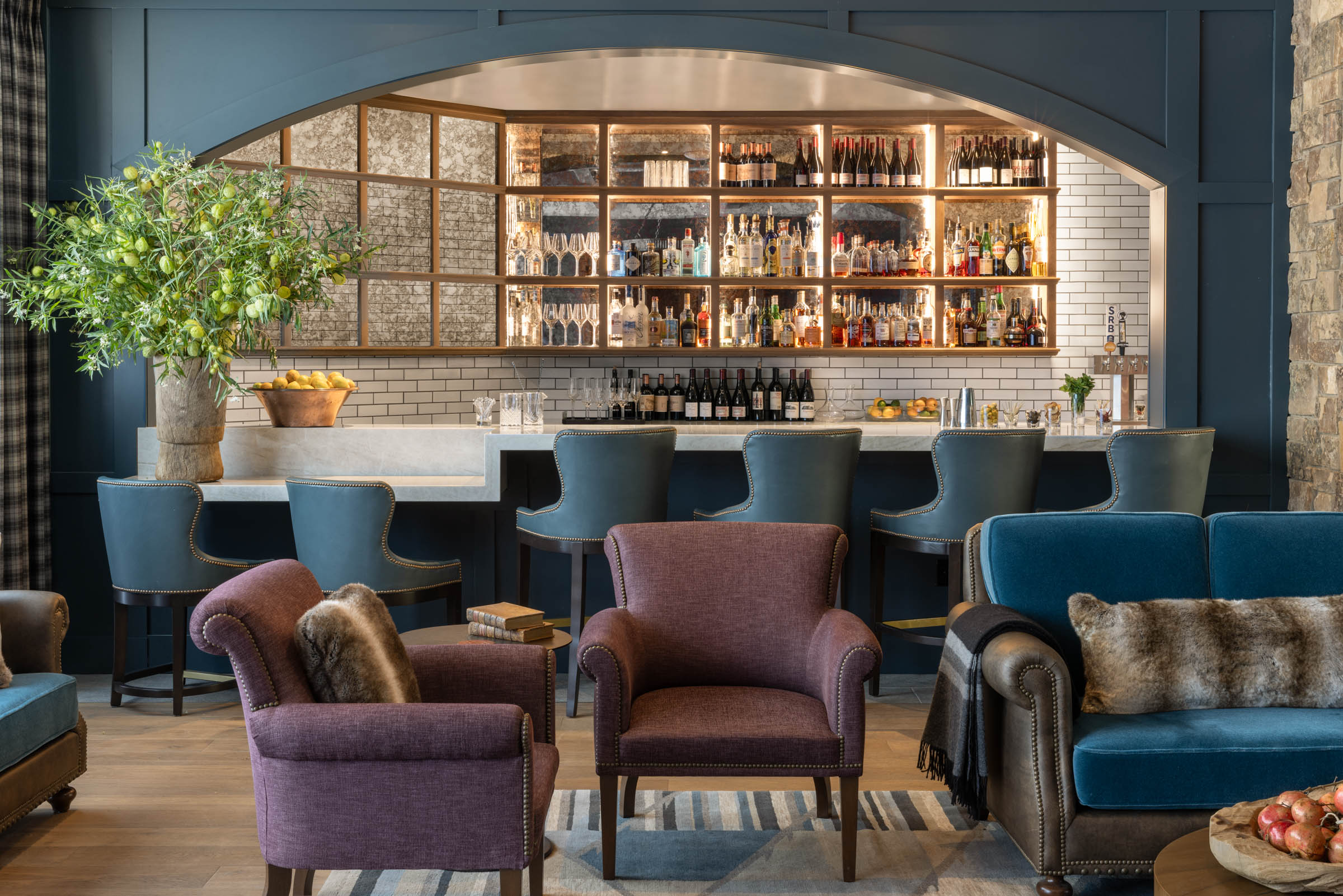
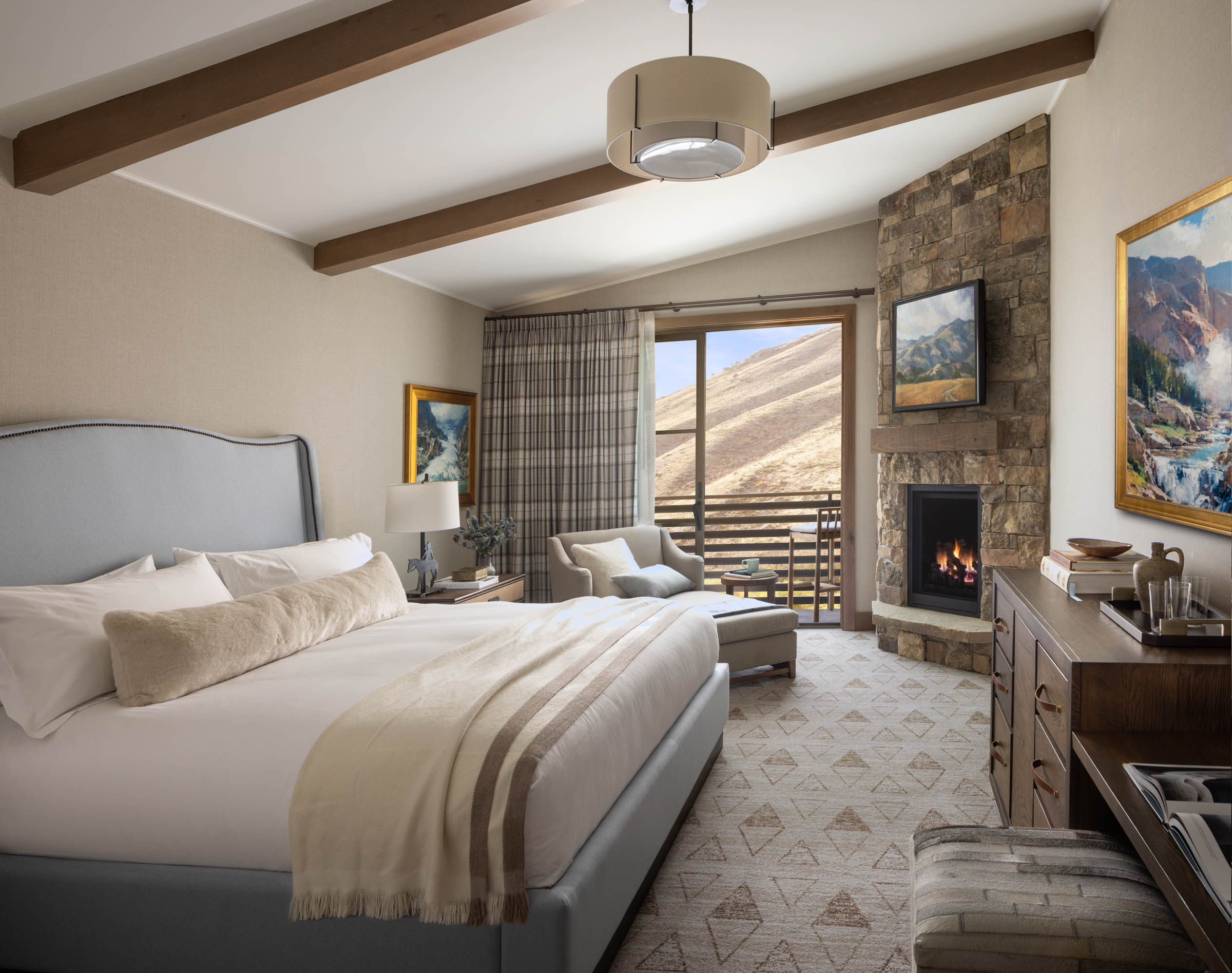
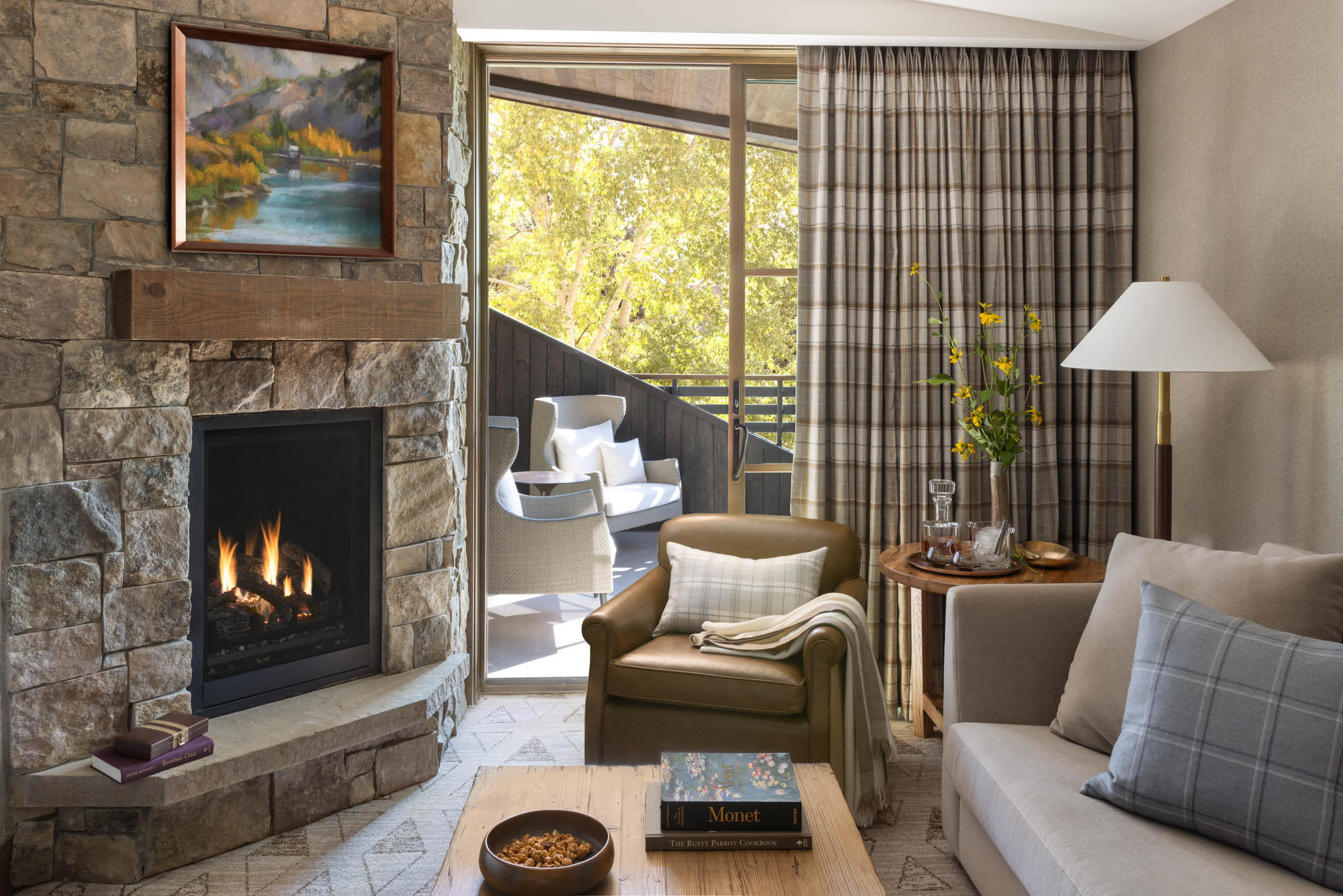
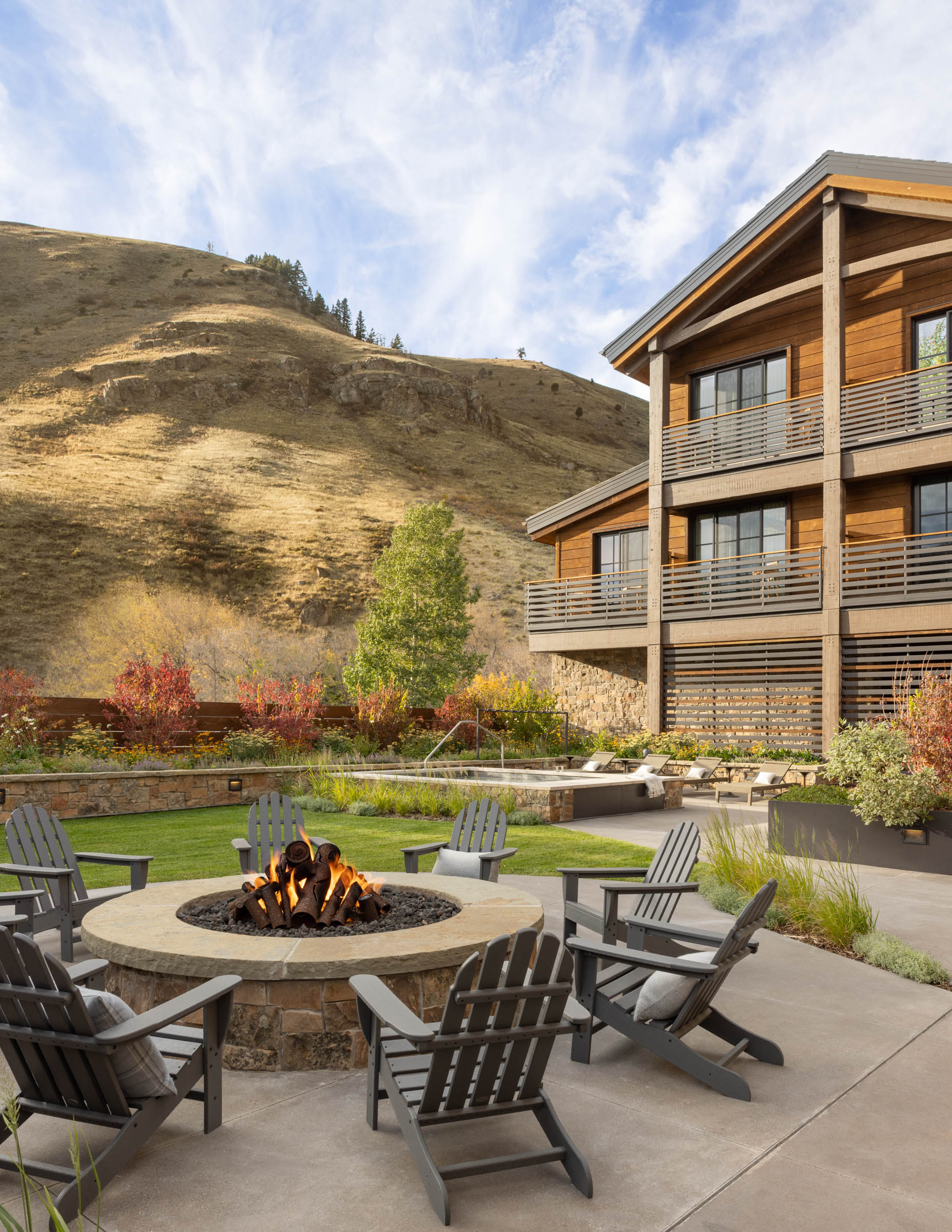
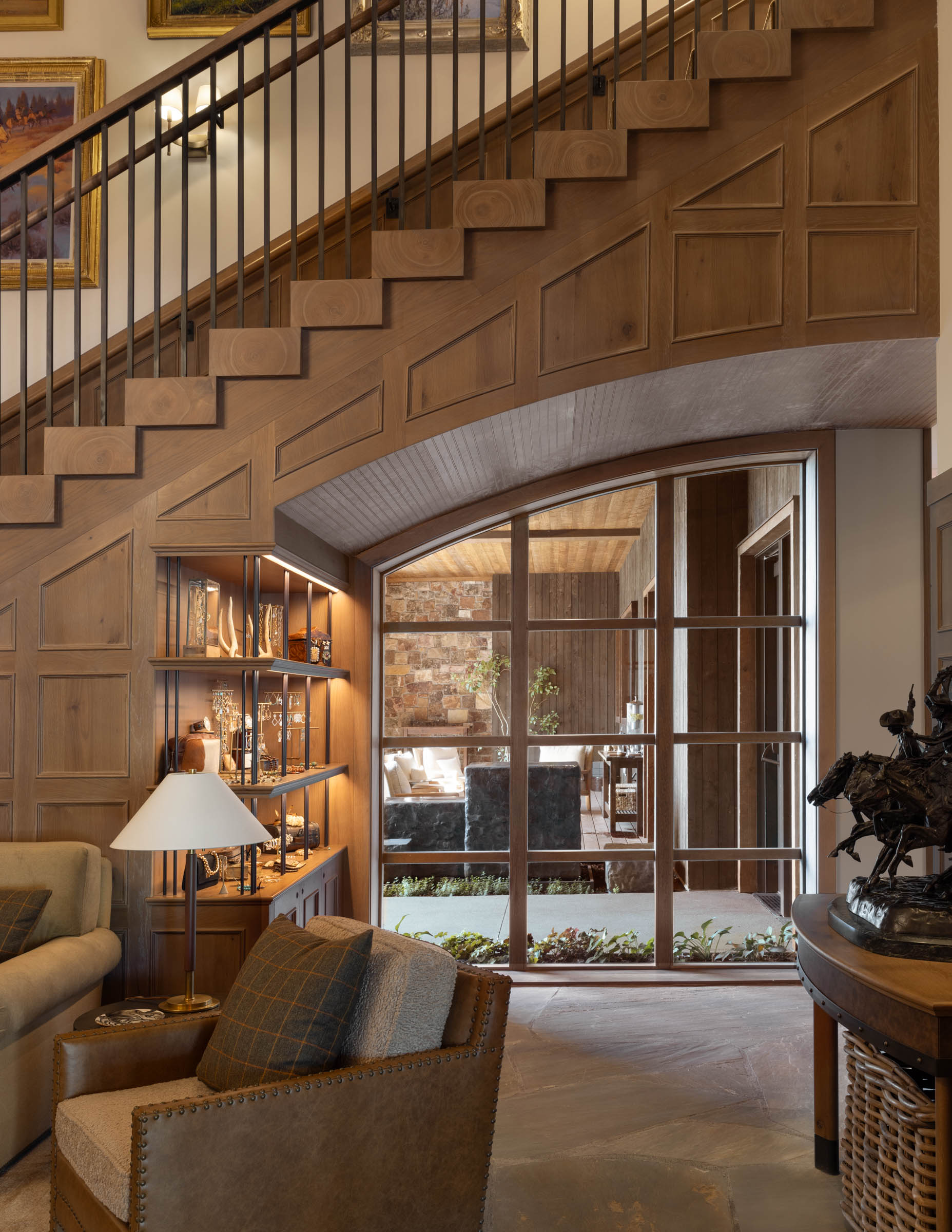
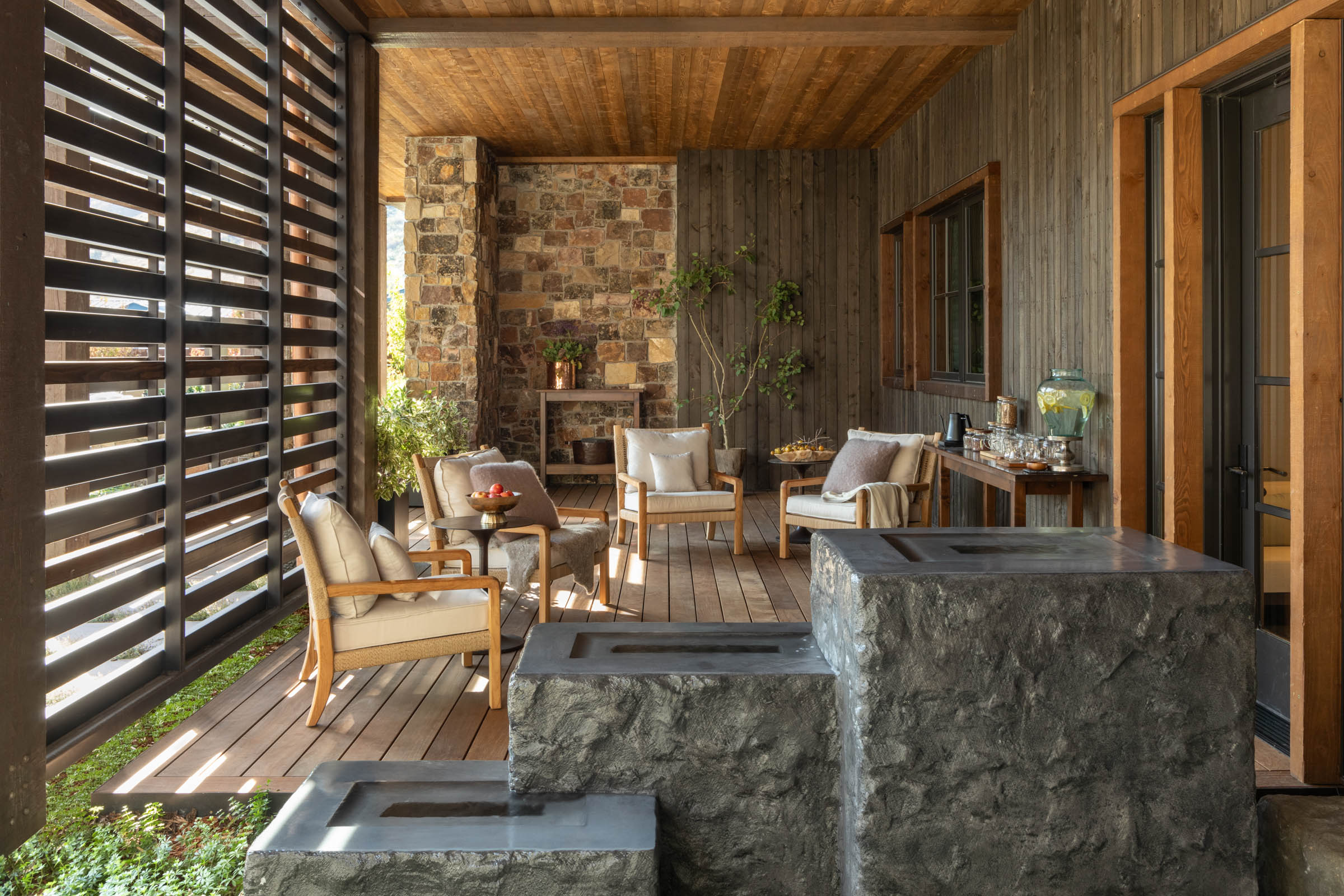
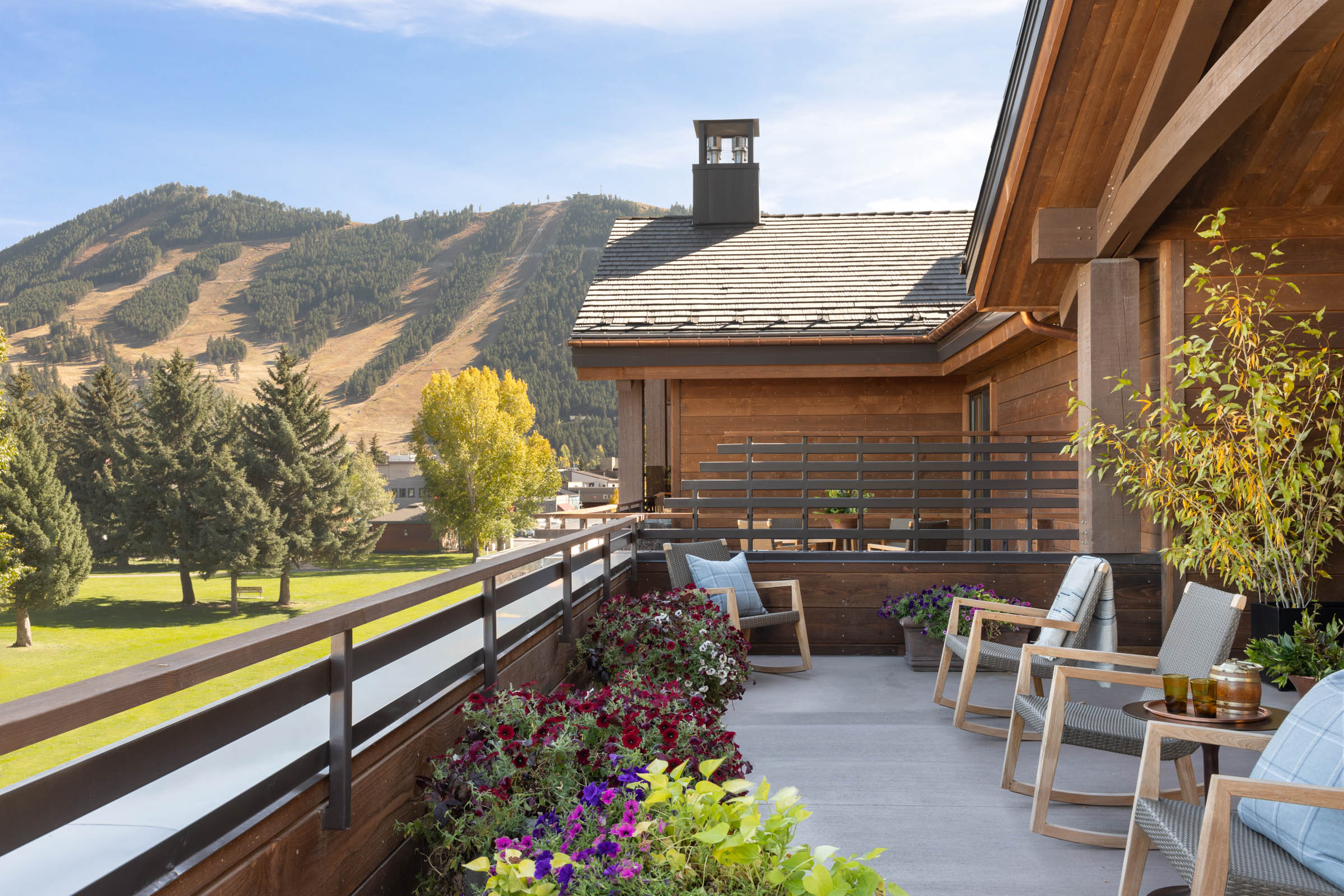
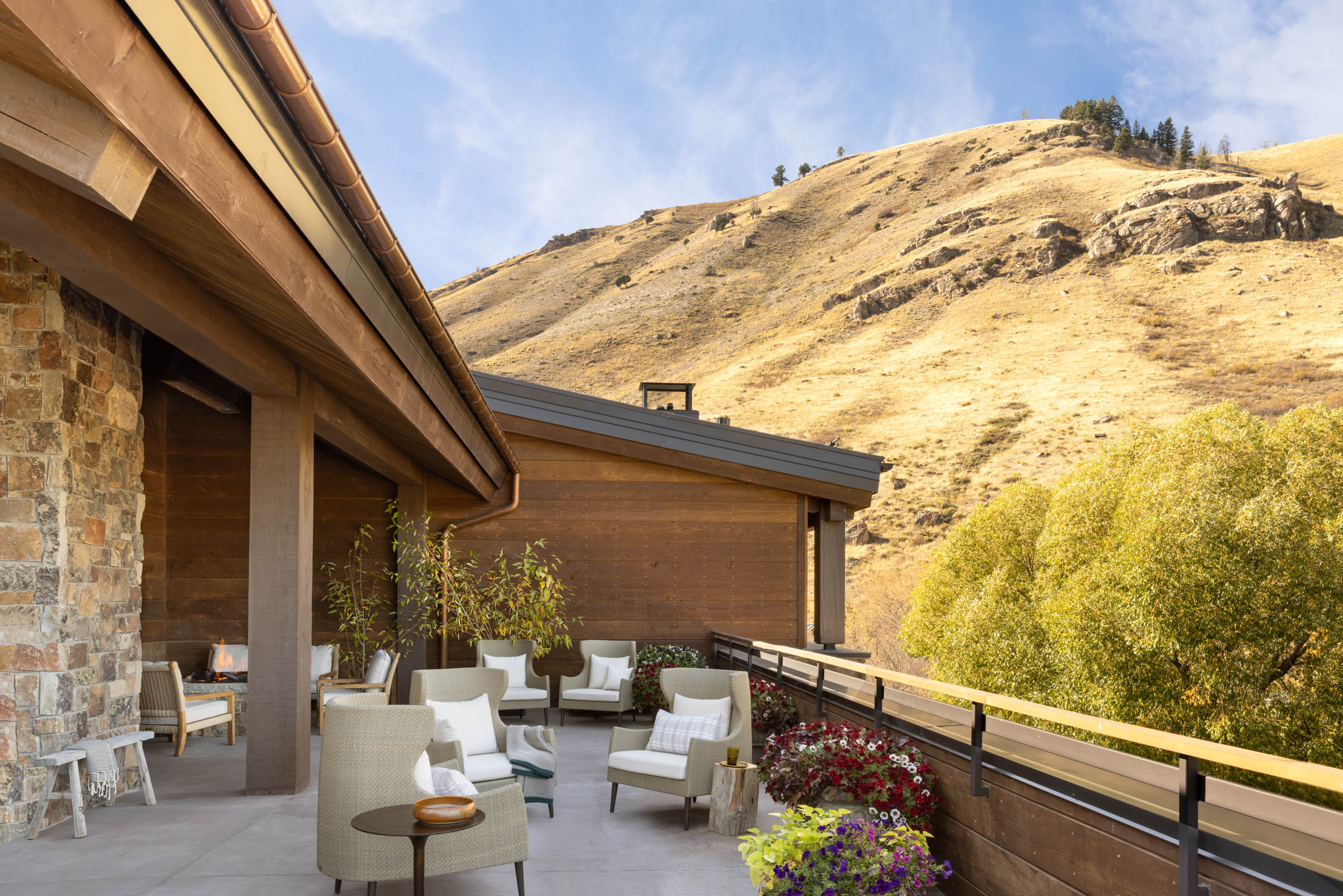
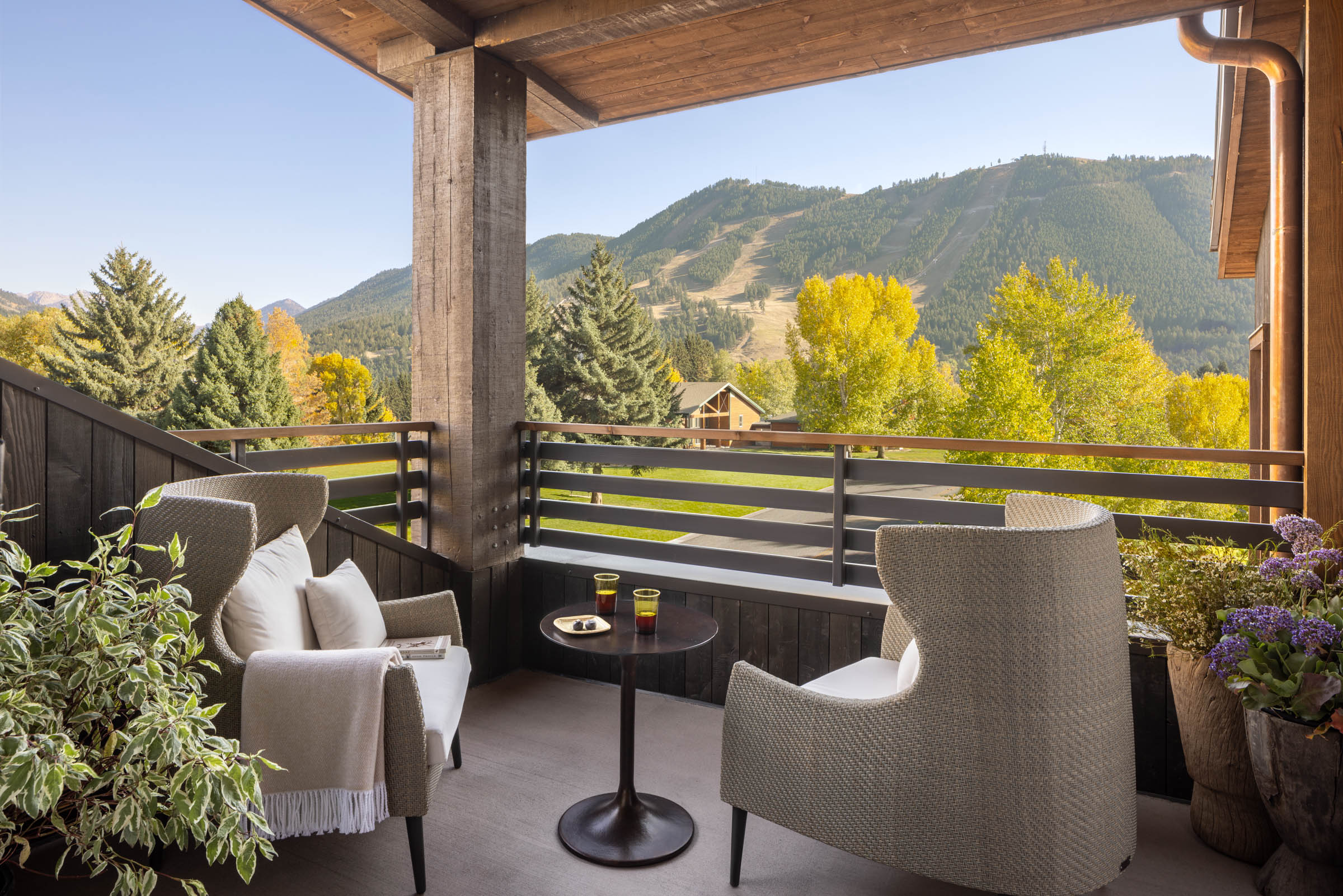
Replacing a beloved building with a new version – one that doesn’t disappoint those who remember, and were fans of, the original – remains one of the most interesting, and tricky, of design opportunities. How do you protect and preserve and, at the same time, advance and innovate? That was the challenge when R+B was selected to resurrect the Rusty Parrot Lodge, an iconic Jackson, Wyoming luxury inn that had been destroyed by fire. The owners were determined to recapture the eccentric flavor that popularized the original – even as they recognized the need to contemporize the design (and make it code-compliant), improve the lodge’s amenities, and render the entirety a model of sustainability.
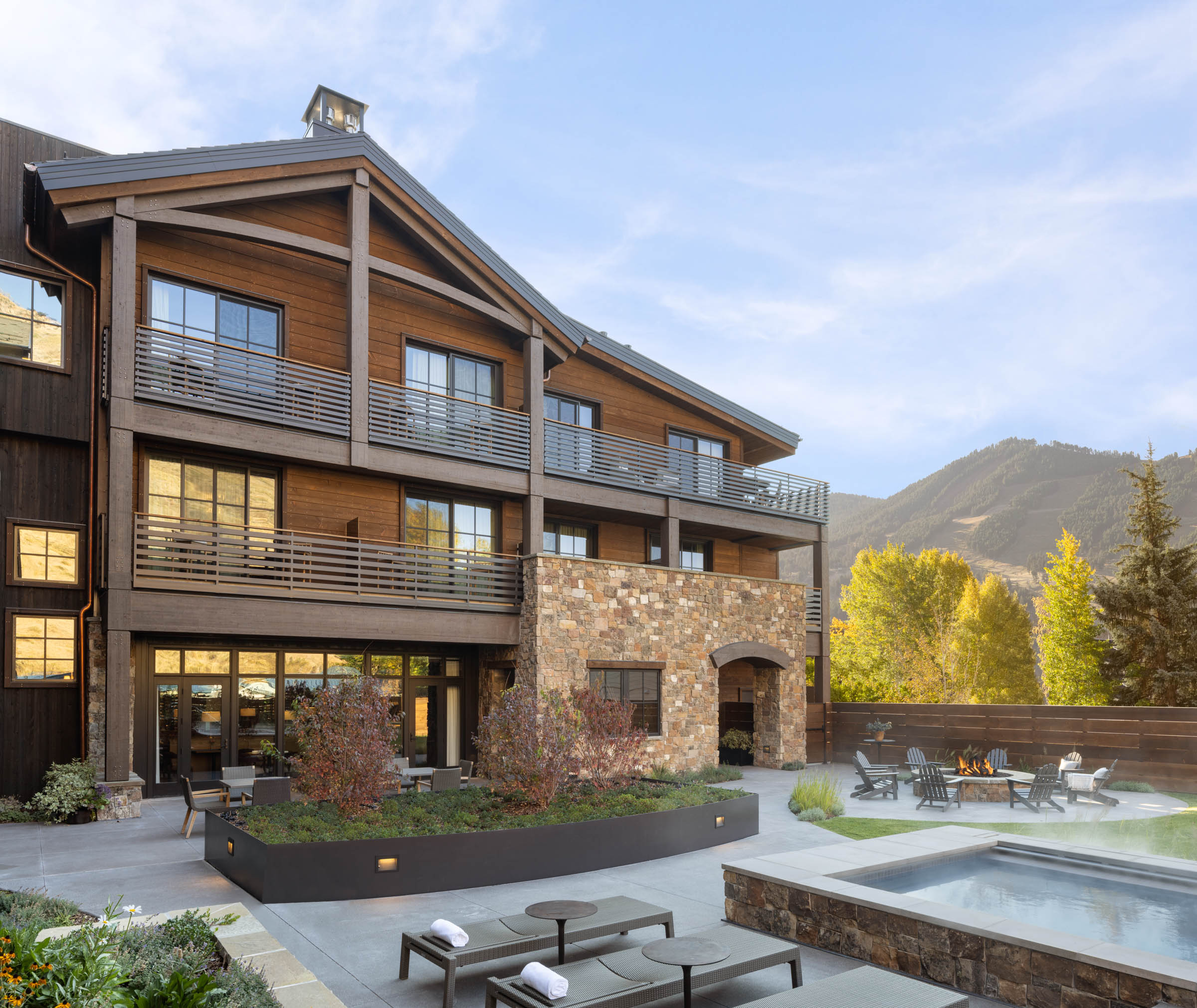
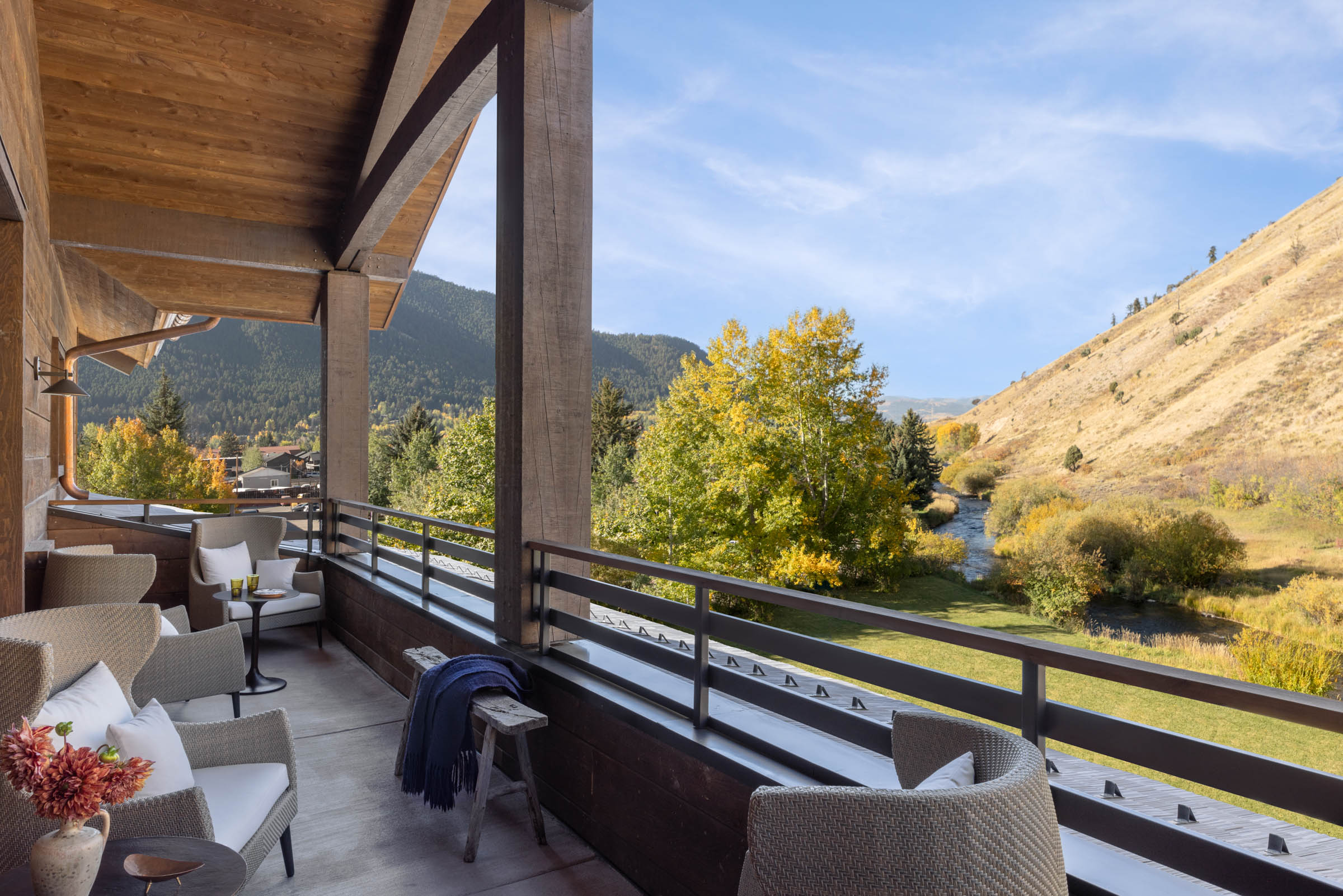
The site, at the convergence of the town grid and its rural surroundings, suggested a complementary architecture, at once urban and indebted to regional traditions. Inspired by the great lodges of the historic west, the wooden, three-story gabled structure emerges from low stone walls suggestive of a preexisting artifact, a seductive interweaving of past and present. Compliance with the town’s zoning standards influenced the inclusion of private porches and communal balconies – the latter named The Perch and the Wildlife Deck – which allow the building to taper in mass and scale while generating an undulating rhythm of solids and voids that, not least, affords an embrace of a spectacular setting comprised of mountains, valleys, wildlife, and parklands.
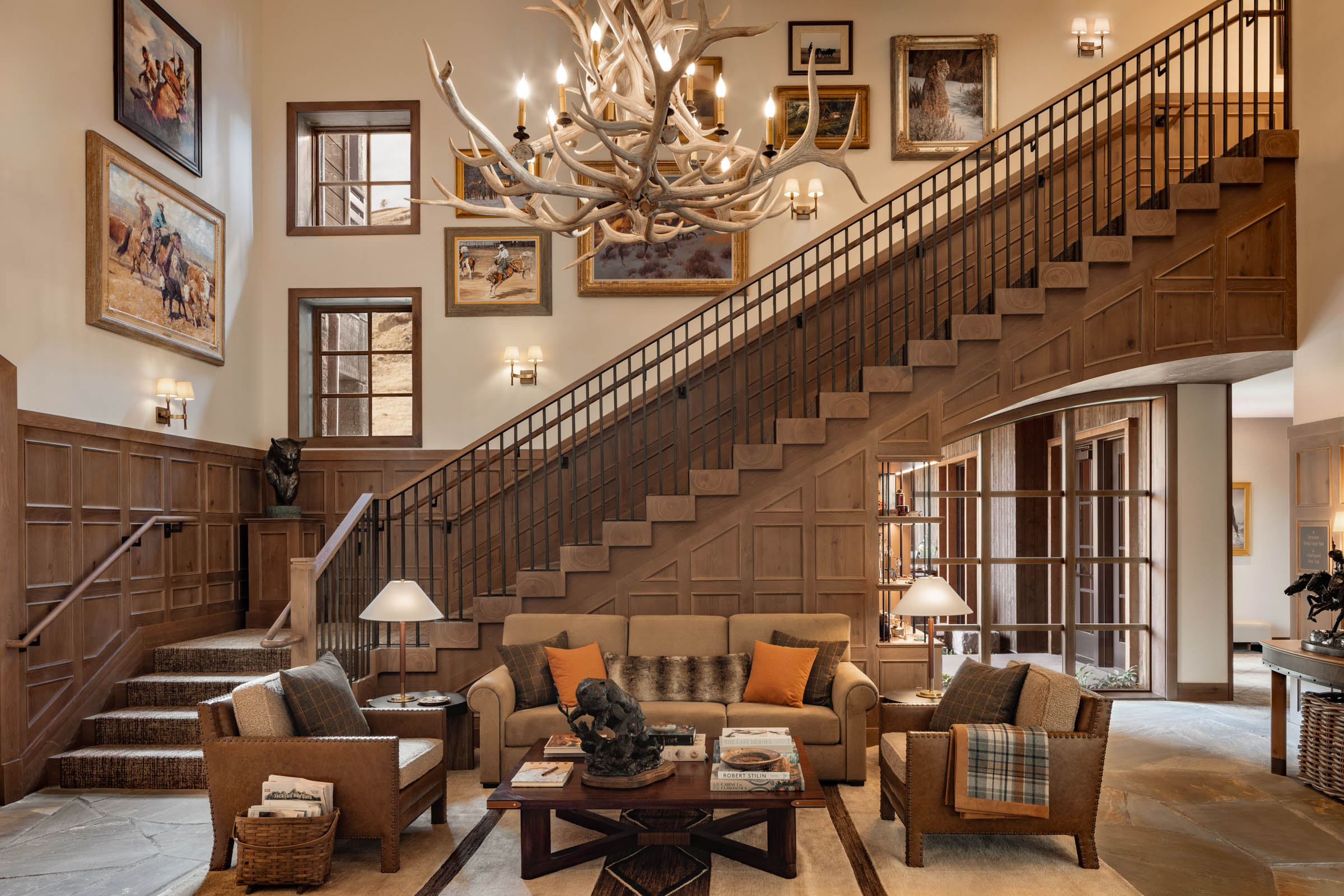
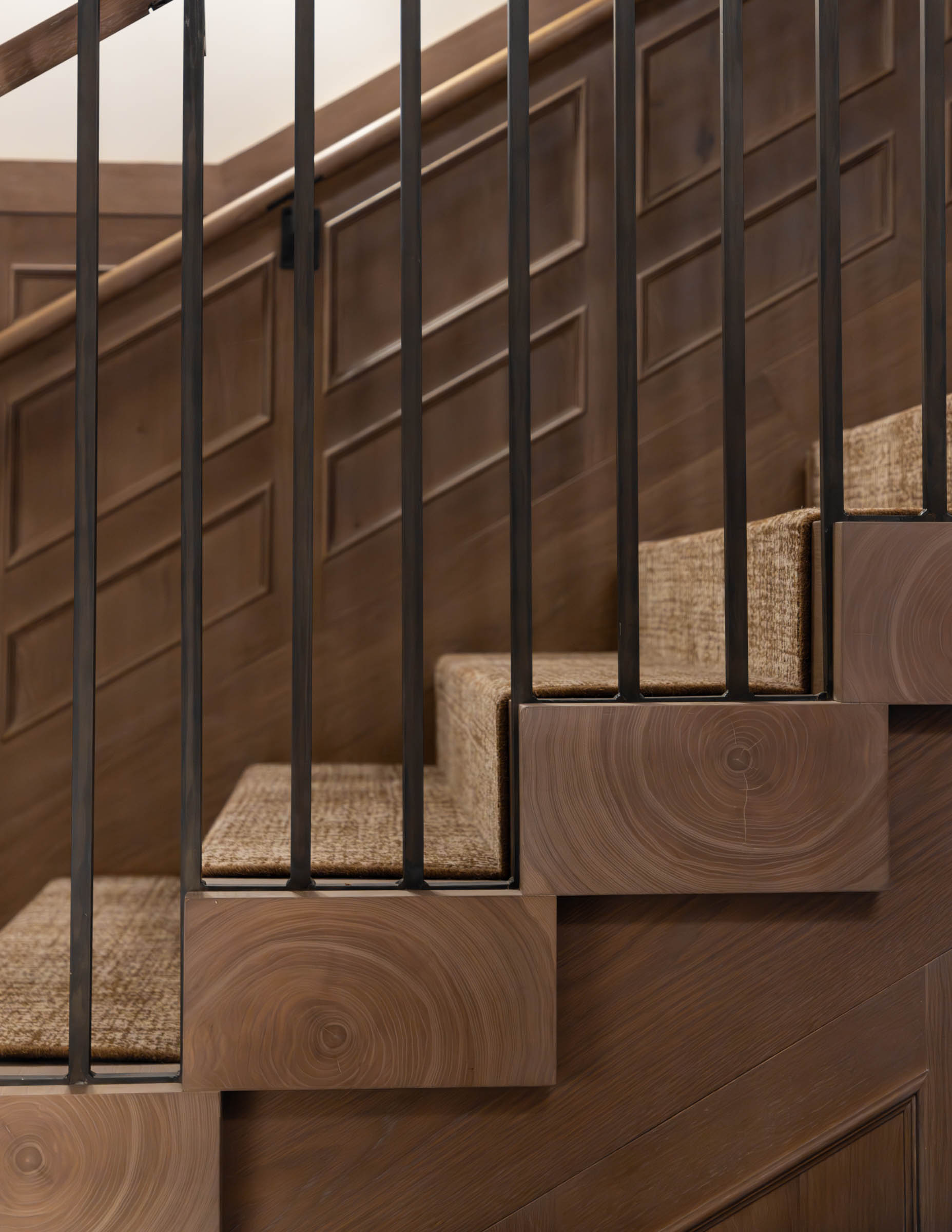
On the exterior, the inclusion of a porte-cochère ensures that arriving guests enter the lodge while entirely protected from the region’s inclement weather. Within, the owners expressed a commitment to preserving the old Parrot’s warm domestic character, famously reinforced by the seductive scent of on-site baking. In response, R+B crafted a commanding grand stair – the new interior’s defining feature – which, in addition to connecting the lodge’s three floors and encouraging collective conviviality, draws the aromas upward, infusing the entirety with the pleasurable presence of home cooking.
R+B’s embrace of sustainable practice includes an open-loop ground-source heat pump, geothermal cooling via a subterranean natural aquifer, and advantageous siting driven by optimal solar access. Subterranean parking reduces the site’s visual footprint, and enabled the construction of a tranquil south-facing garden revealing panoramic views and warmed by the sun.
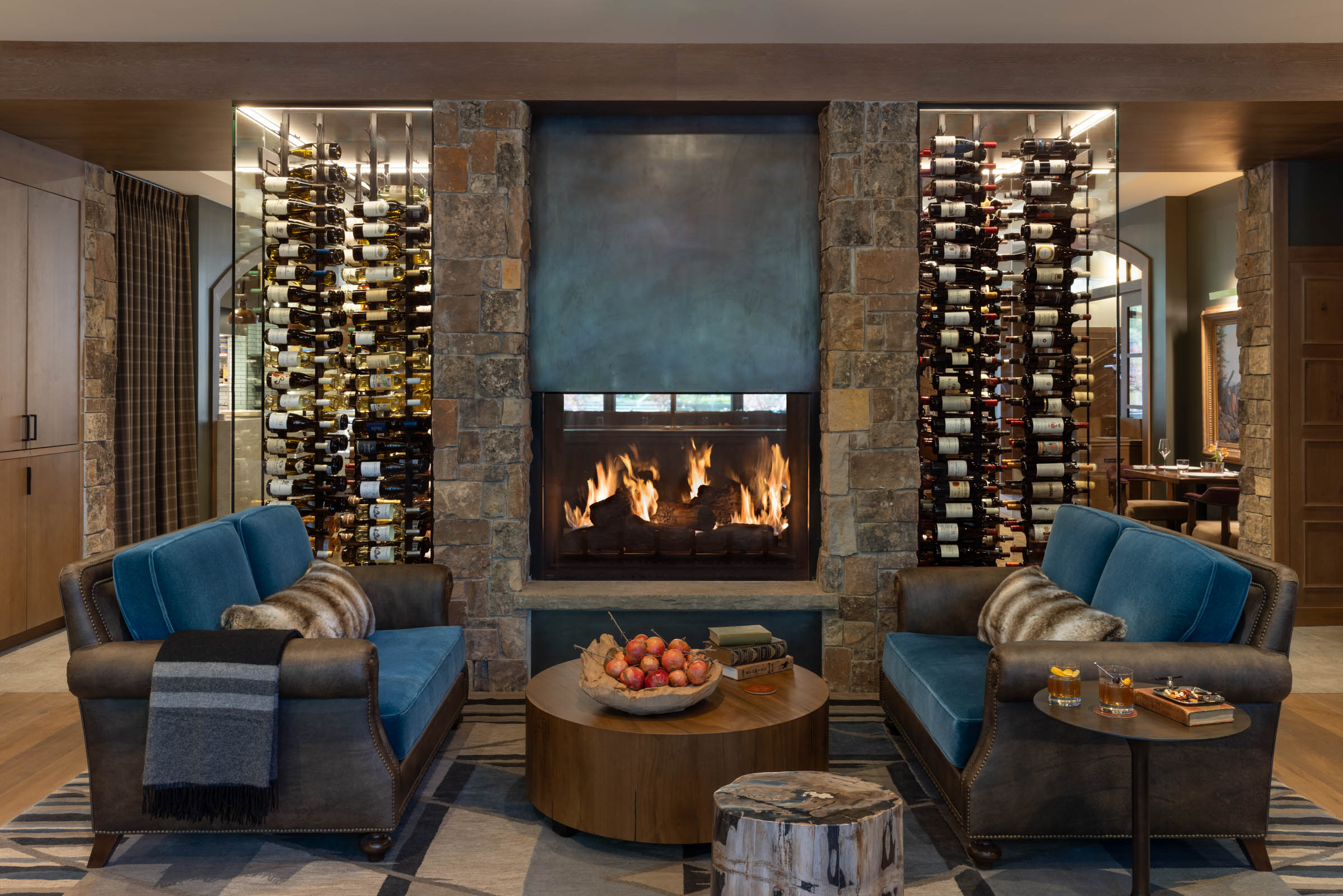
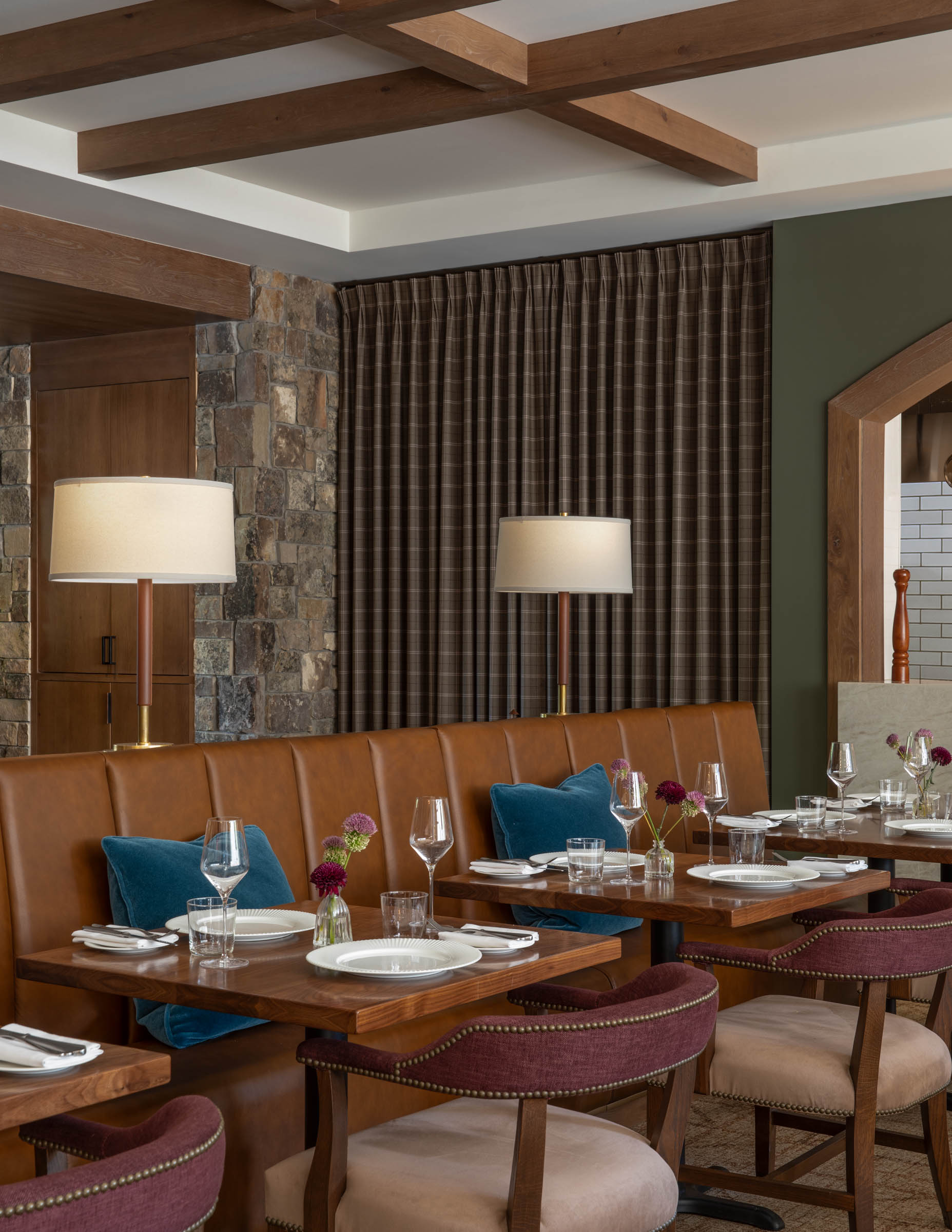
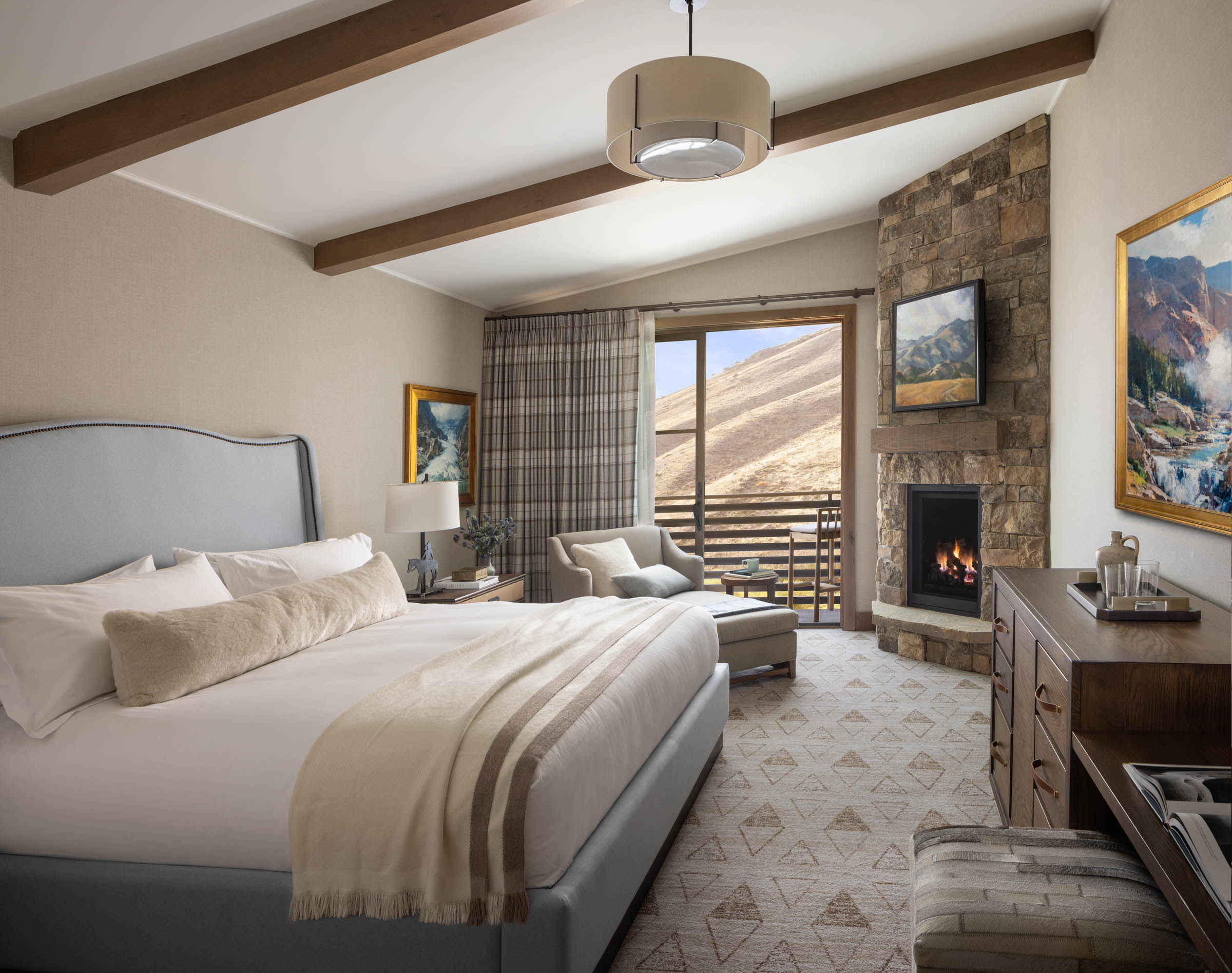
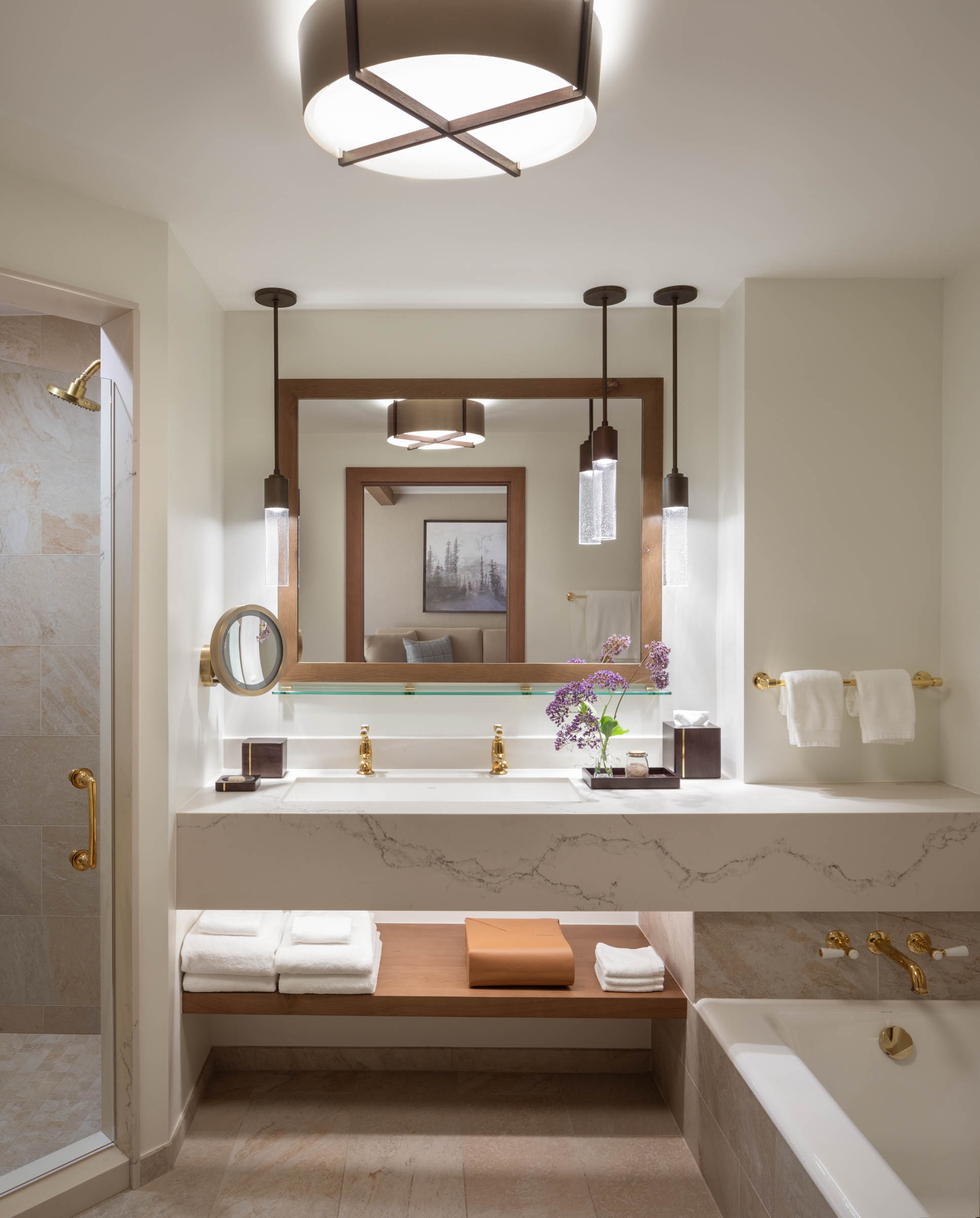
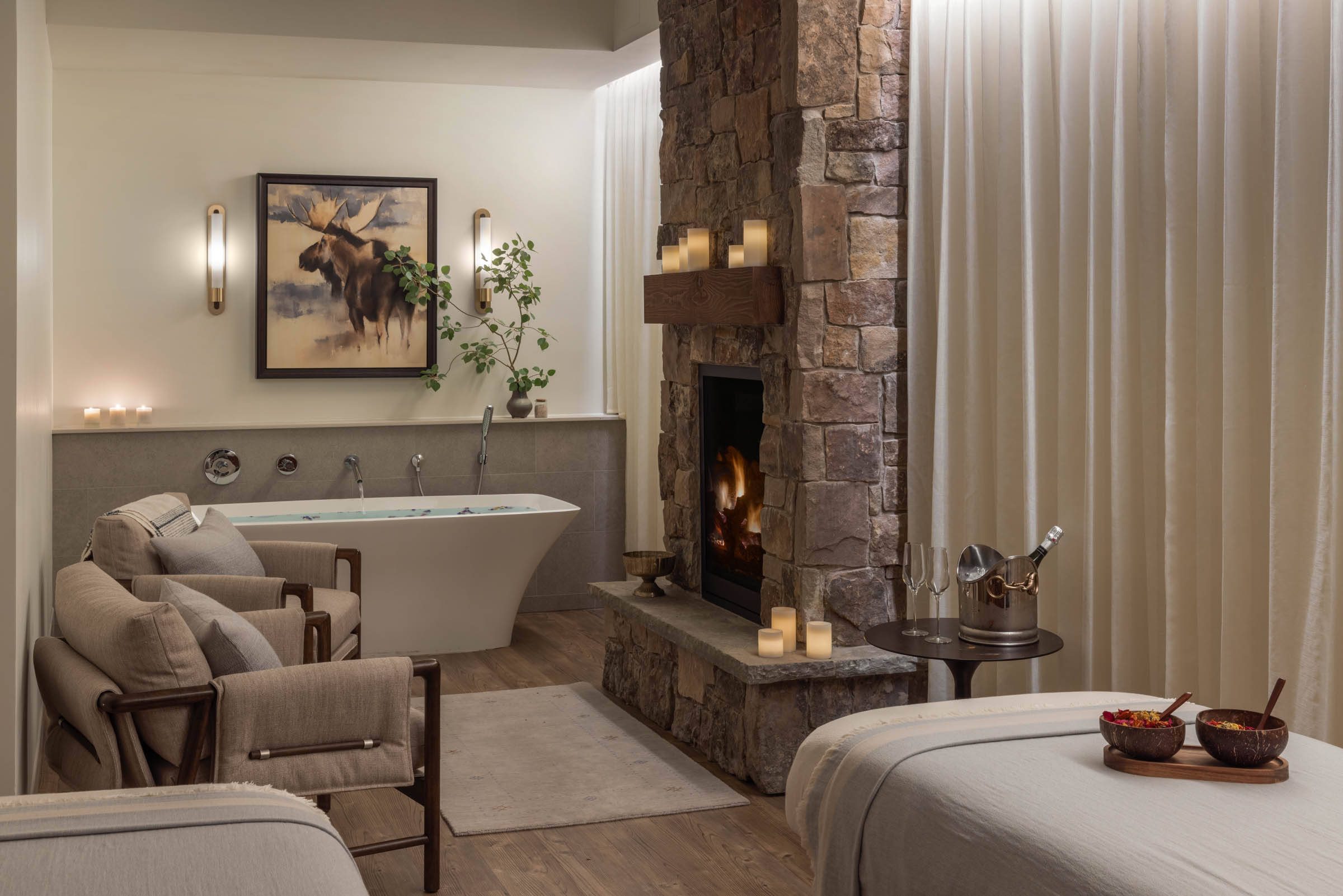
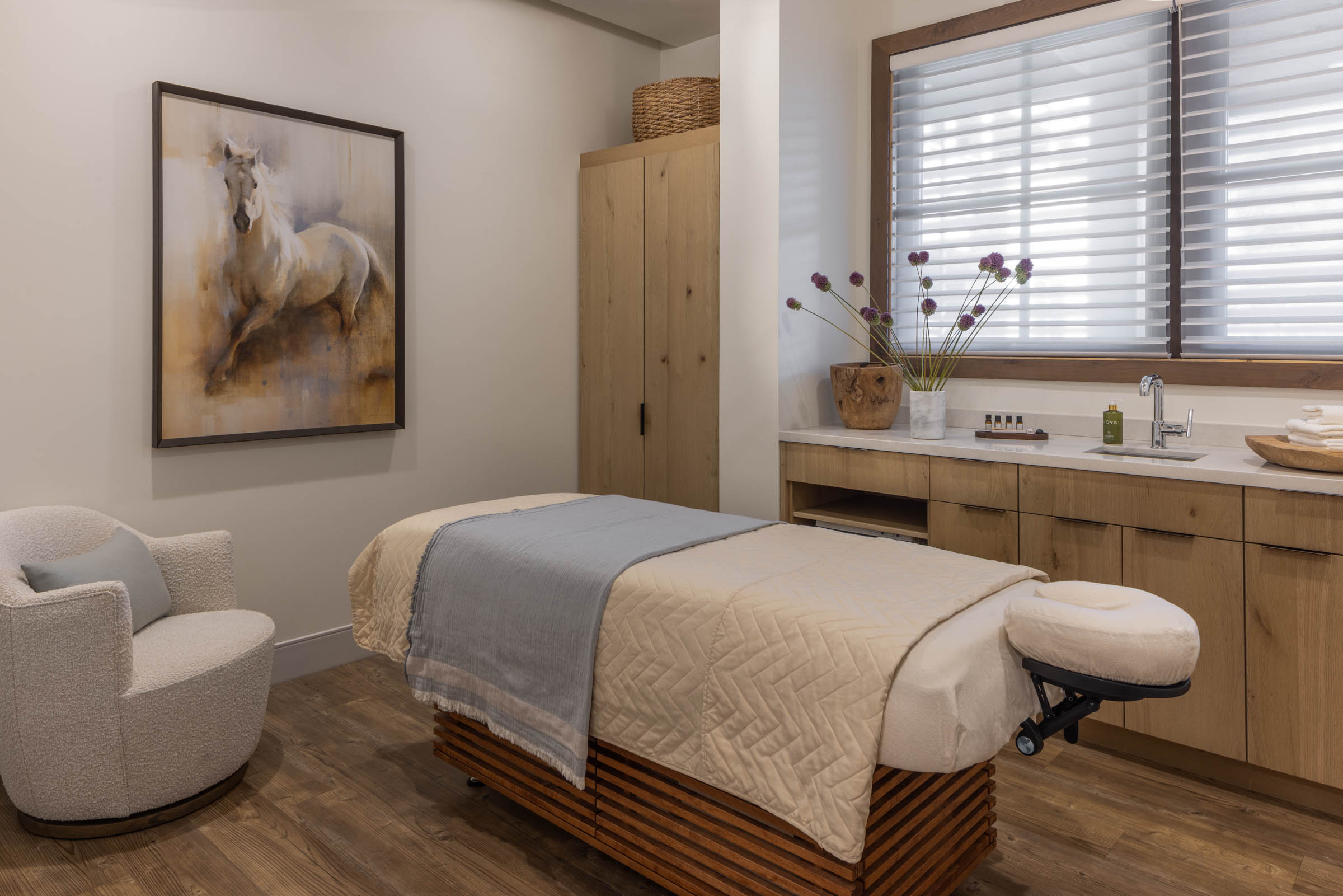
A central theme of the project was a sense of discovery, a philosophical underpinning of the original lodge. Accordingly, a series of ‘found moments,’ which encourage guests to explore the environment in comfort, are nested in the design; the experience is reinforced by a new spa, the gourmet Wild Sage restaurant (featuring a homespun open kitchen), and a double-sided fireplace shared by the domestic-scale lobby and barroom. Natural and local materials, migrated from the exterior into the décor, craft a subtle merging of the lodge and its surroundings.
The new Rusty Parrot bridges old and new, urban and rural, rustic and refined, and home and hospitality. The outcome brings back a lost legacy and – better still – sets the stage for the making of new memories.
Project Size
50,500 SF
Publications
R+B Services
-
Architecture
-
Interior Architecture
-
Renderings
Project Team
-
Interior Designer: WRJ
-
Landscape Architect: Agrostis
-
Structural Engineer: KLAA
-
Mechanical Engineer: Energy 1
-
Civil Engineer: Y2 Consultants
-
Photographer: Lisa Romerein
-
Renderings: Motiv
-
Contractor: ZCM