
Project Type: Interior


Mossywoods
On Orcas Island, the largest of the San Juan Islands of the Pacific Northwest and colloquially known as “the gem of the San Juans,” this intimate 1,200 square foot “getaway” cottage is set on a forested site within a long-time family farm.
With the challenge of restoring and contemporizing the original structure while preserving its innate charm, the design team repurposed scalloped wood shingles and other exterior wood working details handcrafted by the owner-couple’s family. Multi-color siding was replaced for a more monochromatic aesthetic to draw focus to the natural surroundings.
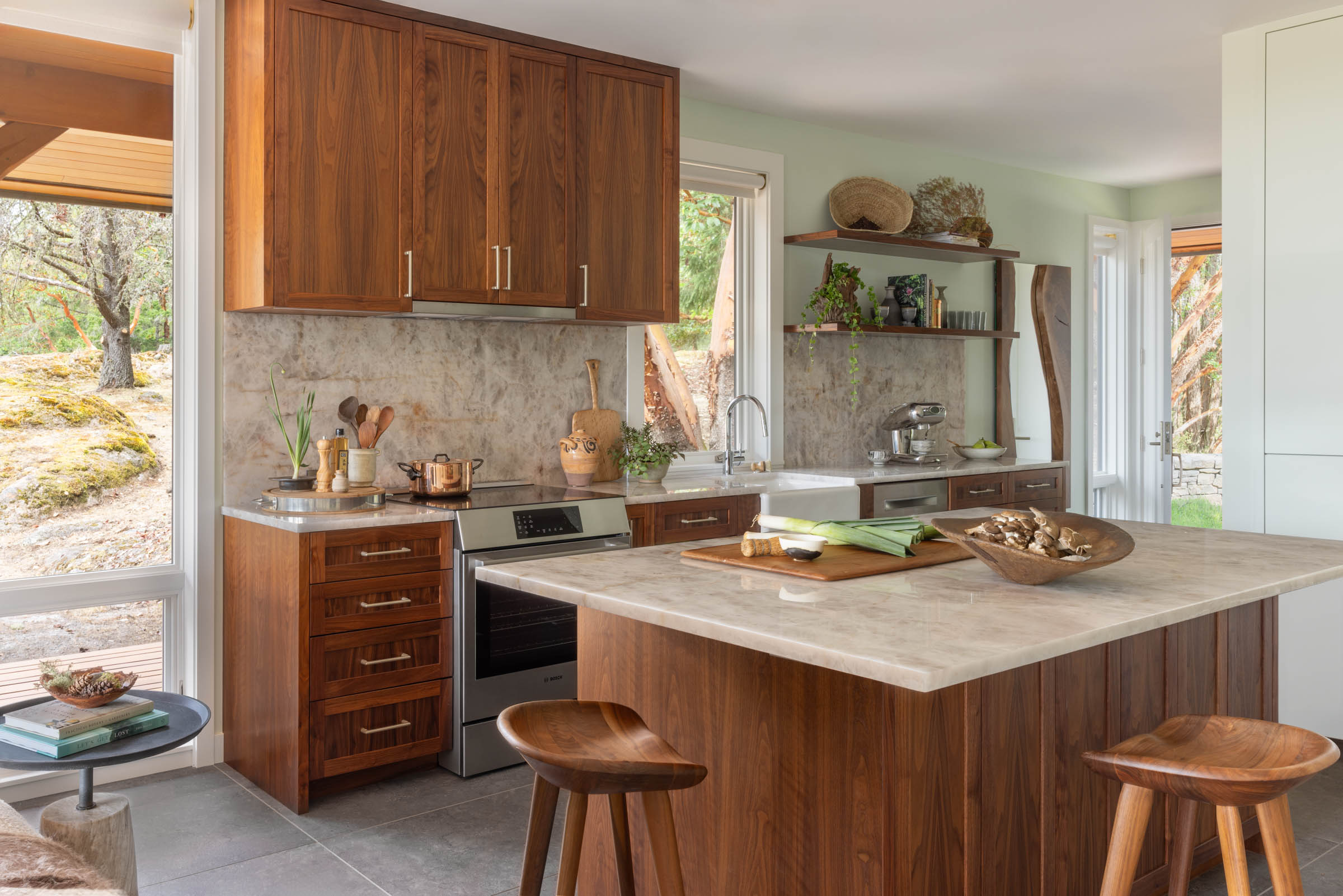
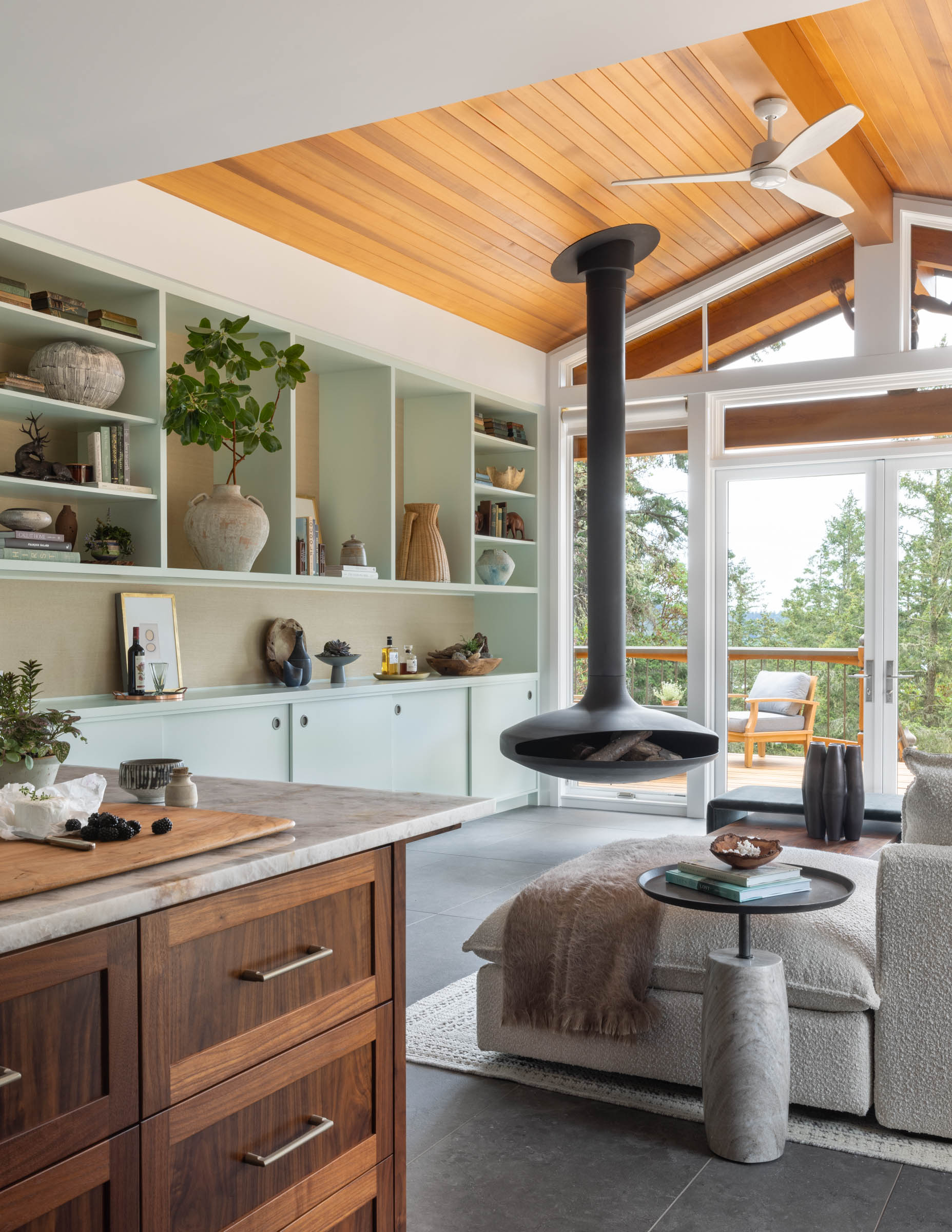
Inside, a complete remodel is marked by the addition of sidelights flanking the new, repositioned wood front door, a custom live-edge walnut mirror, and a built-in bench with open cubbies. Beyond the centrally located open kitchen, complete with a quartzite topped walnut cabinet system and island, the main living area features extensive storage and library space. Ample seating offers plenty of room for settling in with a book and warming by the modern suspended fireplace.
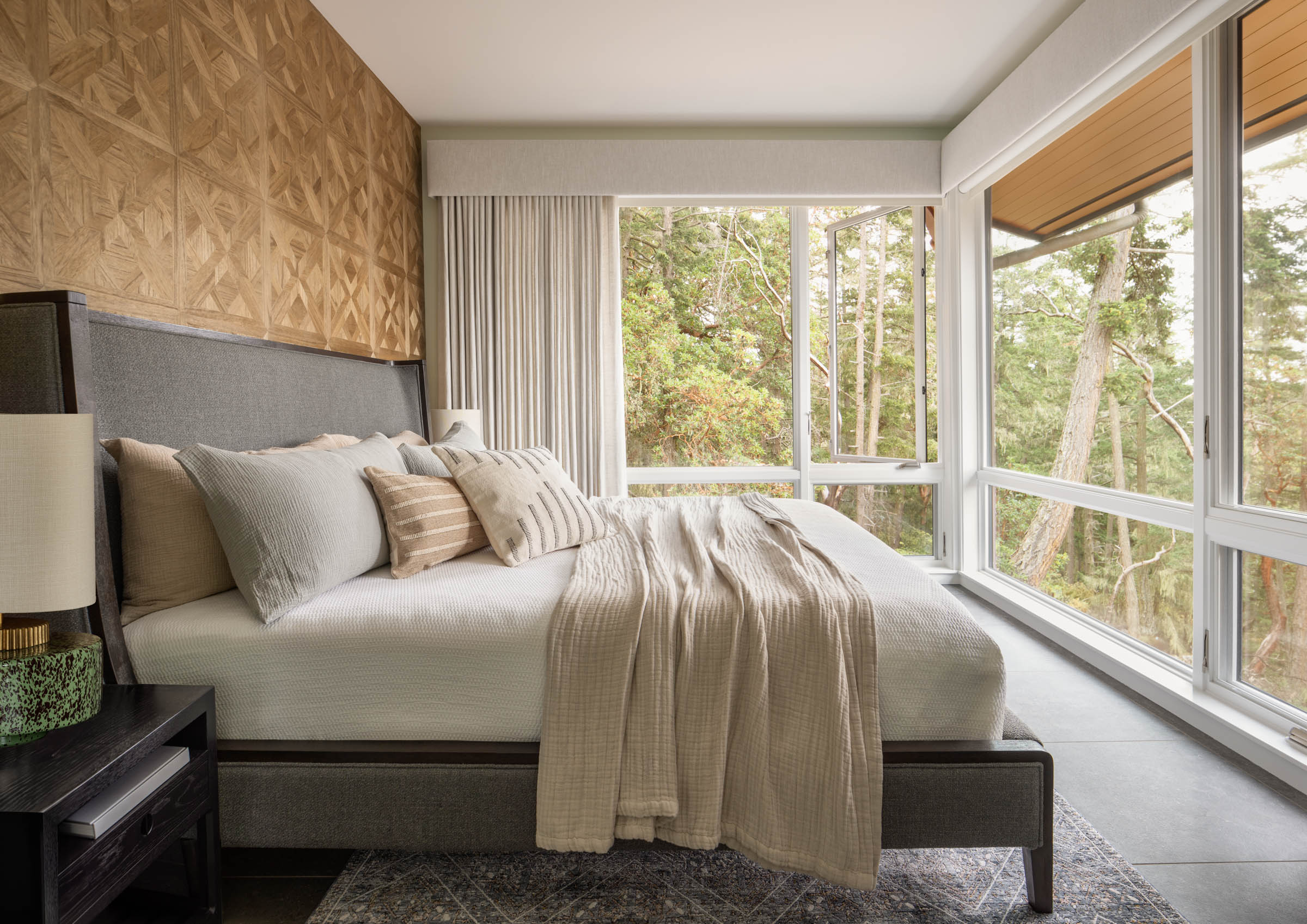
Flooring throughout is durable large format porcelain tile, selected to withstand muddy Pacific Northwest dog paws and the area’s variable weather. Existing exterior cedar was repurposed/refinished and new matching cedar was specified for the living area ceiling and exterior soffits. Additional rooms include the main bedroom suite and a flexible guest suite.
Project Size
2,200 SF (4.3 AC)
Project Awards
-
LUXE Magazine – RED Awards
Publications
R+B Services
-
Architecture
-
Interior Design
-
Furnishings / Procurement
Project Team
-
Structural Engineer: Eclipse
-
Electrical Engineer: Friday Harbor
-
Photographer: Lisa Romerein
-
Contractor: Lorne Paulson
-
Contractor: Dovetail

Lookout House
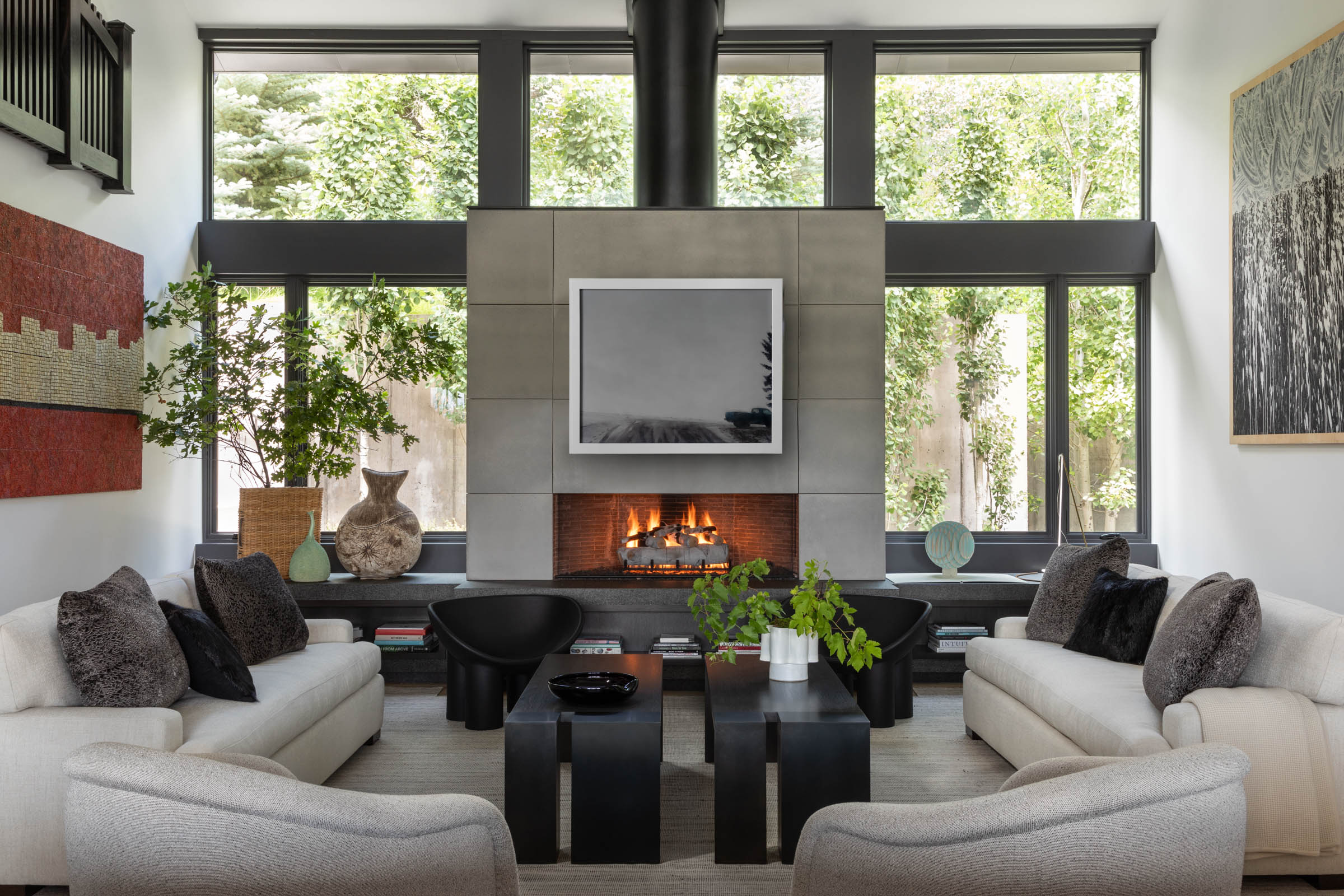
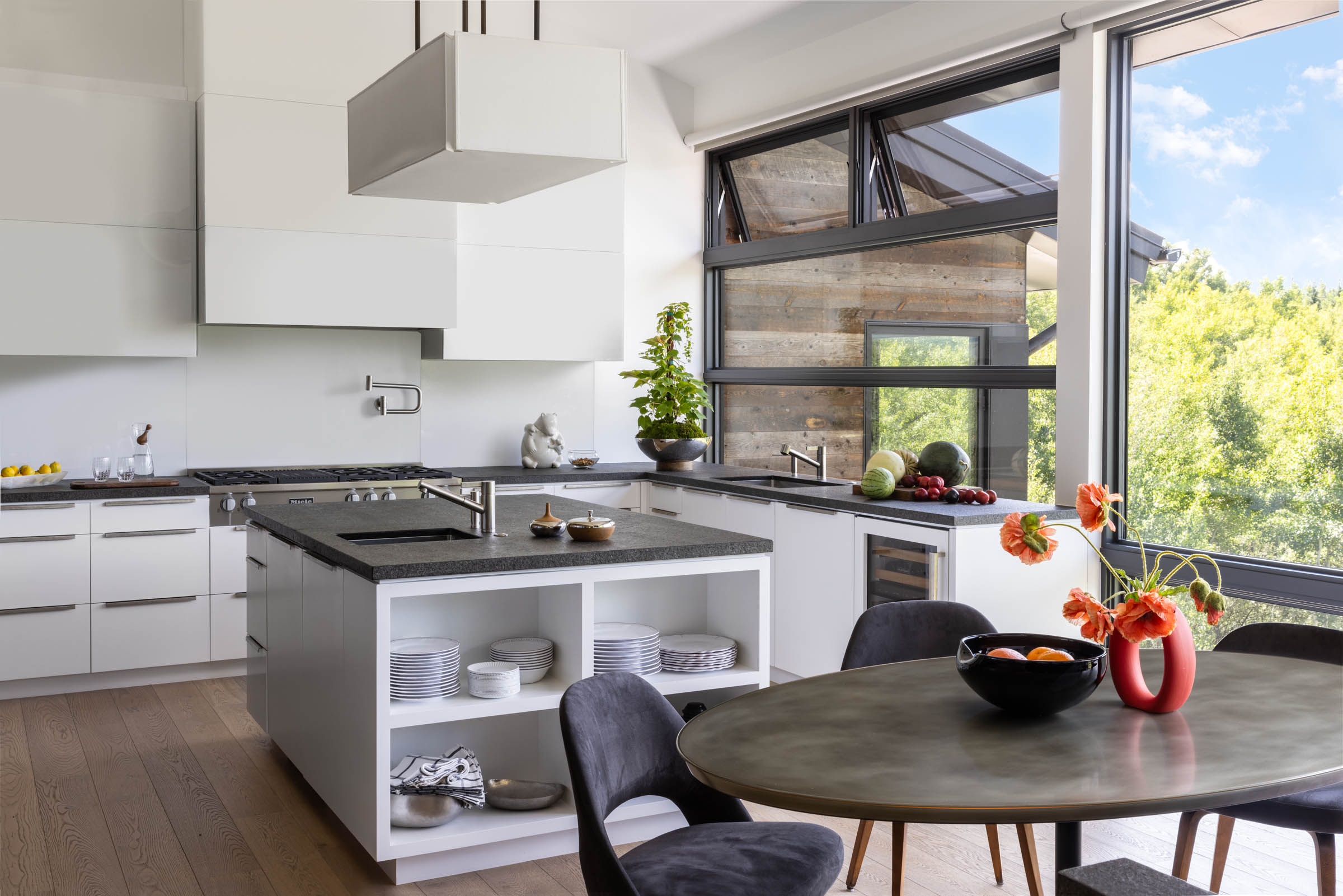
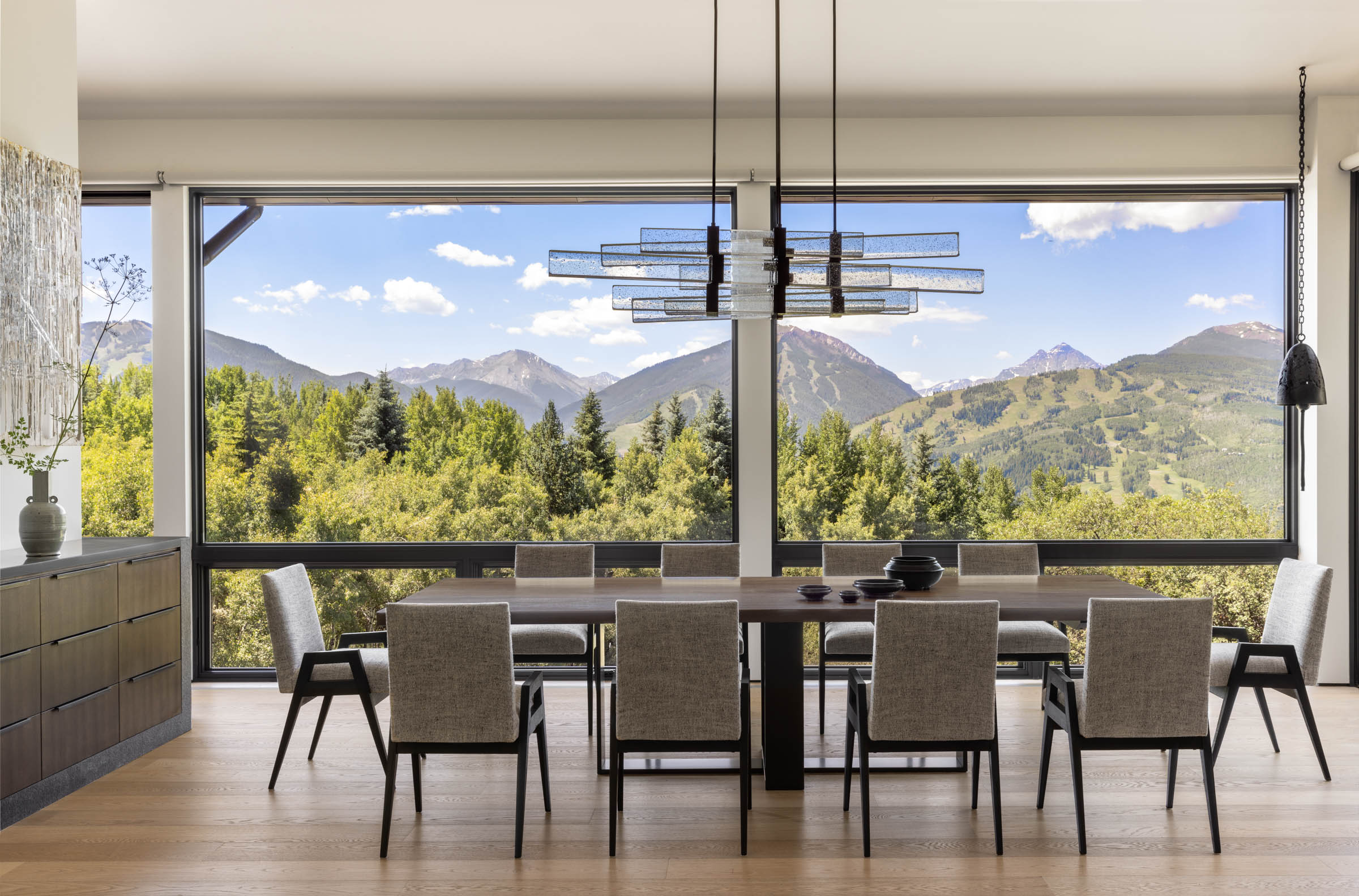
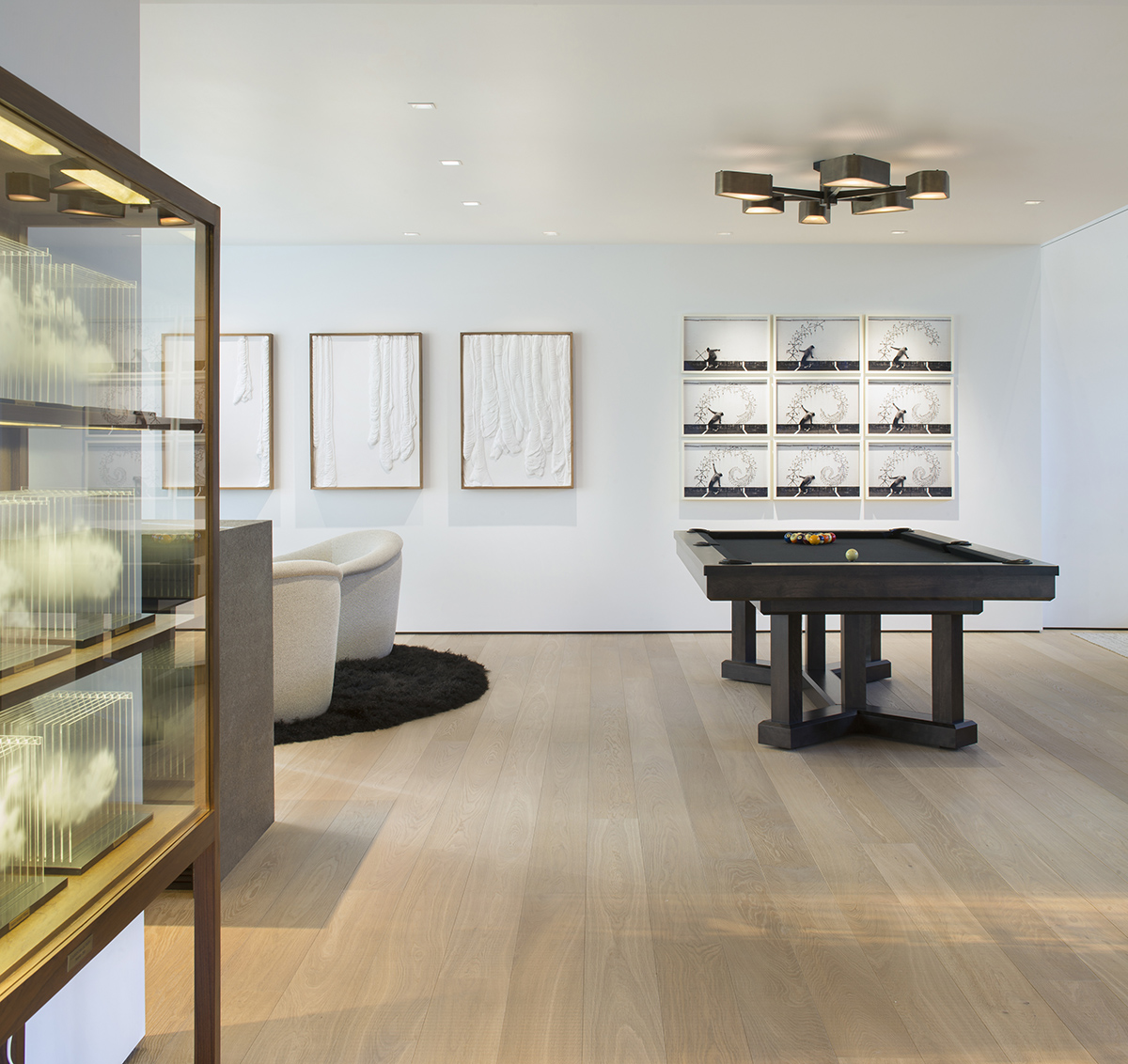
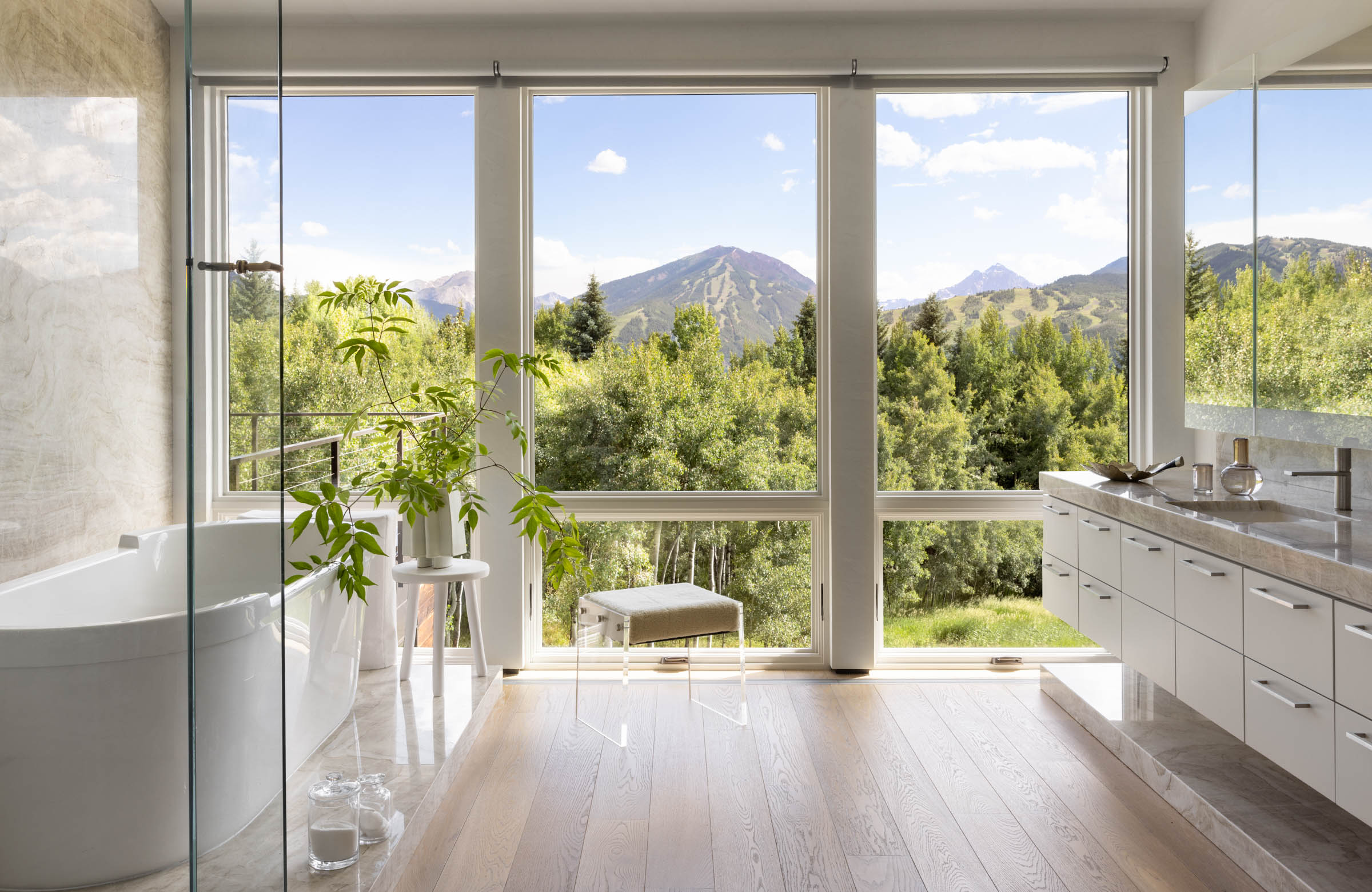
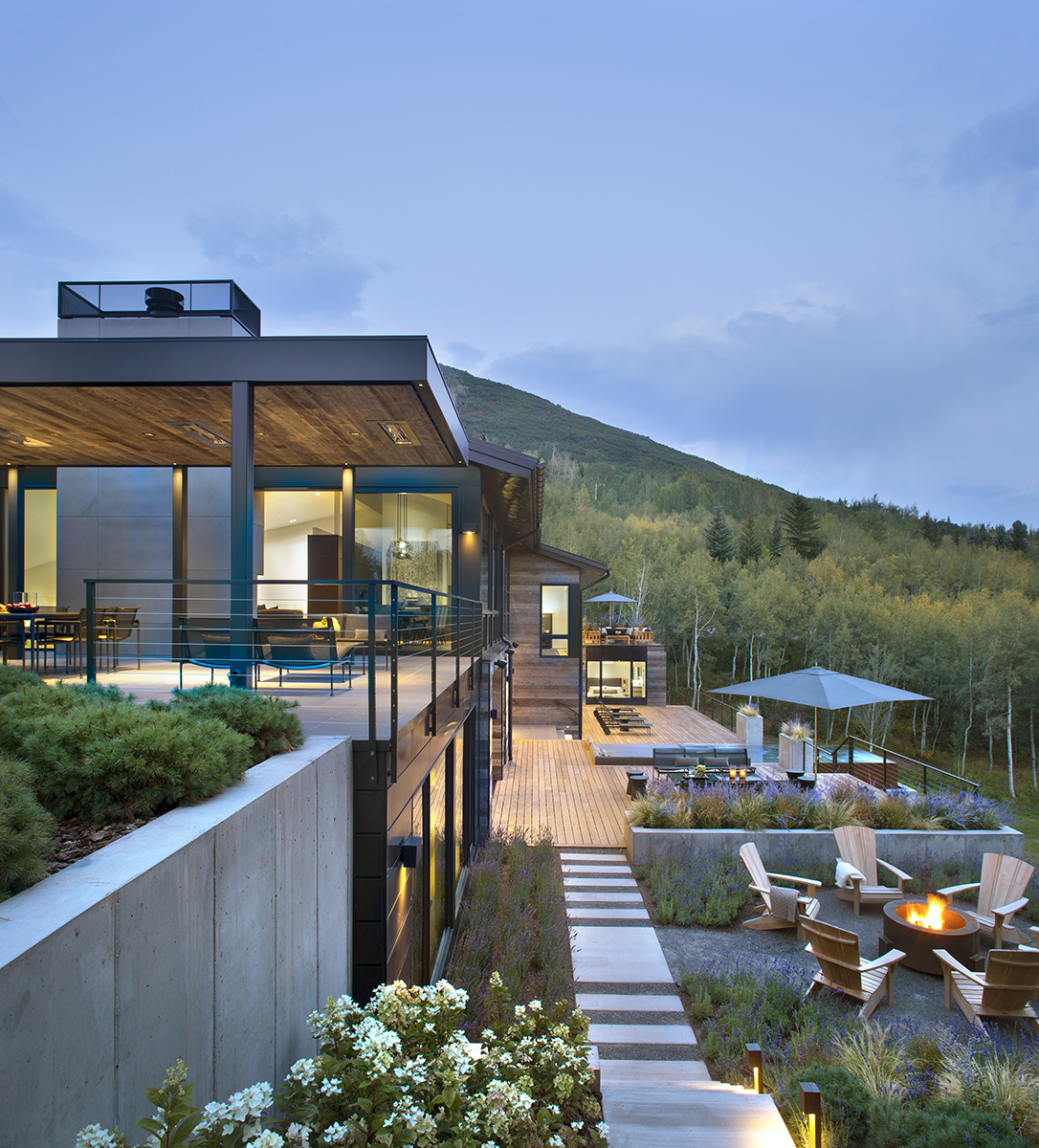
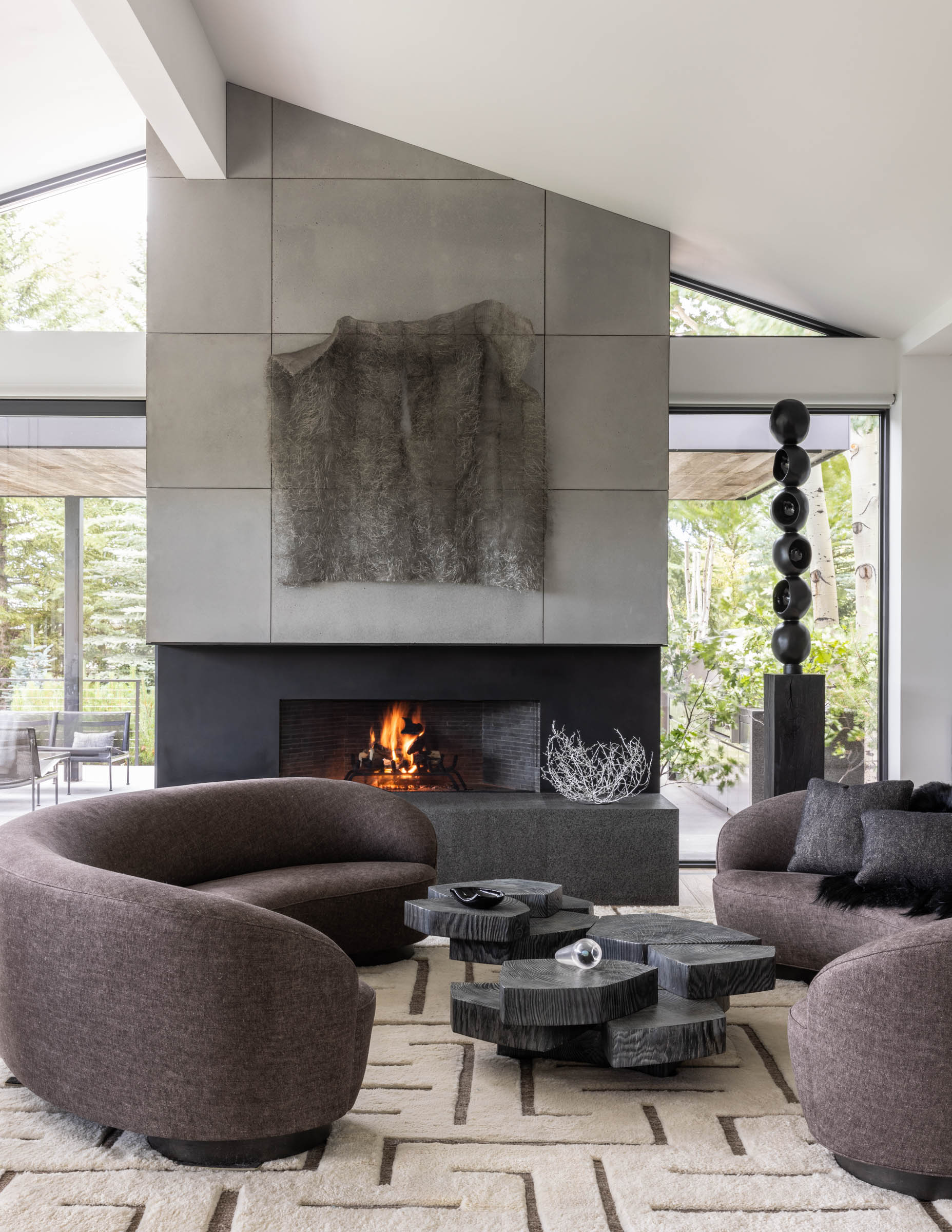
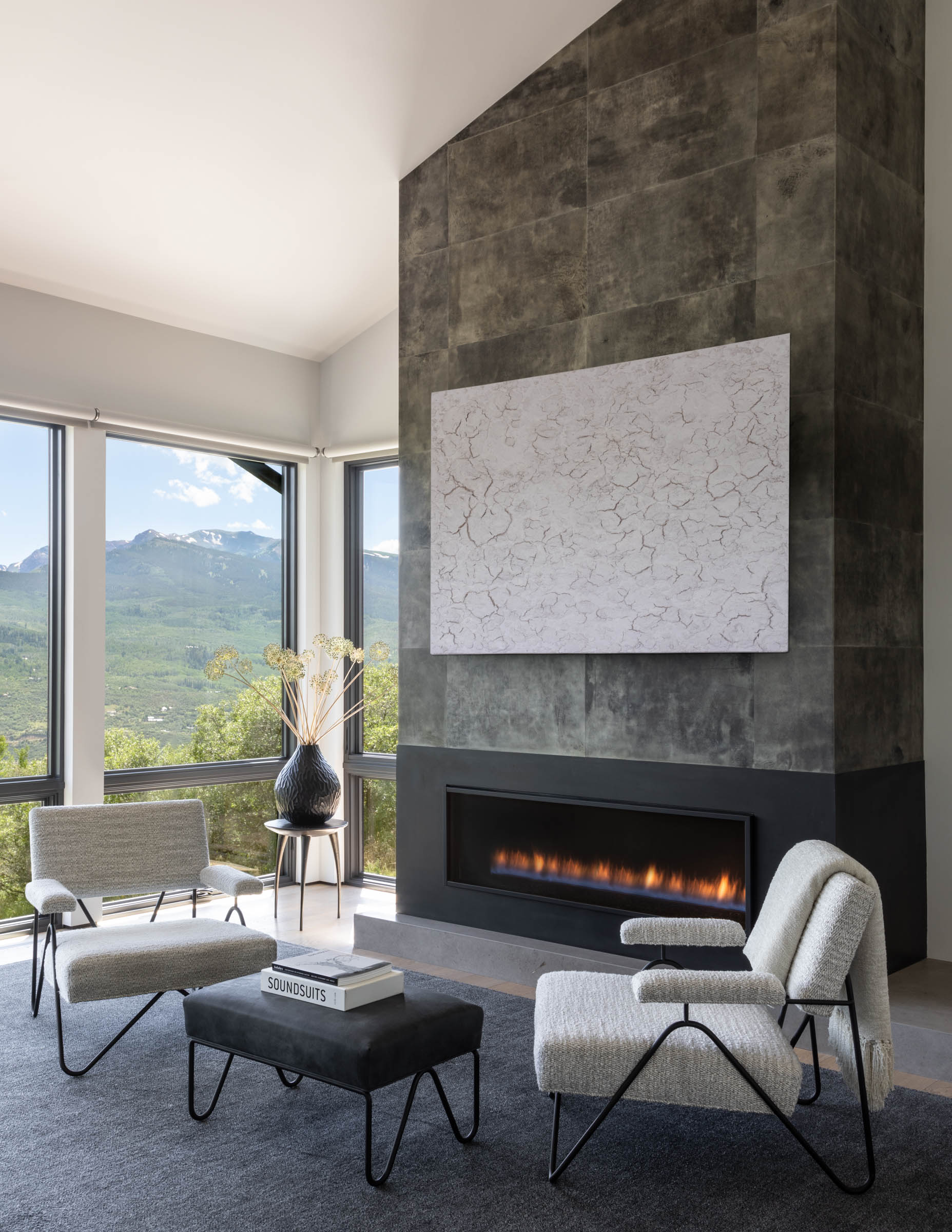
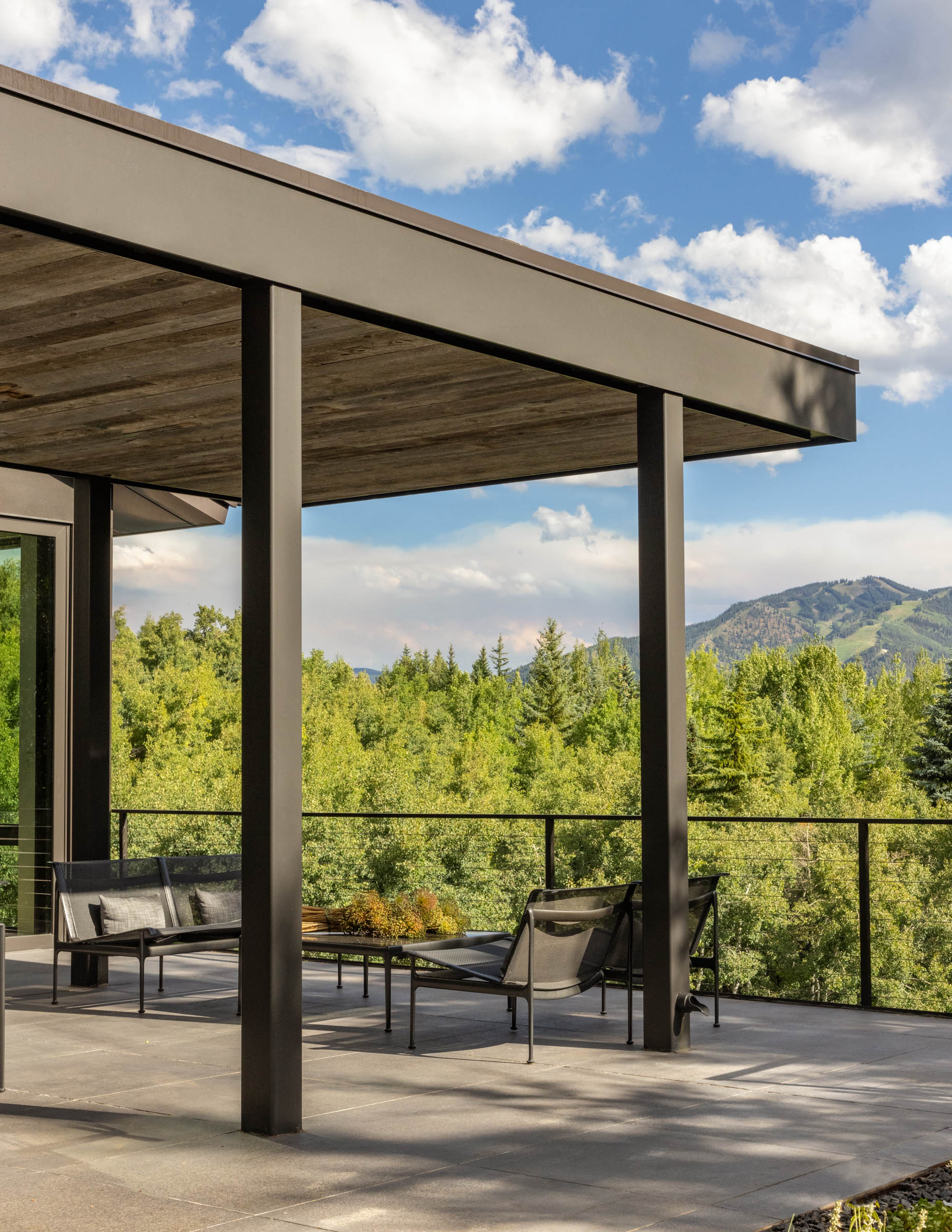
Lookout House, a grand dwelling enjoying sweeping views of Aspen’s Elk Mountains, occupies the footprint of the owners’ previous residence and is roughly the same size. But in its responses to the character of the location and the needs of the residents, Lookout House could not be more different from its predecessor.
The site overlooks a dramatically down-sloping meadow that, as it is densely forested on each side, remains invisible to the neighbors. Given the circumstances, we perceived two opportunities: to make the house a portal to the meadow, and to maximize the building’s visual engagement with its surroundings.
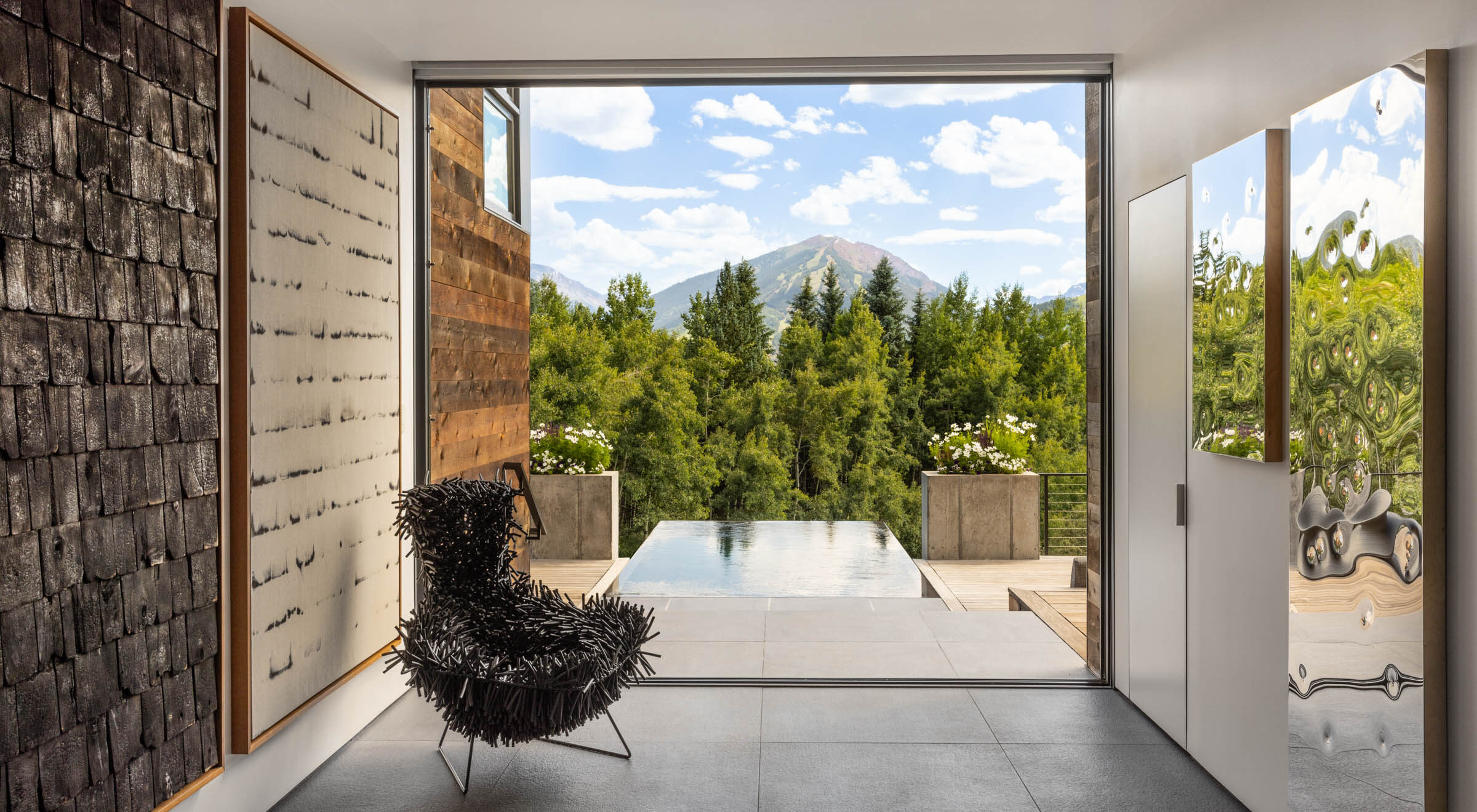
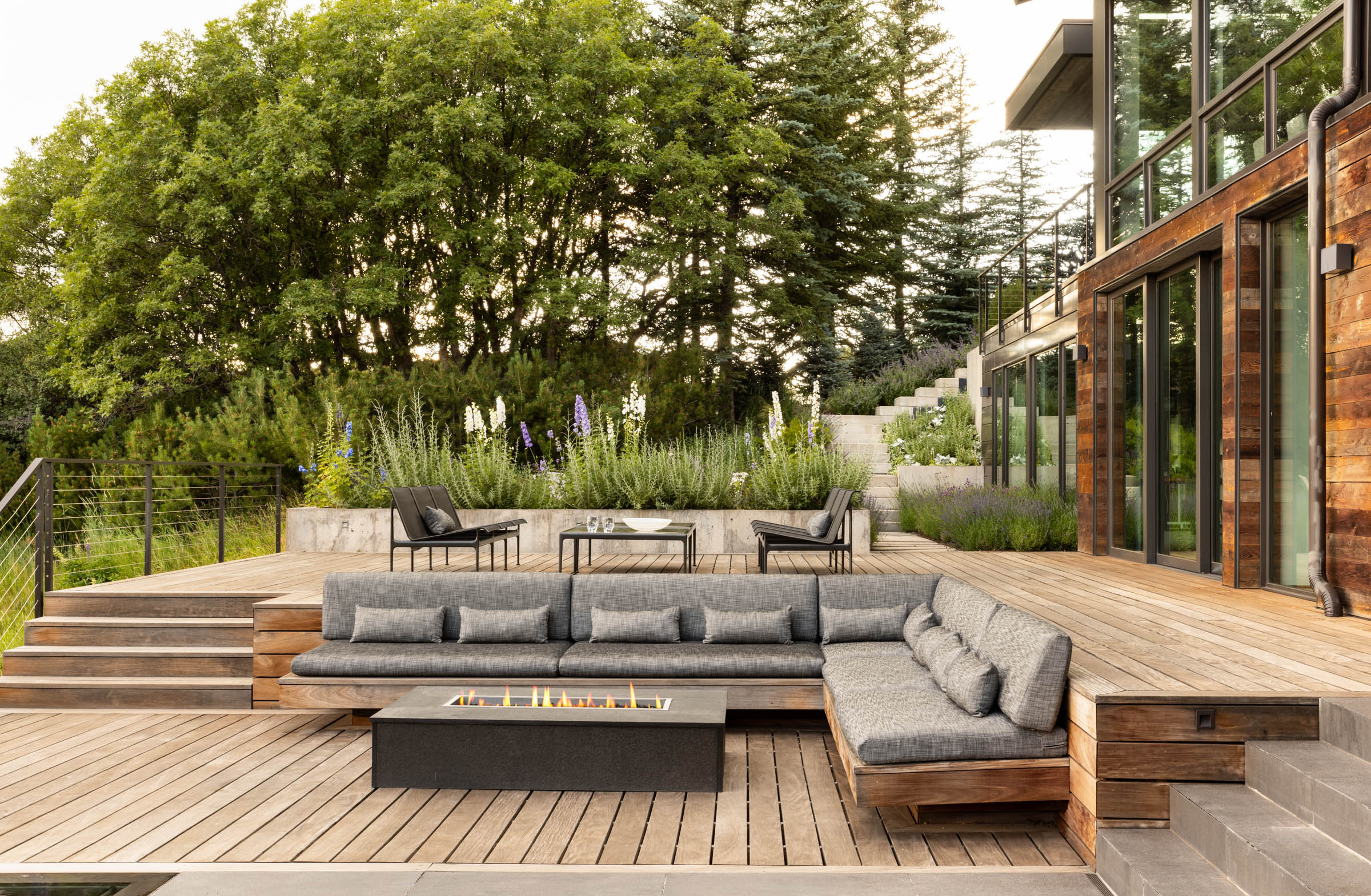
Regarding the former, R+B chose to directly connect the north-facing entry façade to the house’s southern elevation, which overlooks the view. An axis beginning at the covered entry, and continuing through the overscaled pivoting front door, extends directly through the house to a pocketing glazed panel on the south facade, a window that opens onto a mountain-filled vista and, a few steps below on the deck, a copper spa pool.
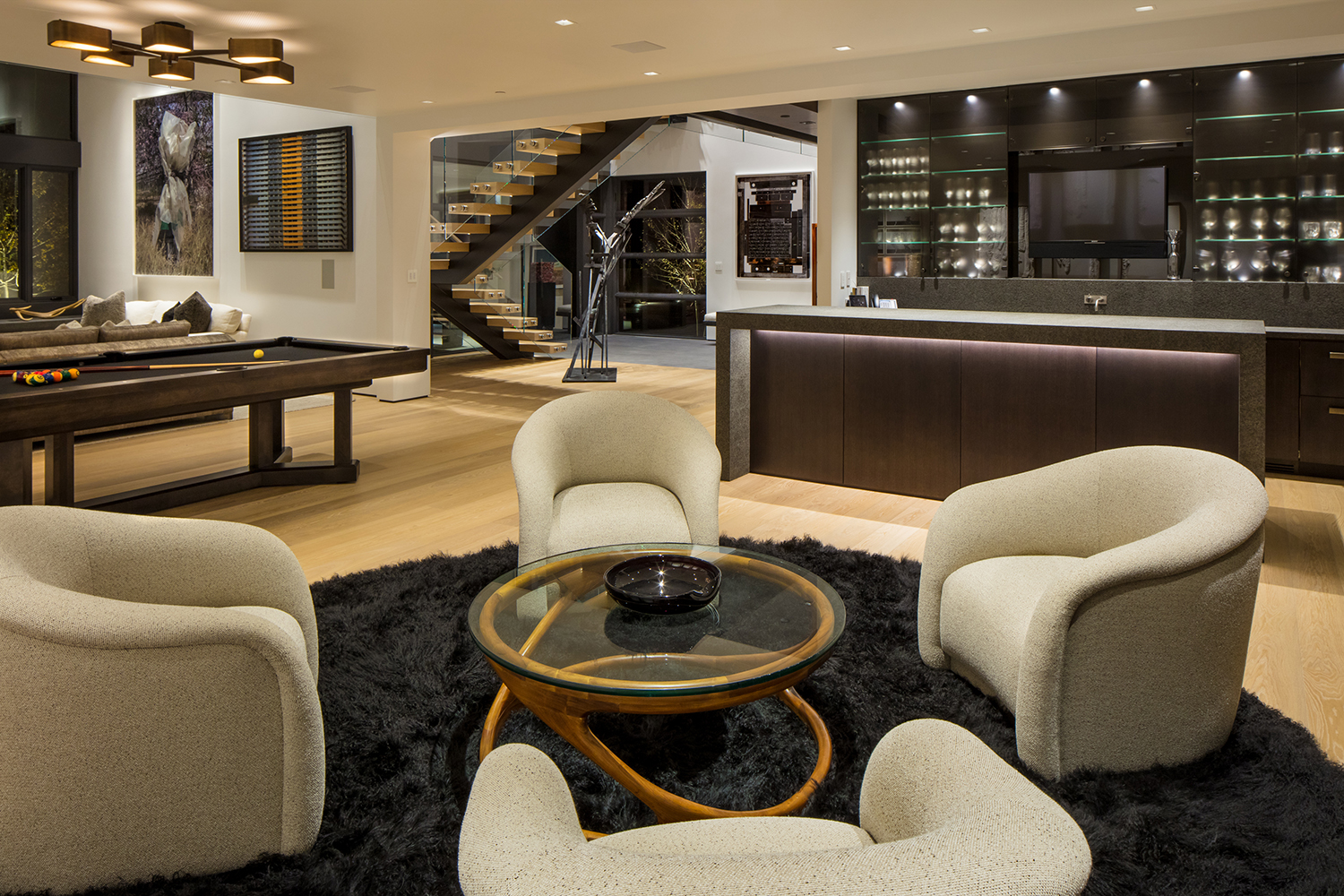
As for the latter challenge—capturing the slope—we set the secondary rooms on the lower level and the primary spaces upstairs, where they enjoy views that, beginning far below at the bottom of the meadow and traveling up to the mountain peaks, are pleasurably commanding.
Unusually for Aspen, a place in which the mountain-lodge vernacular predominates, the house’s sensibility is akin to the modernist grandeur of postwar urban architecture. Given the abundance of the owners’ contemporary art holdings, the choice remains entirely appropriate. If there is a dominant design motif, it is horizontality: Floating planes and layered plinths transform in function and character as they slip from space to space, defining rooms as discrete entities and uniting them into a single interlocking experience.
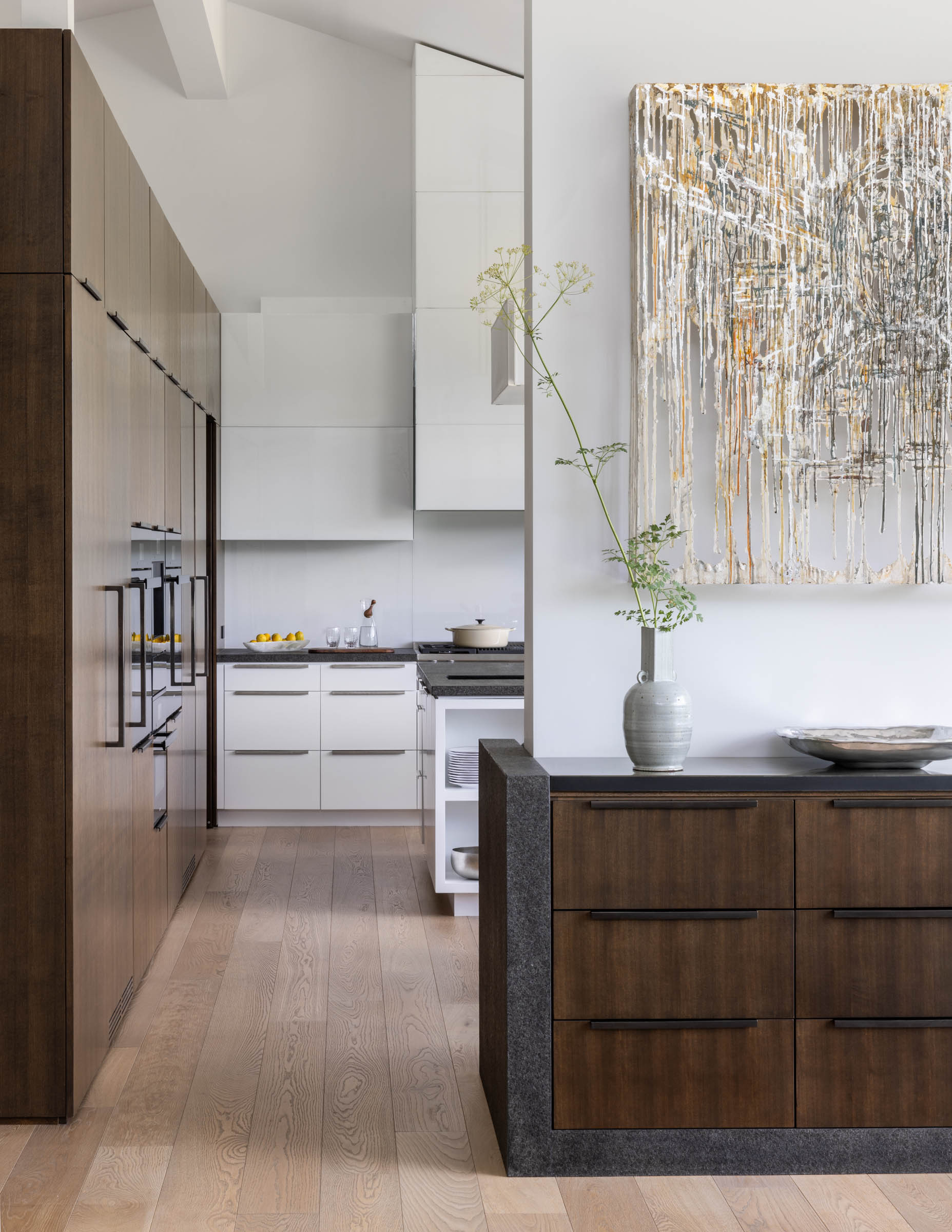
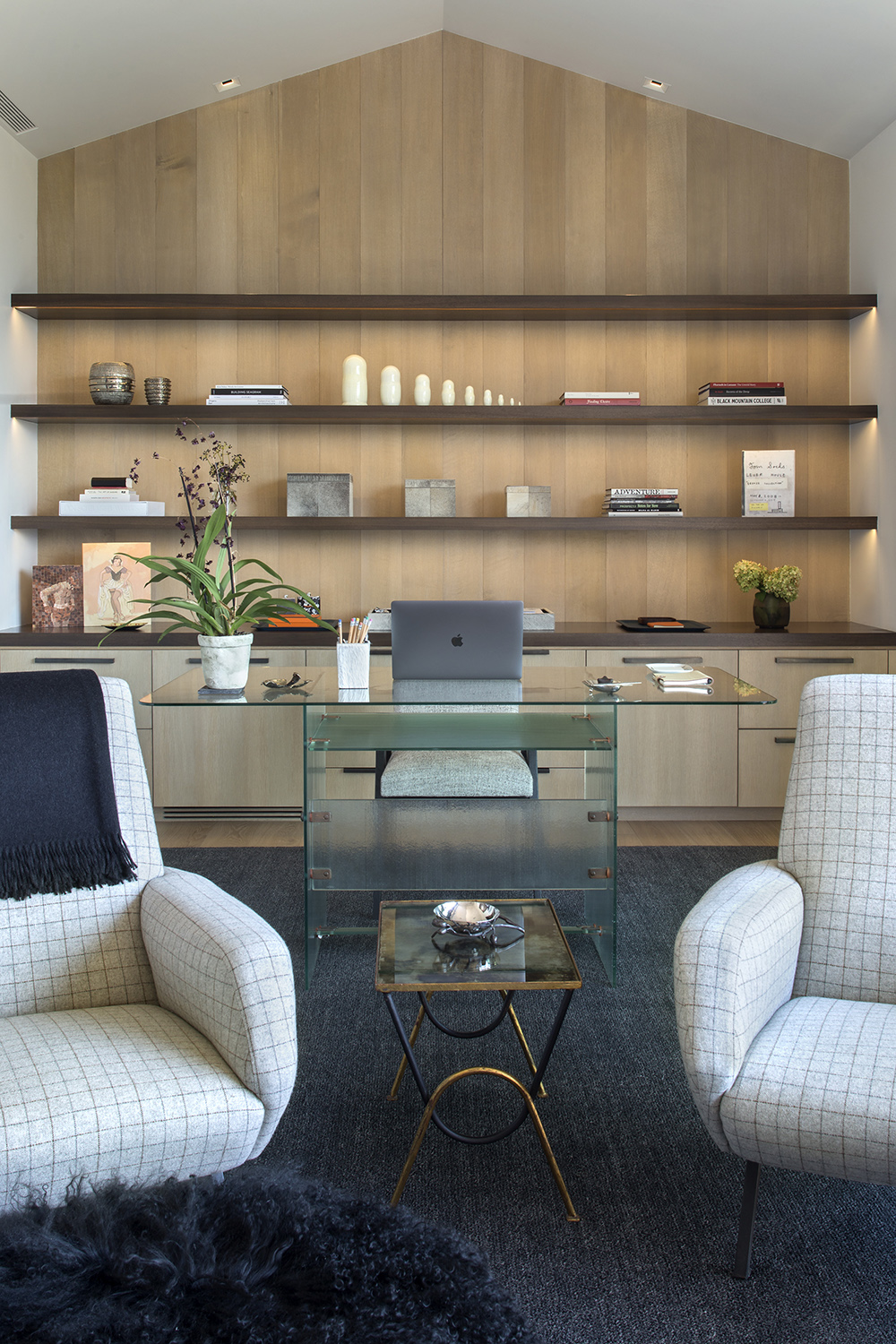
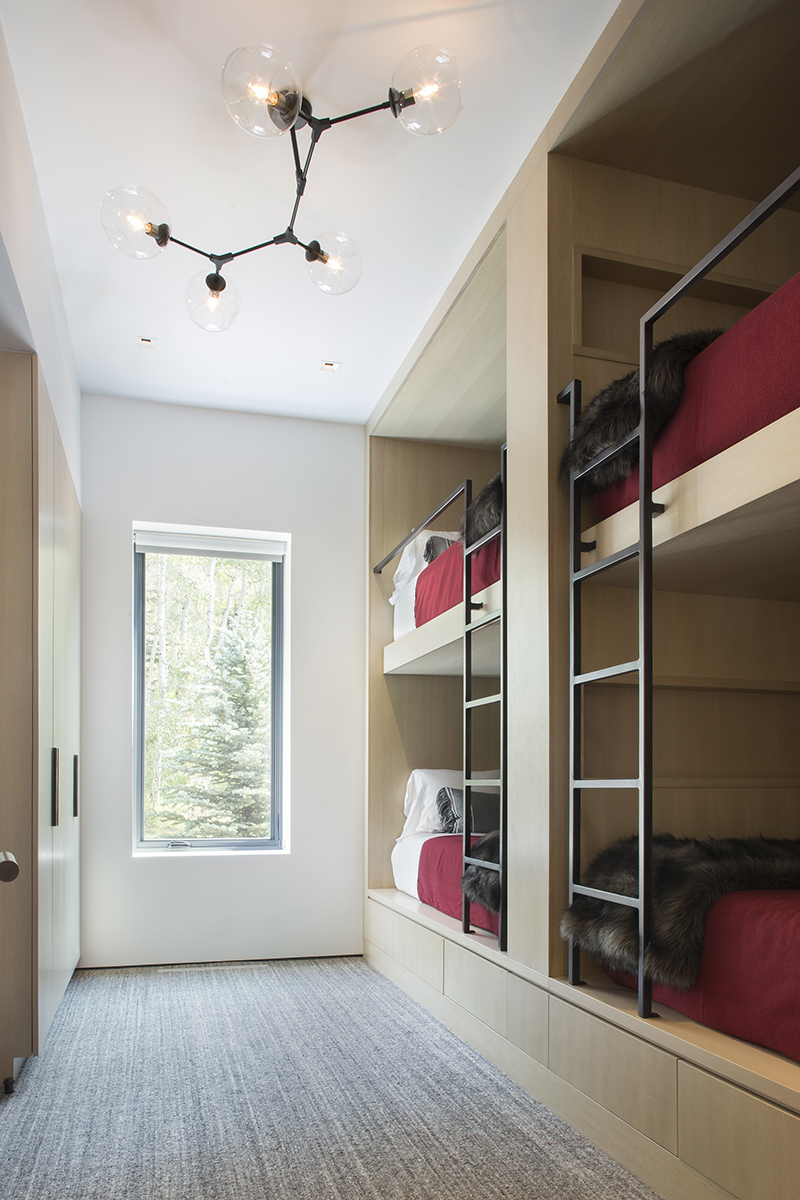
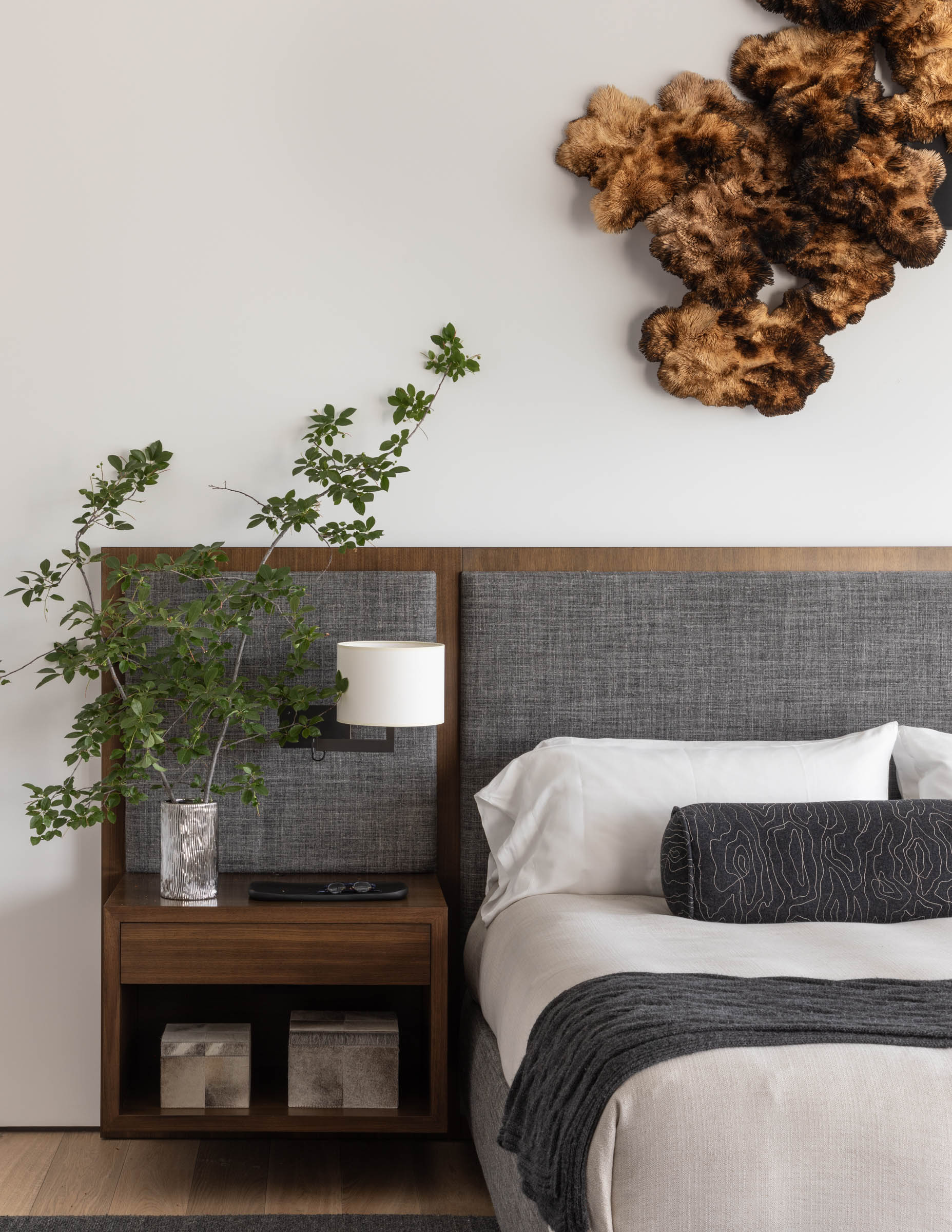
Various of the design’s qualities support an innovative way of enjoying a near-museum scale collection in a relaxed domestic setting. The first is a high level of visual connectivity from room to room and floor to floor. Lookout House is also made welcoming by the fluidity of its palette, which morphs from concrete to oak to limestone to leather as it flows from space to space, connecting to the house’s exterior materials and the natural world beyond. Above all the dwelling conveys an overwhelming sense of craft. ‘Everything in this house was custom-designed,’ Broughton observes. ‘Not only did we design the beds, we even made the pillows. It was an incredible opportunity.’
Project Size
8,700 SF (1.9 AC)
Project Awards
-
Colorado Homes & Lifestyle – CARE Awards
-
ASID – Crystal Awards
Publications
R+B Services
-
Architecture
-
Interior Design
-
Furnishings / Procurement
Project Team
-
Interior Decorator: Manuel de Santaren
-
Landscape Design: Busy Beavers
-
Lighting Designer: Robert Singer
-
Structural Engineer: KL&A
-
MEP Engineer: Rader
-
Civil Engineer: Sopris
-
Photographer: Lisa Romerein
-
Photographer: Brent Moss
-
Photographer: Steve Mundinger
-
Contractor: Brikor
First Light
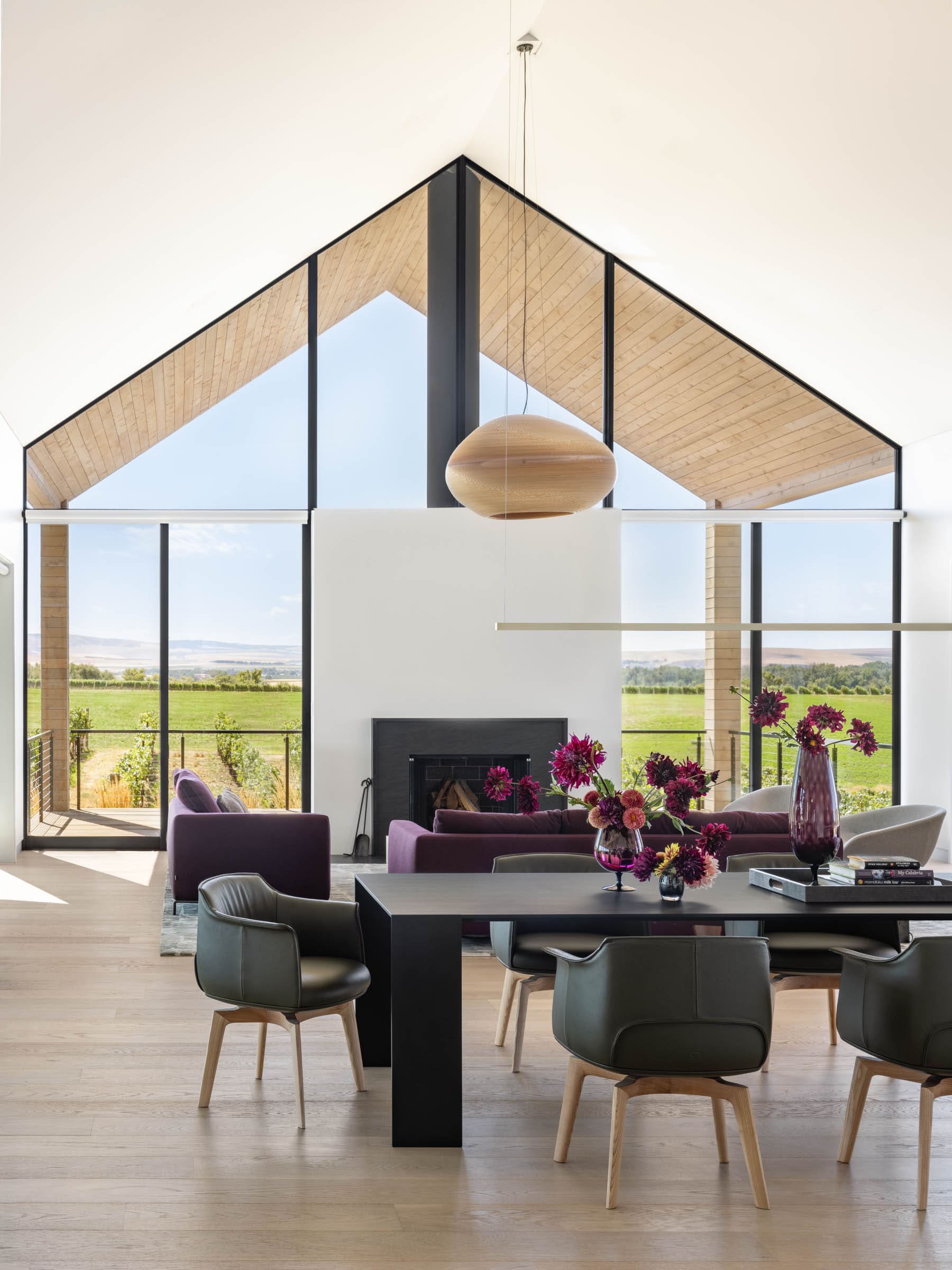
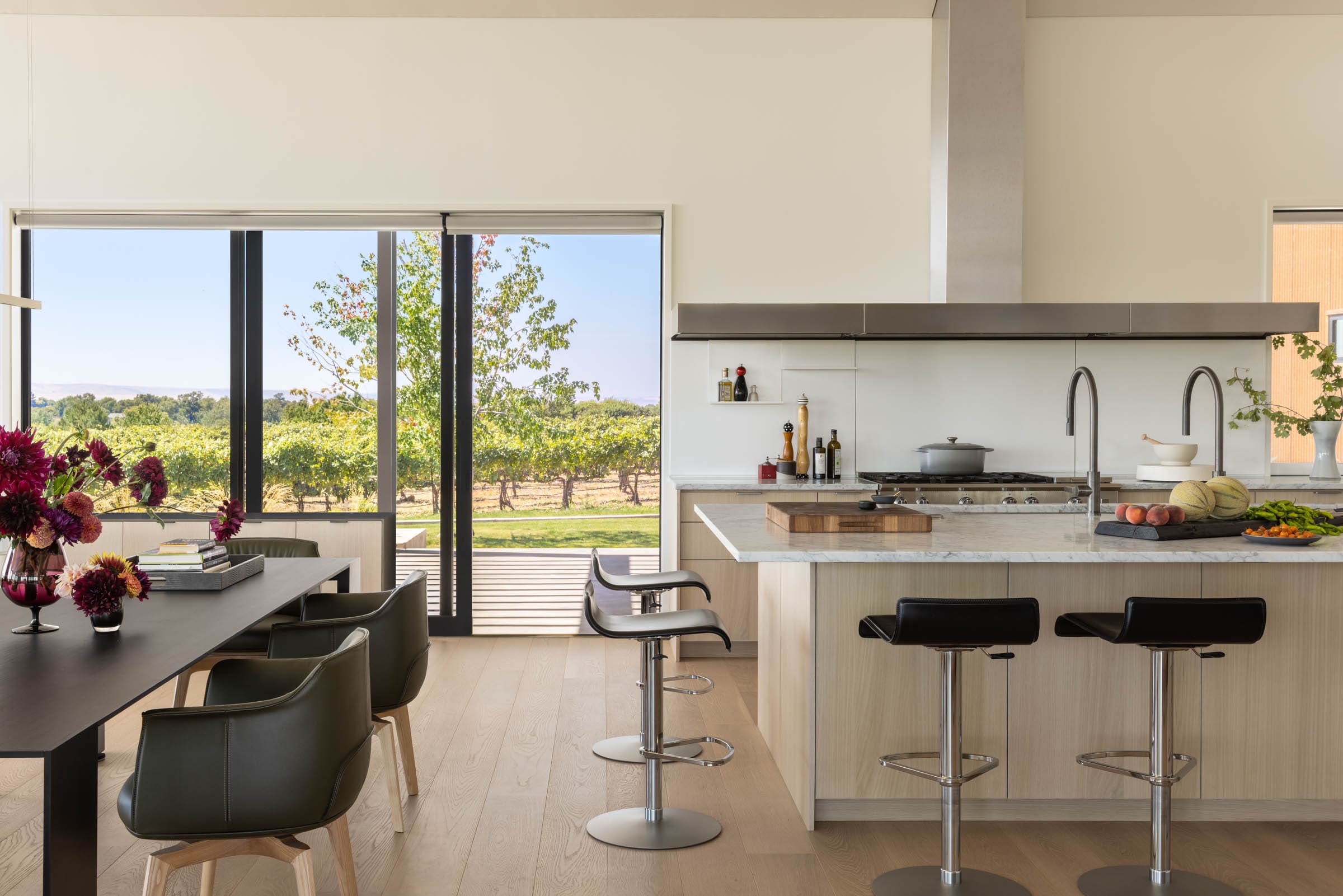
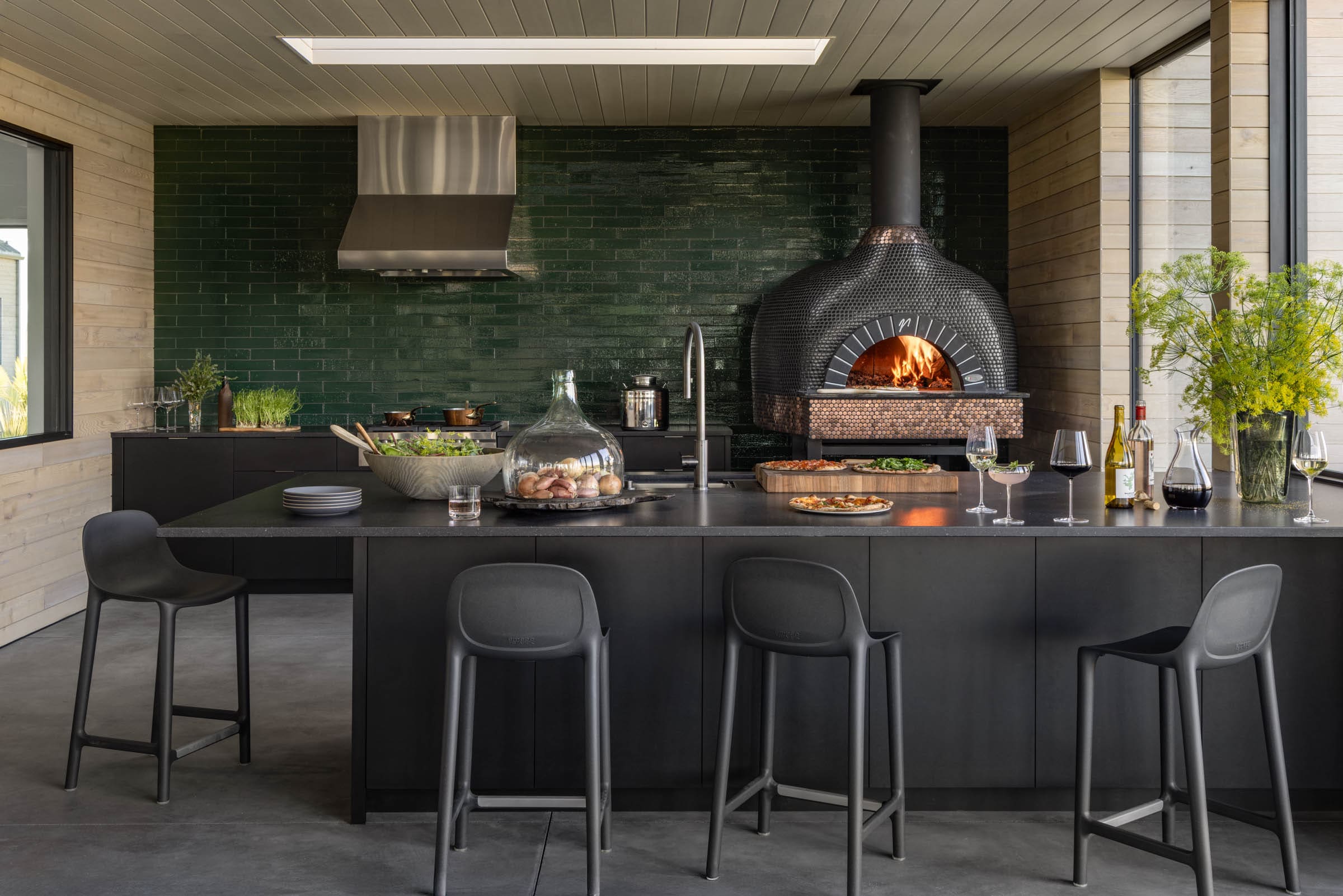
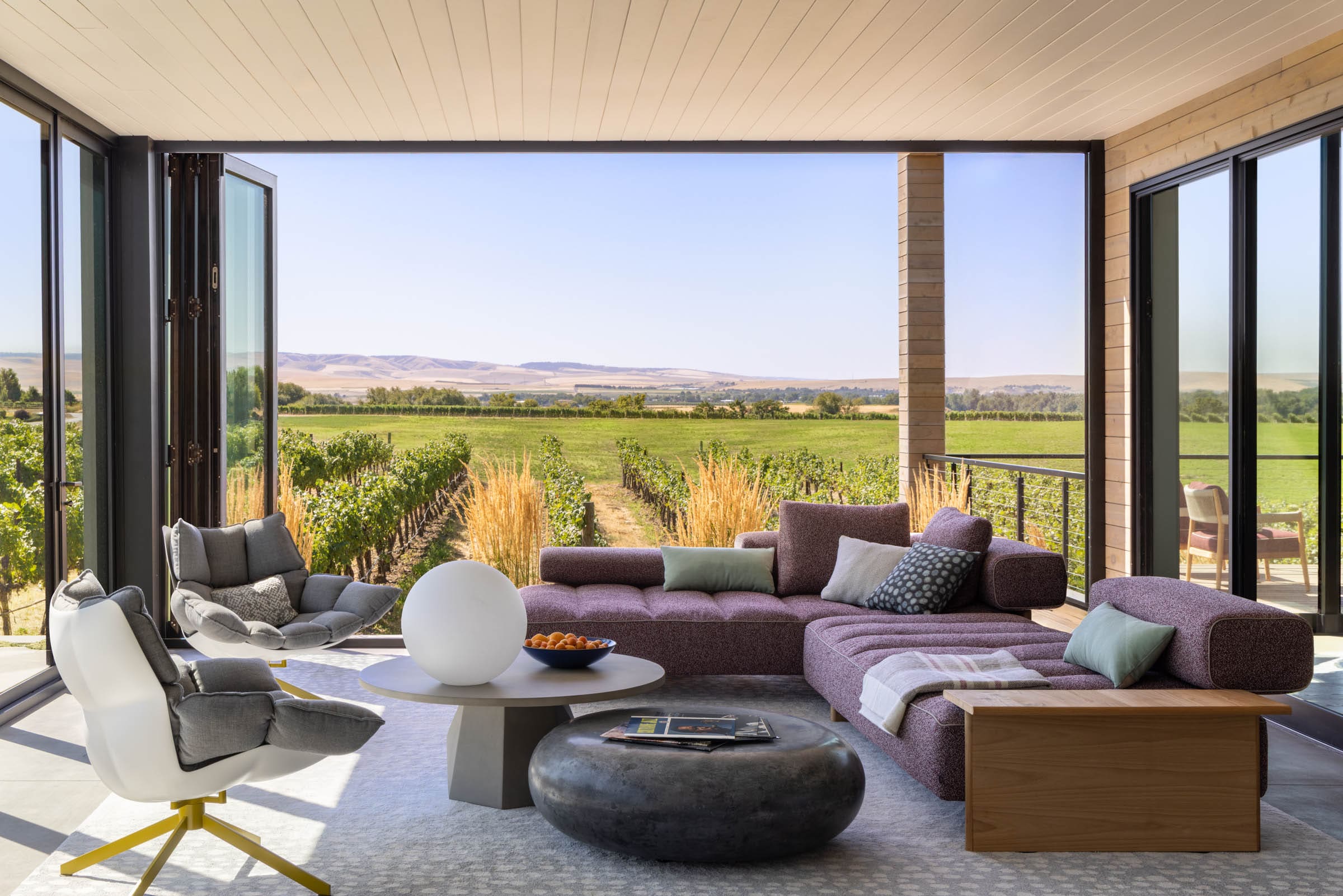
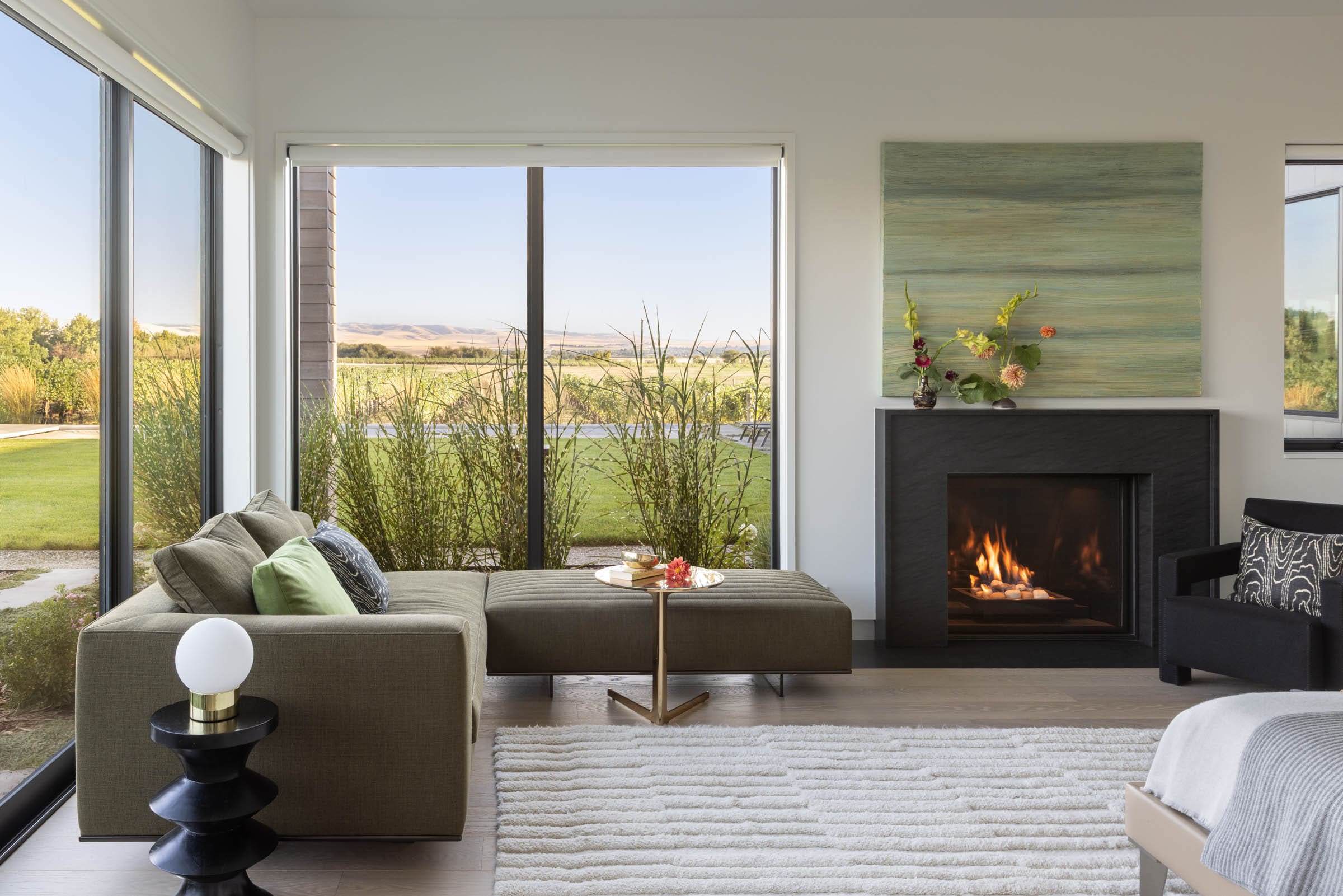
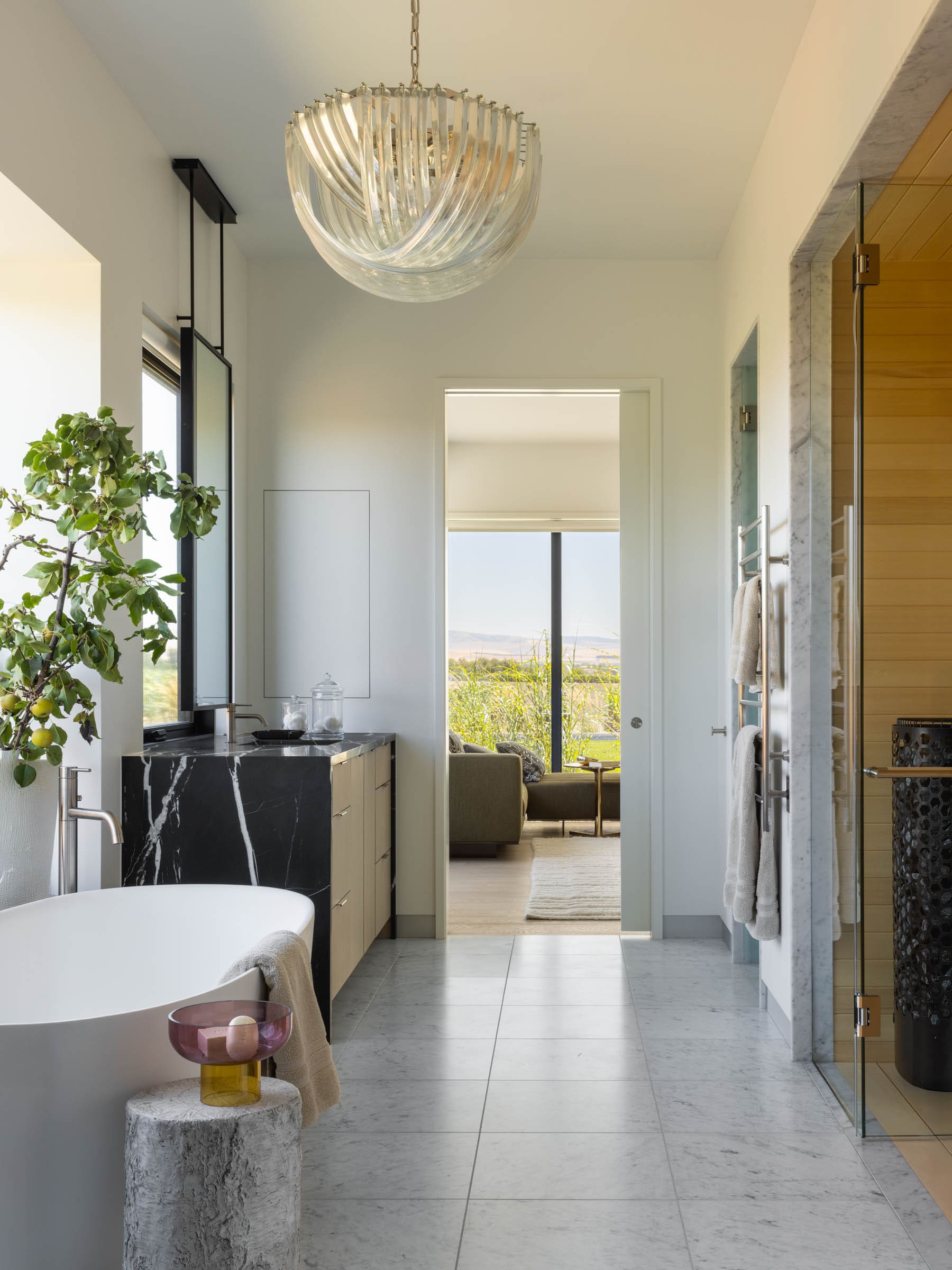
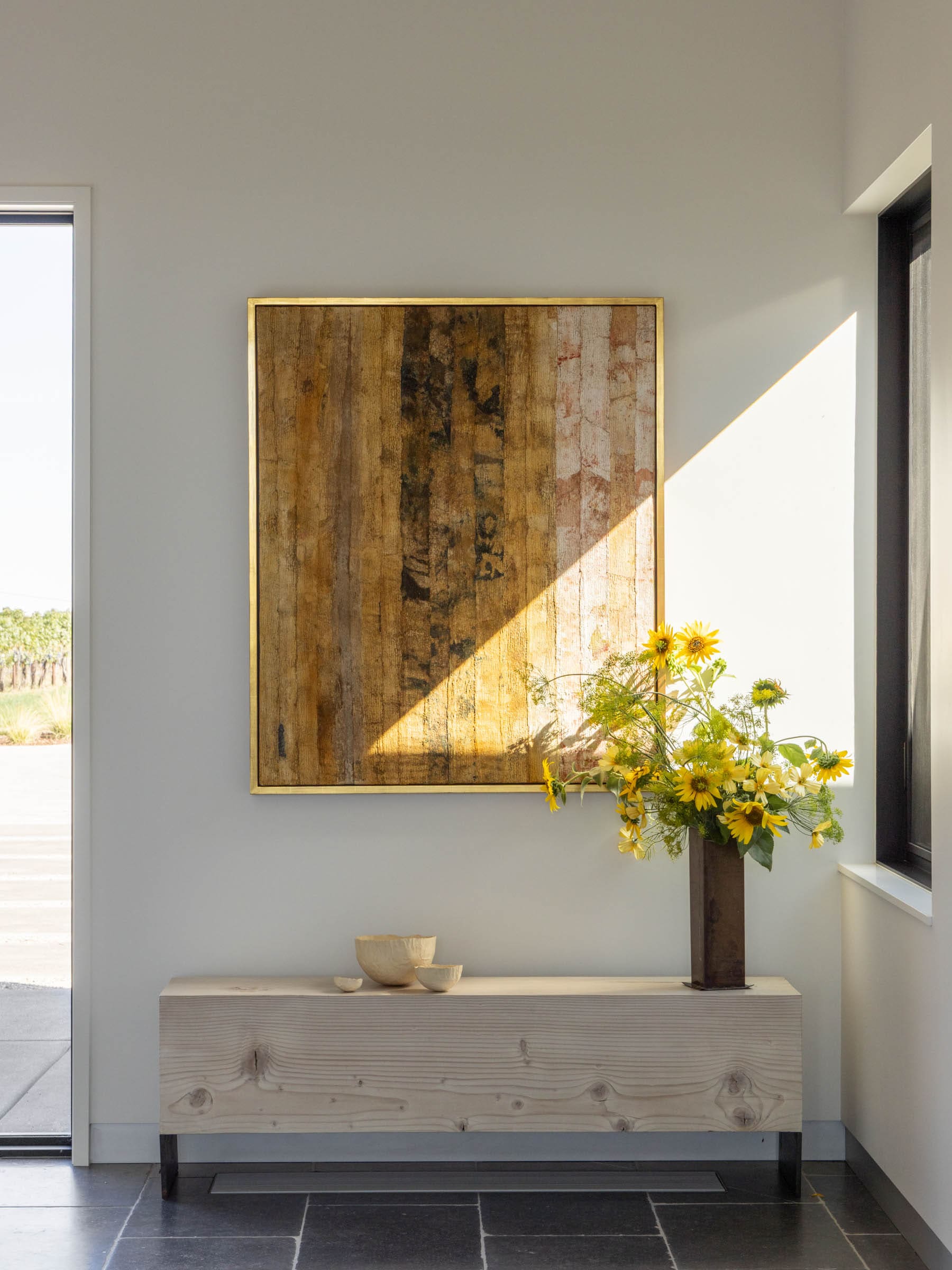
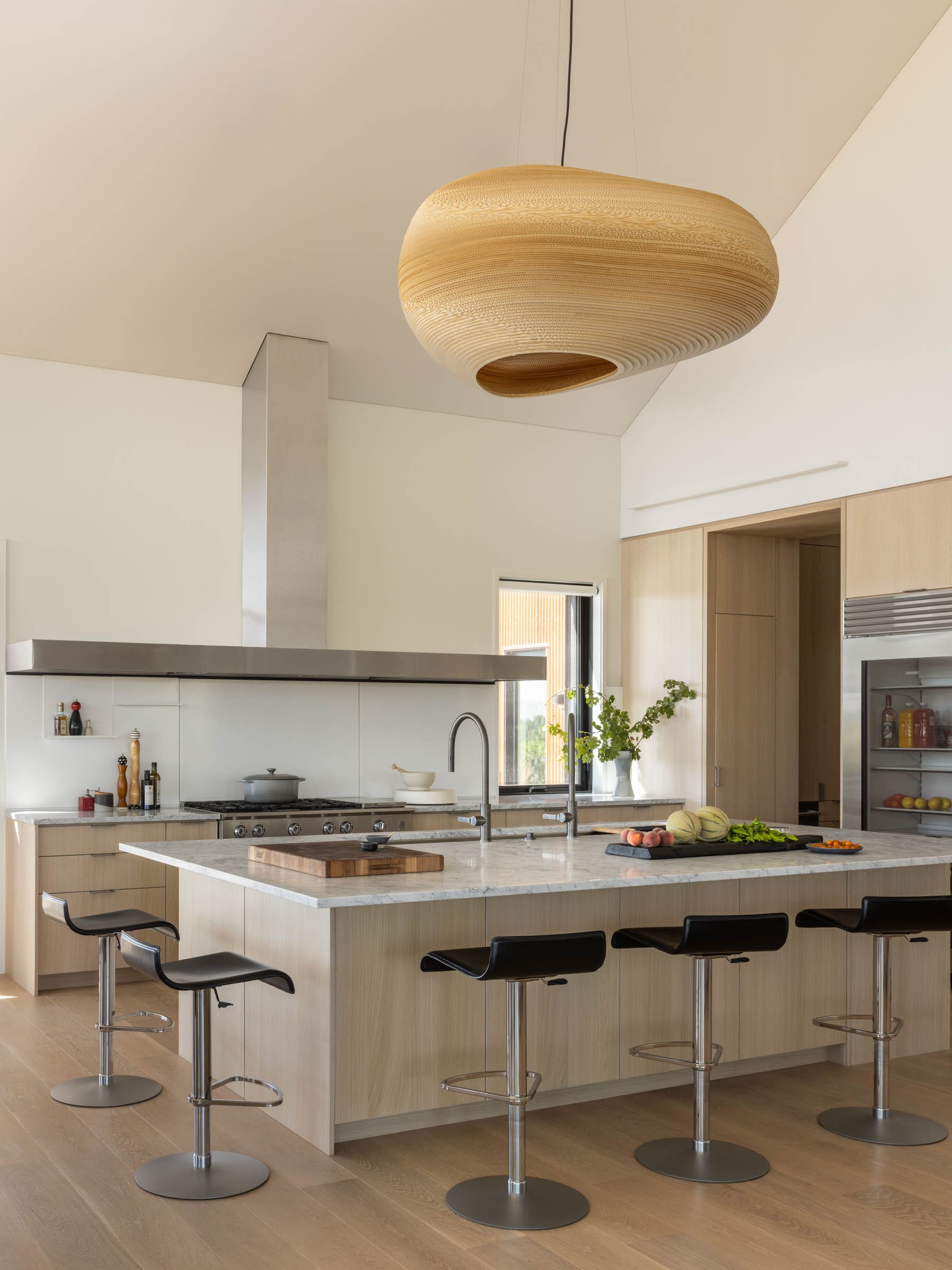
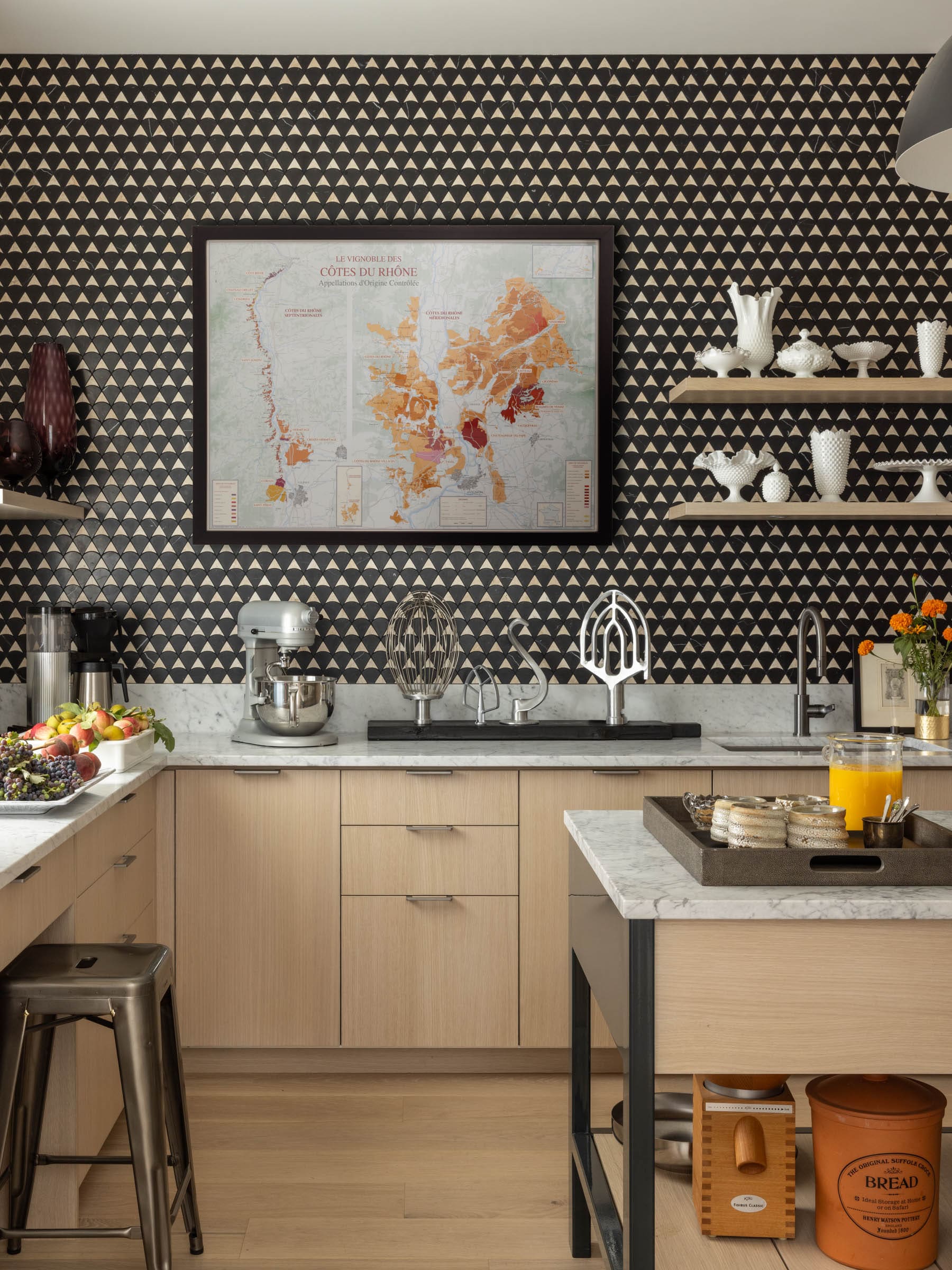
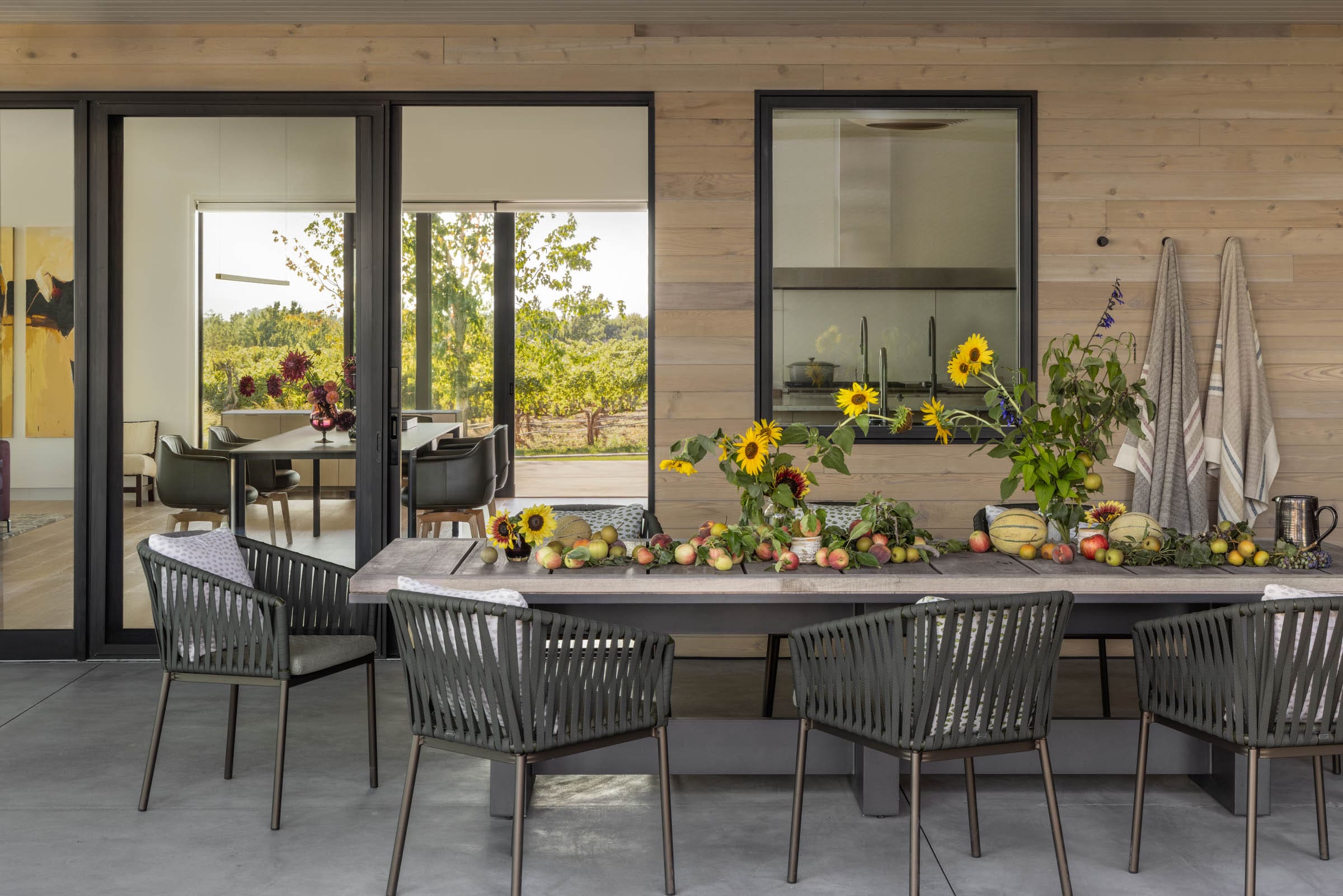
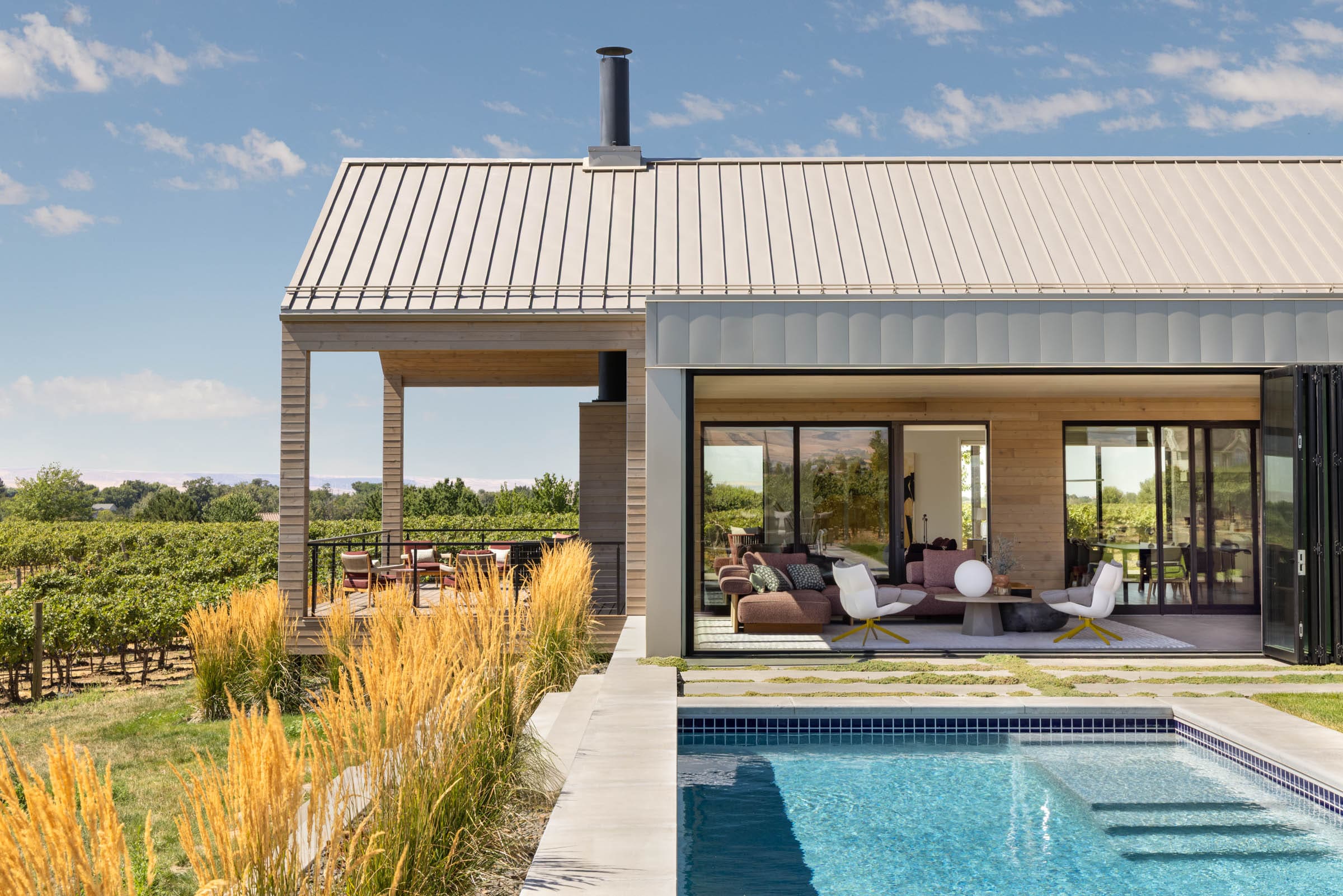
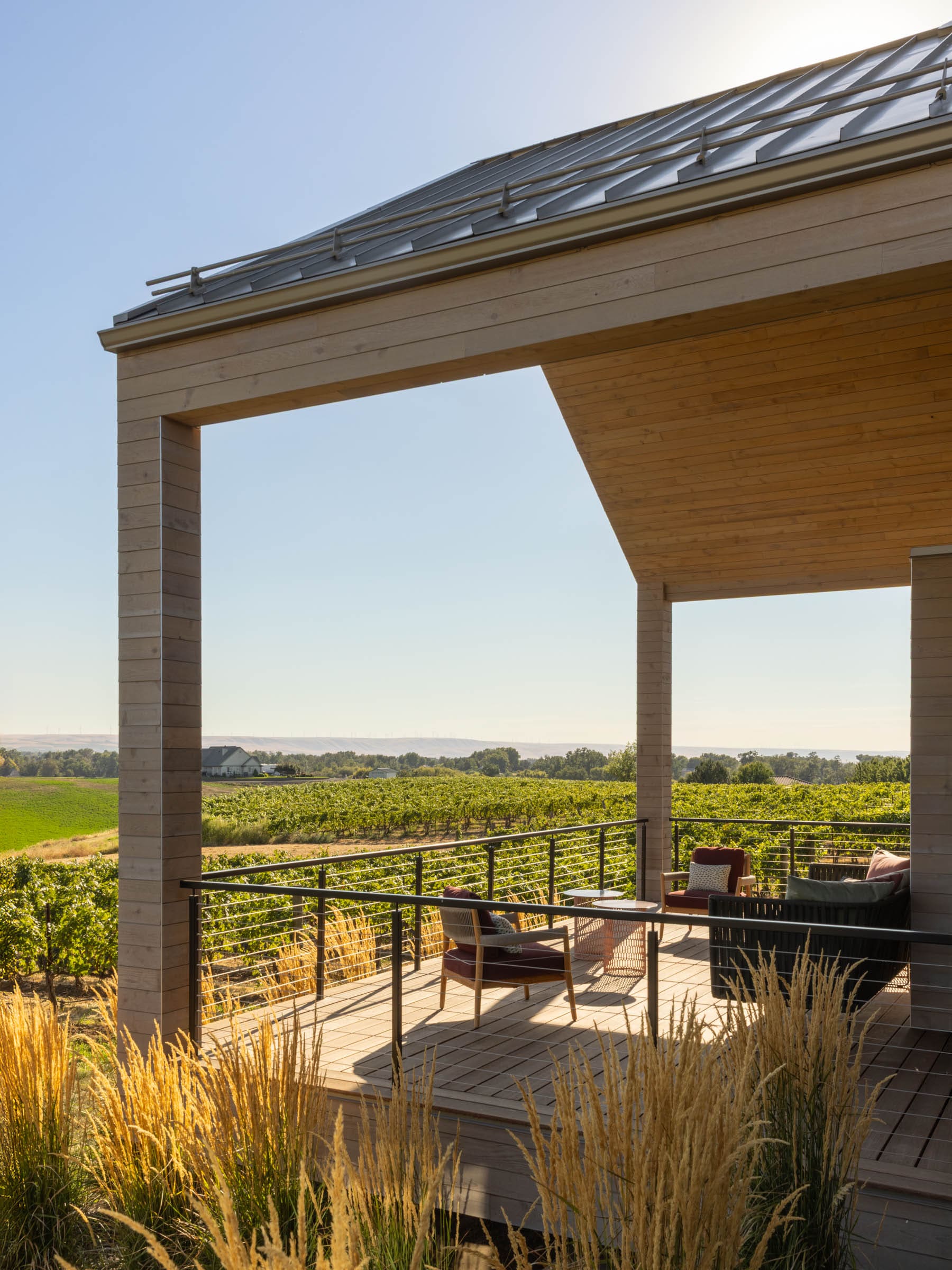
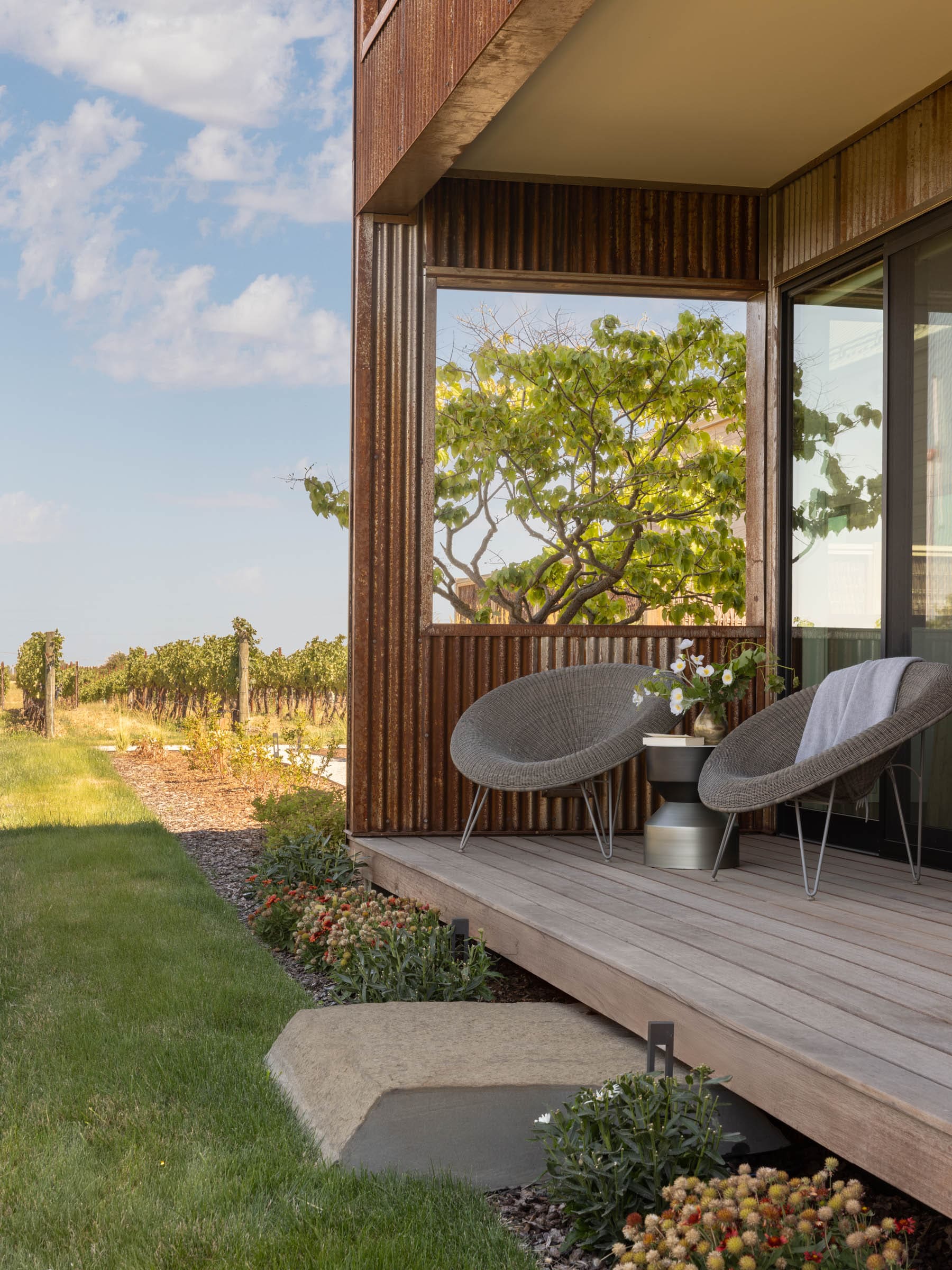
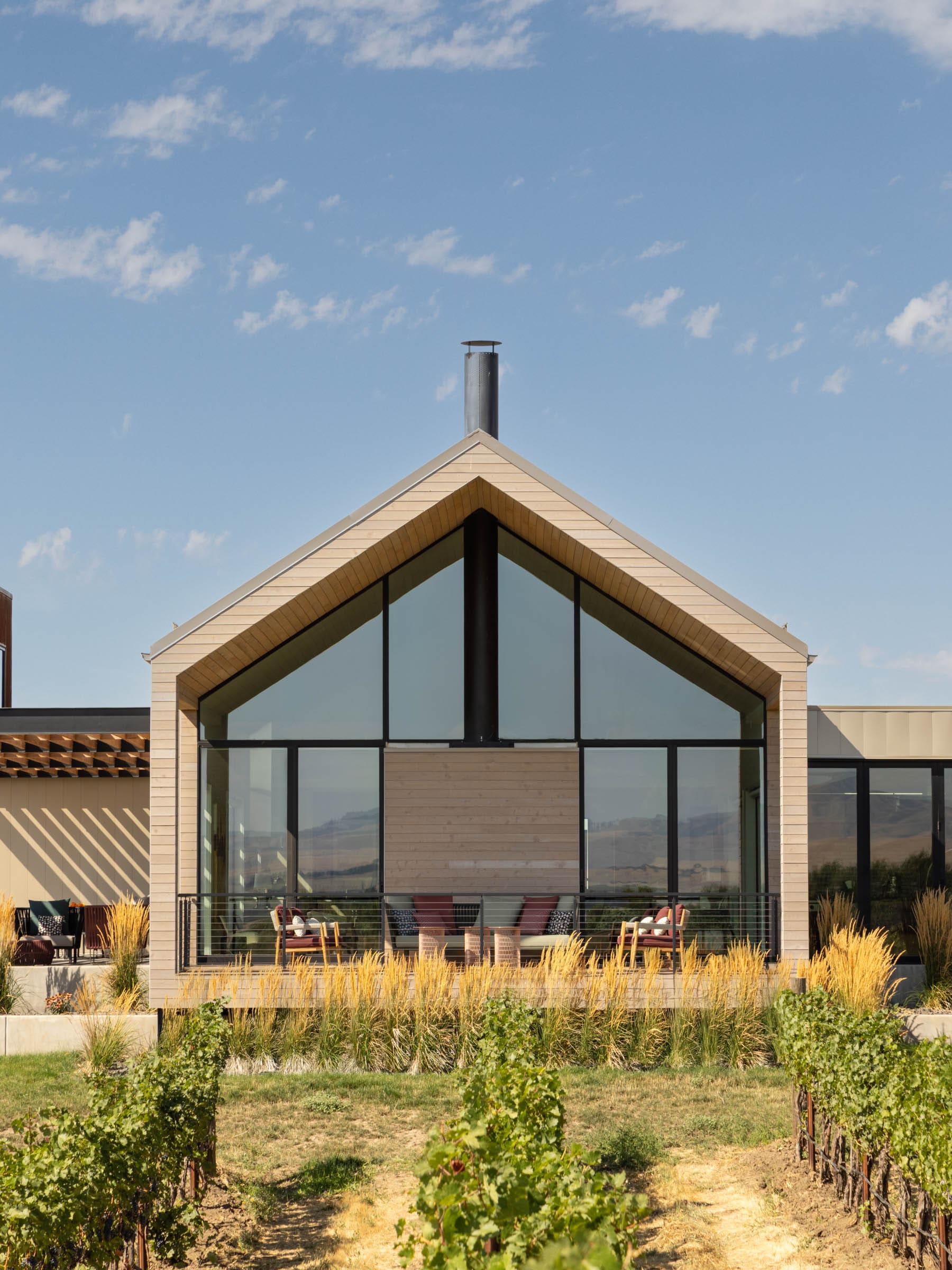
Set within the Walla Walla Valley, one of the State of Washington’s most prolific wine regions, this contemporary residence for a repeat client (passionate winemakers) is rooted in and responds to the surrounding agrarian landscape. Progressive yet contextual in design for the area, the clean, refined lines of the overall structure ensures that it settles unobtrusively onto the gently sloping 10–acre site.
Primary materials were purposefully specified. Gray metal emulates the abundant basalt rock indigenous to the area (and that contributes to the quality of grapes used for winemaking). Cedar recalls the color of wood stakes supporting grapevines in the surrounding vineyard.
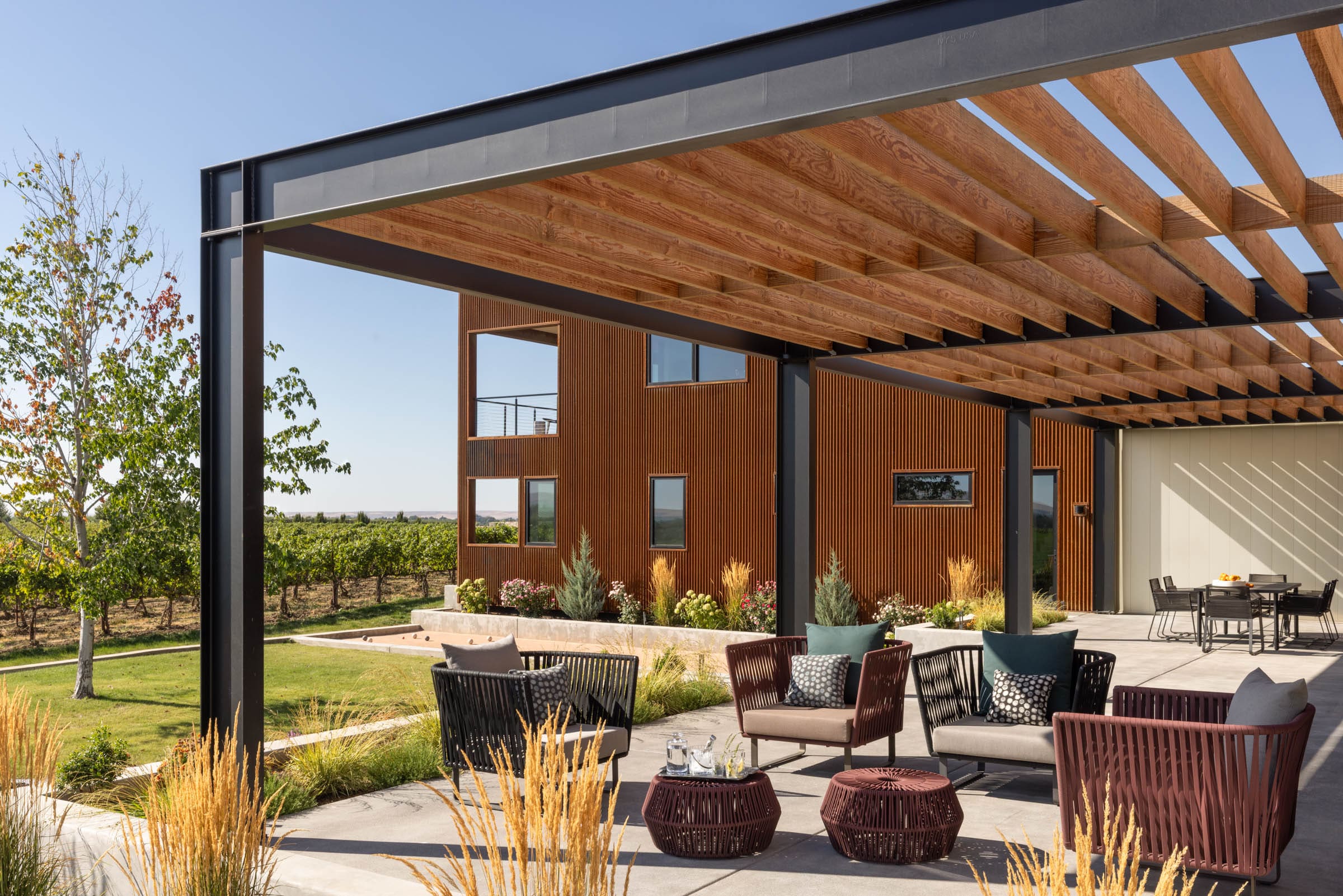
Sensitive to the intended lifestyle of the client-family and with the intent of capturing views of the Blue Mountains to the east, multiple structures were integrated into the surrounding landscape. Anchored by a new two-level volume reminiscent of historic buildings inherent to the area, three extruded gable structures appear to emerge from the vineyard. The gable structures were pushed and pulled around the site to meet programmatic needs, and smaller block volumes were purposely designed to link the four structures together.
Two of the gable structures, encompassing kitchen, dining, and living areas in one and the primary bed and spa-like bathroom suite in the other, provide single-level living. The third functions as a garage. The two-level metal volume accommodates a pair of guest suites on the ground level with a gym and office on the upper level. Wine storage and mechanical areas are below grade.
Outdoor rooms, green space, a sculpture garden and a pool area are thoughtfully designed between the structures, taking into consideration sun, wind and views. Access is through the surrounding vineyard via a pebbled drive, on axis with the main gable volume, and a central courtyard designed for outdoor gatherings and food trucks.
Every material, furniture selection, and light fixture was chosen as an extension of the architectural idea.
Project Size
7,615 SF (10.0 AC)
Publications
R+B Services
-
Architecture
-
Interior Design
-
Furnishings / Procurement
Project Team
-
Landscape Architect: Arterra
-
Structural Engineer: Coffman
-
MEP Engineer: Helix
-
Contractor: Ketelsen
-
Photographer: Lisa Romerein
Barn Studio
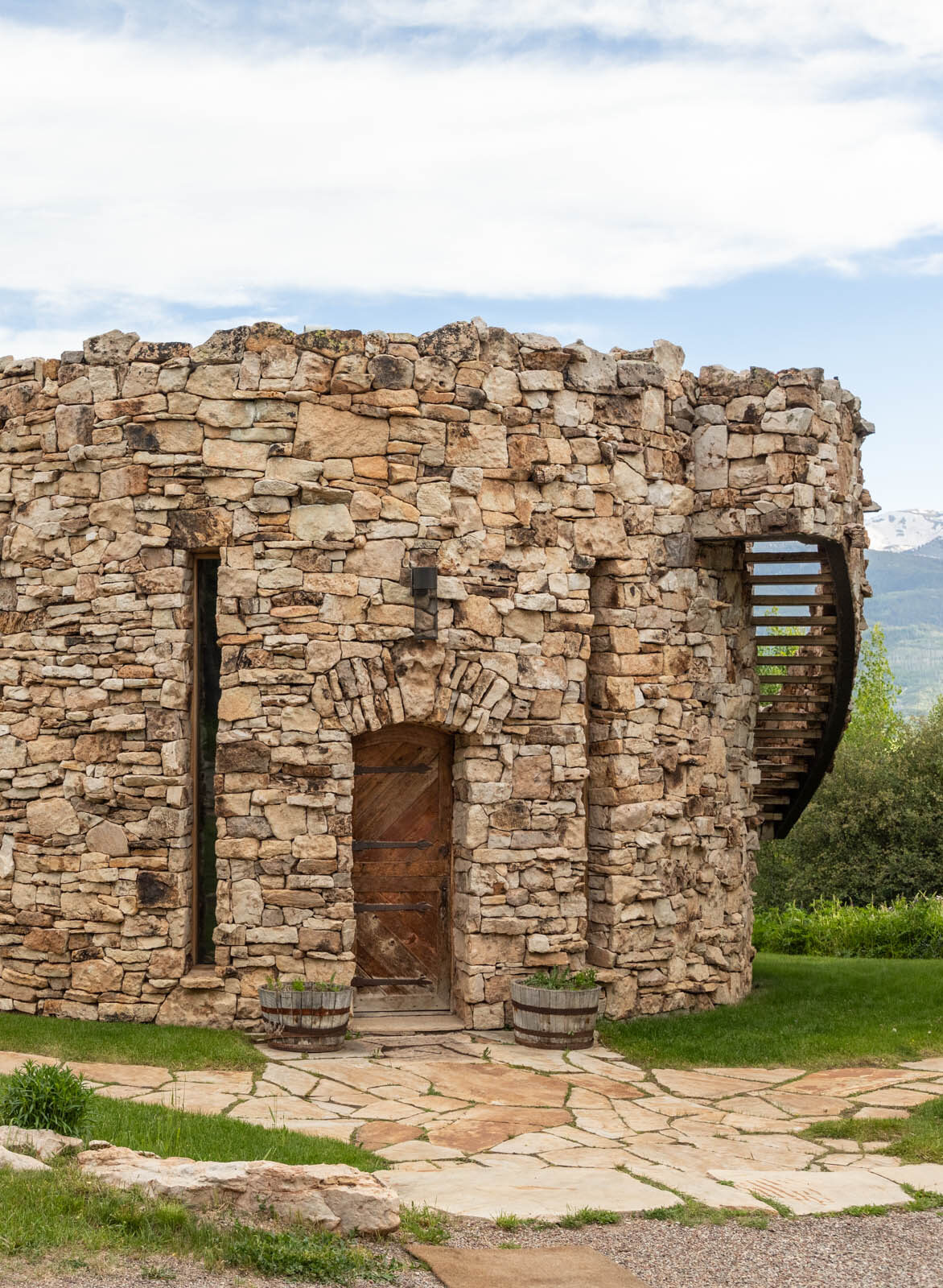
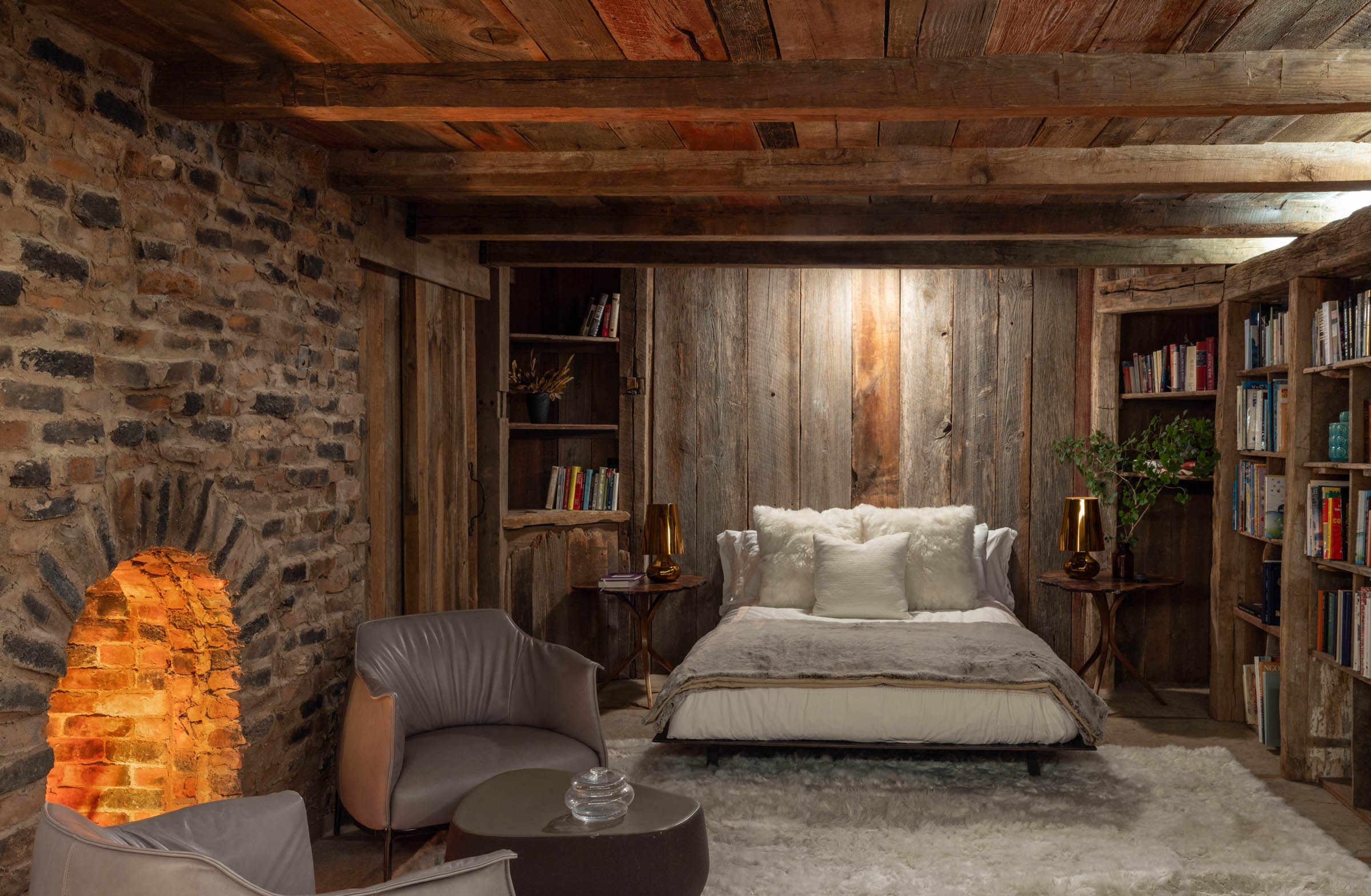
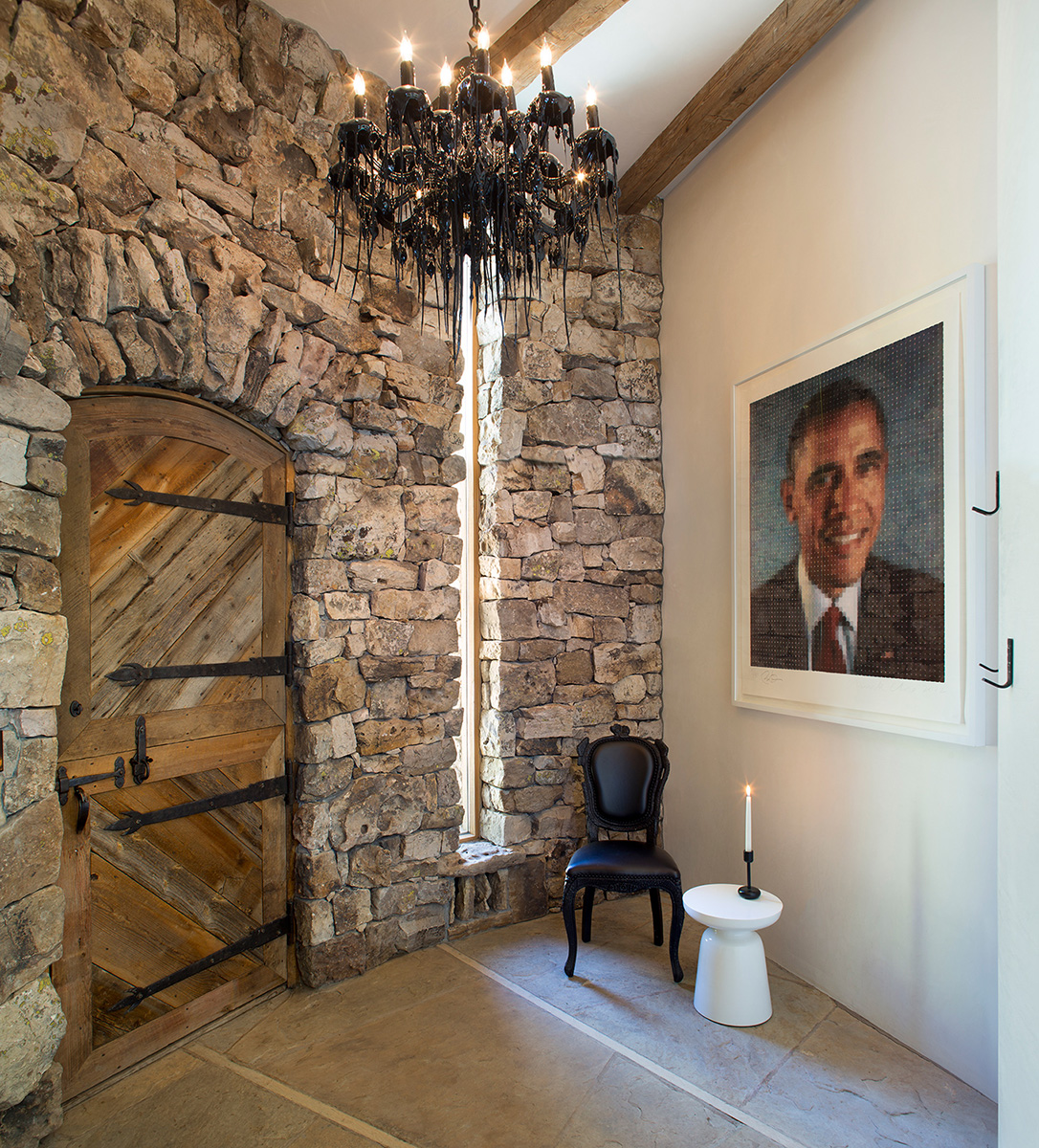
While renovating a building may seem to offer less opportunity than a blank slate, a considerable creative challenge is presented when the preexisting component is picturesque: a relic or ruin, ideally dating from a bygone, colorful age. Then, all manner of possibilities come into play, the most interesting being how the old might become part of something new: the structural and emotional interplay between the vivid past and the practical present.
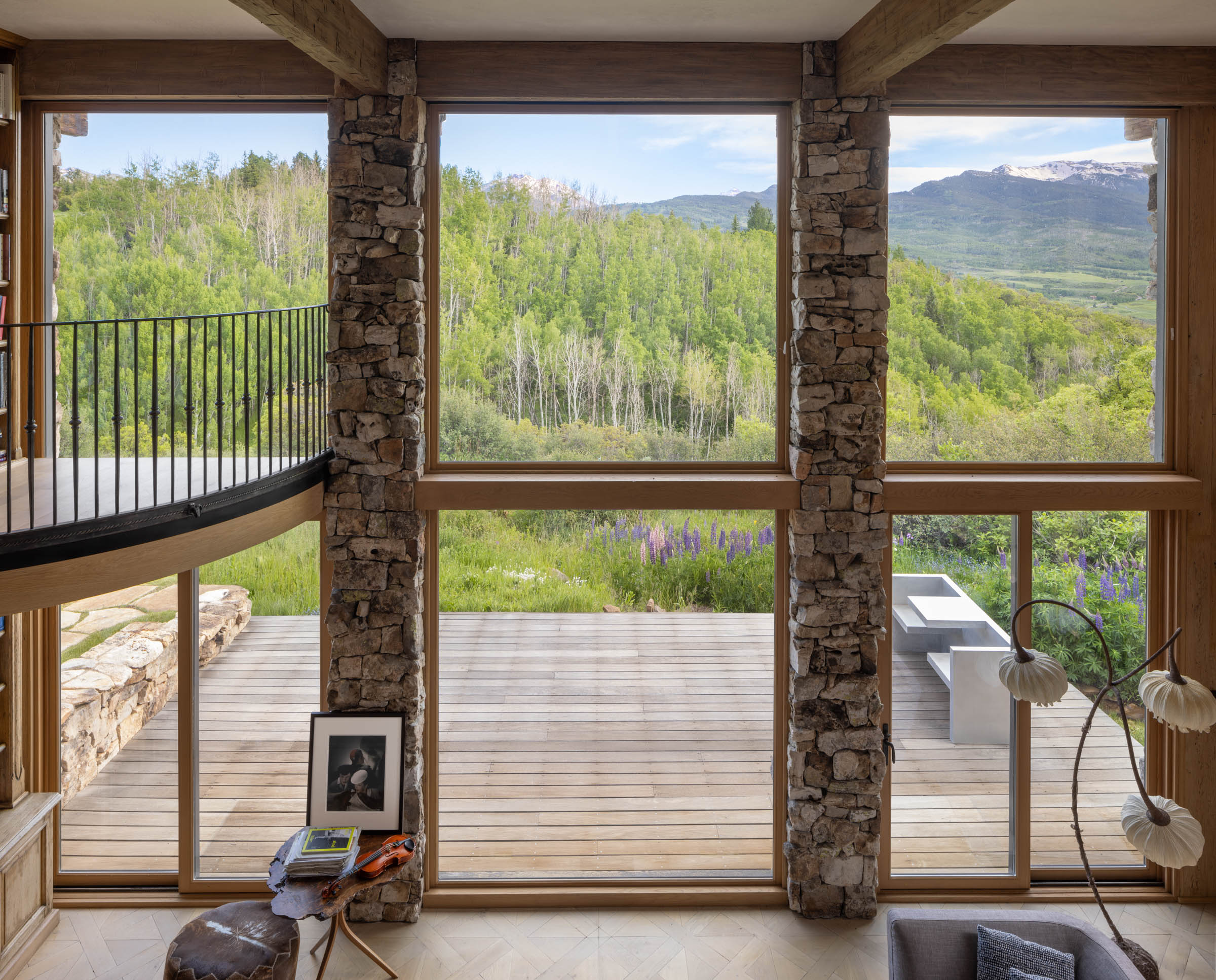
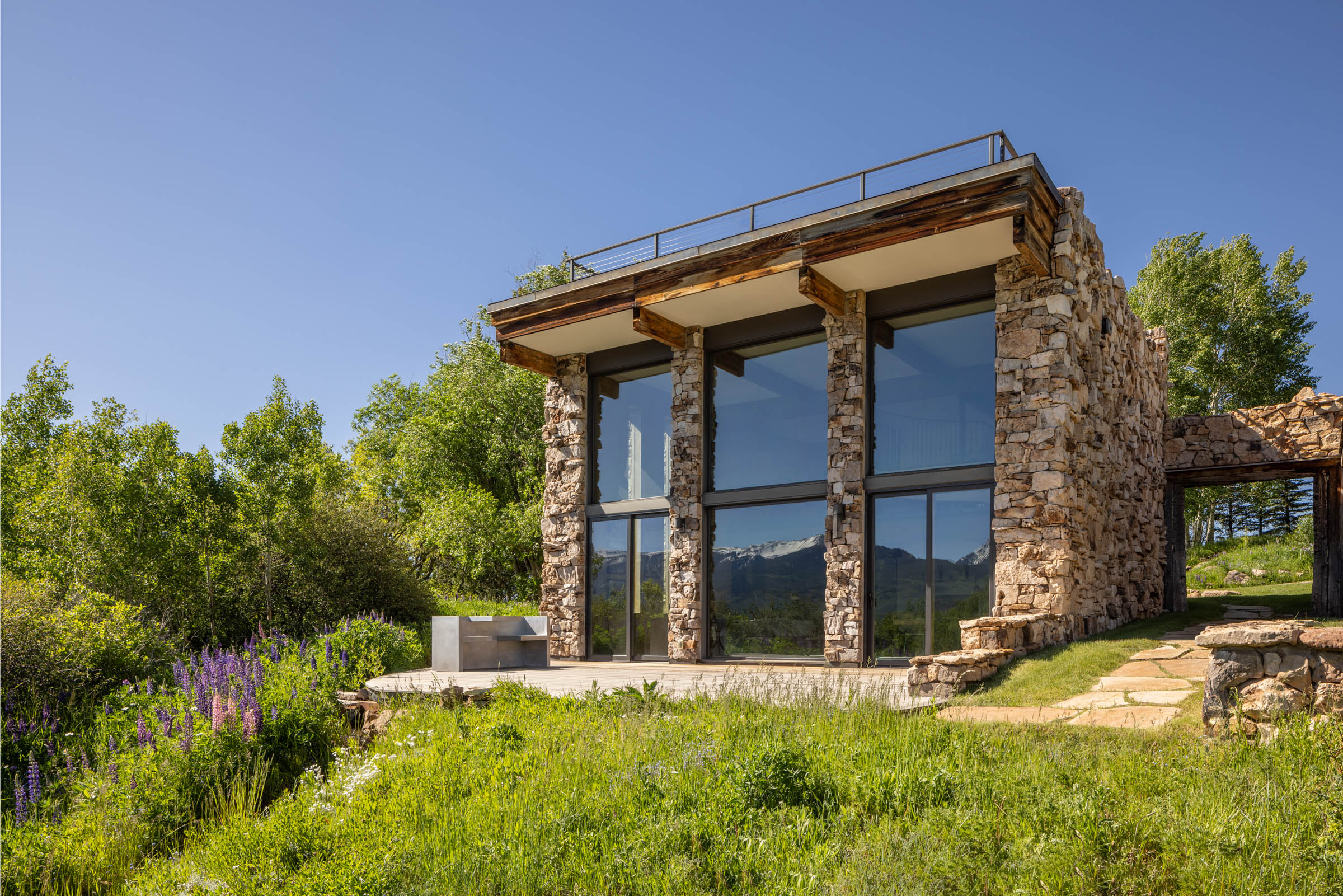
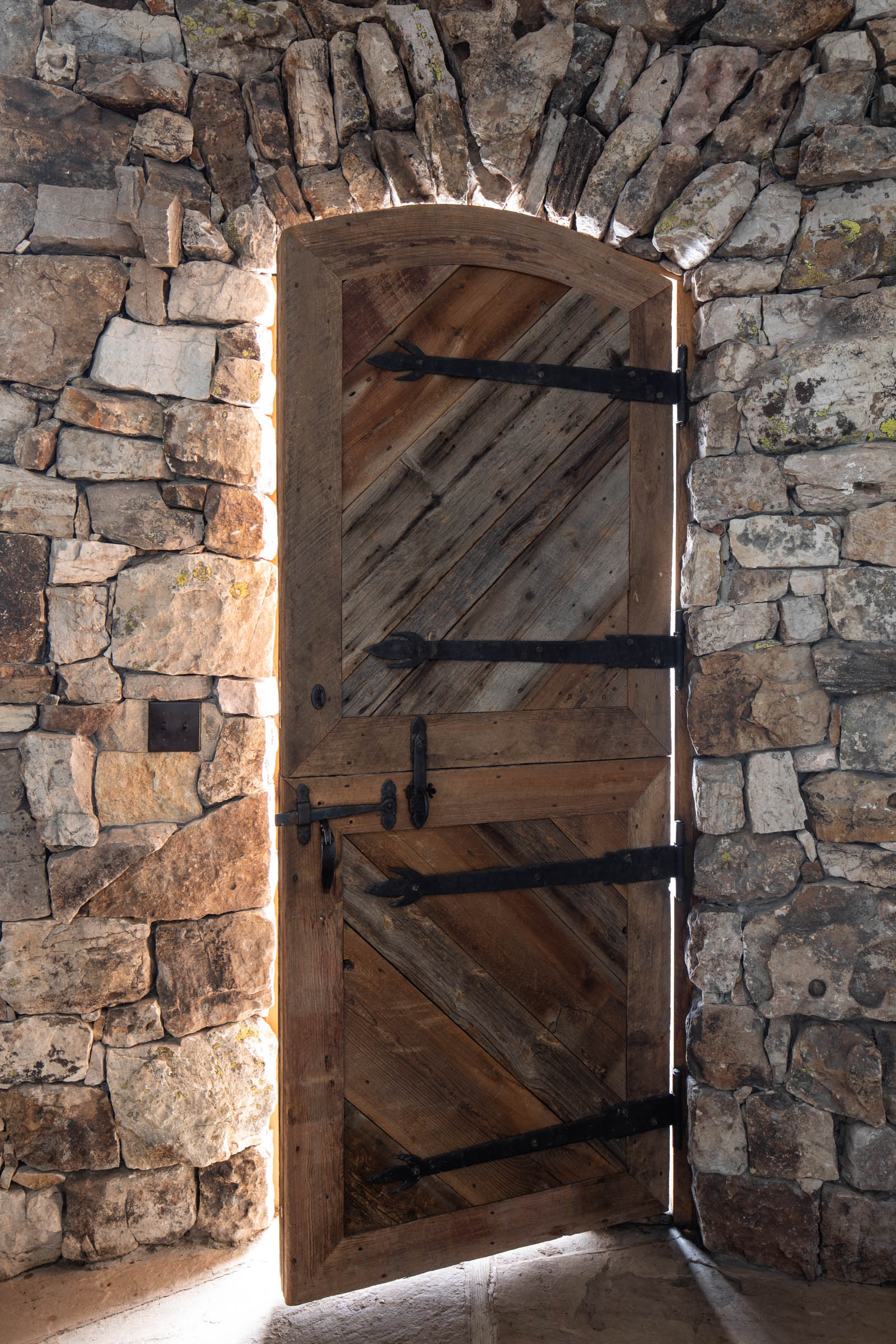
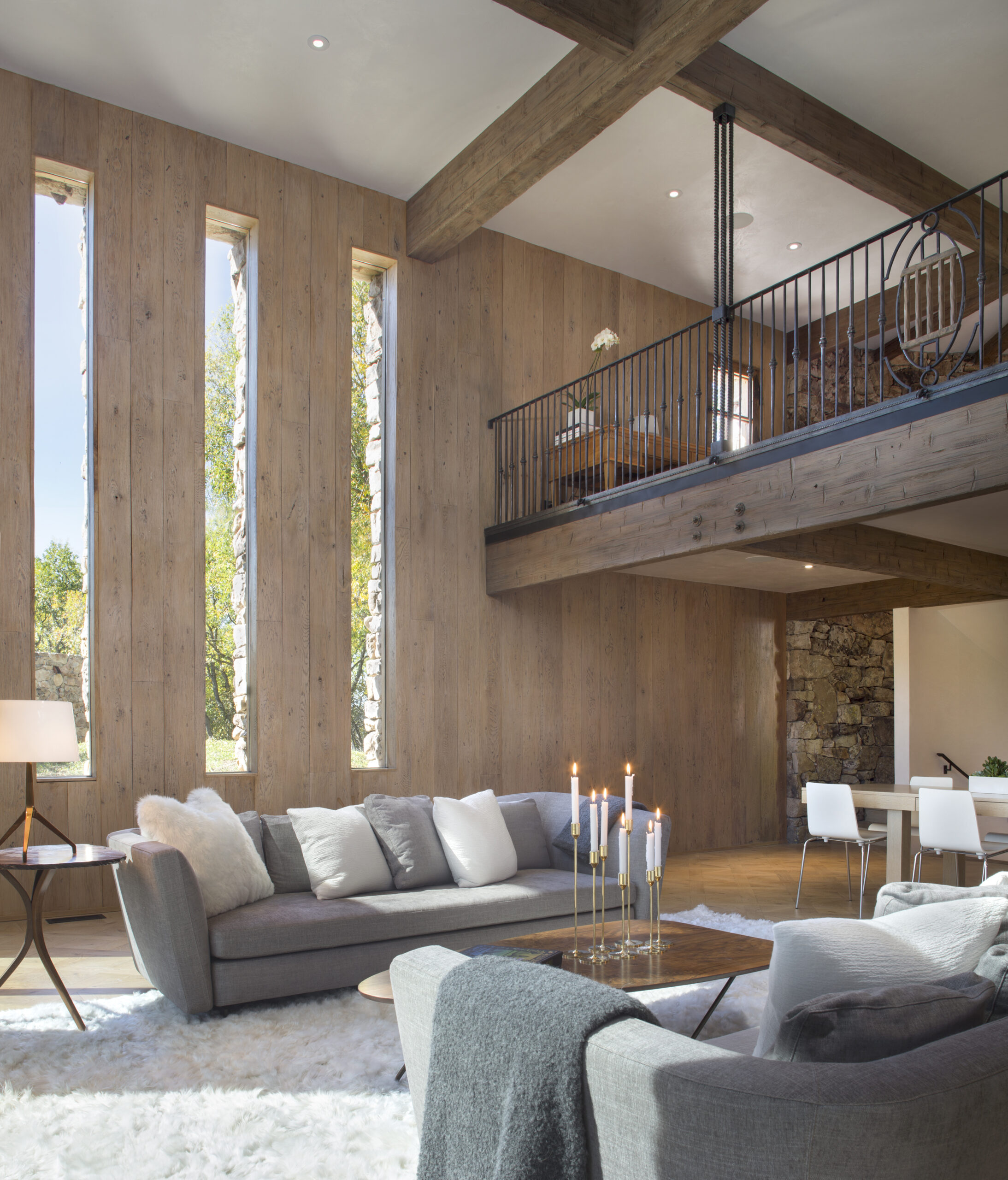
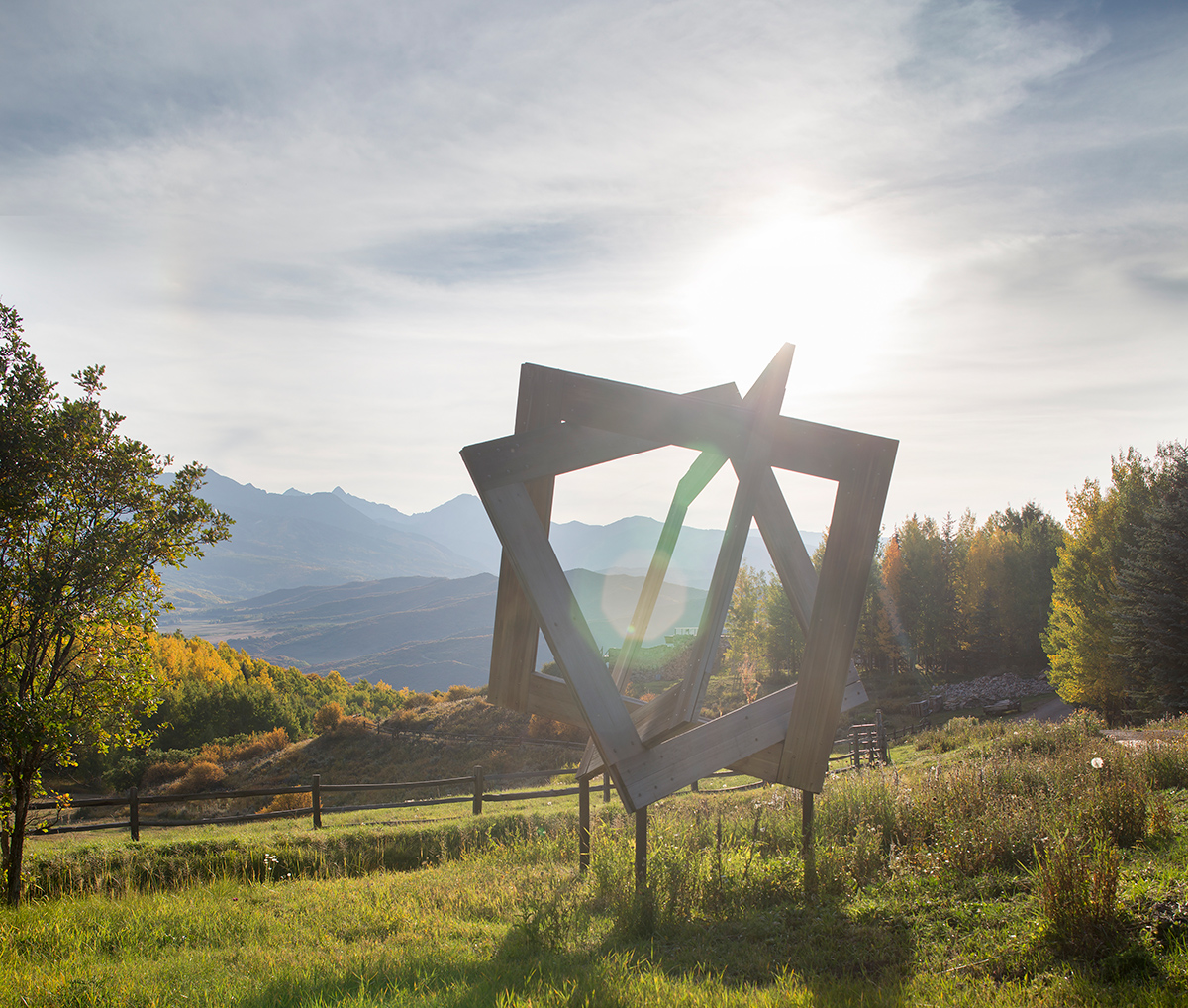
Our design for Barn Studio, perched on a ridge with picturesque Aspen views, rings an interesting change on the idea of the new-old house. The original building appeared to be a remnant of a mostly collapsed, rubble-stone agrarian structure, reconceived as a residence via the insertion of contemporary living amenities. In fact, it was entirely modern, designed by its owner to resemble a clever meeting of modern life and the golden days of Colorado’s yesteryear.
R+B’s clients, a couple with three young children, purchased this folly and its surrounding acreage, seeing it as the cornerstone of a compound that would ultimately include a range of building types. The idea was to make it livable for five people while the other structures took shape, and to create a paradigm for building on the site, one that respected the area’s rural-agrarian history while extending that legacy into the future.
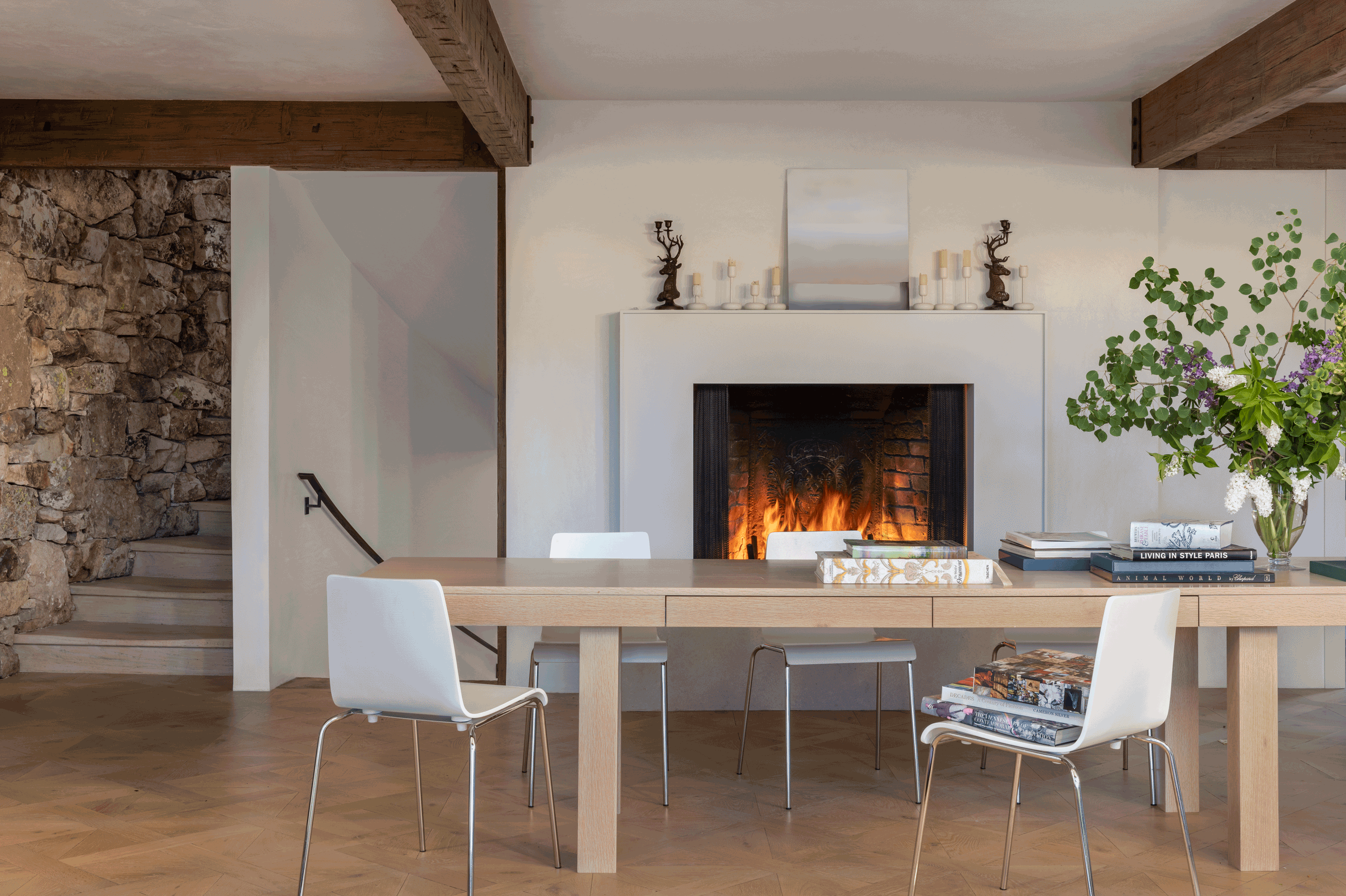
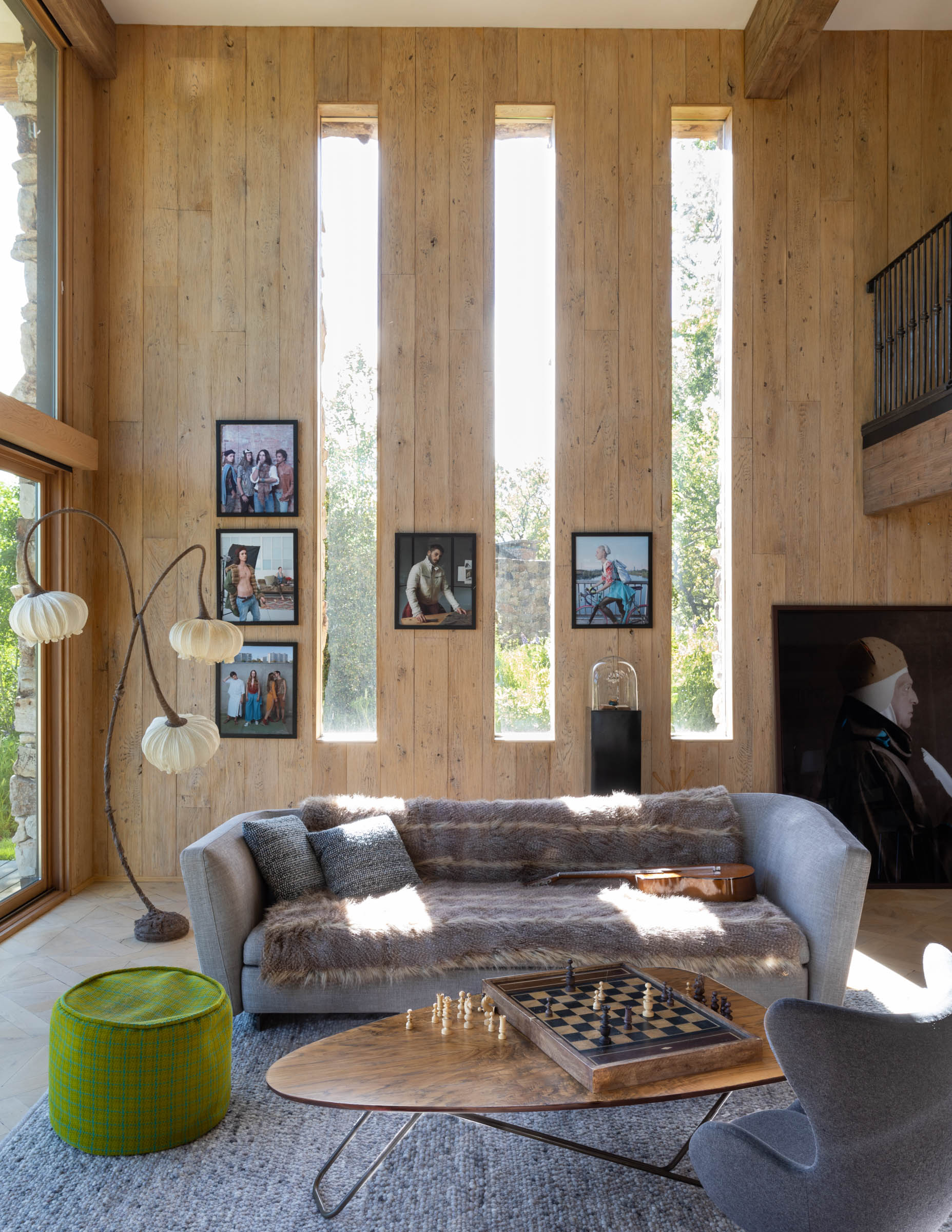
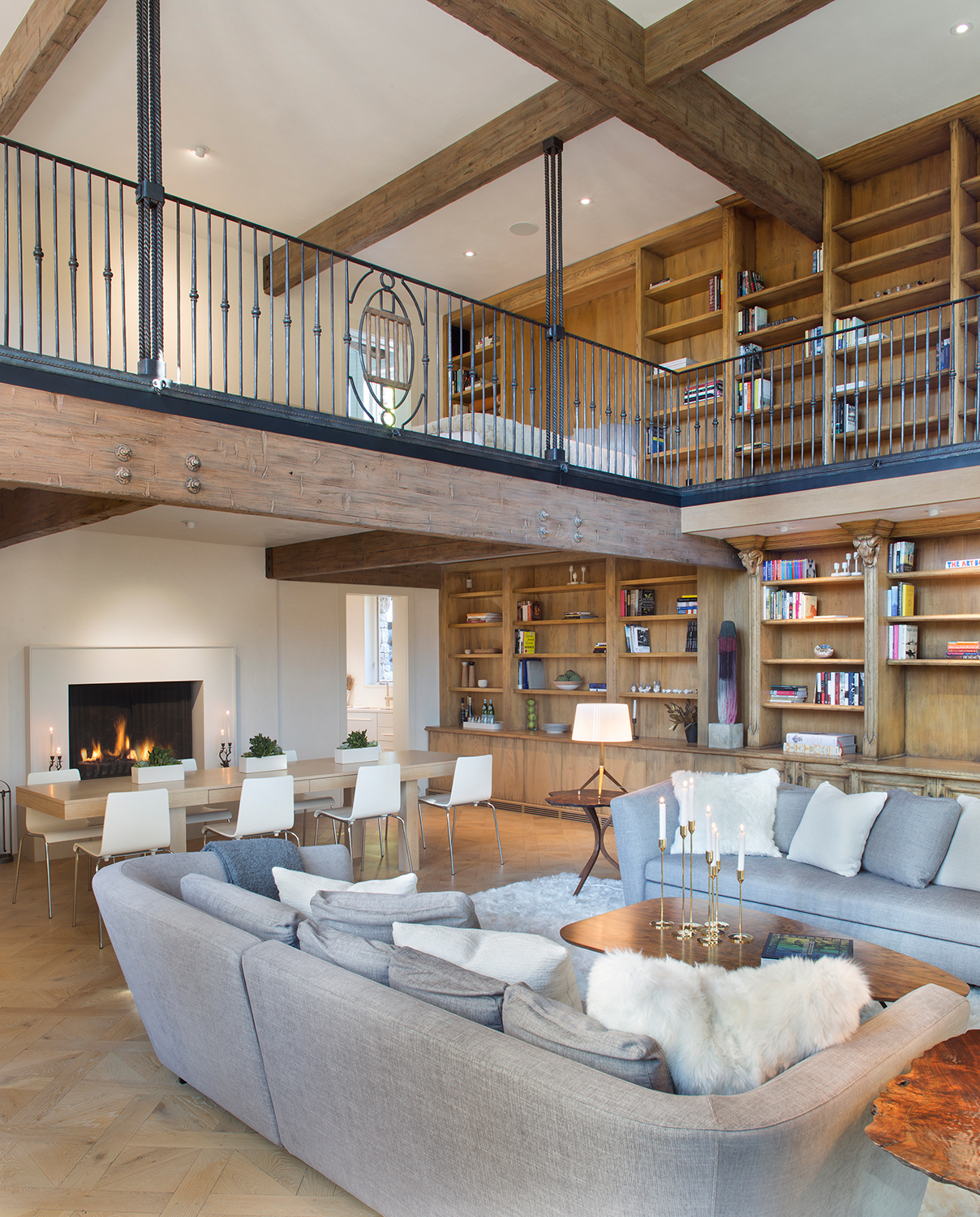
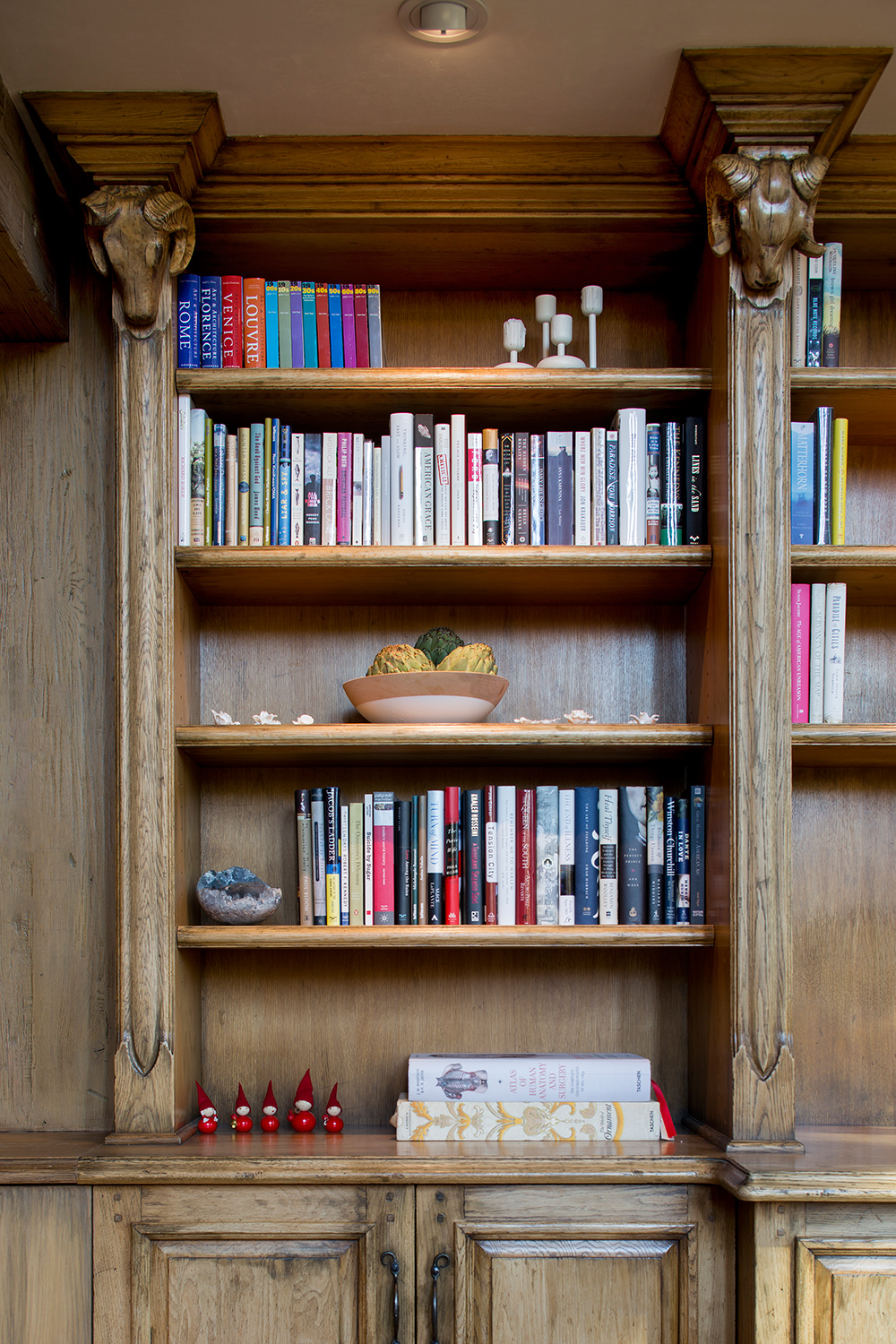
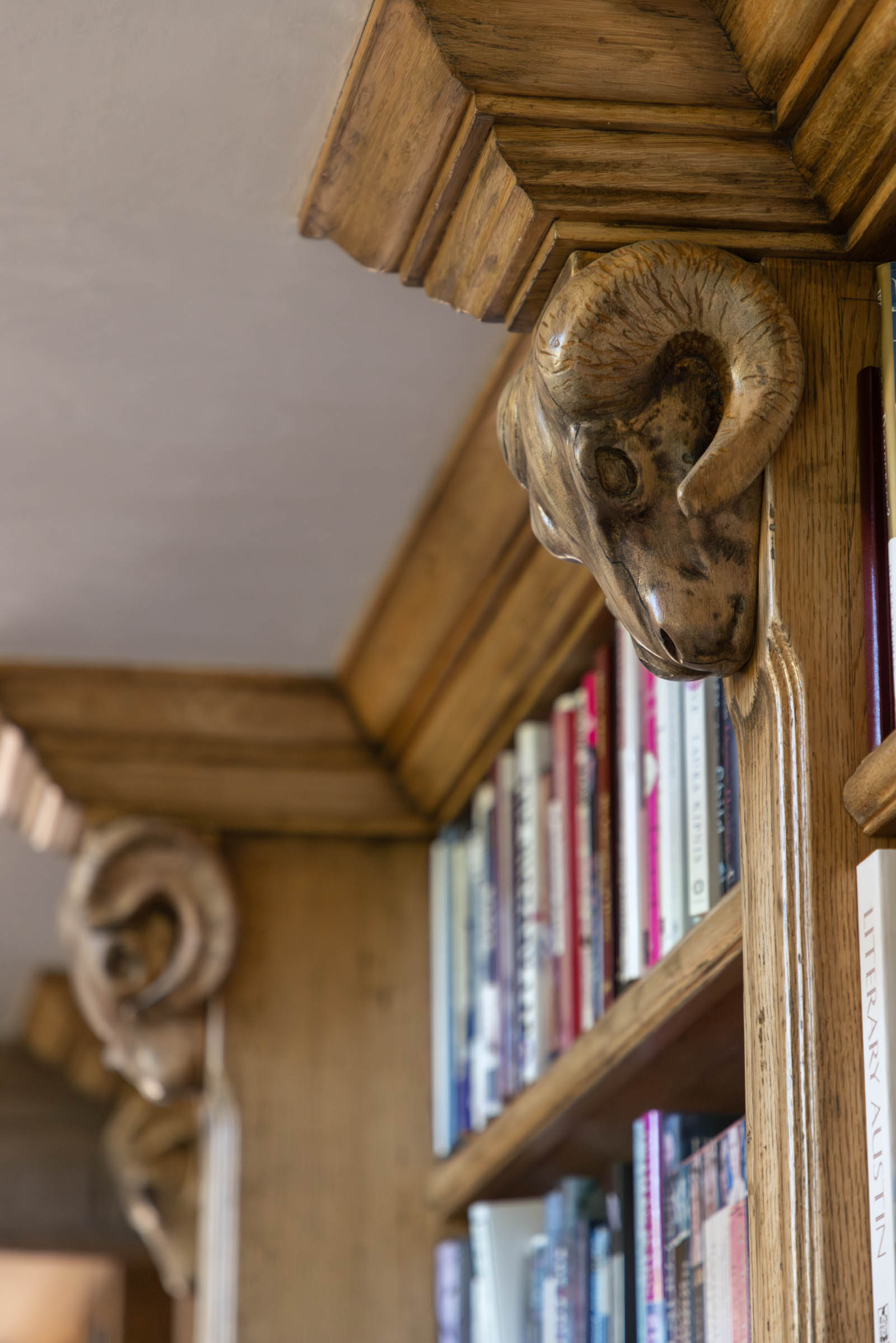
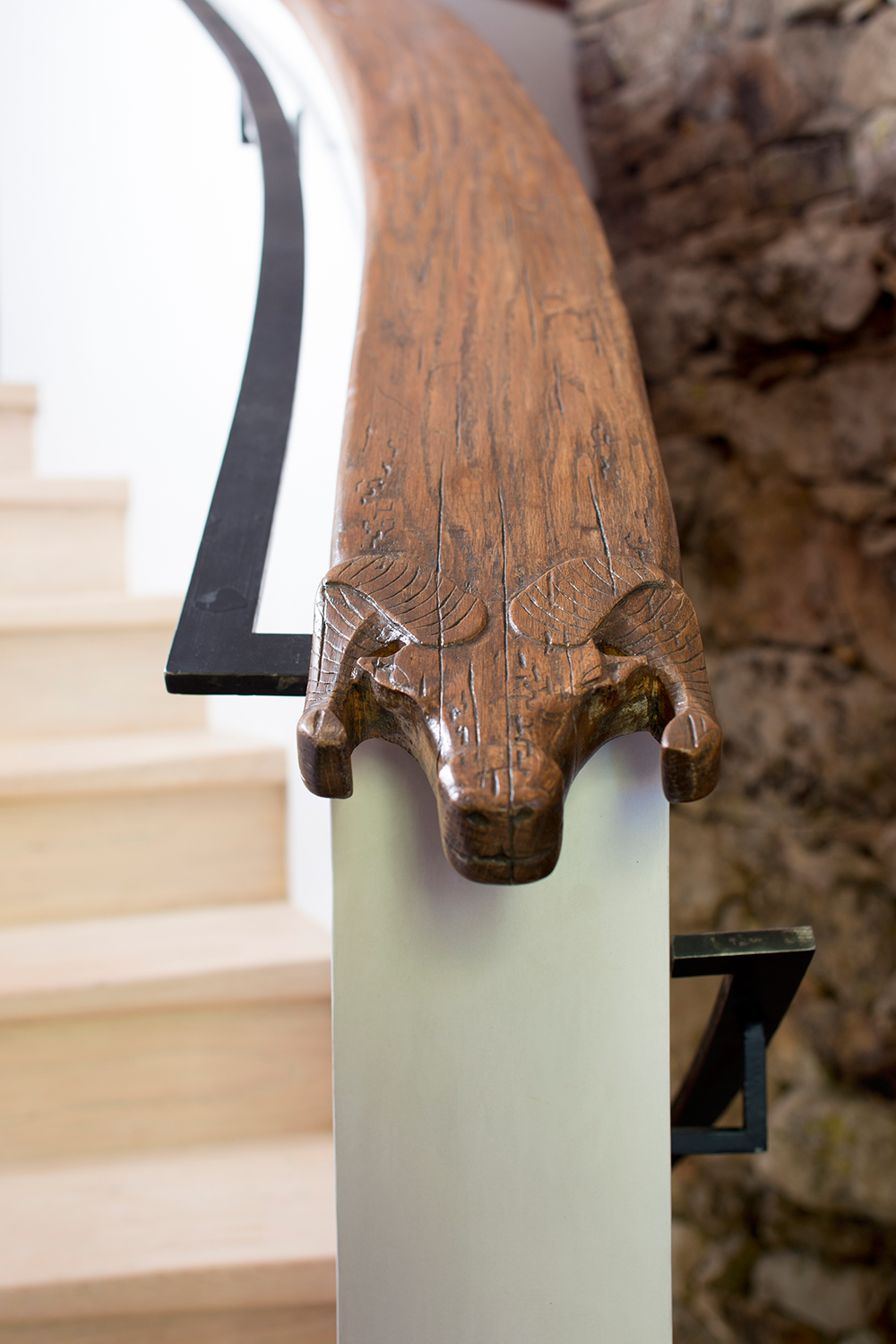
Barn Studio unfolds on three levels: a subterranean space incorporating media and game rooms; a double-height main floor, which we lightened and contemporized; and an L-shaped mezzanine that doubles as a sleeping loft and library. Although there are abundant reminders of the place as it was, notably a distinctive carved ram’s head motif, the design’s reimagining is at once more useful and more cheerful: a welcoming, offbeat hideaway – and elegant, fully-equipped crash pad for a family of five – that belongs to the past without being mired in it.
Of the two R+B-designed residences that followed Barn Studio on the property, says Broughton, ‘they’re informed by what we did here first. It’s all about stewardship – uniting the past with today’s processes while respecting and appreciating the people who were here before.’
Every material and furniture selection was chosen as an extension of the architectural idea.
Project Size
3,197 SF (3.4 AC)
Project Awards
-
AIA Colorado – Editor’s Choice
-
Colorado Homes & Lifestyles Magazine – Home of the Year
-
LUXE Interiors + Design – RED Awards
-
IIDA – BESTawards
-
Colorado Homes & Lifestyle – CARE
-
ASID – Crystal Awards
-
International Design Awards
-
AIA Colorado – YAAG Awards
Publications
R+B Services
-
Architecture
-
Interior Design
-
Furnishings / Procurement
Project Team
-
Civil Engineer: SGM
-
MEP Engineer: REG
-
Landscape Architect: Bluegreen
-
Structural Engineer: KL&A
-
Lighting Designer: 186 Lighting Design Group, Inc.
-
Photographer: Lisa Romerein
-
Photographer: Brent Moss
-
Contractor: Schlumberger Sherer
Villa Verde
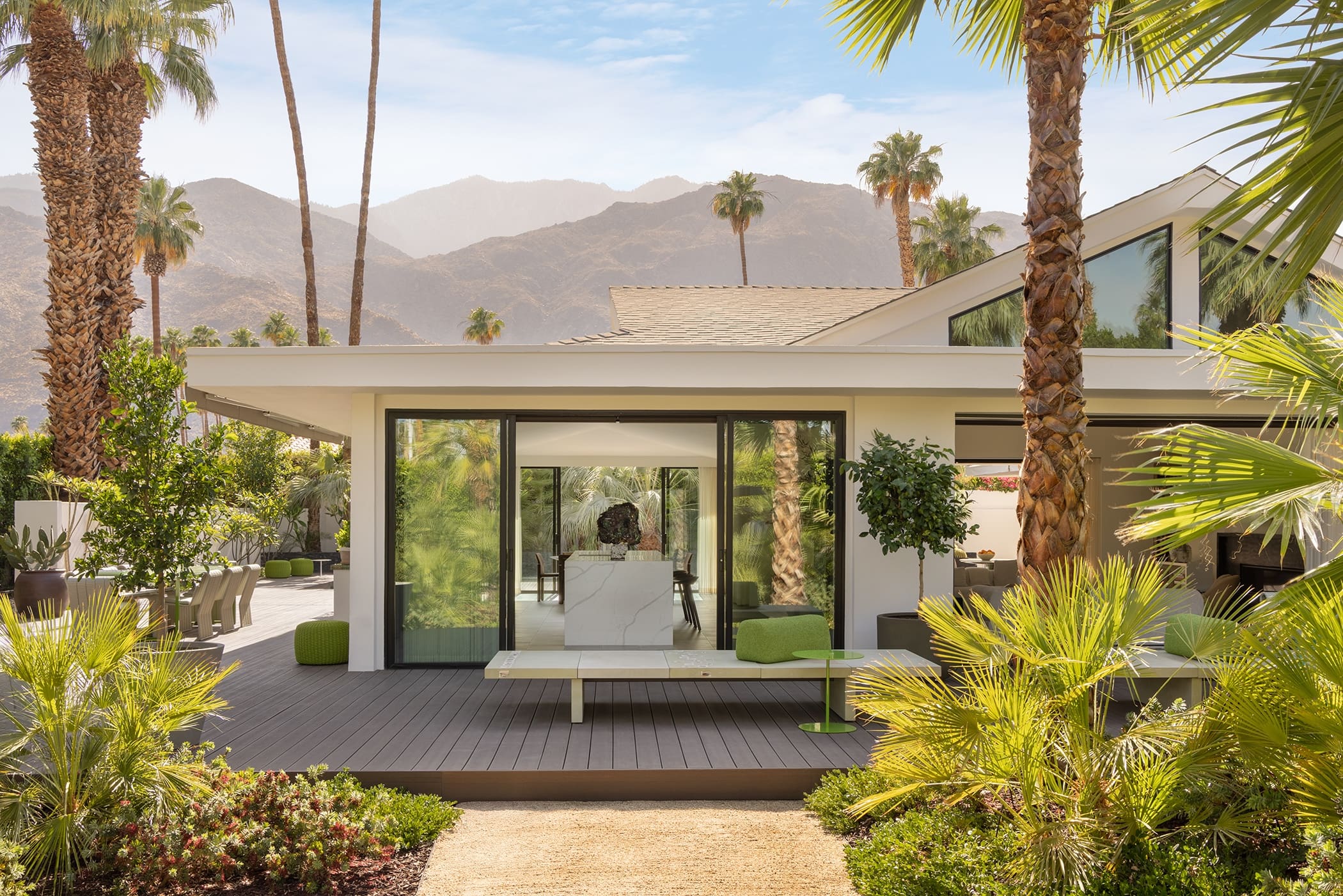
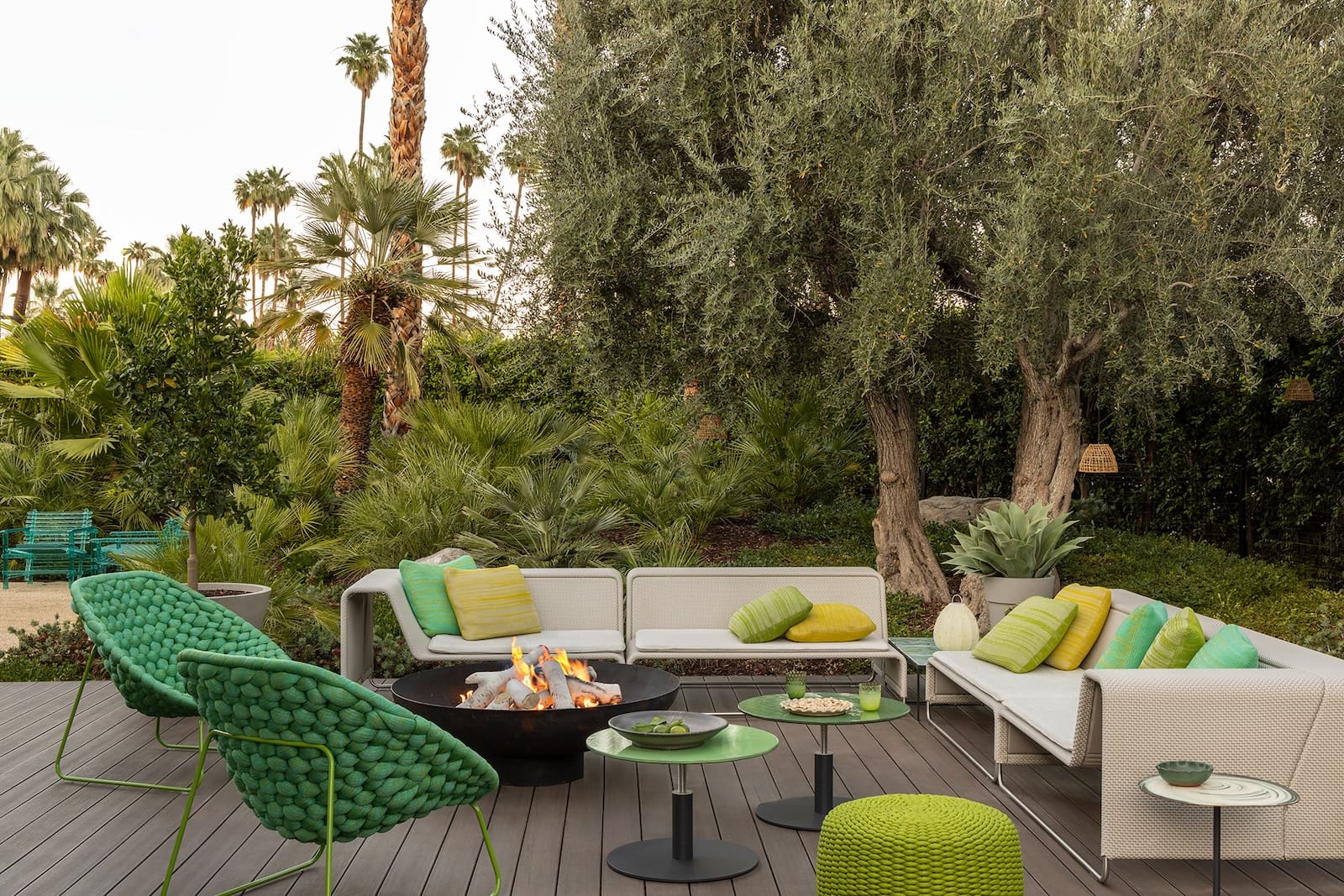
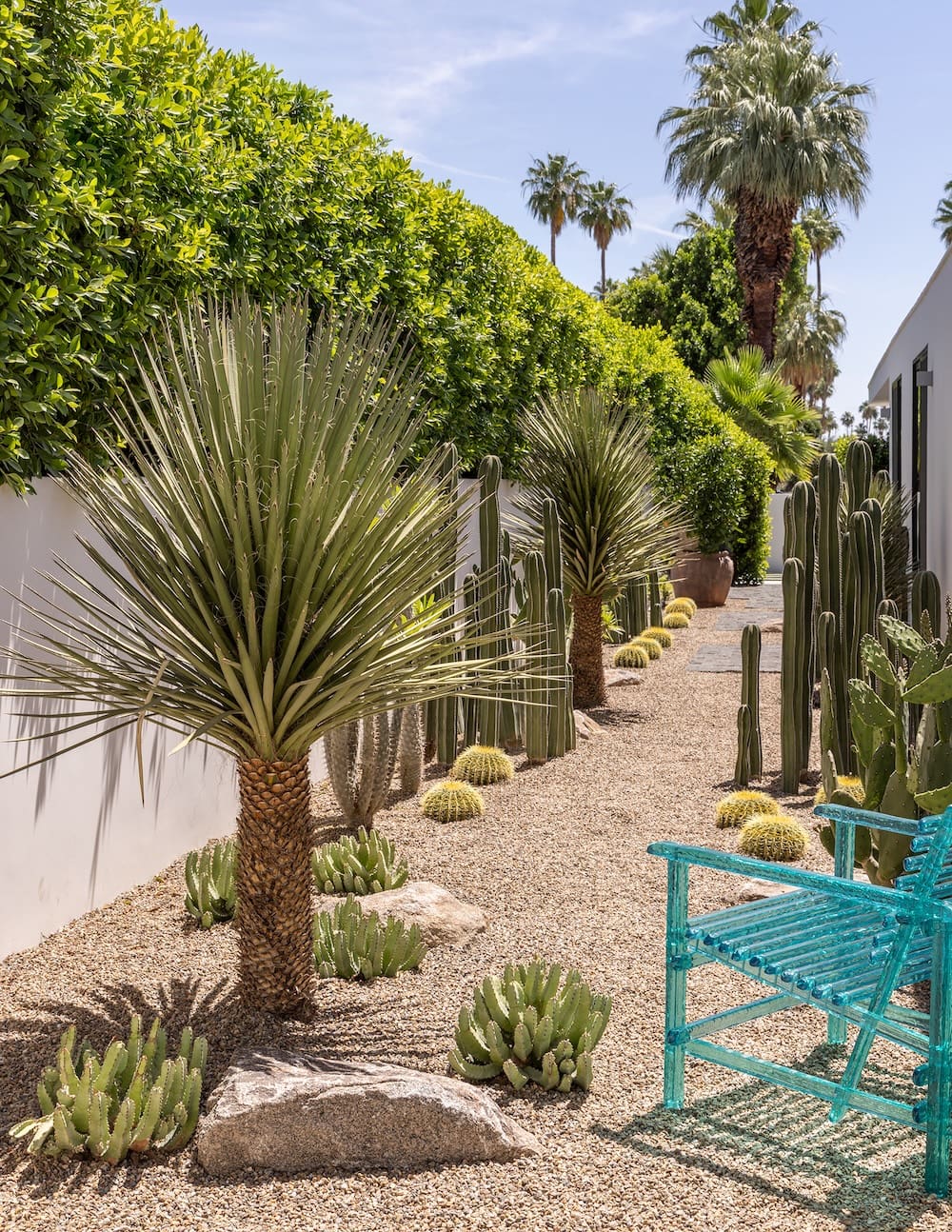
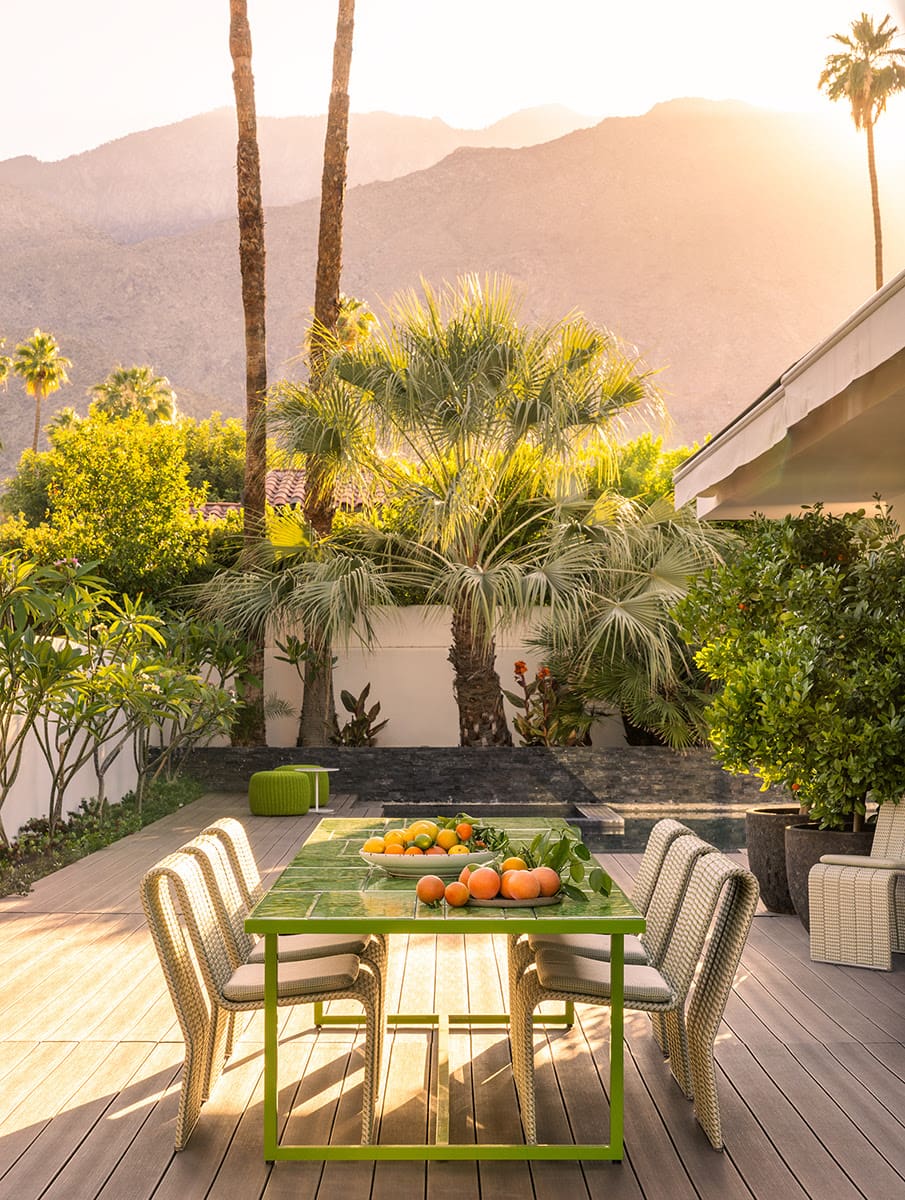
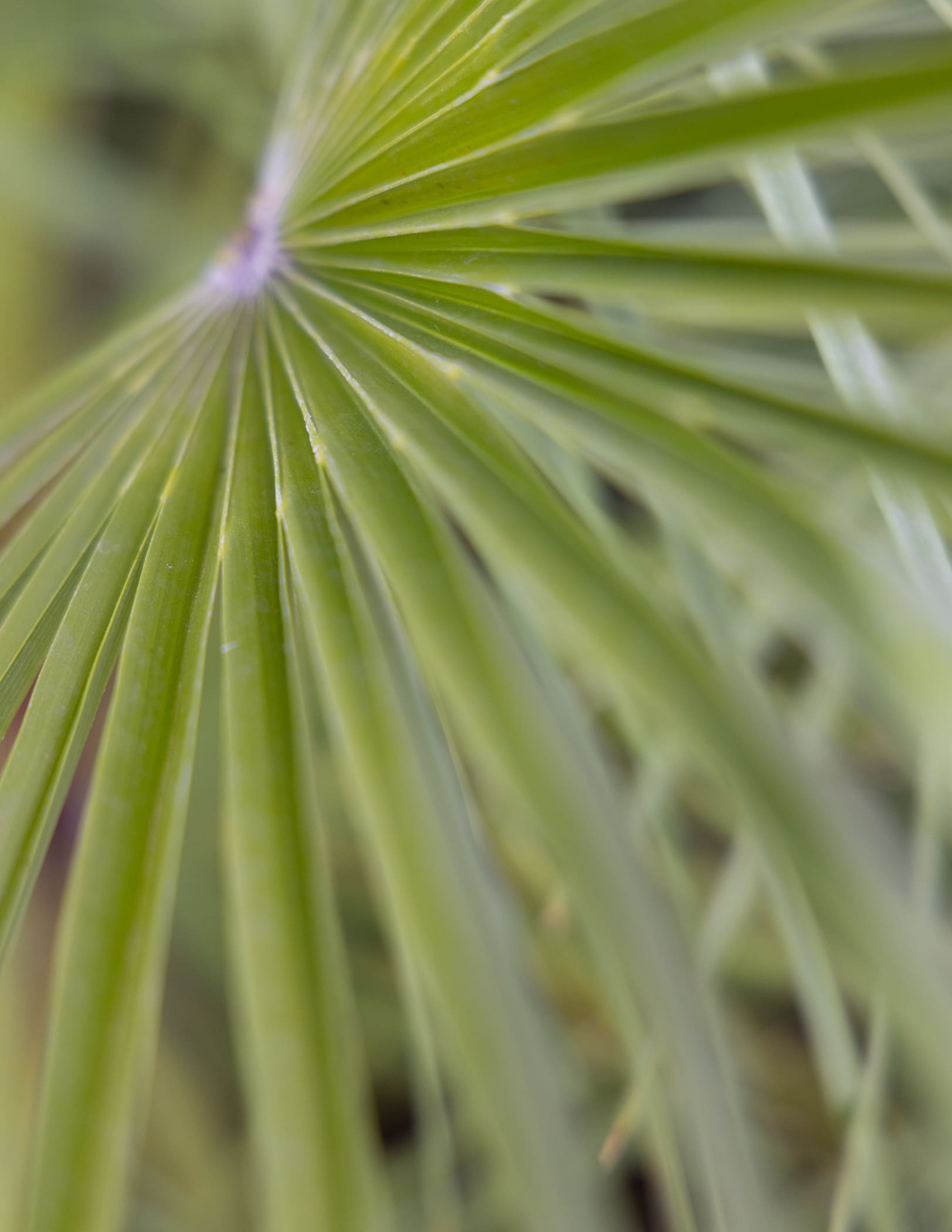
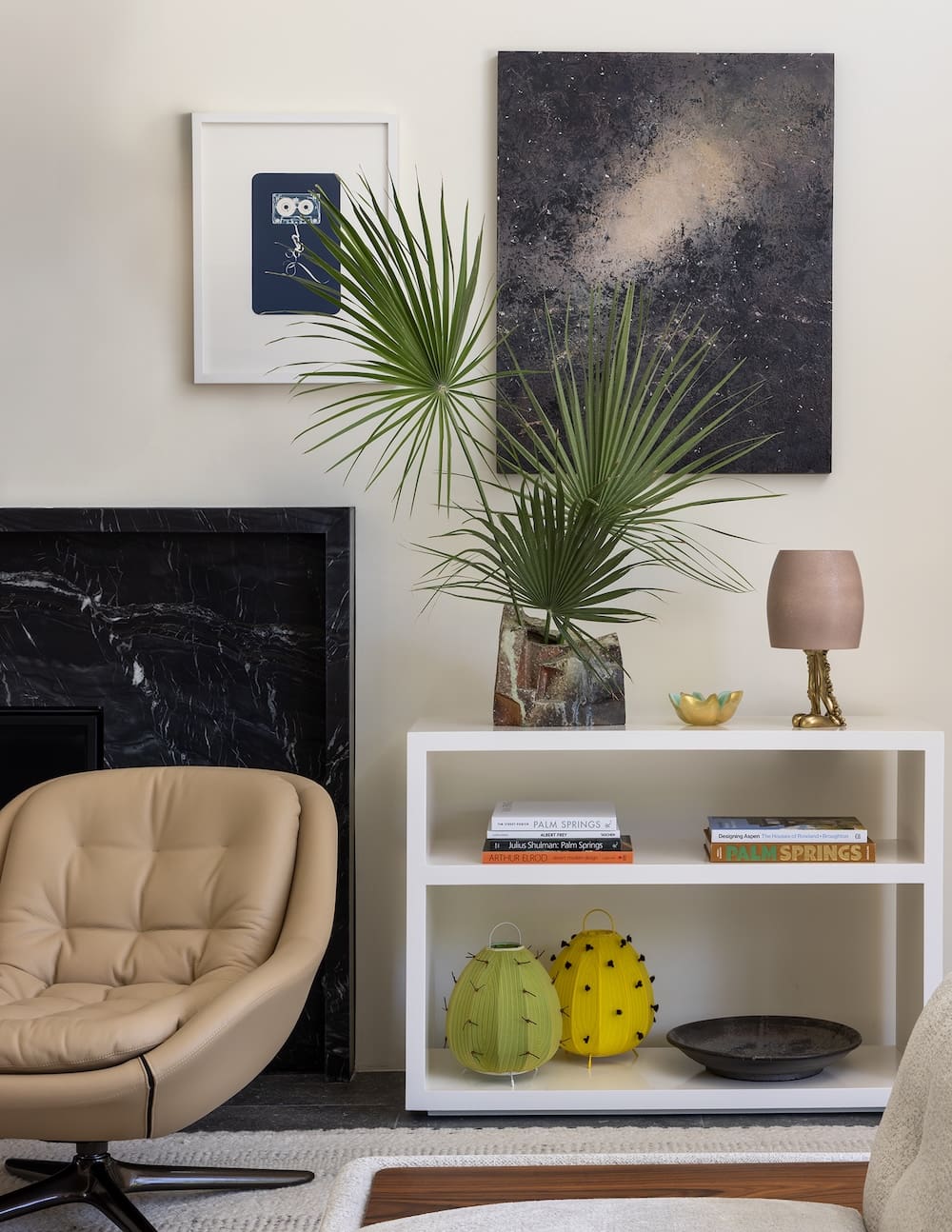
Villa Verde began in the 1960s as a modest Mid-Century residence in Palm Springs’ Deepwell Estates neighborhood. While the architecture was understated, its real assets were already in place: mature gardens, generous outdoor rooms, mountain views, and a seamless relationship between house, climate, and landscape. Rather than overwrite these qualities, the design amplifies them—honoring Palm Springs’ design legacy while moving beyond nostalgia.
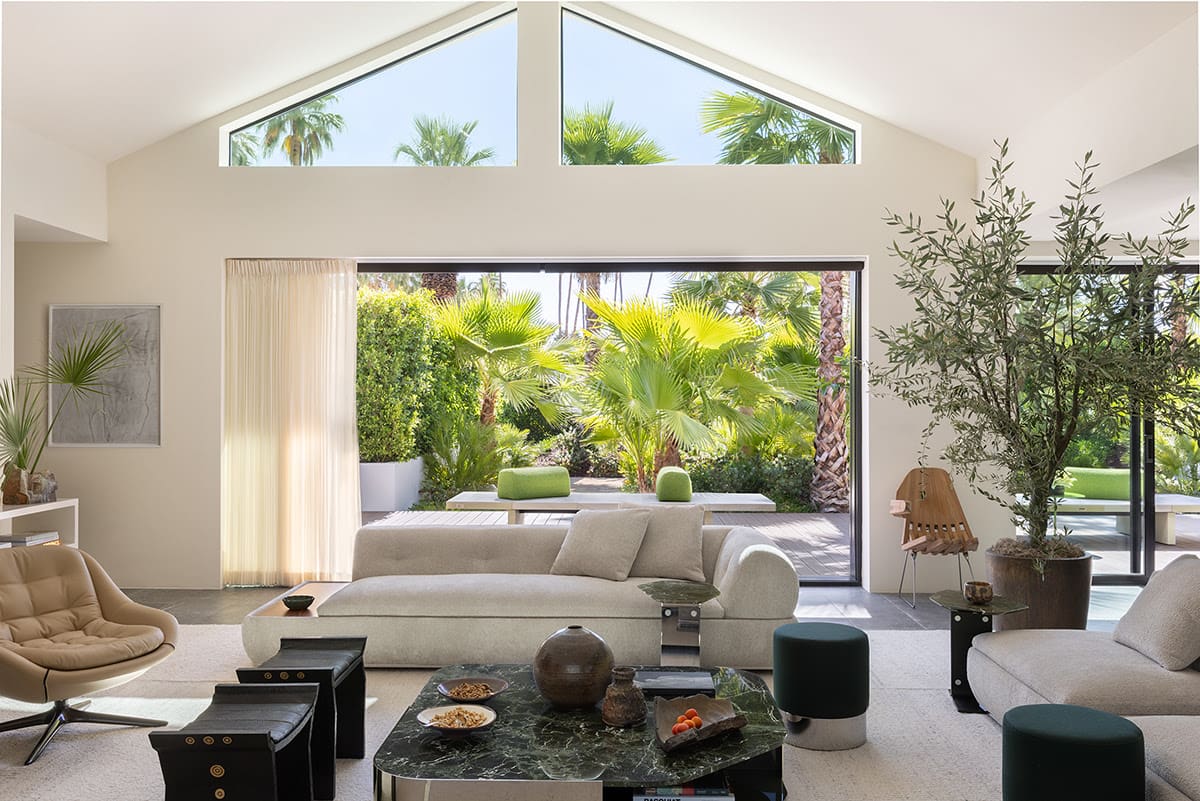
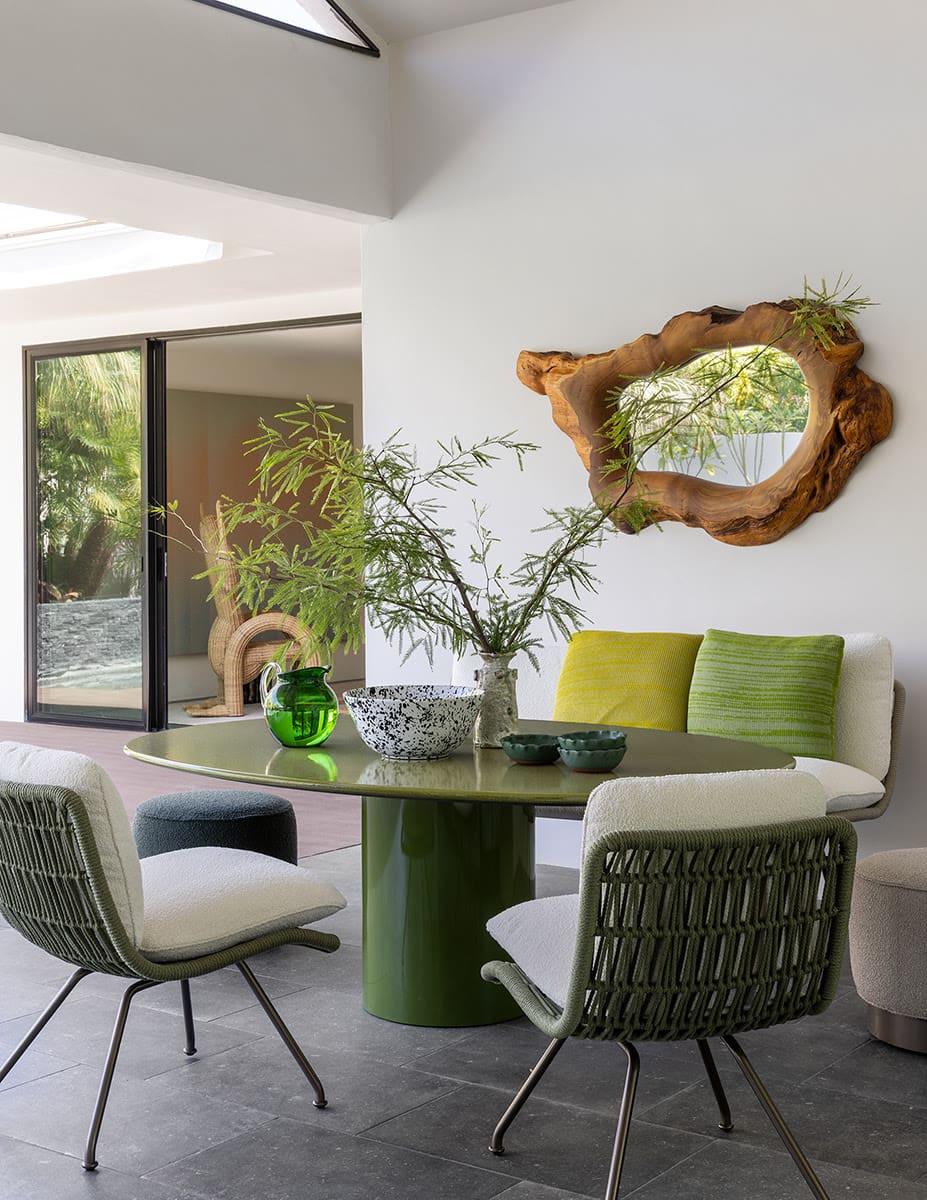
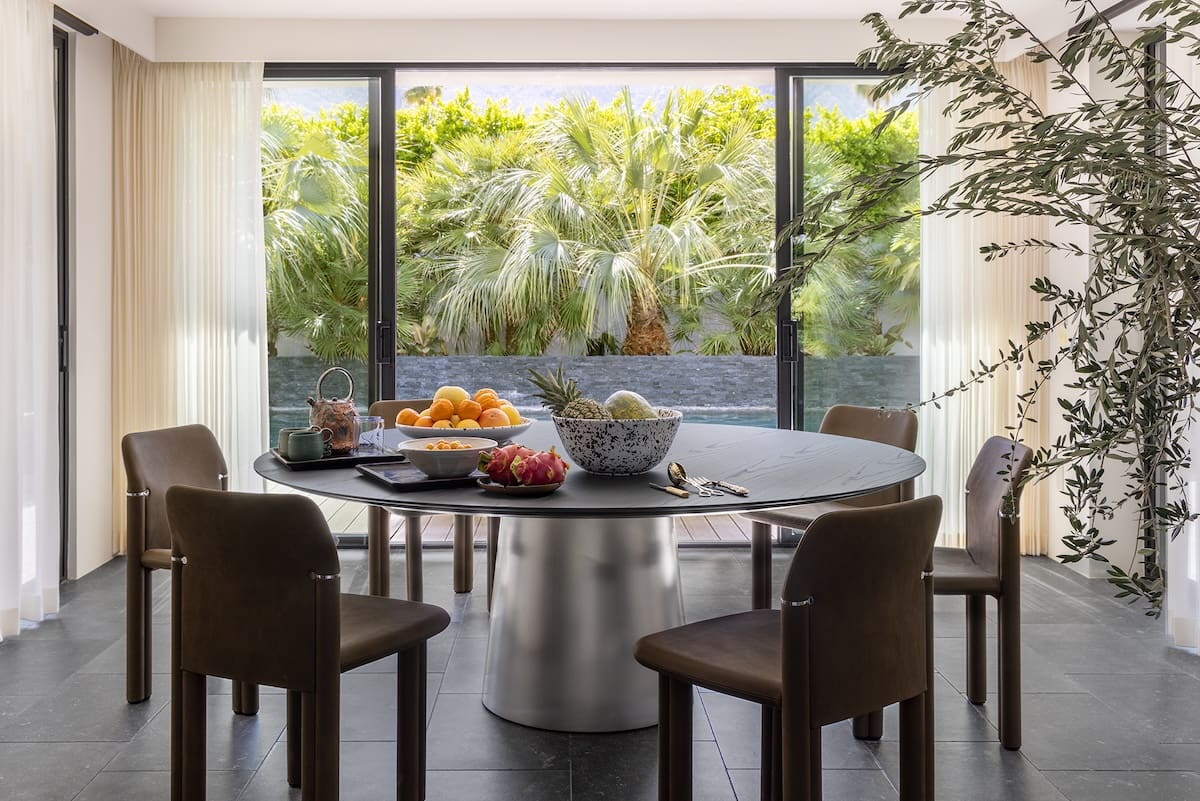
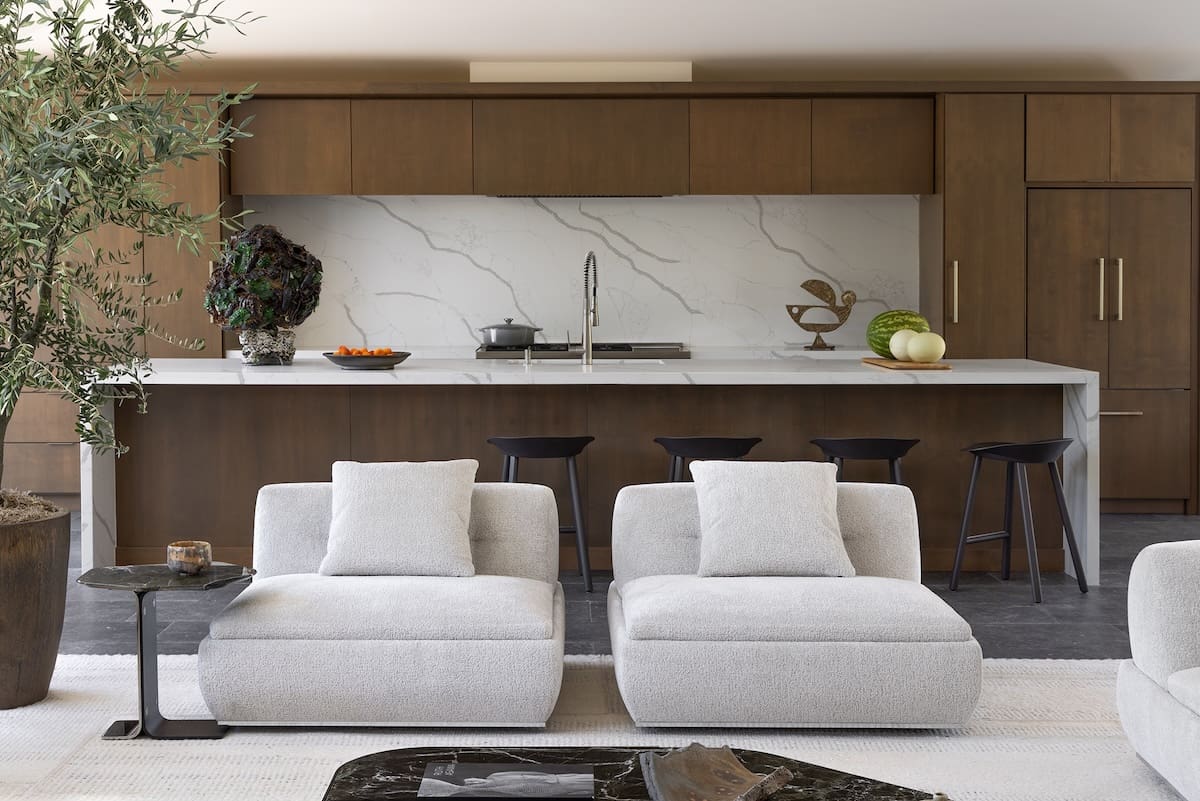
The project is primarily an interior transformation, shaped through atmosphere, materiality, furnishings, and use. Guided by the surrounding gardens and layered outdoor rooms, the interiors extend the landscape inward—colorful, relaxed, and attuned to the rituals of desert living.
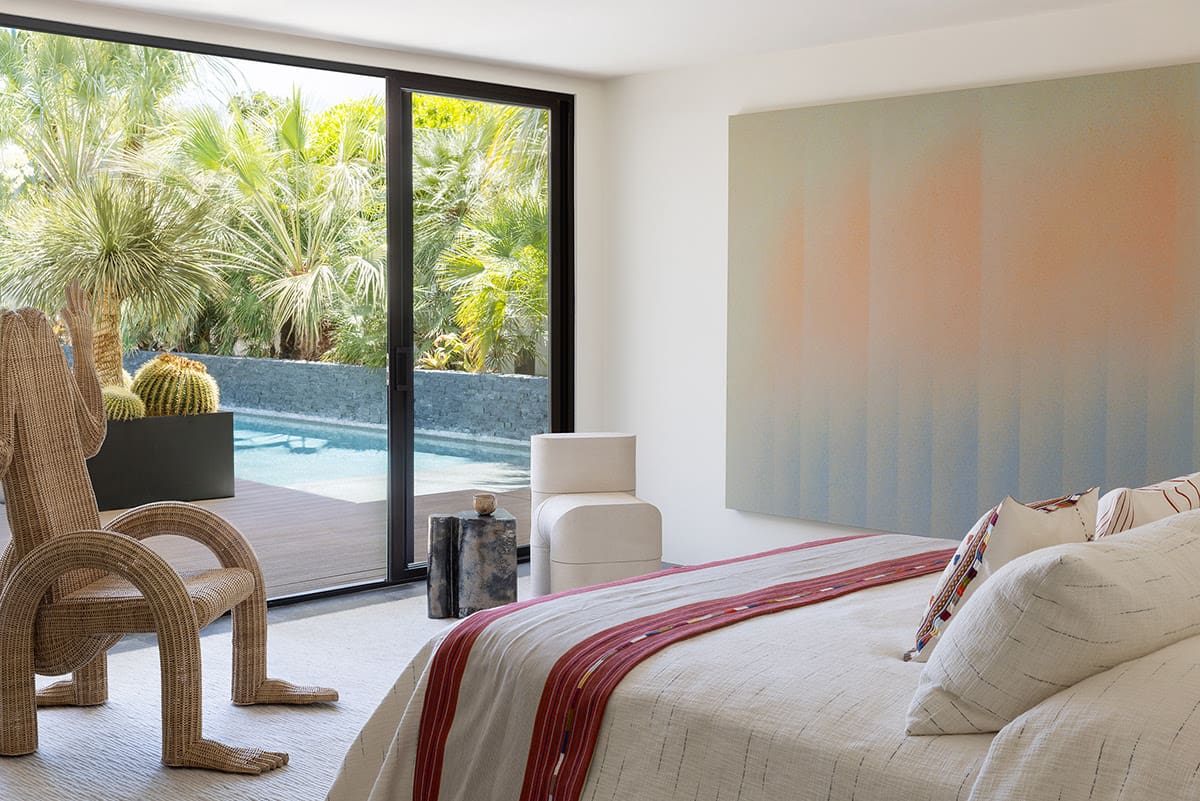
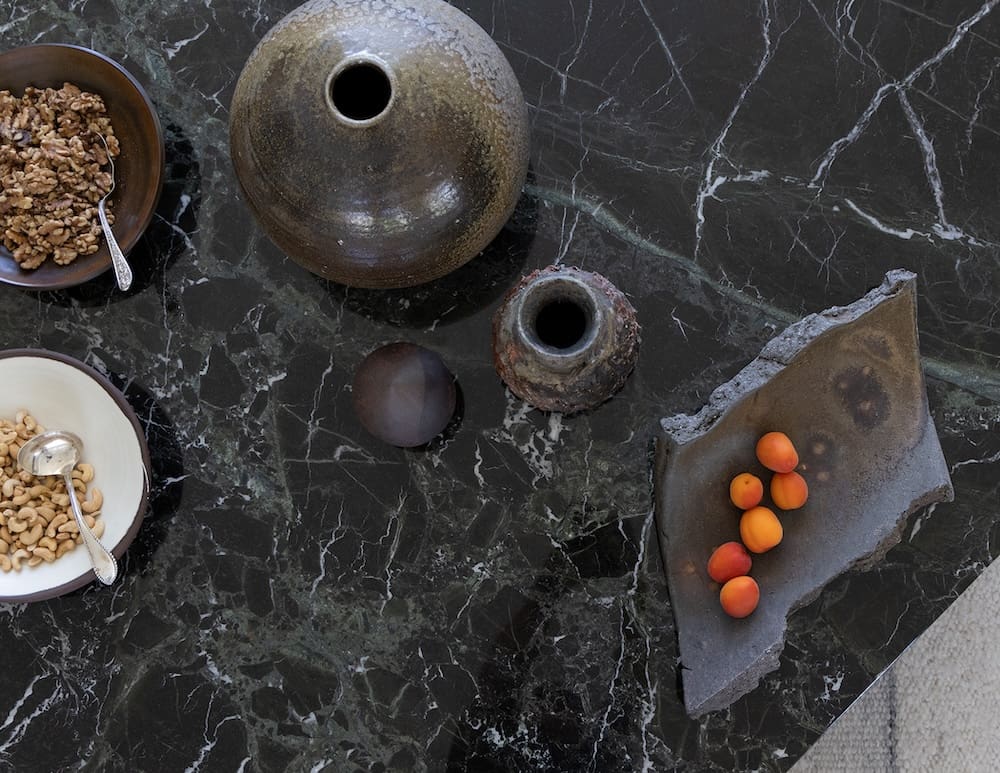
The curation brings together contemporary Milanese furniture, textiles developed with female artisans in Mexico, Japanese ceramics, handcrafted objects, auction finds, and works from the owners’ Aspen collection. Each piece carries its own origin, yet together they form a cohesive, lived-in composition.
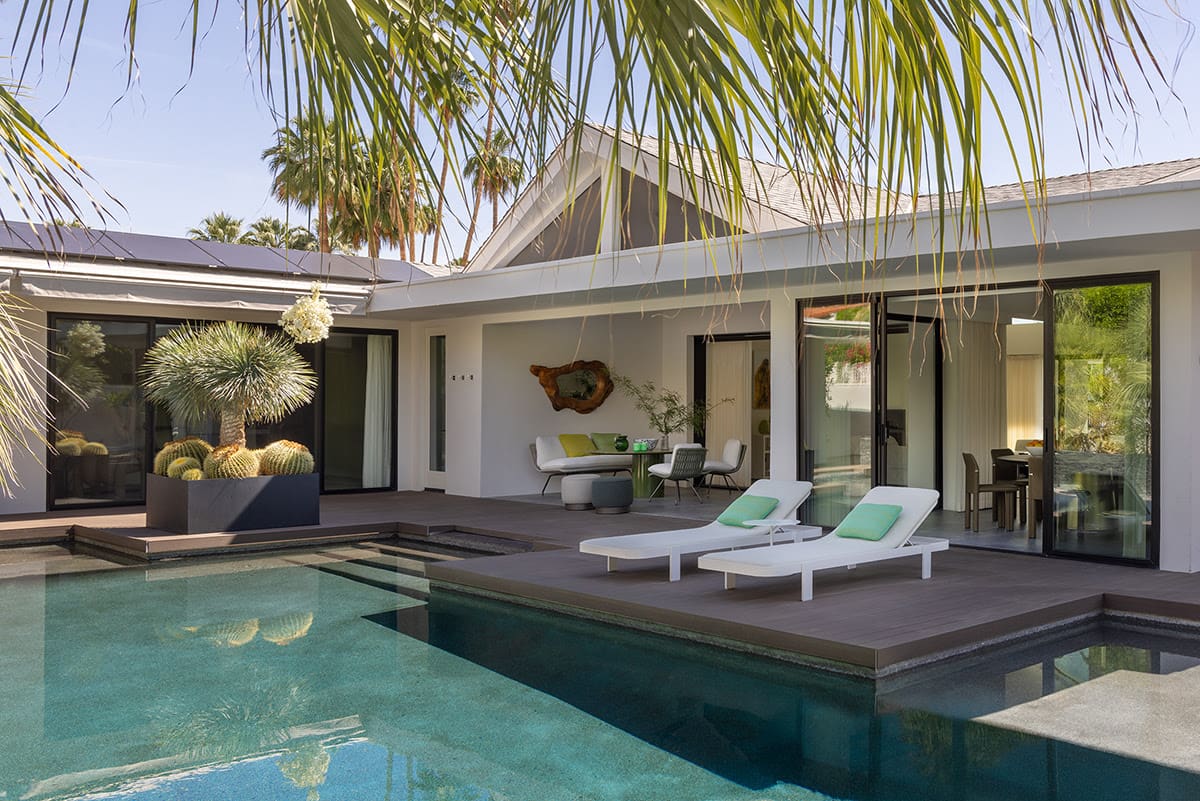
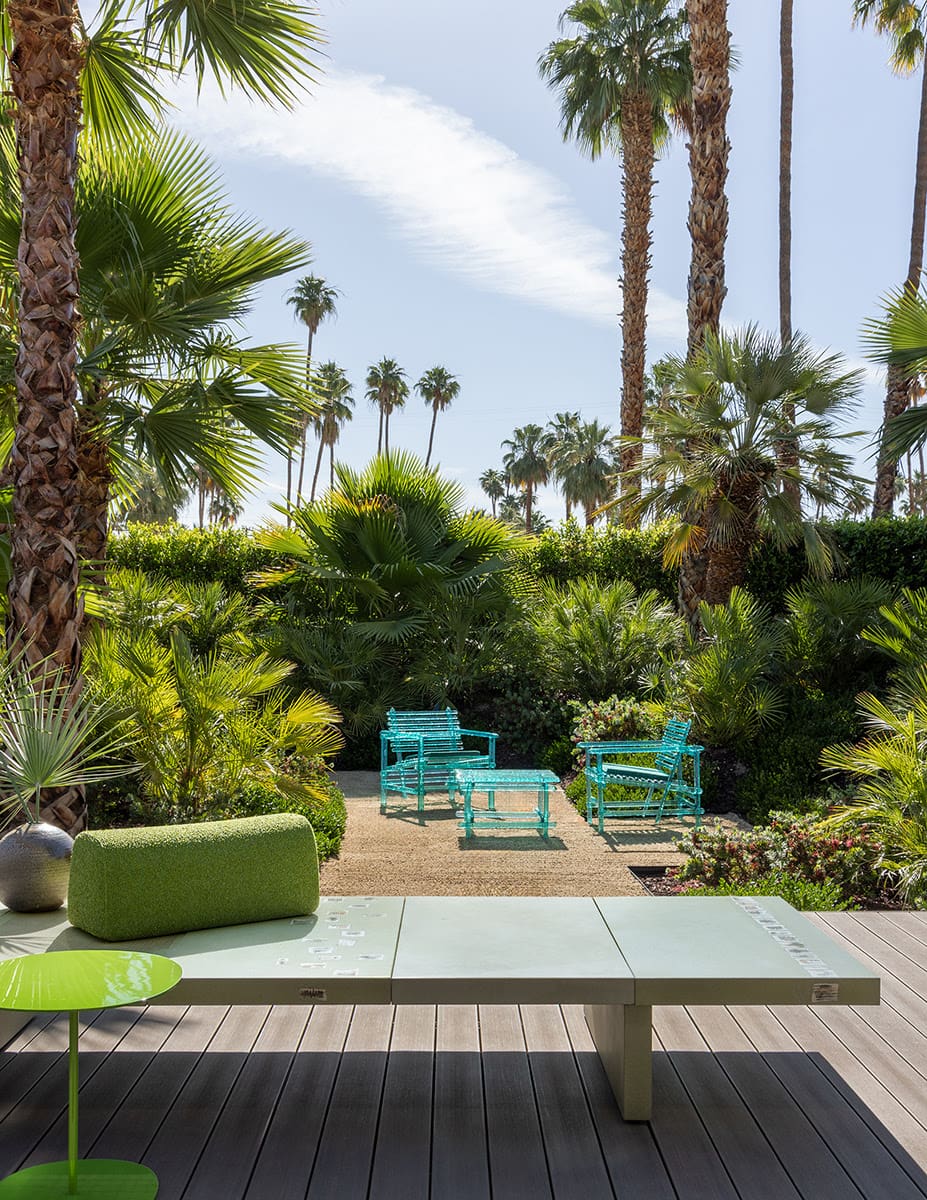
Villa Verde flourishes through the relationship of indoor and outdoor realms. Seamless decking connects rooms, terraces, poolside areas, and gathering spaces into a fluid sequence of experiences, while retractable awnings extend comfort and shade throughout the day. Handcrafted concrete benches embedded with Italian tile frame the entry, Jacopo Foggini A’Mare chairs animate the morning sitting area, and the south-facing dining and living deck becomes the natural center of evening life as the desert cools and the mountains gather the last light. The result is a sophisticated home designed for ease, movement, conversation, retreat, and daily pleasure.
At Villa Verde, indoor and outdoor life is continuous. Seamless decking links rooms, terraces, pool, and gathering areas into a fluid sequence, while retractable awnings extend shade and comfort throughout the day. Handcrafted concrete benches inset with Italian tile mark the entry, Jacopo Foggini A’Mare chairs define the morning sitting area, and the south-facing deck becomes the center of evening life as the desert cools and the mountains hold the last light. The result is a home designed for ease, movement, conversation, and daily ritual.
Named for the many shades of green embedded in its décor and for its deep connection to the lush life of the garden, Villa Verde acknowledges the chrysalis of history while proposing a more individual and contemporary expression of desert modernism. Rooted in Palm Springs but not confined by its visual orthodoxies, the home becomes a colorful, international, and highly personal oasis on the other side of tradition.
Project Size
3,320 SF
Publications
R+B Services
-
Interior Design
-
Interior Architecture
-
Furniture Selection / Procurement
Project Team
-
Photographer: Lisa Romerein
Meadow House
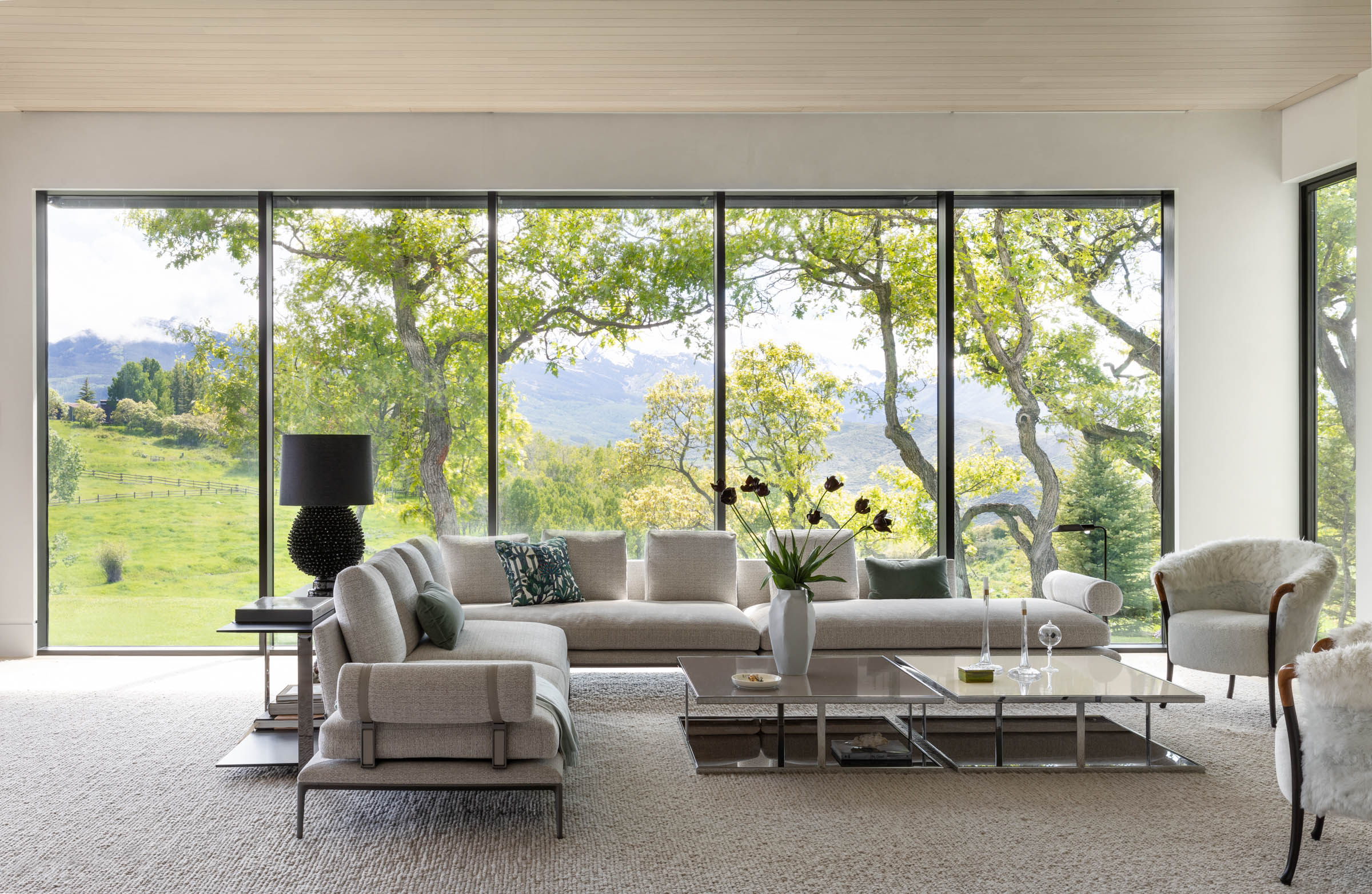
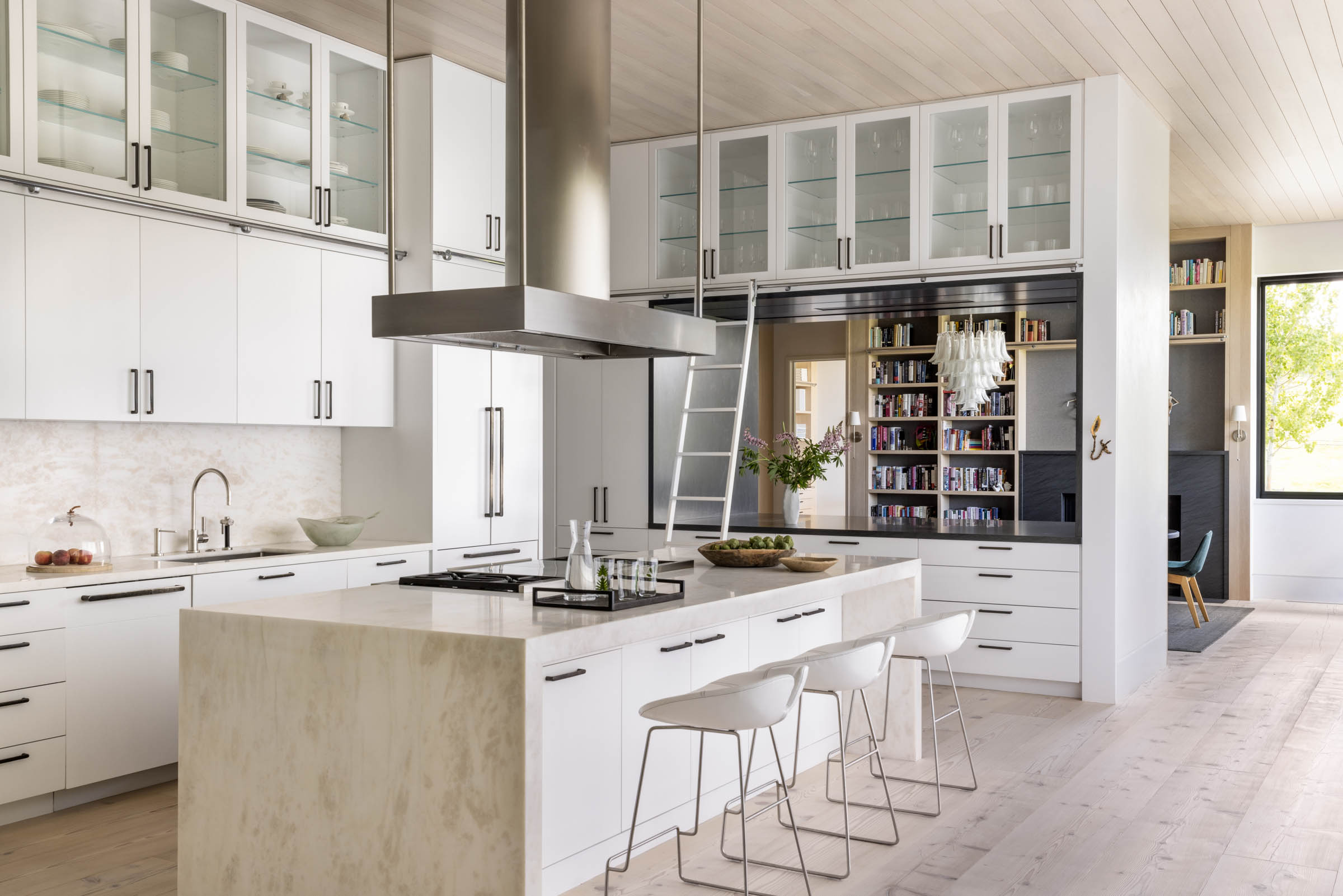
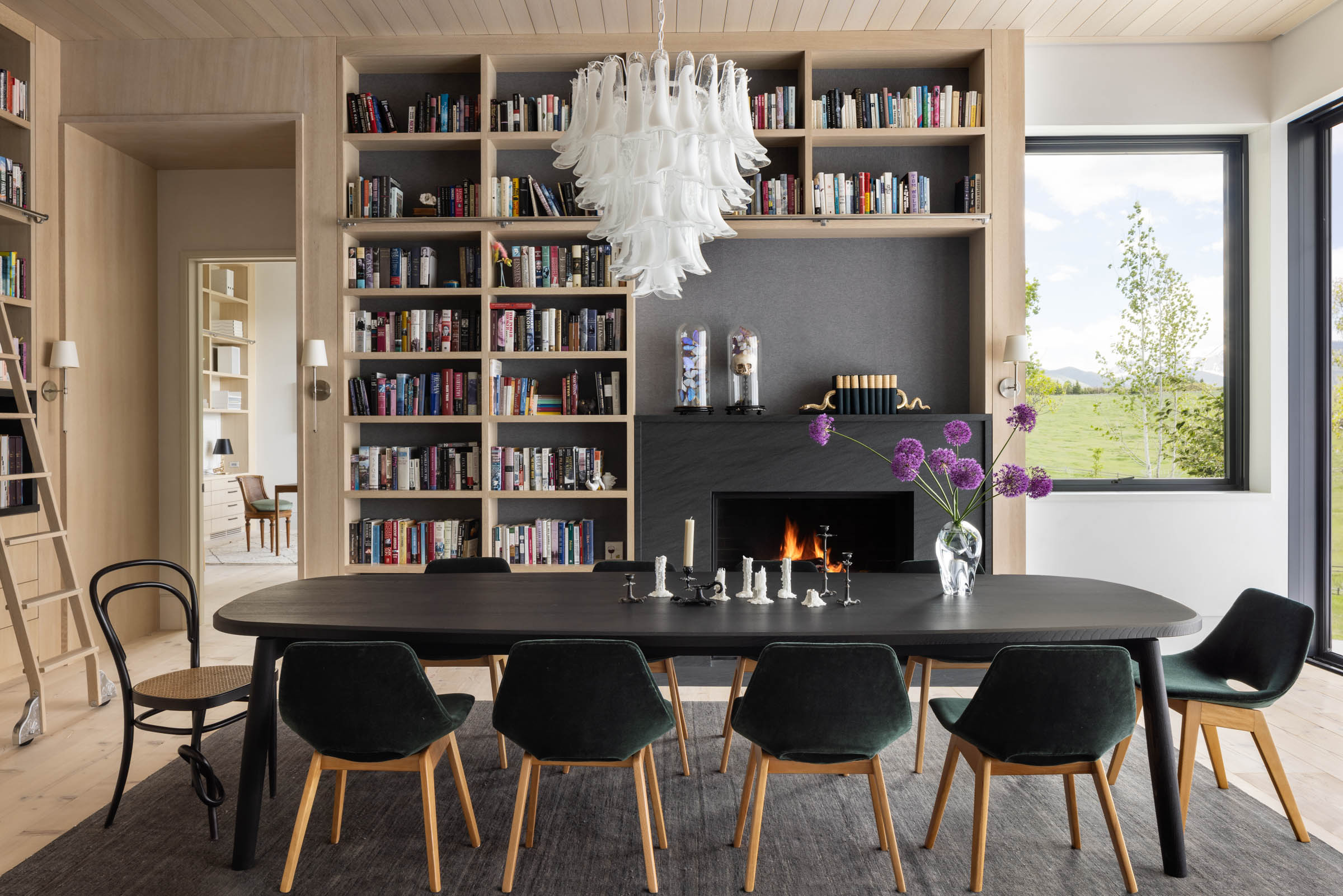
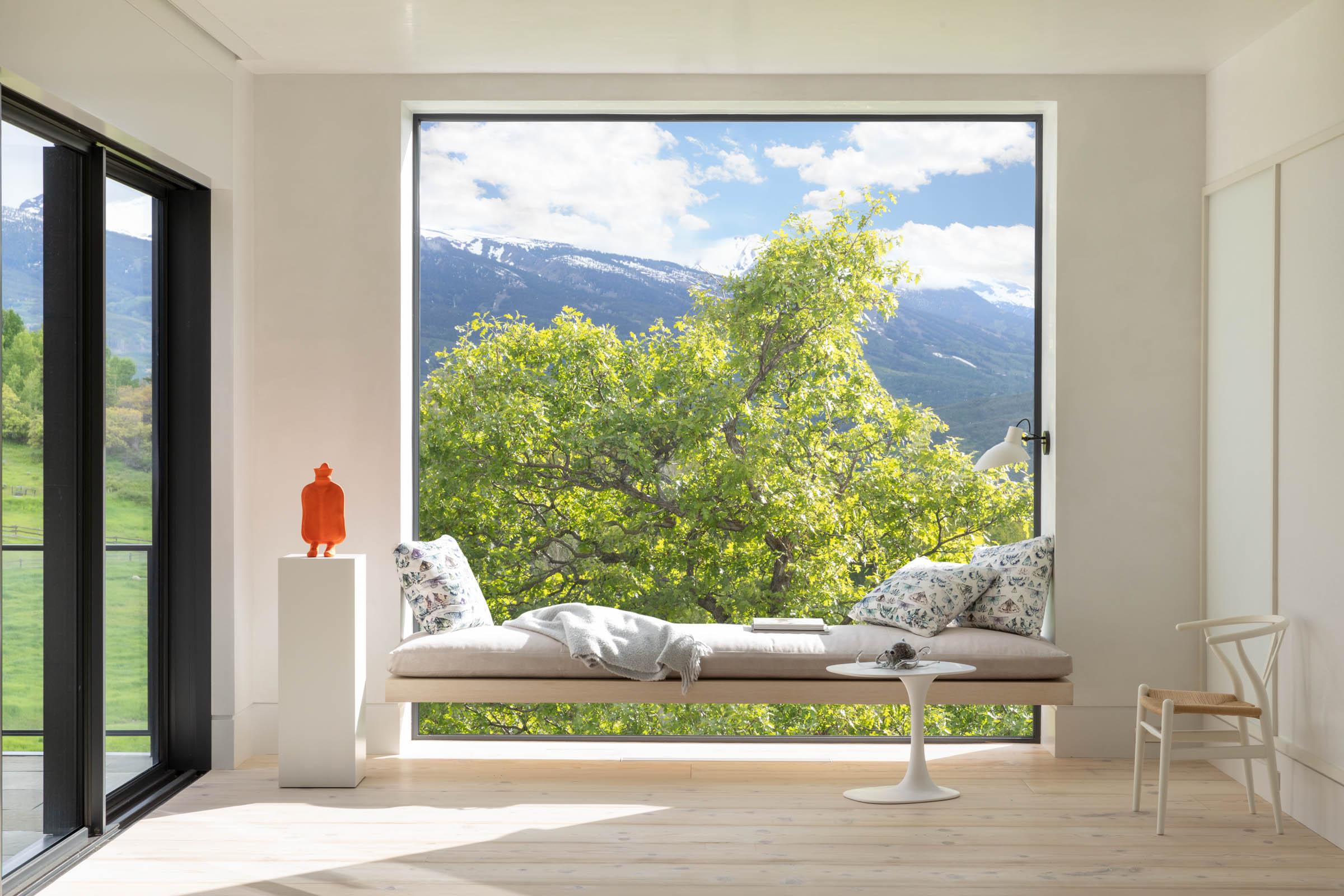
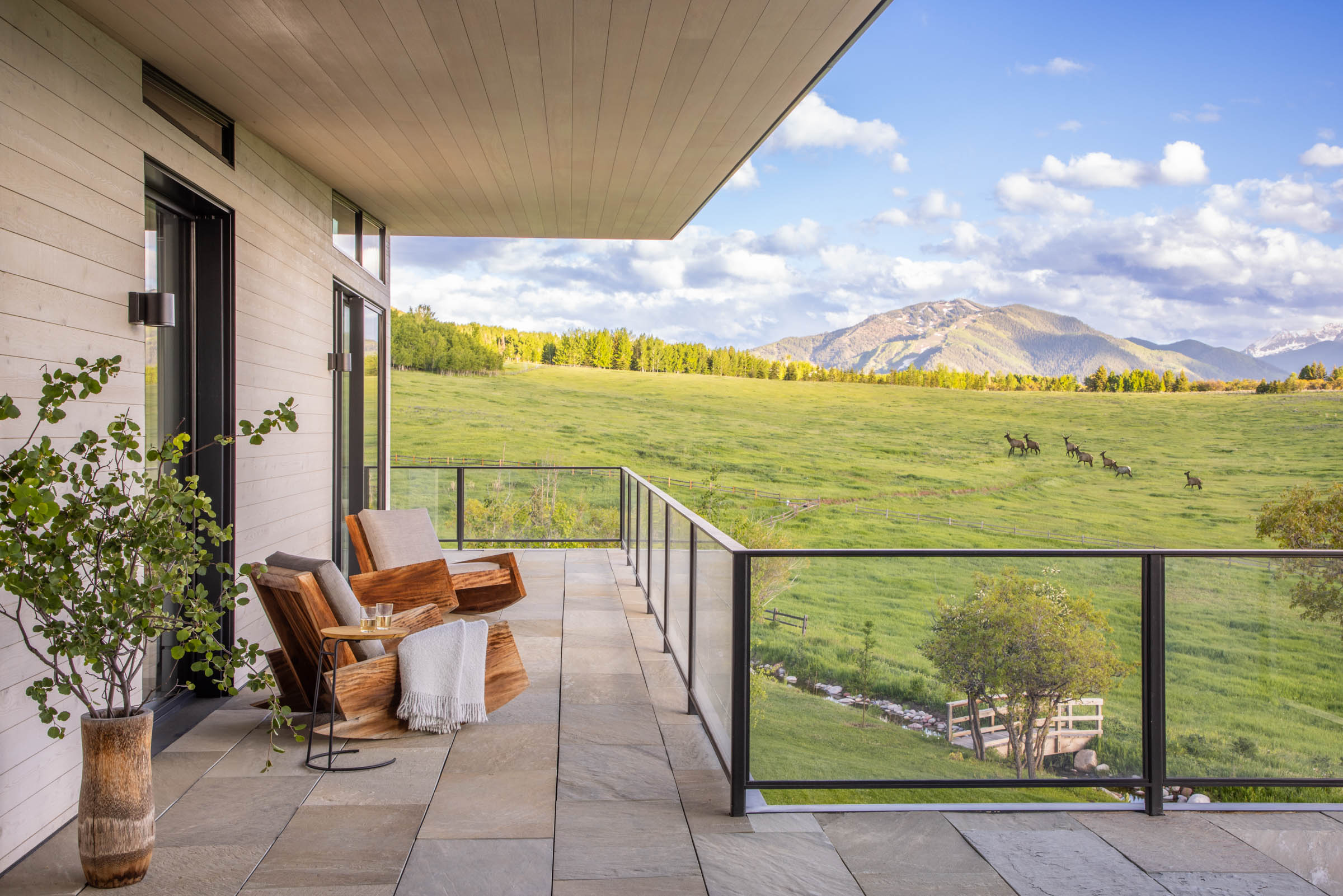
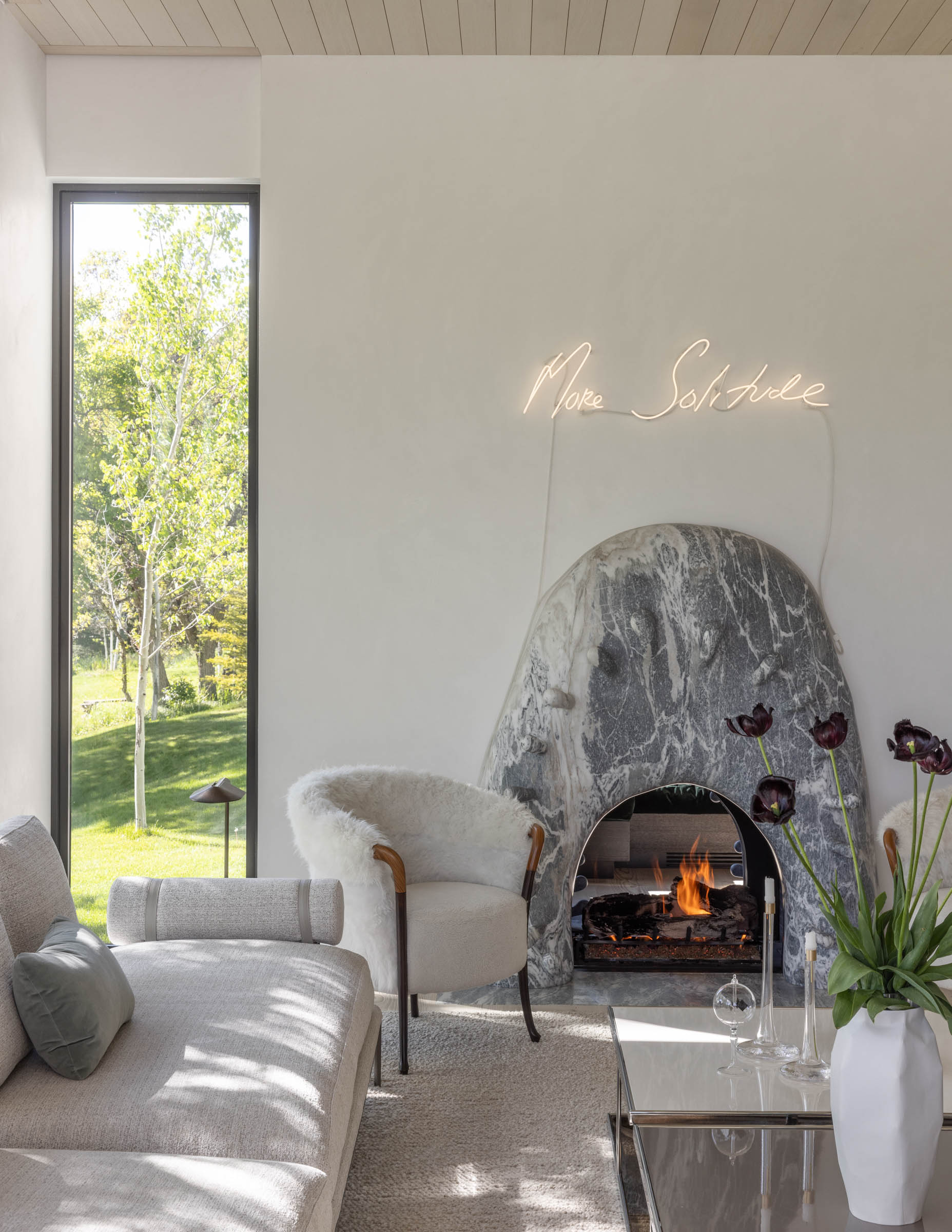
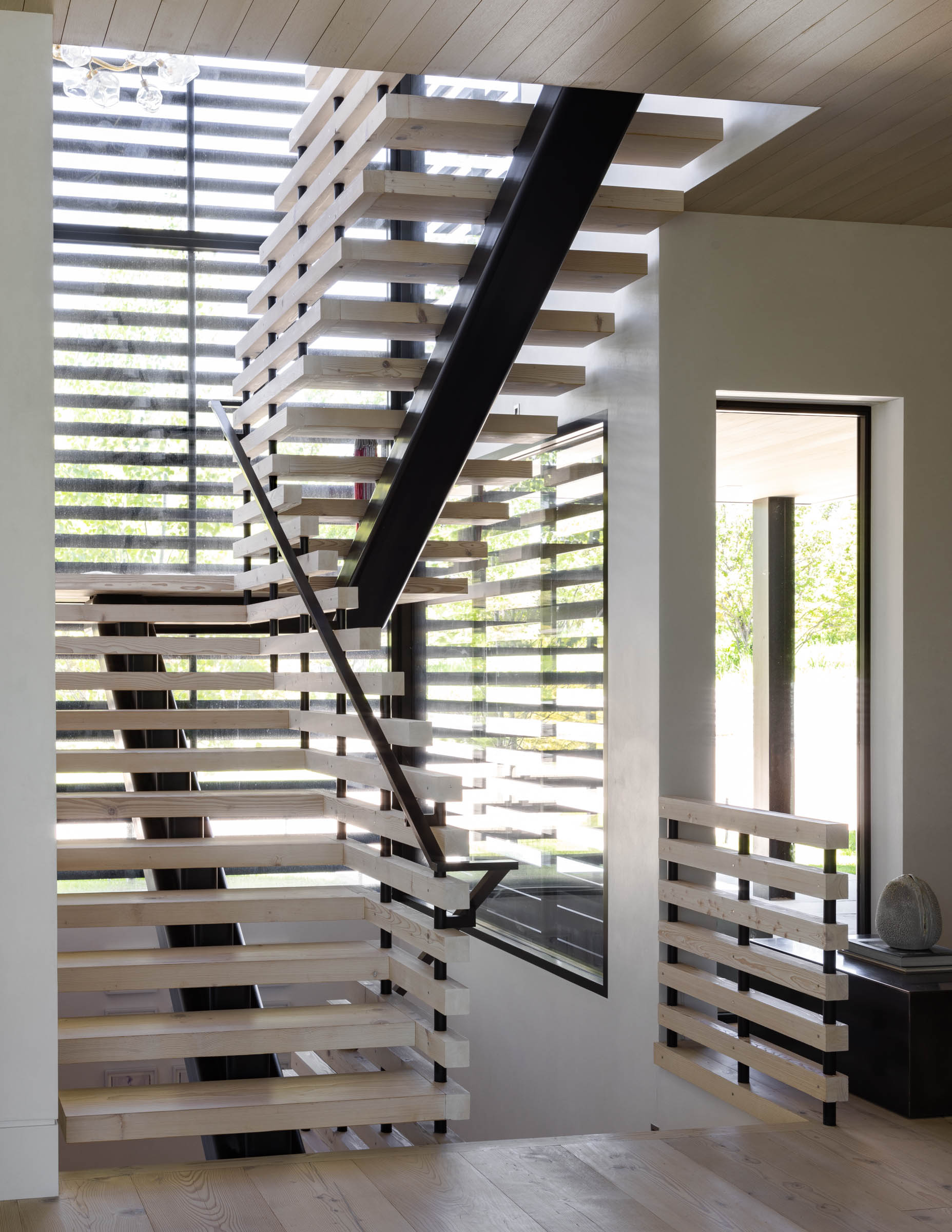
The essence of Meadow House, so named for its siting on an expansive Aspen greensward ringed by evergreen, spruce and scrub oak, lies in the idea of the threshold: between separation and connection, public and private, interior and exterior, architecture and design.
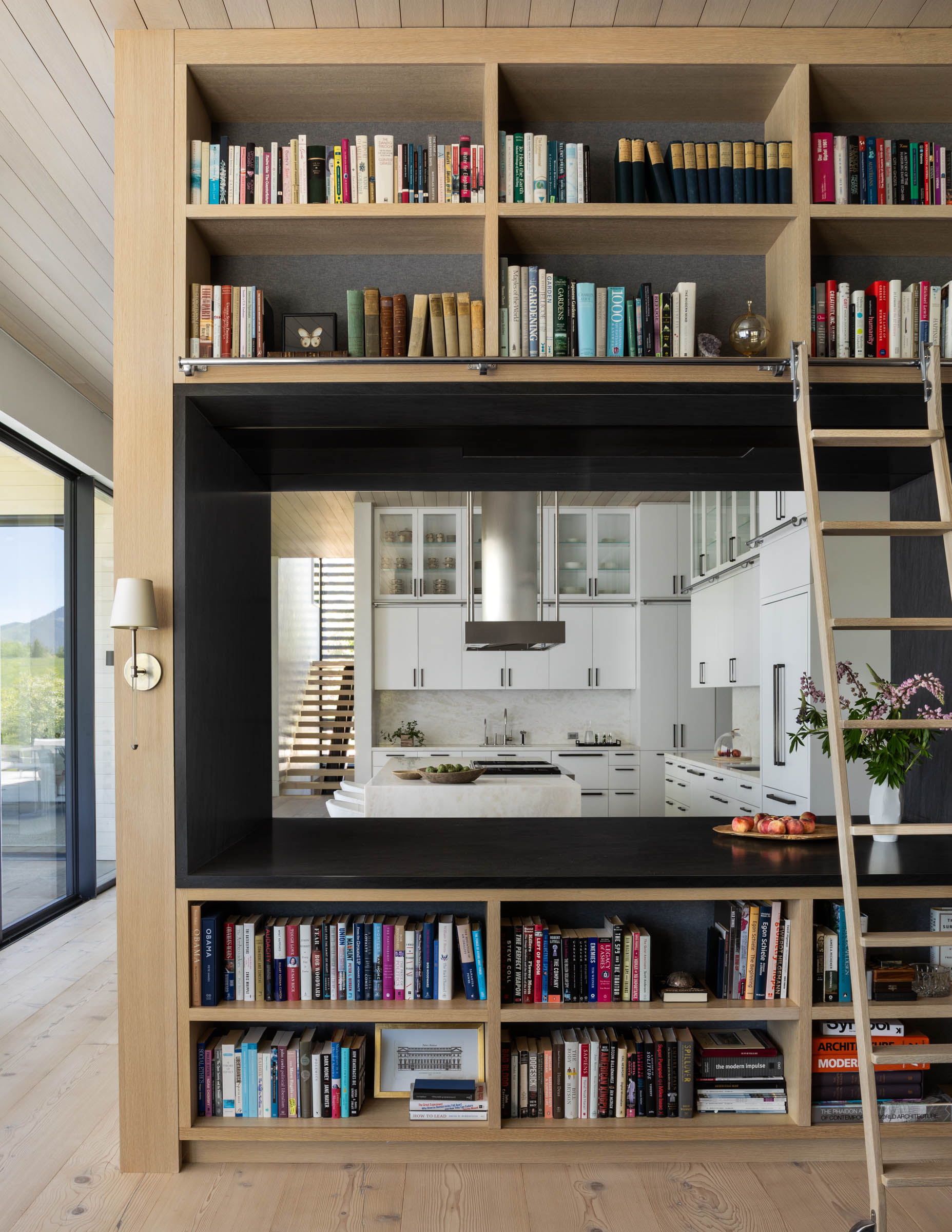
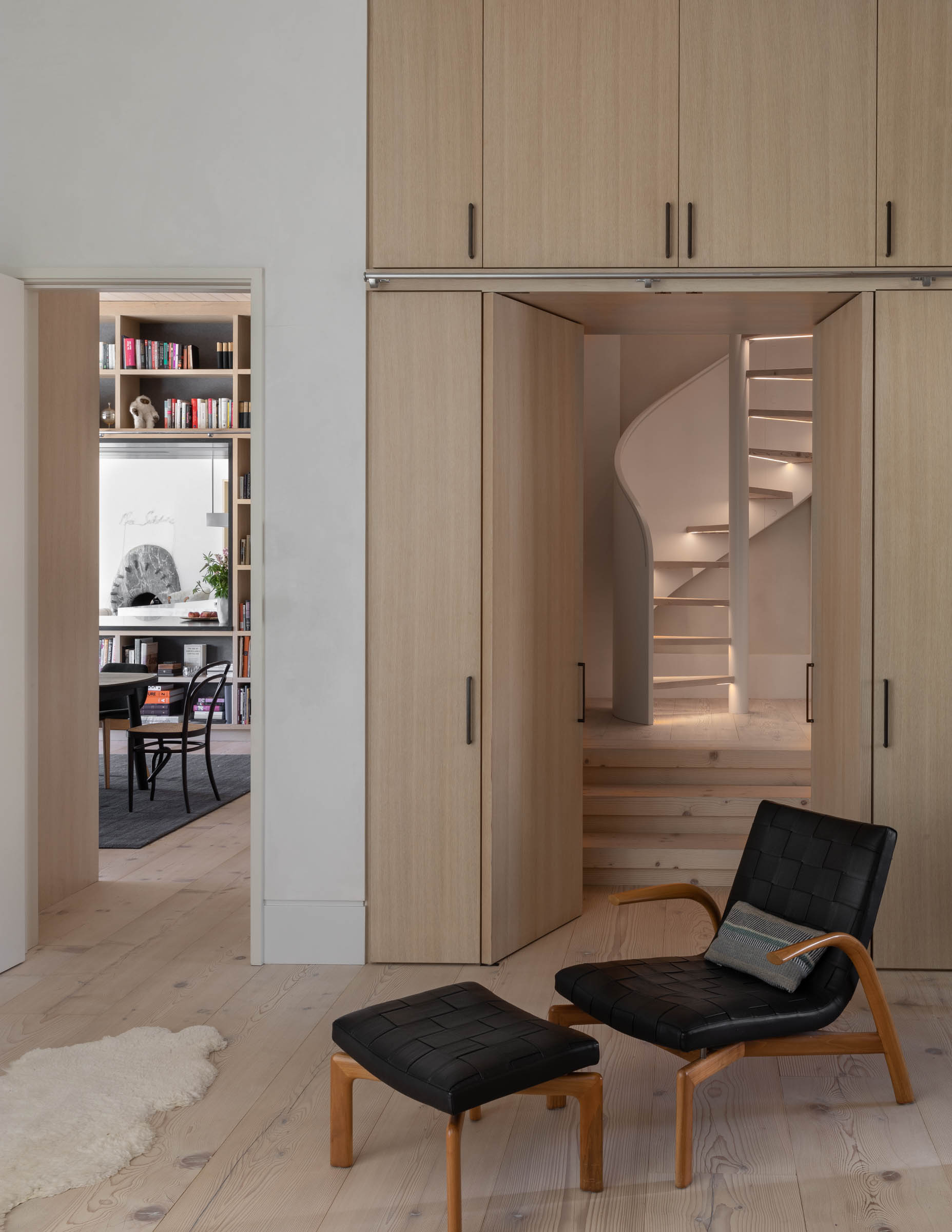
On the main floor, from the entry to the living area to the library/dining room, the sense is of a grand loft space, Scandinavian in its material simplicity, with eleven-foot ceilings and enormous, view-embracing glazed walls. Yet each space retains its own special character: if the overall experience is holistic, the rooms remain distinct and discrete.
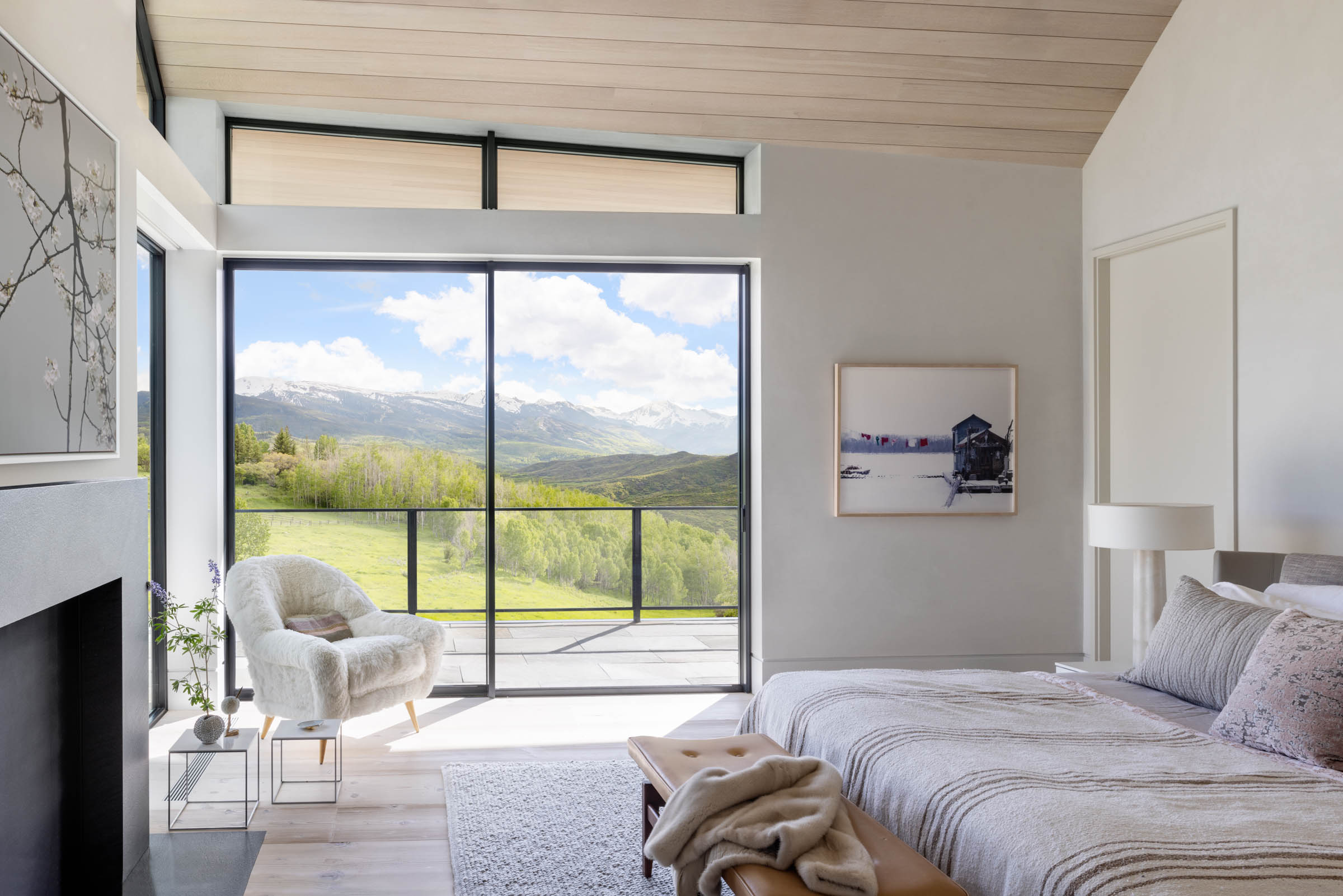
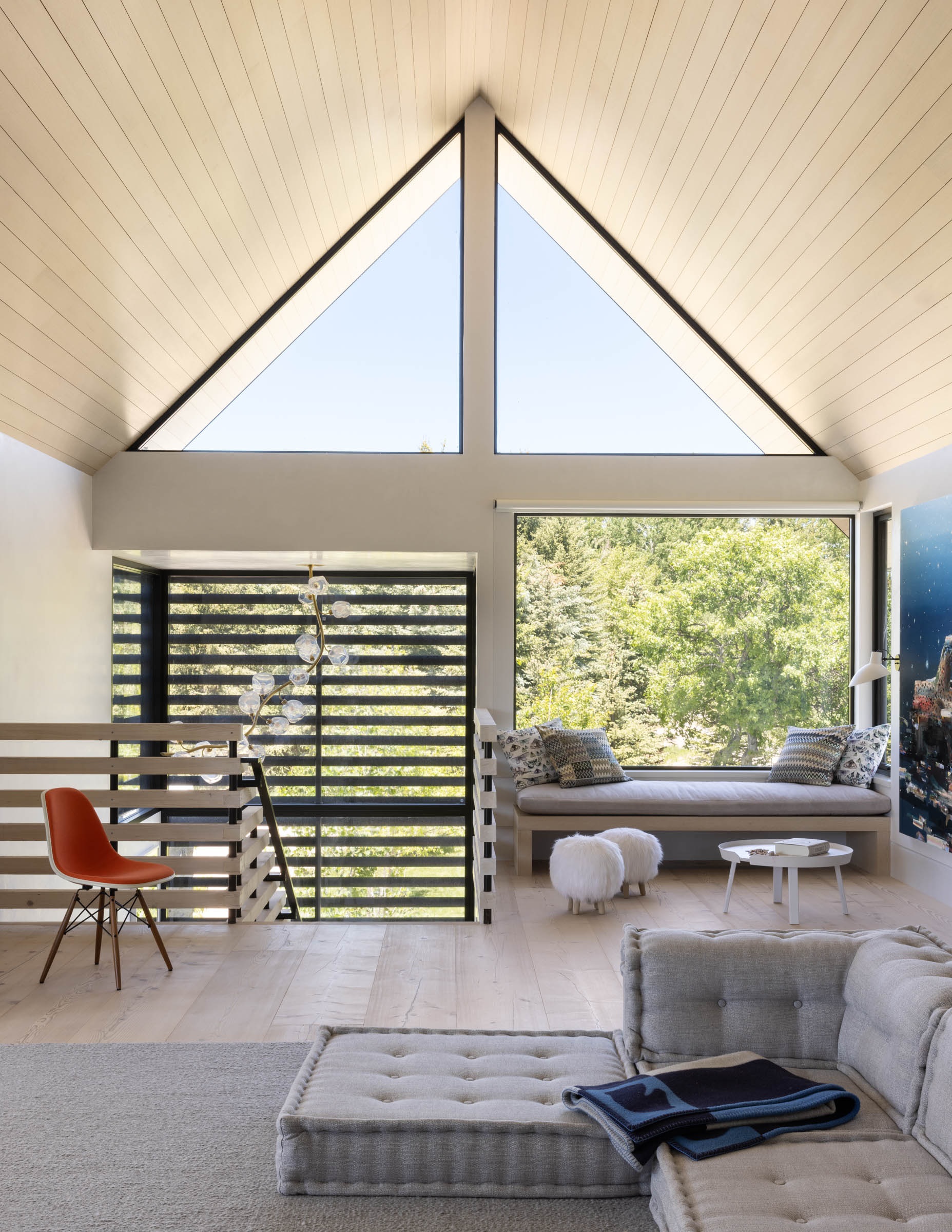
Meadow House’s permeability is especially seductive, and particularly evident in the second-floor primary suite, which features the design’s iconic moment: a windowed agrarian gabled form, that ‘peels upward’ as it moves the full length of the rooms, revealing progressively more of the panoramic view. Here the threshold lies between the interior and the great outdoors, one dissolving into the other in a subtle, exquisite unfolding.
A separate greenhouse, designed for a year-round edible garden and to provide a farm-to-table learning opportunity for the family, offers an additional layer of experience. The greenhouse acts as a viewing machine, offering a different, no less dynamic perspective on the meadow, mountains, and the great western sky.
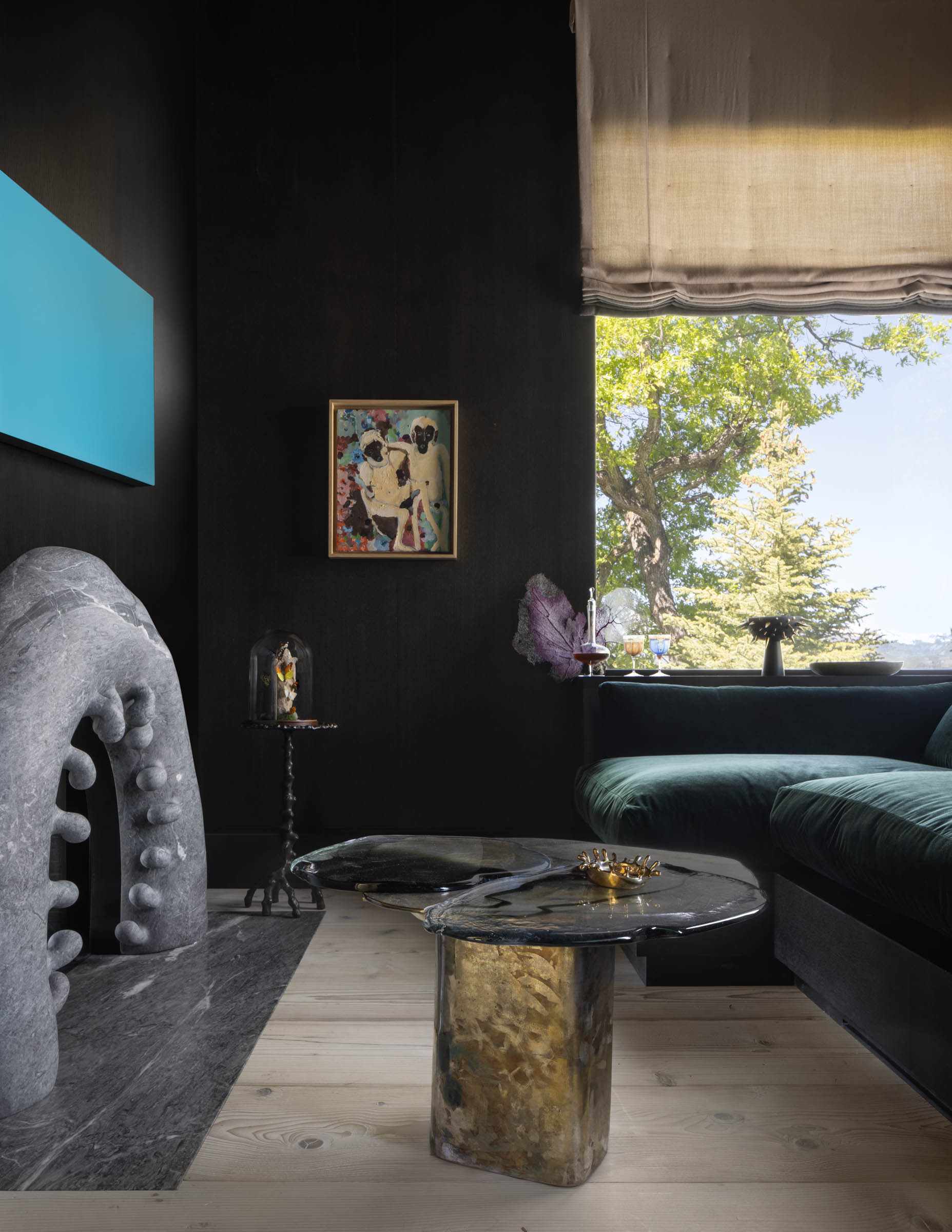
Meadow House also evinces a compelling sense of craft, exemplified by The Haas Brothers’ remarkable double-sided fireplace, commissioned for the project and custom-forged in Portugal. This, and other such moments, invest a capacious residence with the appealingly intimate presence of the hand.
Every material, furniture selection, and art placement was chosen as an extension of the architectural idea.
Every material and furniture selection was chosen as an extension of the architectural idea.
Project Size
8,500 SF (2.2 AC)
Project Awards
-
IIDA – BESTaward
-
ASID – Crystal Awards
-
ASID – Crystal Awards
-
AIA – People’s Choice Award
Publications
R+B Services
-
Architecture
-
Interior Design
-
Furnishings / Procurement
Project Team
-
Landscape Architect: Land Design 39
-
Lighting Designer: Robert Singer
-
Structural Engineer: Albright
-
MEP Engineer: REG
-
Civil Engineer: SGM
-
Audio/Visual: Paragon
-
Photographer: Lisa Romerein
-
Photographer: Brent Moss
-
Contractor: Schlumberger Scherer
-
Greenhouse Consultant: Eco Systems Design

Matsuhisa Denver
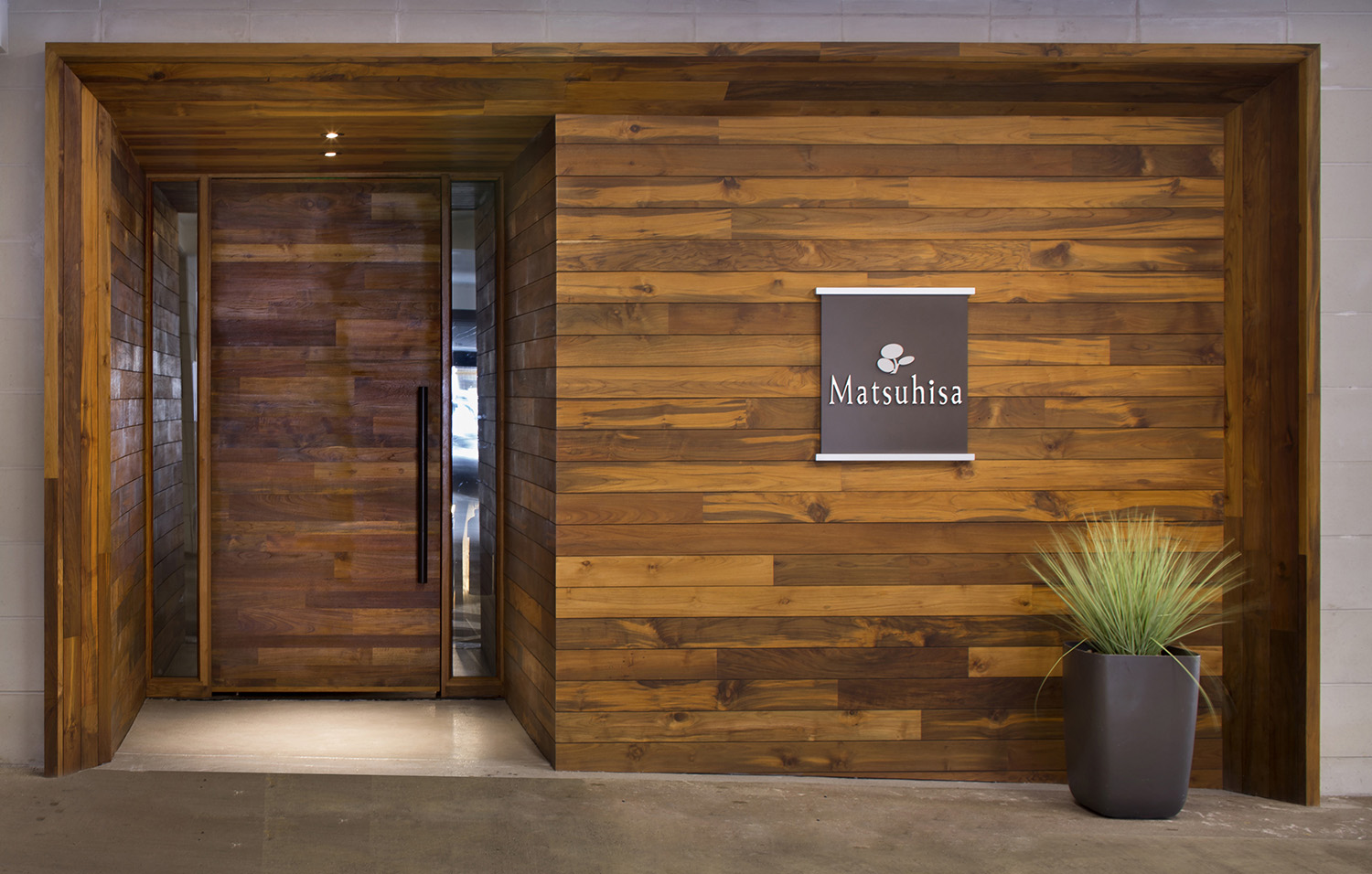
Working directly alongside Nobu Matsuhisa and the ownership team, R+B principals Sarah Broughton and John Rowland drew on their own travels to Japan to develop a design concept that is thoughtful, humble, and purposeful — remaining true to Japanese culture while firmly rooted in Colorado.
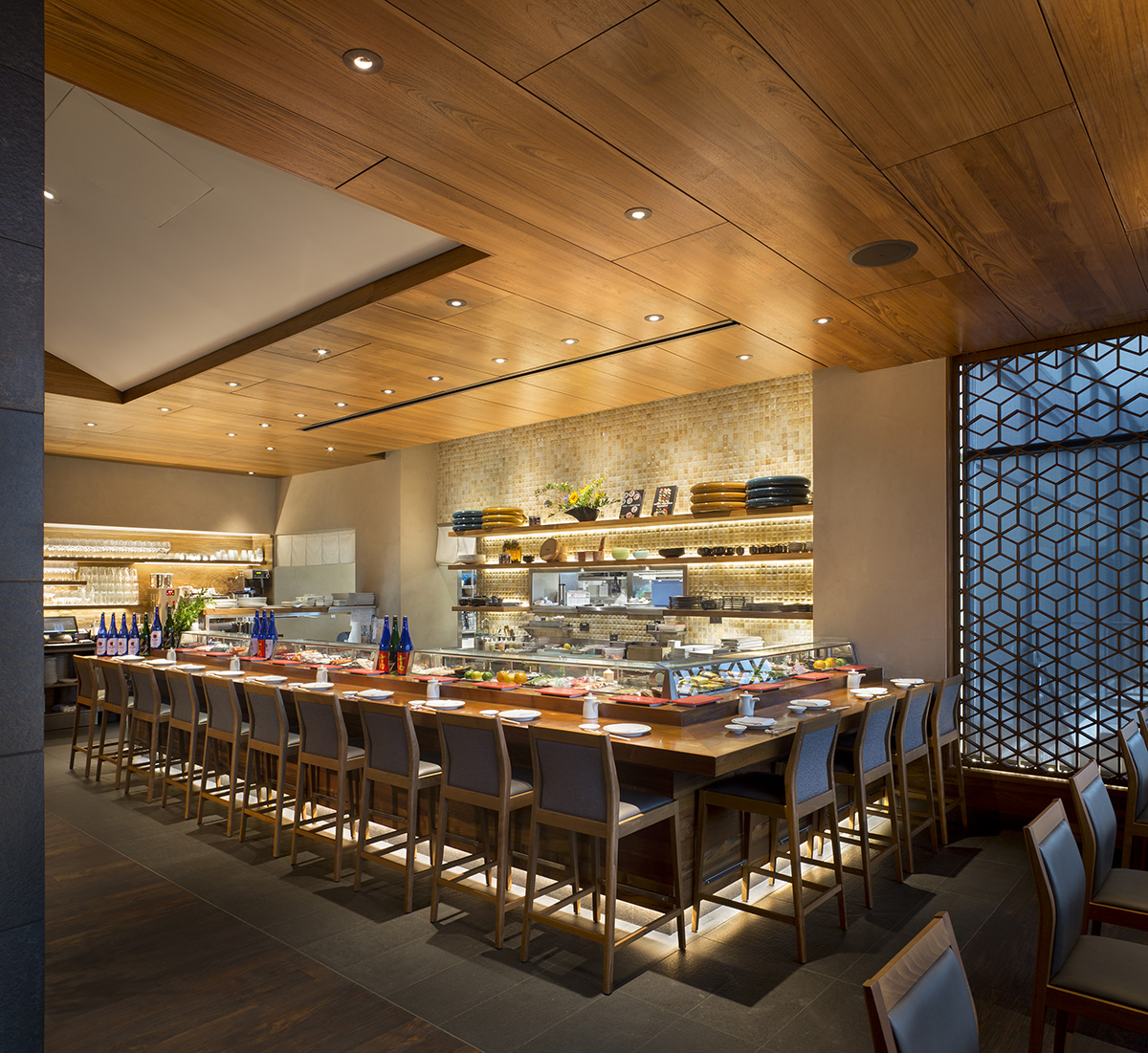
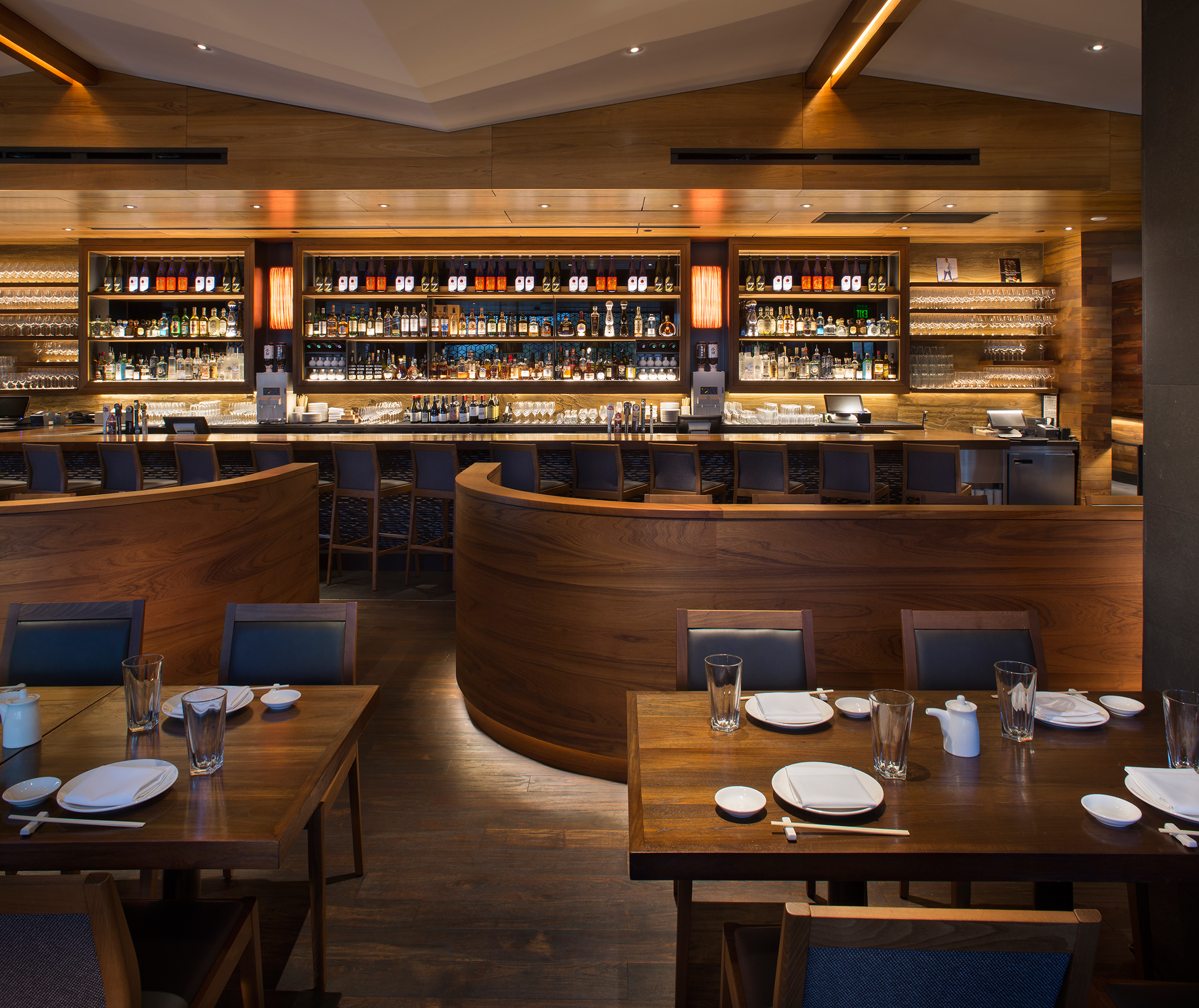
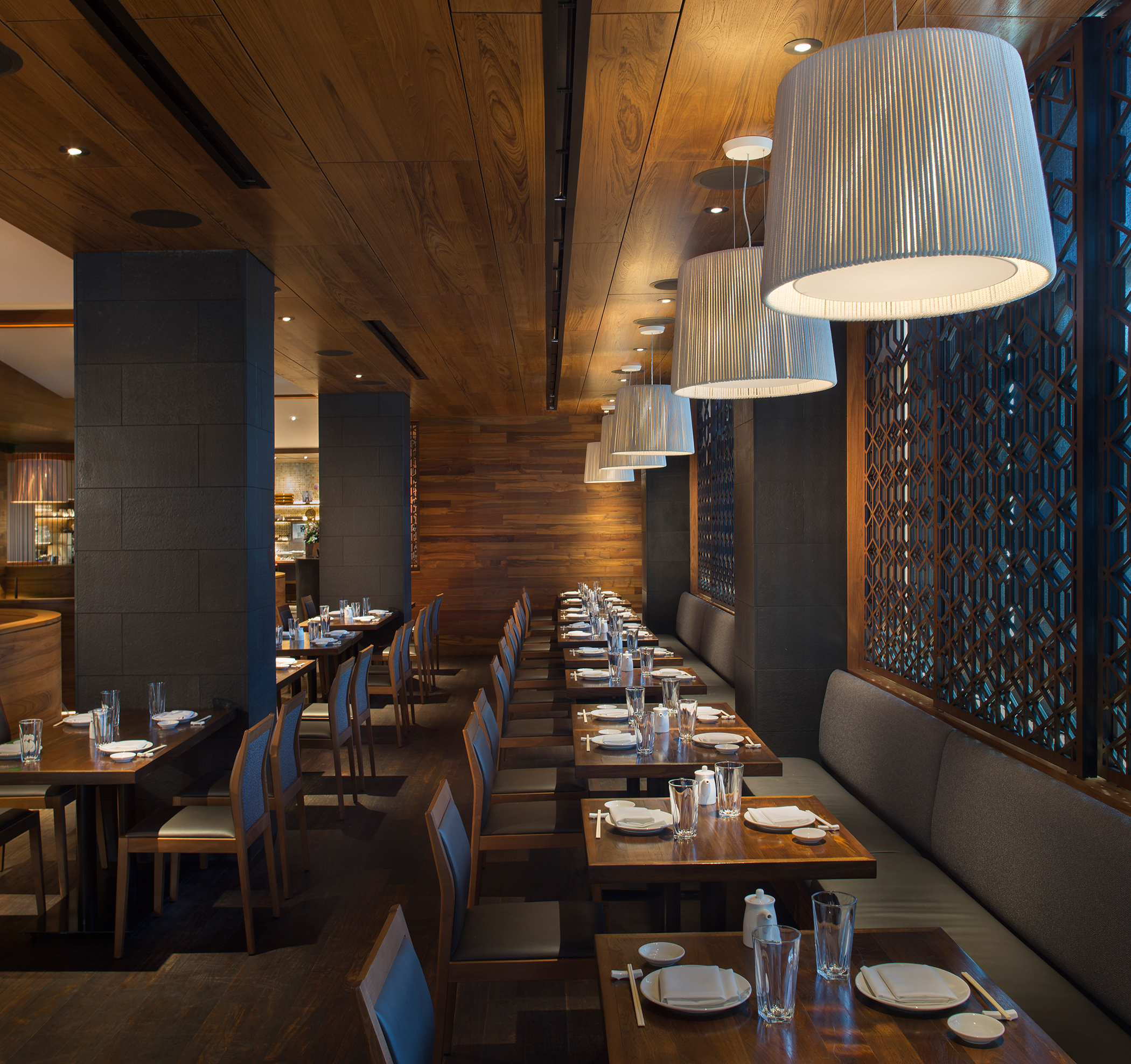
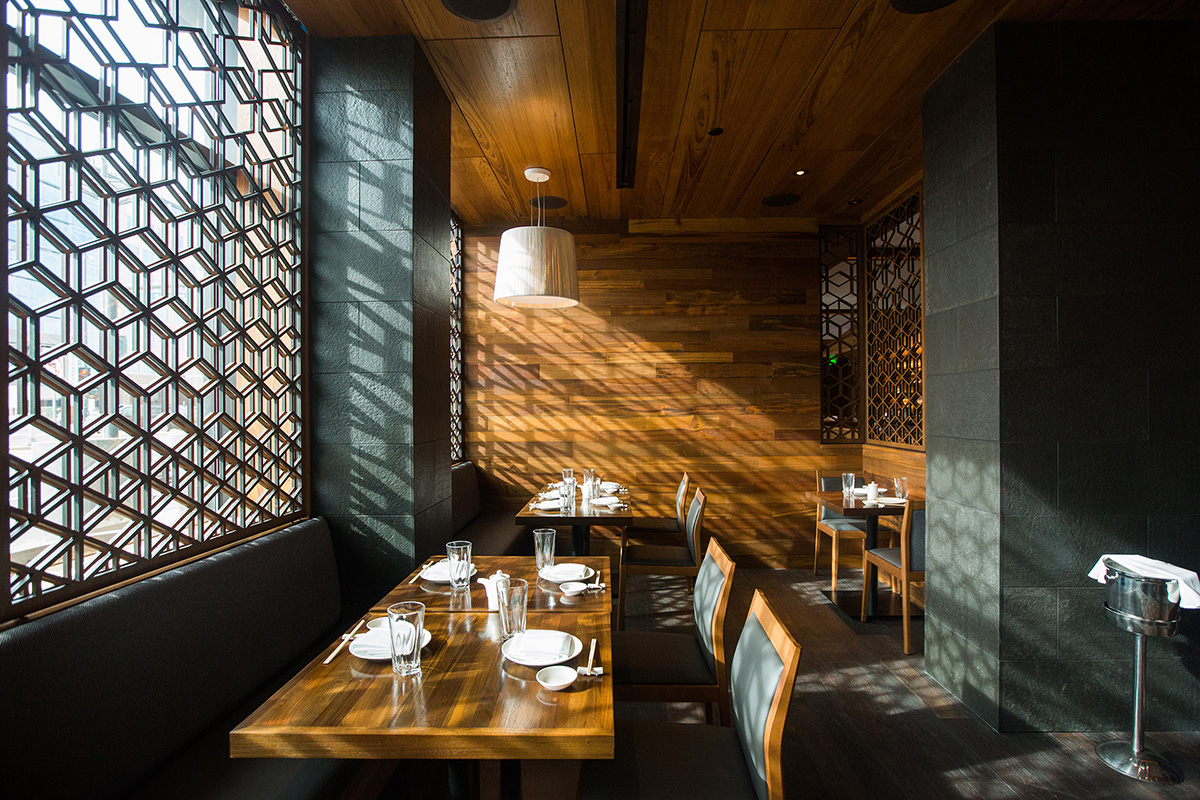
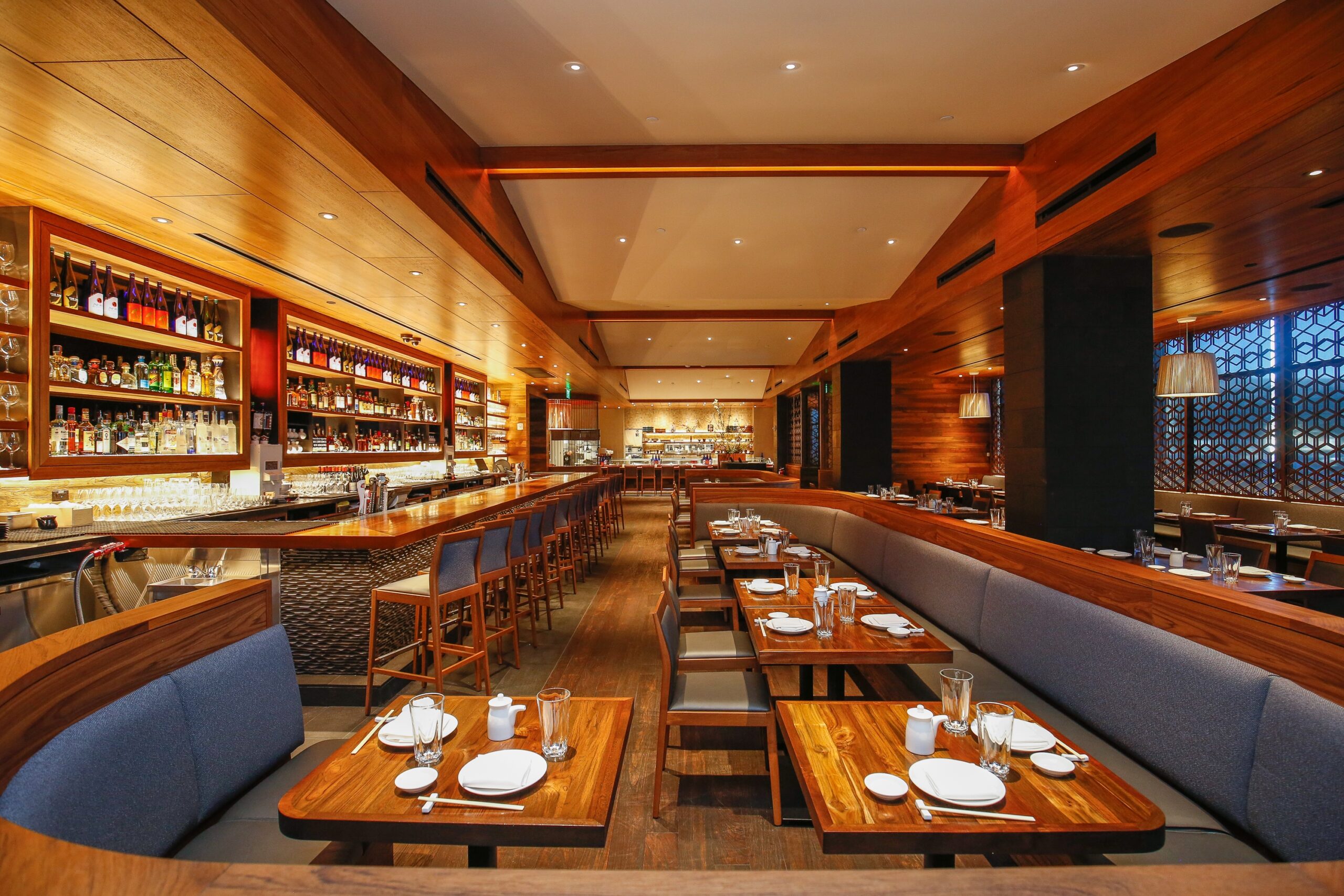
The 7,800 square foot Cherry Creek restaurant is unified by a single defining material: reclaimed Indonesian teak. Sourced sustainably and finished in both brushed tobacco and smooth cognac by IndoTeak, it runs through the floor, walls, ceilings, bar, sushi bar, and custom millwork and provides a continuous thread of warmth that gives the space its coherent identity. Against this foundation, deliberate textural contrasts emerge with brushed and flamed basalt stone by Waterworks, Marrone Toscana limestone by Ann Sacks, and leathered Sandalwood sandstone quarried from the Western Slope of Colorado at the back bar wall. A sloped acoustic ceiling, designed in collaboration with DL Adams Associates, carries a subtle nod to the Rocky Mountains visible to the west, while pendant lighting by Rafia from Fambuena and wall sconces from Aqua’s Nara and Simon Says Maybe collections layer warmth and intimacy across the dining room. Custom banquette seating, designed by R+B and fabricated by Avanti Fabricators, is upholstered in Luddington Gray Quartz by Designtex on the seat and Do-Si-Do in Meteor by Pollack on the back. Capri chairs and barstools by Sandler Seating complete the seating program.
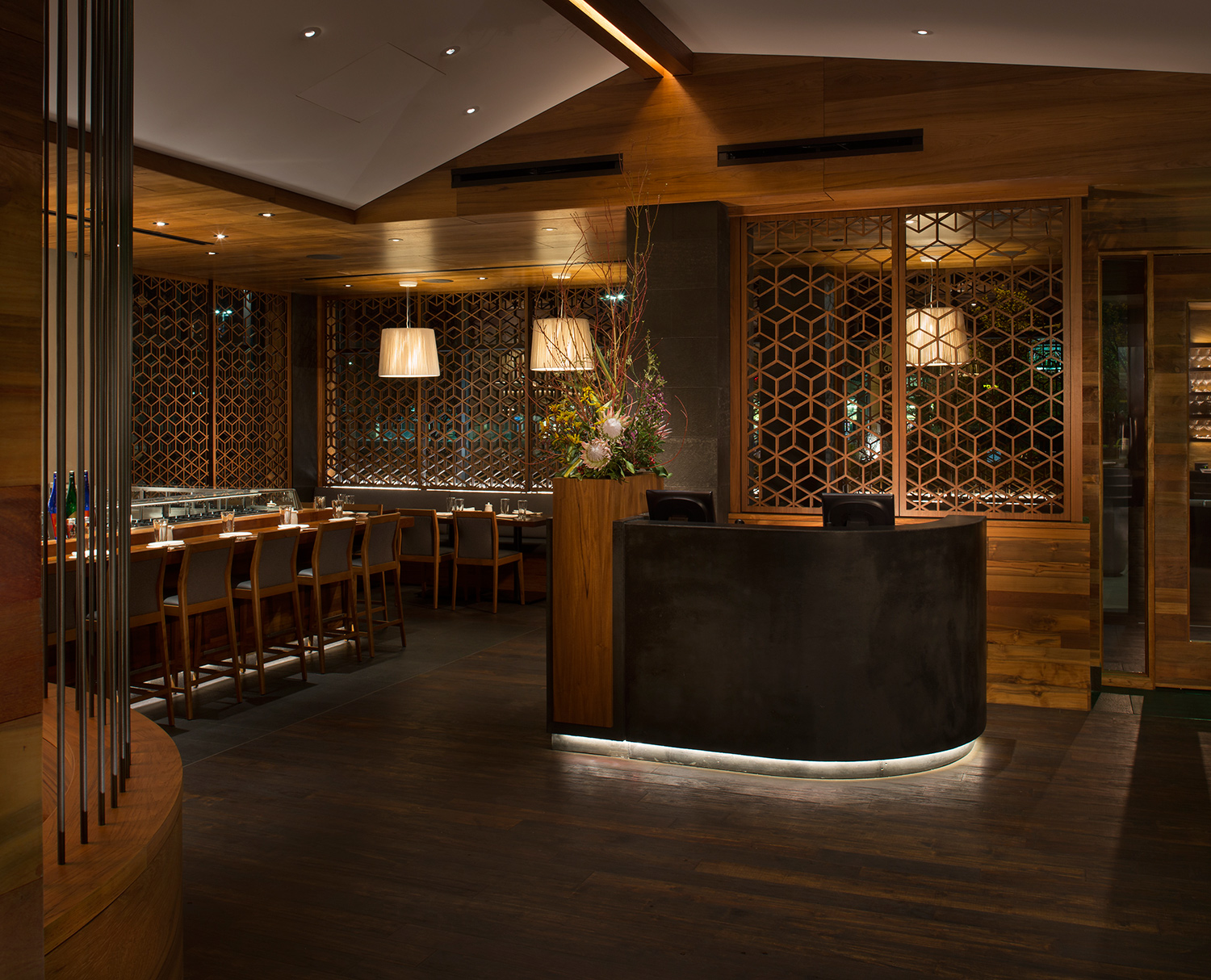
R+B addressed the need for the guest experience to turn away from the street and toward the table this with one of the project’s most distinctive design elements: a custom wood screen system inspired by the traditional Japanese Asanoha, or hemp leaf, pattern, laser cut from walnut plywood in-house. Layered to create visual depth and texture, the screen becomes more open toward the top, allowing a carefully framed glimpse of Colorado’s bluebird sky while drawing attention back into the room. The sliding partition walls are teak, inset with resin panels by 3Form featuring Fray in Pearl, a full-circle material made from trimmings of prayer paper handmade by monks in the Himalayas from indigenous shrubs. Every division of space in the restaurant carries its own quiet story.
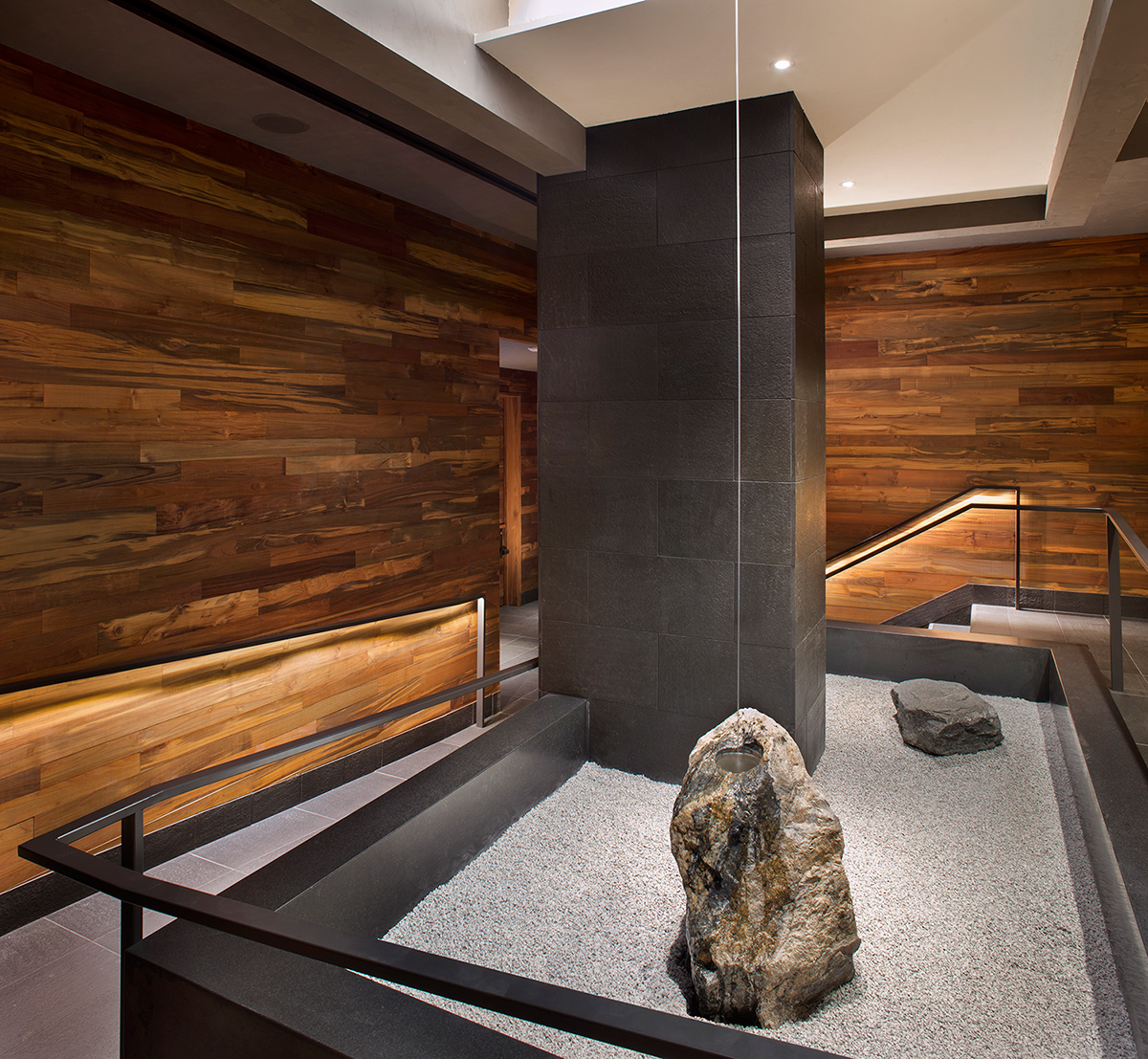
At the valet entrance, a gentle stream of water falls from the ceiling onto a granite boulder in a Zen garden. The fountain was custom designed inspired by the installations of Japanese sculptor Masatoshi Izumi, with the boulder hand-selected from a local Colorado supplier. It sets the tone for everything that follows: meditative, considered, and grounded in place. The Asanoha wood screen emerged from R+B’s in-house design and fabrication capabilities and is a traditional motif reinterpreted with the precision of the studio’s laser cutting tools.
The result is a dining environment that is warm without being heavy and minimal without being cold. It is a space that steps back gracefully to let the food, the ritual of the meal, and the craft of Chef Nobu’s culinary vision take their rightful place at the center.
I really enjoyed the process from beginning to end with the entire design team of very talented people. Great job! We all created a killer restaurant for thousands of people to enjoy for many years to come. – Todd Clark, Matsuhisa Partner and Director of Operations
Project Size
7,800 SF (200 guests capacity)
Project Awards
-
2018 ASID Crystal Award – Hospitality
-
2018 ASID – Judges Merit Award
-
2018 NEWH Rocky Mountain Chapter – TopID Award
-
2017 NEWH Rocky Mountain Chapter – TopID Award
-
2016 IIDA BESTaward – EAT&DRINK
Publications
-
NEWH Magazine, Fall 2017
-
Building Dialogue, September 2016
-
ENR, August 2016
-
Interiors Colorado, Summer 2016
-
Colorado Real Estate Journal, May 2016
-
Denver Eater, April 2016
-
Hospitality Design, April 2015
R+B Services
-
Architecture
-
Interior Design
Project Team
-
Design Collaborator: Yoshi Kida
-
Lighting Designer: Element Architectural
-
Structural Engineer: Monroe & Newell
-
Mechanical Engineer: Boulder Engineering
-
Audio/Visual: Xssentials
-
Photographer: Brent Moss
Barn Studio
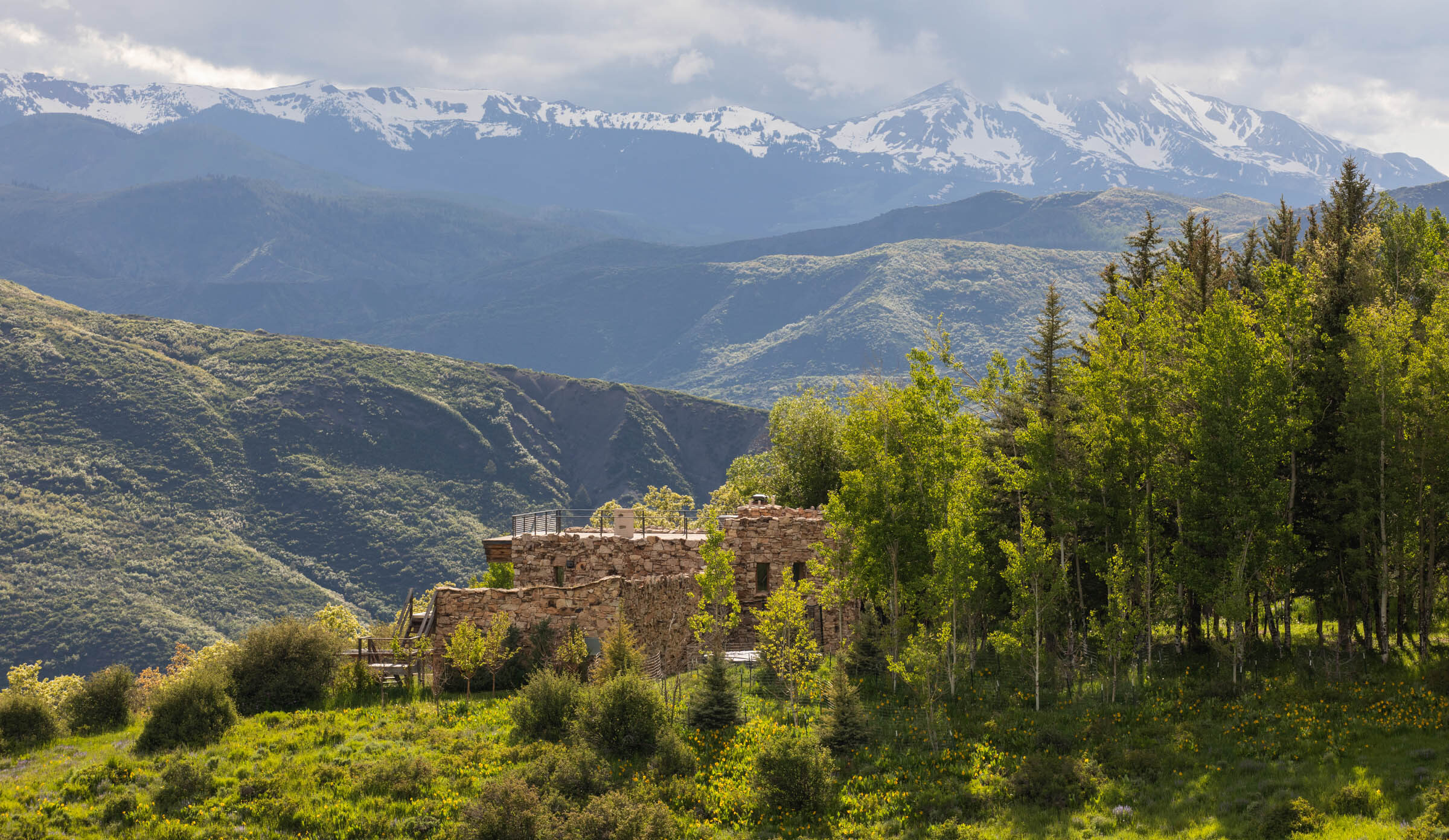
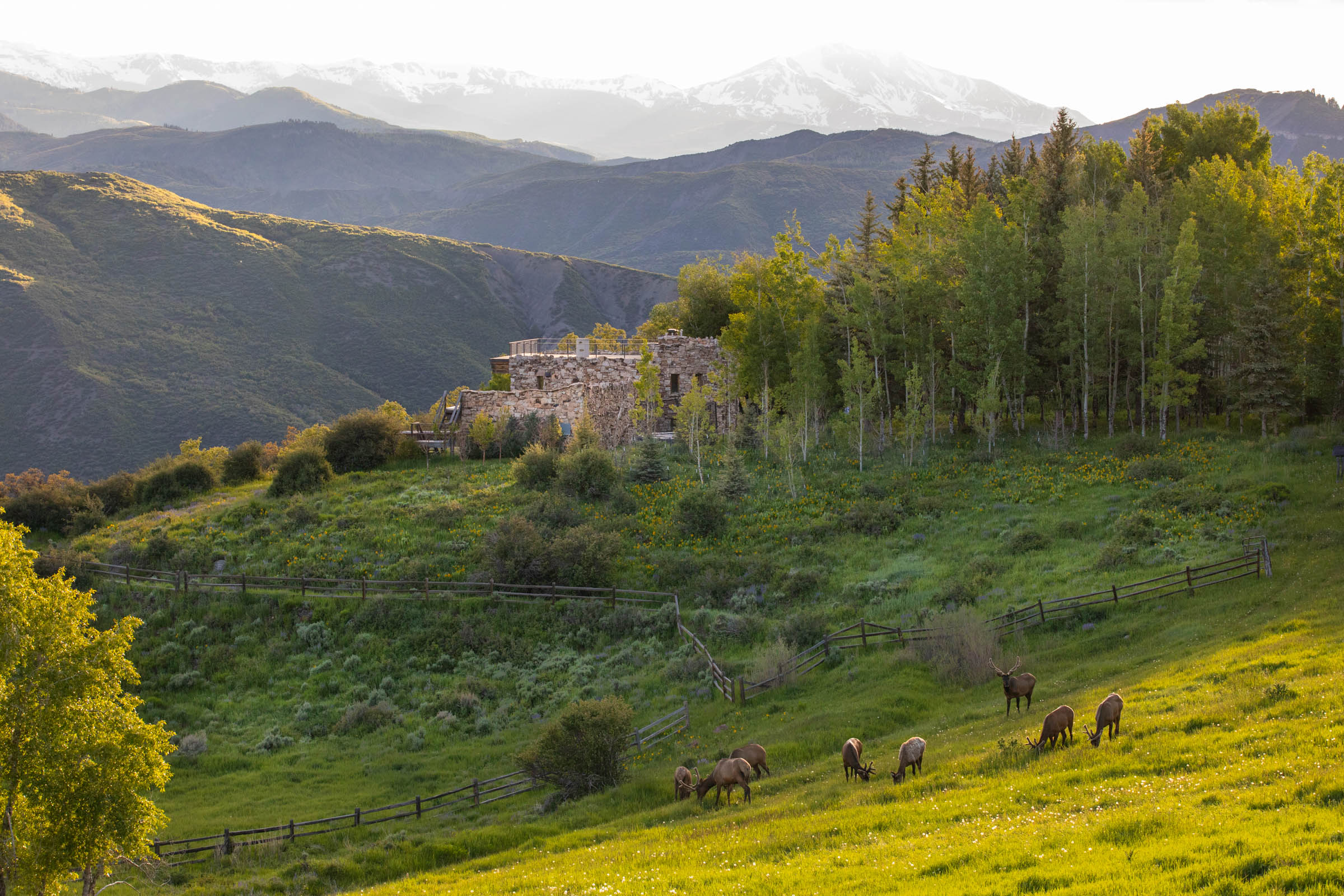
While renovating a building may seem to offer less opportunity than a blank slate, a considerable creative challenge is presented when the preexisting component is picturesque: a relic or ruin, ideally dating from a bygone, colorful age. Then, all manner of possibilities come into play, the most interesting being how the old might become part of something new: the structural and emotional interplay between the vivid past and the practical present.
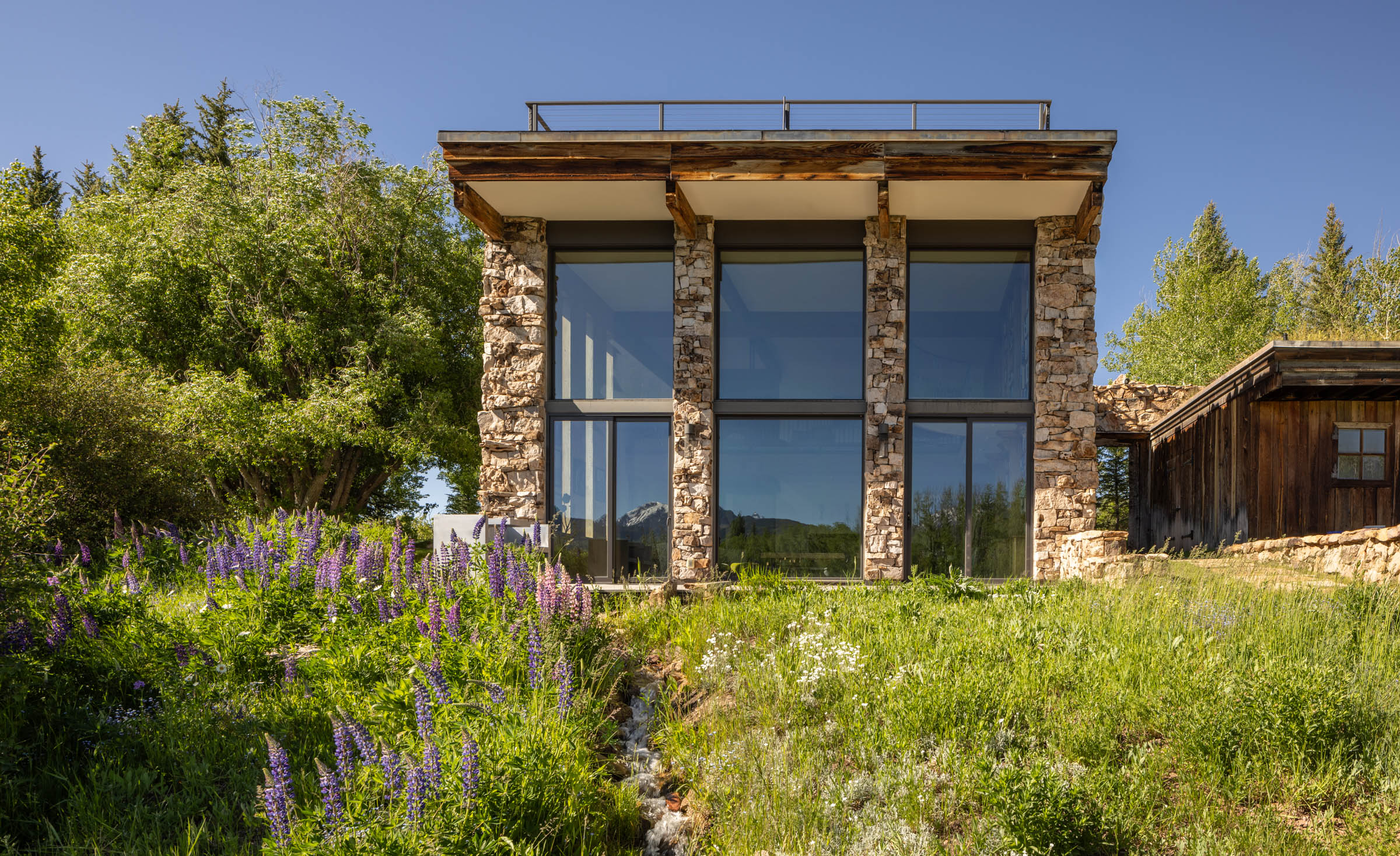
Our design for Barn Studio, perched on a ridge with picturesque Aspen views, rings an interesting change on the idea of the new-old house. The original building appeared to be a remnant of a mostly collapsed, rubble-stone agrarian structure, reconceived as a residence via the insertion of contemporary living amenities. In fact, it was entirely modern, designed by its owner to resemble a clever meeting of modern life and the golden days of Colorado’s yesteryear.
R+B’s clients, a couple with three young children, purchased this folly and its surrounding acreage, seeing it as the cornerstone of a compound that would ultimately include a range of building types. The idea was to make it livable for five people while the other structures took shape, and to create a paradigm for building on the site, one that respected the area’s rural-agrarian history while extending that legacy into the future.
Barn Studio unfolds on three levels: a subterranean space incorporating media and game rooms; a double-height main floor, which we lightened and contemporized; and an L-shaped mezzanine that doubles as a sleeping loft and library. Although there are abundant reminders of the place as it was, notably a distinctive carved ram’s head motif, the design’s reimagining is at once more useful and more cheerful: a welcoming, offbeat hideaway – and elegant, fully-equipped crash pad for a family of five – that belongs to the past without being mired in it.
Of the two R+B-designed residences that followed Barn Studio on the property, says Broughton, ‘they’re informed by what we did here first. It’s all about stewardship – uniting the past with today’s processes while respecting and appreciating the people who were here before.’
Project Size
3,197 SF (3.4 AC)
Project Awards
-
AIA Colorado – Editor’s Choice
-
Colorado Homes & Lifestyles Magazine – Home of the Year
-
LUXE Interiors + Design – RED Awards
-
IIDA – BESTawards
-
Colorado Homes & Lifestyle – CARE
-
ASID – Crystal Awards
-
International Design Awards
-
AIA Colorado – YAAG Awards
Publications
R+B Services
-
Architecture
-
Interior Design
-
Furnishings / Procurement
Project Team
-
Civil Engineer: SGM
-
MEP Engineer: REG
-
Landscape Architect: Bluegreen
-
Structural Engineer: KL&A
-
Lighting Designer: 186 Lighting Design Group, Inc.
-
Photographer: Lisa Romerein
-
Photographer: Brent Moss
-
Contractor: Schlumberger Sherer
Meadow House
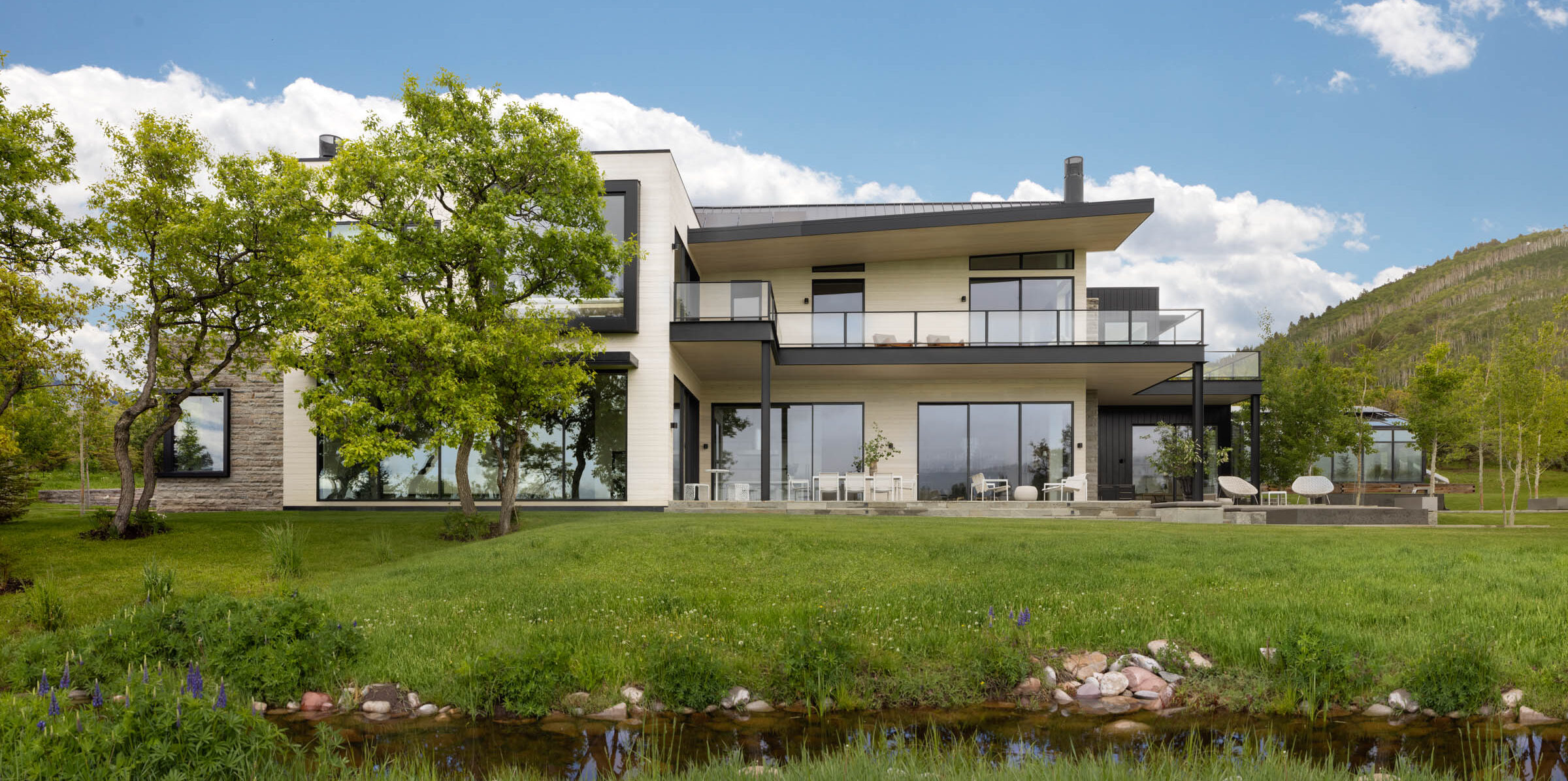
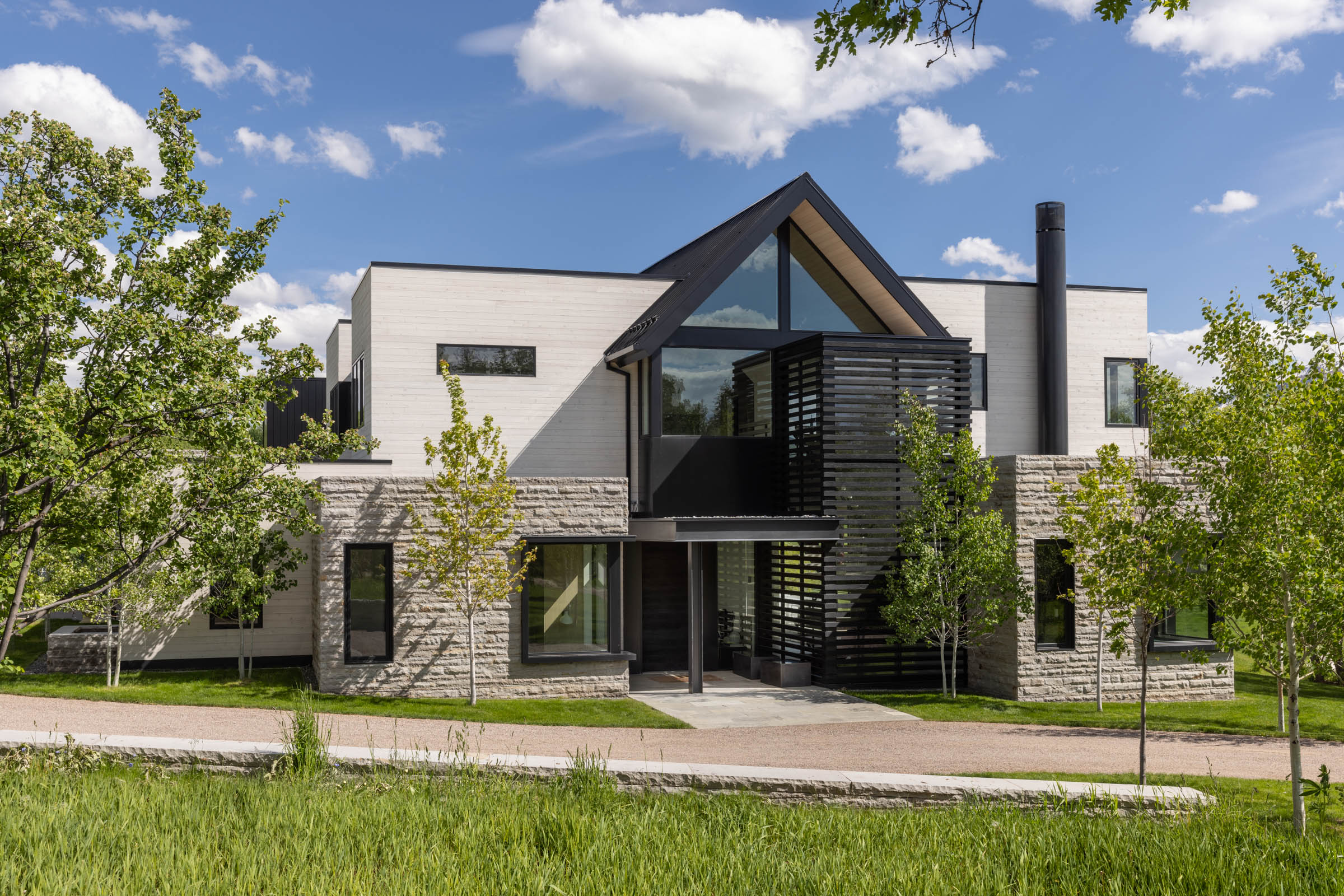
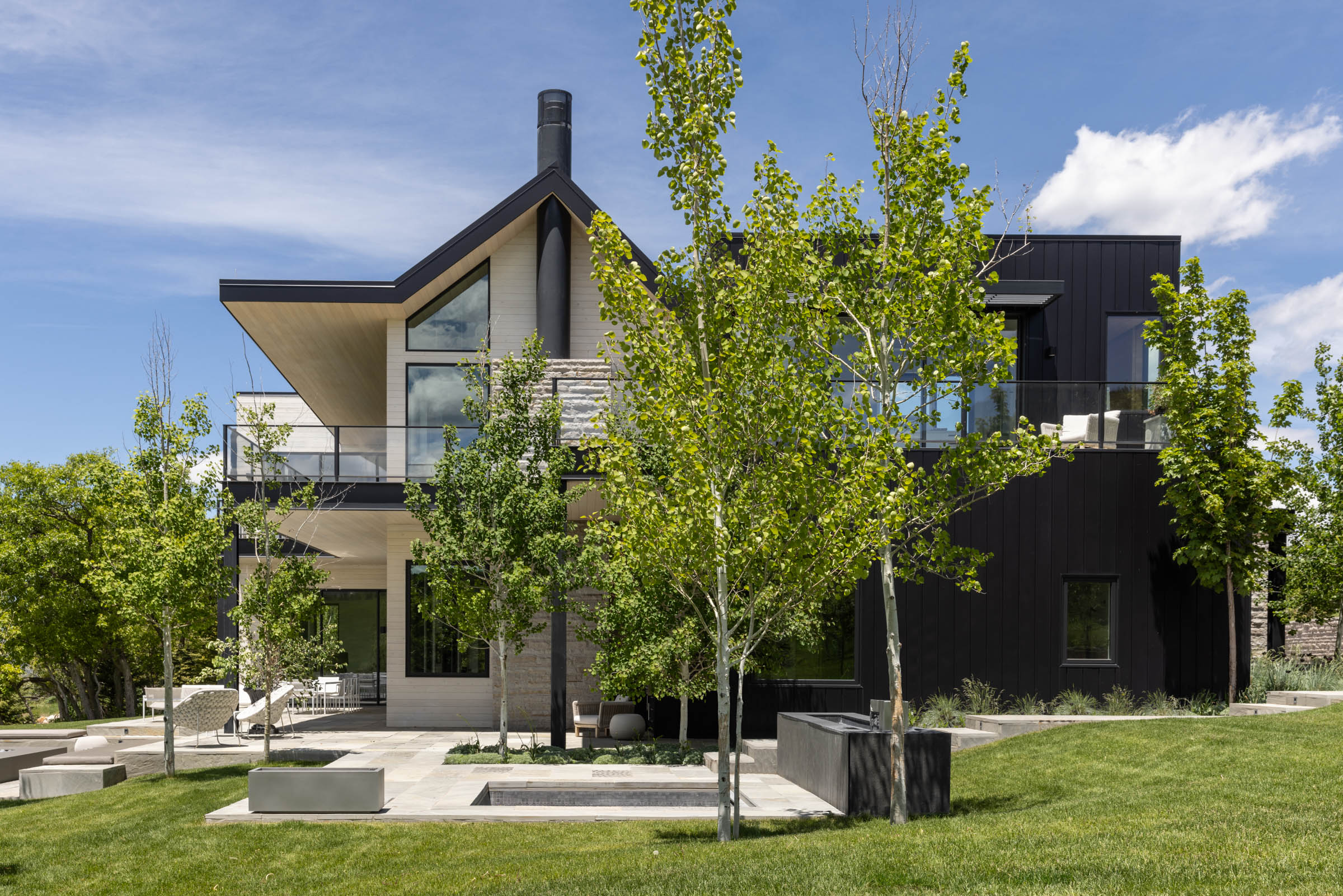
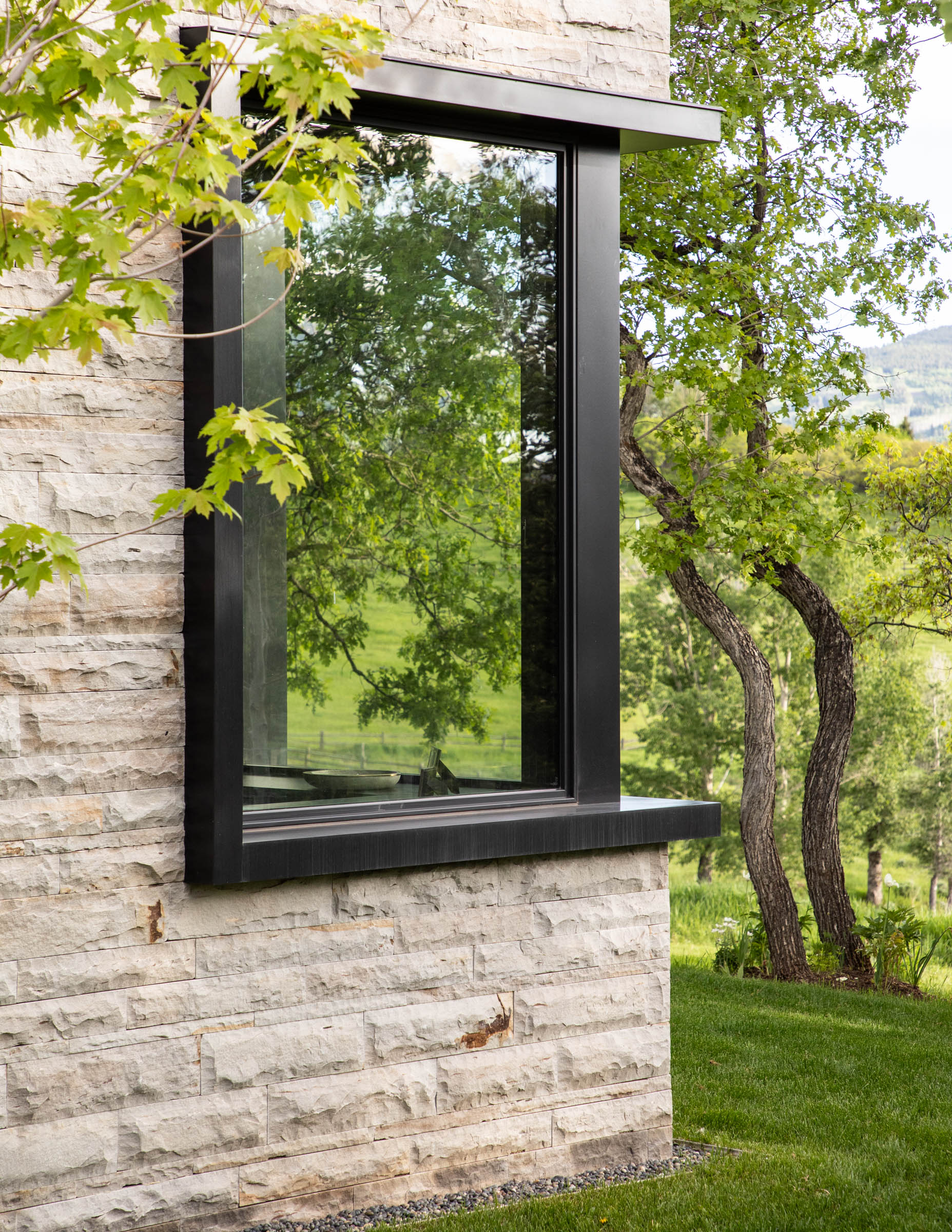
The essence of Meadow House, so named for its siting on an expansive Aspen greensward ringed by evergreen, spruce and scrub oak, lies in the idea of the threshold: between separation and connection, public and private, interior and exterior, architecture and design.
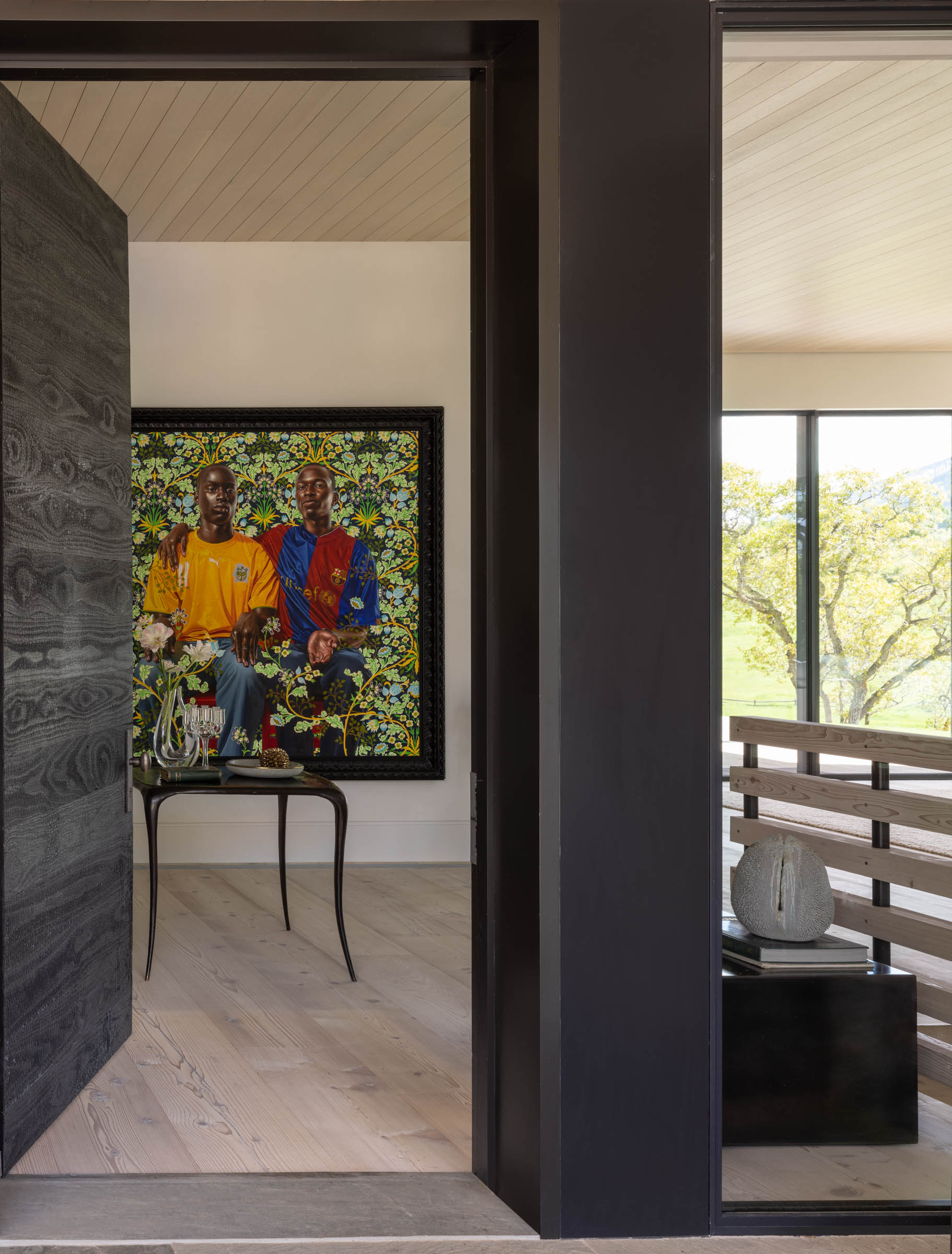
On the main floor, from the entry to the living area to the library/dining room, the sense is of a grand loft space, Scandinavian in its material simplicity, with eleven-foot ceilings and enormous, view-embracing glazed walls. Yet each space retains its own special character: if the overall experience is holistic, the rooms remain distinct and discrete.
Meadow House’s permeability is especially seductive, and particularly evident in the second-floor primary suite, which features the design’s iconic moment: a windowed agrarian gabled form, that ‘peels upward’ as it moves the full length of the rooms, revealing progressively more of the panoramic view. Here the threshold lies between the interior and the great outdoors, one dissolving into the other in a subtle, exquisite unfolding.
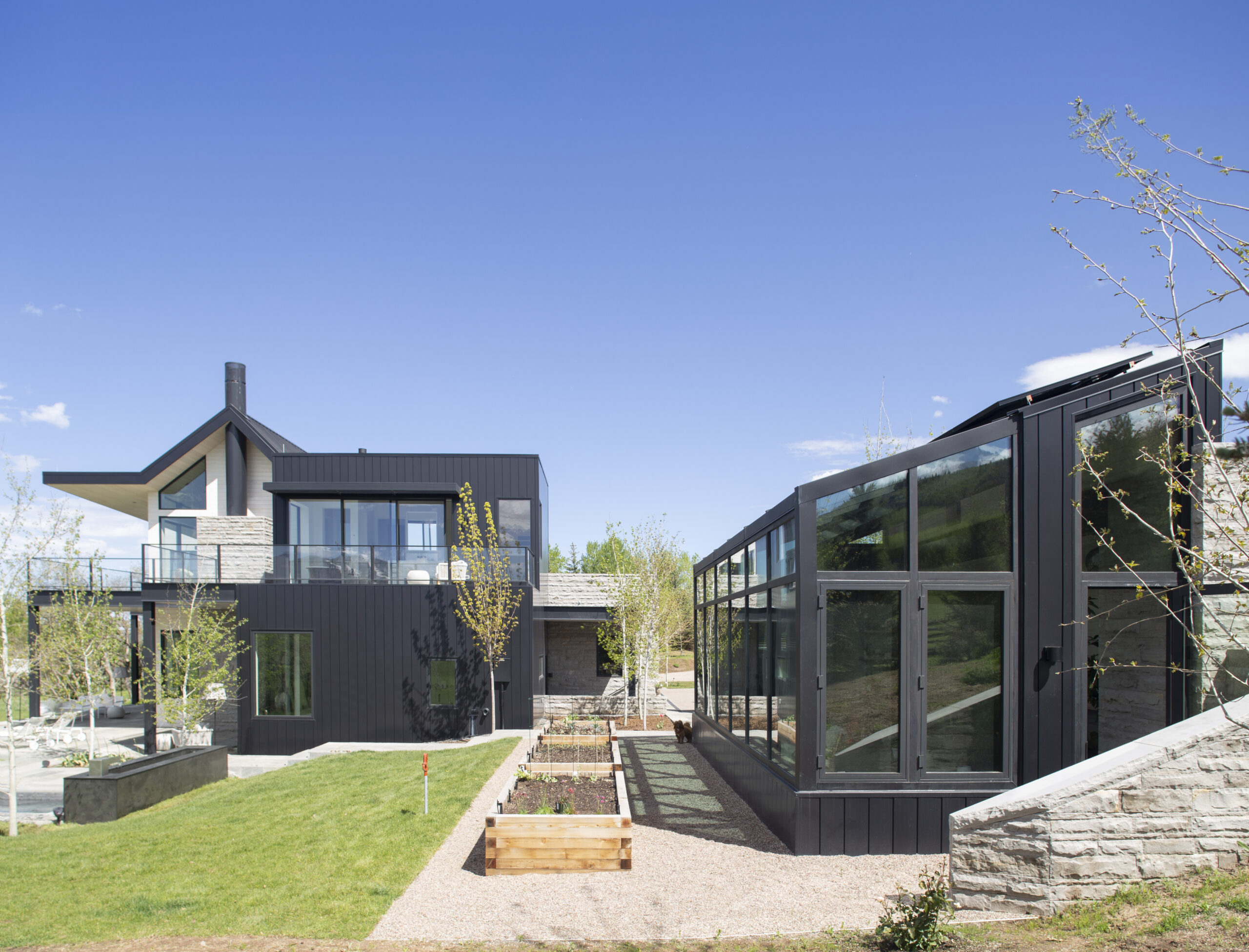
A separate greenhouse, designed for a year-round edible garden and to provide a farm-to-table learning opportunity for the family, offers an additional layer of experience. The greenhouse acts as a viewing machine, offering a different, no less dynamic perspective on the meadow, mountains, and the great western sky.
Meadow House also evinces a compelling sense of craft, exemplified by The Haas Brothers’ remarkable double-sided fireplace, commissioned for the project and custom-forged in Portugal. This, and other such moments, invest a capacious residence with the appealingly intimate presence of the hand.
Every material, furniture selection, and art placement was chosen as an extension of the architectural idea.
Project Size
8,500 SF (2.2 AC)
Project Awards
-
IIDA – BESTaward
-
ASID – Crystal Awards
-
ASID – Crystal Awards
-
AIA – People’s Choice Award
Publications
R+B Services
-
Architecture
-
Interior Design
-
Furnishings / Procurement
Project Team
-
Landscape Architect: Land Design 39
-
Lighting Designer: Robert Singer
-
Structural Engineer: Albright
-
MEP Engineer: REG
-
Civil Engineer: SGM
-
Audio/Visual: Paragon
-
Photographer: Lisa Romerein
-
Photographer: Brent Moss
-
Contractor: Schlumberger Scherer
-
Greenhouse Consultant: Eco Systems Design